Language
 中文简体
中文简体 English
 عربى
عربى русский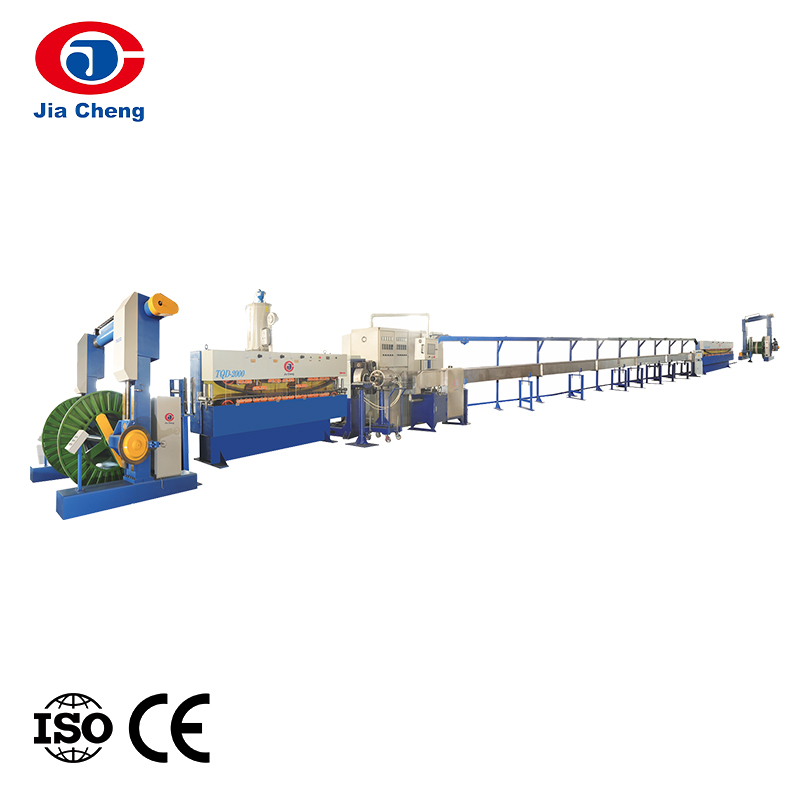
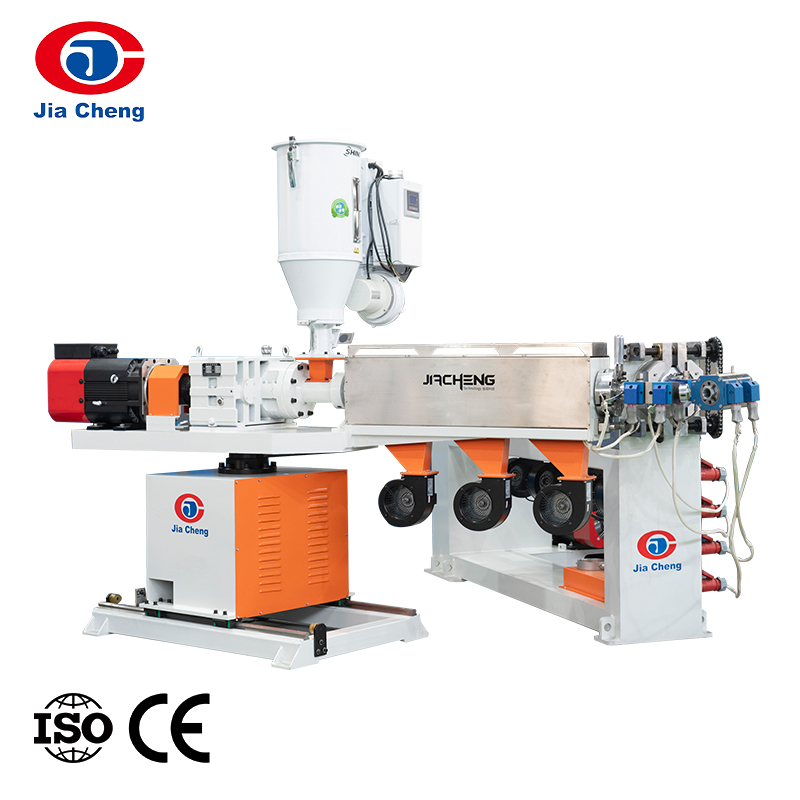
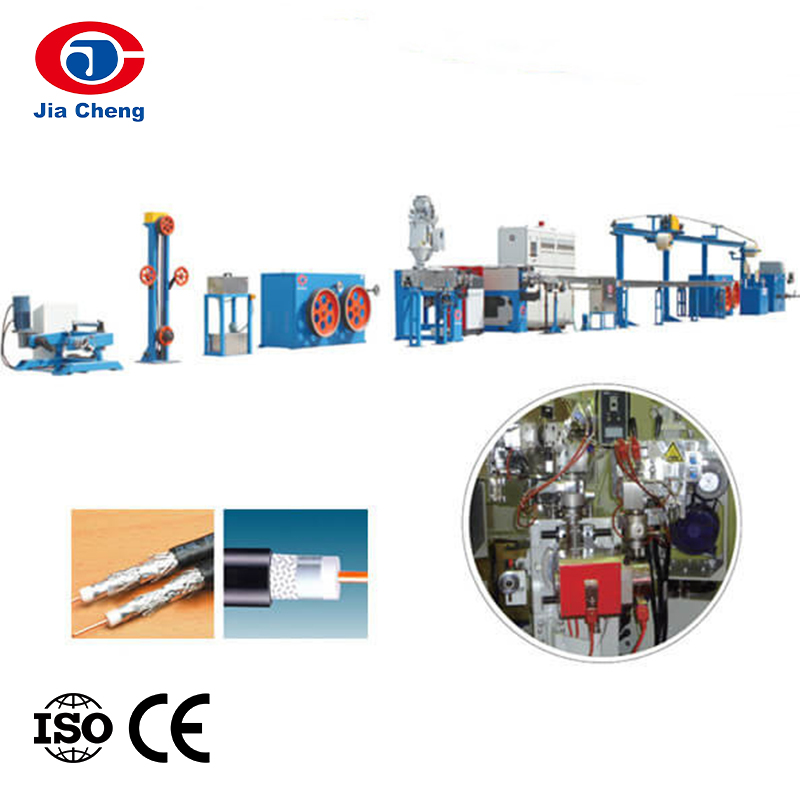
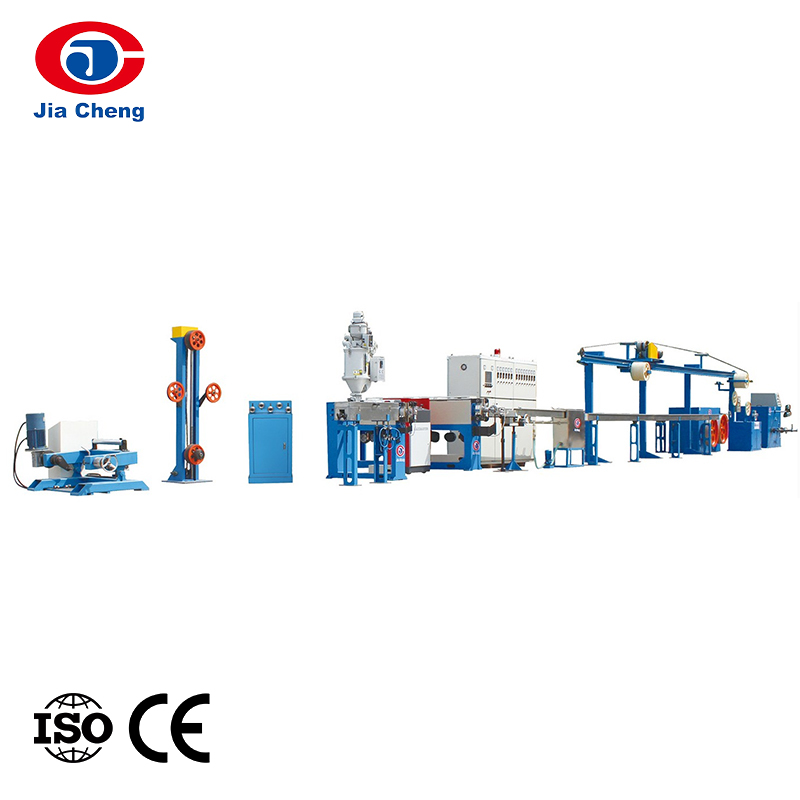
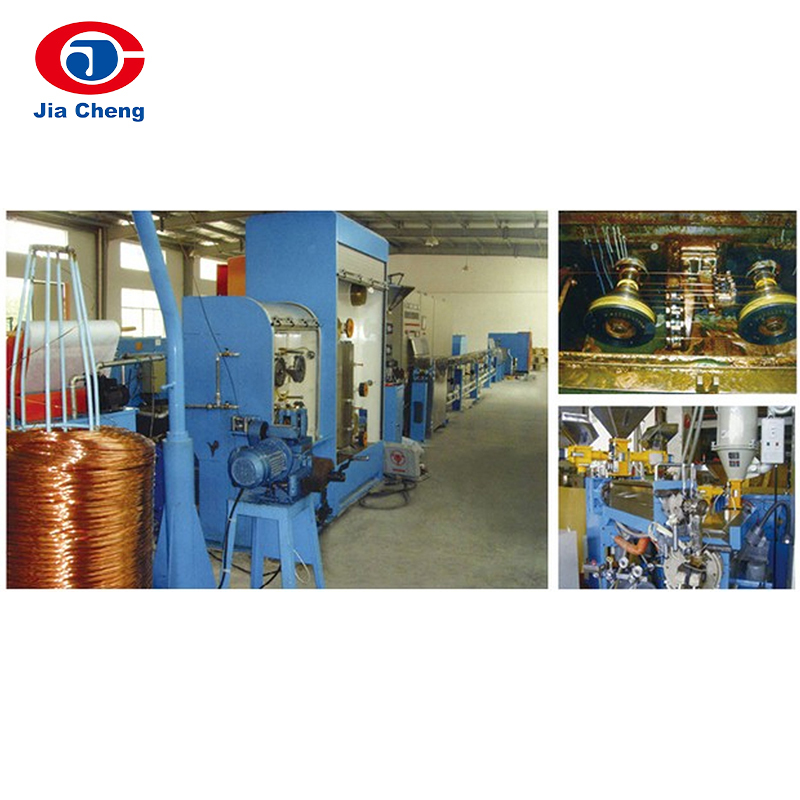
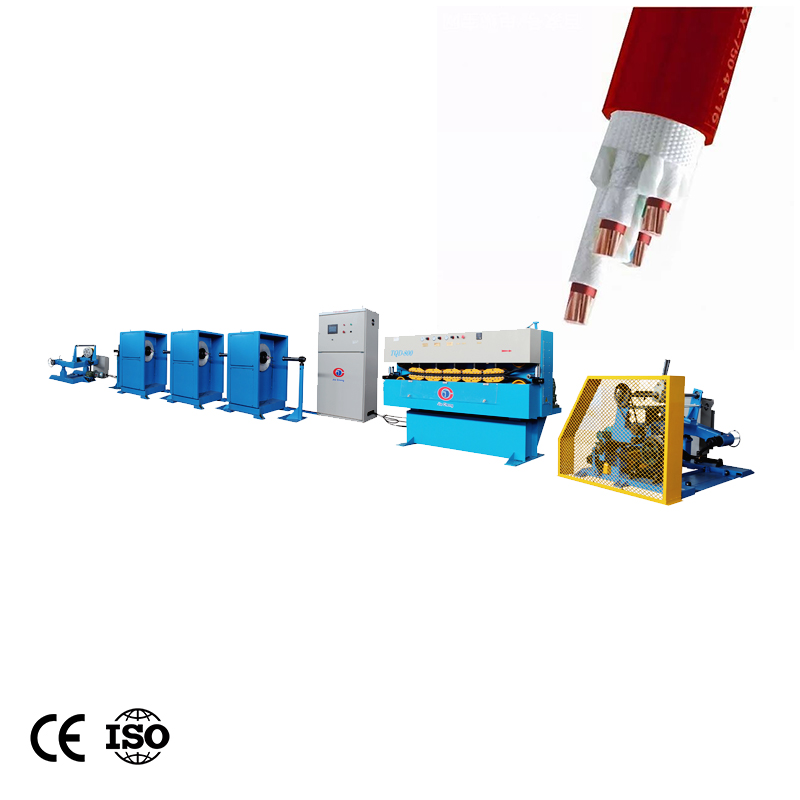
Typical Technical Parameters
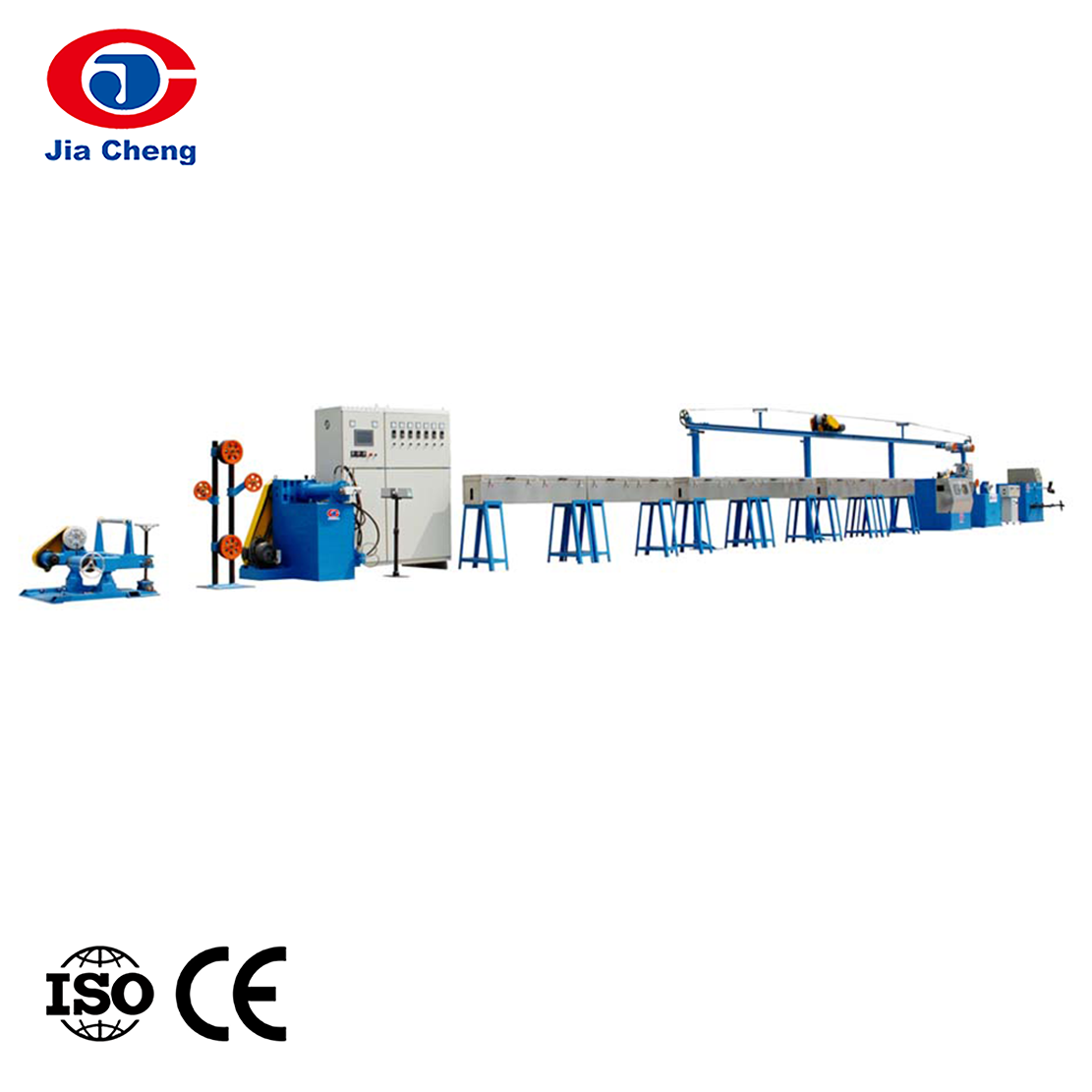
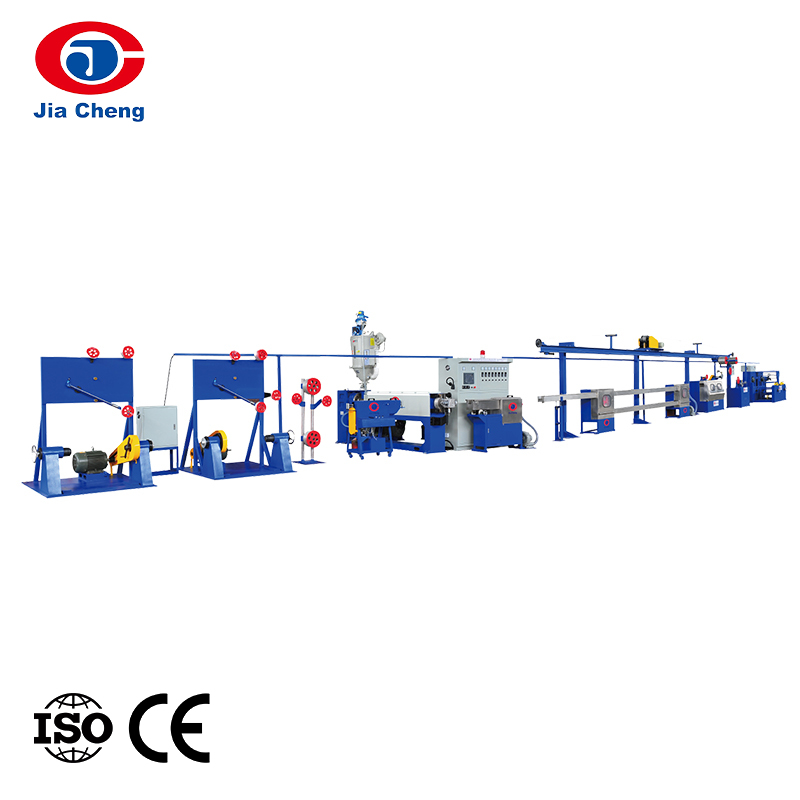
Because "Power Cable Production Equipment" spans several machine types working together — drawing, stranding, and extrusion — the table below gives typical parameter ranges rather than a single machine's datasheet. Exact figures always depend on the conductor material, target voltage class, cross-sectional area, and output speed you are targeting, and we size the motor, gearbox, and tooling for each order individually rather than offering one fixed configuration.
| Machine Type | Typical Product Range | Max Line Speed | Drive & Control | Typical Motor Power |
| Rod Breakdown Machine | 8mm rod down to 1.2-3.0mm wire | up to 25-30 m/s | Individual AC motors, PLC + touch screen | 55-132 kW |
| Intermediate / Fine Wire Drawing Machine | 3.0mm down to 0.10mm | up to 15-20 m/s | AC frequency control | 15-55 kW |
| Rigid Frame Stranding Machine | up to 61 wires, conductor OD up to 50mm | up to 400-800 rpm cage speed | PLC with closed-loop tension control | 30-90 kW |
| Extrusion Line (XLPE/PVC) | 1.5 mm2 - 1000 mm2 conductor | 5-60 m/min, depending on wall thickness | Siemens/Schneider-type PLC + HMI | 75-250 kW |
These ranges cover the equipment most commonly requested for building wire through medium voltage cable. For high voltage cable (35kV and above) or unusually large conductor cross-sections, we prepare a dedicated line configuration rather than quoting from a general range. Send us your target conductor size, voltage class, and output requirement and we will return a parameter table specific to your project instead of a generic one, since the right gearbox ratio, capstan diameter, and cooling trough length all change once the real numbers are known.
Matching Equipment to Your Cable Program
Most buyers who come to this page are not looking for a single machine, they are trying to work out how to produce a specific cable — for example a two-core fire-resistant cable, a 1.5-2.5 mm2 single-core building cable, or a mid-size distribution cable — and want to know which machines, in which order, get them there. This is where the "Power Cable Production Equipment" grouping is meant to help: it lets you look across drawing, stranding, and extrusion equipment on one page instead of jumping between separate categories.
Our normal process starts with a short technical questionnaire covering conductor material, target cross-section range, insulation type, output target (kg/hour or meters/minute), and whether you already own upstream equipment such as a rod mill or annealer. From there our engineers propose a machine list and layout, sized to your building or workshop, and flag anywhere your target spec would benefit from a different machine class — for instance, moving from a standard drawing machine to a finer-pitch drawing line if your minimum gauge is very small.
We have applied this approach to real export projects, including a complete solution for producing two-core fire-resistant cable for a customer in the United Arab Emirates, a copper-rod-to-finished-wire line for 1.5-2.5 mm2 single-core cable for a client in Ghana, and a full production plan for 0.5-6 mm2 multi-core wire and flat wire for a customer in Uzbekistan. Each of those projects started from the same place this page starts: a target cable spec, not a shopping list. If you can describe the cable you want to end up producing, we can work backward to the equipment list rather than asking you to guess which category to browse first.
Quality Control and Certification
For power cable equipment specifically, consistency matters more than almost anywhere else in the wire and cable industry, because a variation in wall thickness or conductor diameter that would be a minor cosmetic issue on a low-voltage building wire can become a safety issue on a distribution cable. Our quality process is built around checking the things that actually affect the finished cable's performance, not just whether the machine runs.
On the machine build side, incoming steel, bearings, gearboxes, and electrical components are checked against the drawing specification before assembly. Frames and rotating parts are checked for dynamic balance where relevant (particularly on rigid frame stranders and high-speed drawing machines), and electrical cabinets are tested under load before the machine is signed off internally. We use PLC and drive components from recognized international brands such as Siemens, Schneider Electric, or Delta, depending on the buyer's regional preference and local service network, so that spare parts and technical support remain easy to source after the machine leaves our factory.
Every machine is test-run under load with sample material before shipment, and we record the line speed, tension stability, and (for extrusion lines) wall thickness consistency achieved during that test. This test report travels with the machine and gives you a documented baseline to compare against once the equipment is installed on your site. Our equipment is designed and built with export compliance in mind, including CE-oriented electrical safety practice for the European and Middle Eastern markets; if your project requires a specific certificate or third-party inspection (SGS, BV, or a similar body) before shipment, let us know early in the quotation stage so it can be scheduled and priced into the project timeline rather than added afterward.
Frequently Asked Questions
Q: Can you design a complete line, or do I need to select each machine myself?
A: You can describe the target cable (conductor size, material, insulation type, output goal) and we will propose the full machine list and layout. Buyers who already know exactly which machines they want are also welcome to specify them directly.
Q: What voltage electrics do your machines use?
A: We build machines to match your local supply, including different voltage and frequency standards (for example 380V/50Hz or 460V/60Hz), and configure motors and control cabinets accordingly.
Q: Do I need a separate annealing machine for a power cable line?
A: It depends on your conductor and target application. Some lines use online annealing integrated into the drawing machine; others require a separate offline annealing and tinning machine, particularly for fine or tinned conductors. We will confirm this during the technical discussion.
Q: Can existing equipment from another supplier be integrated into a new line from you?
A: In many cases yes, particularly for upstream equipment like rod mills. Send us the specifications of your existing machines and we will confirm compatibility before finalizing a quotation.
Q: What happens if a machine arrives with a problem after a long sea shipment?
A: Report it with photos or video as soon as it is discovered. We will assess whether it is a shipping issue or a manufacturing issue and arrange the appropriate remedy, whether that is a replacement part, a technician visit, or guided repair, under the applicable warranty terms.
Price Range and Quotation Process
We do not publish fixed prices for power cable production equipment on this page, because the cost of a drawing, stranding, or extrusion line changes significantly based on conductor size range, output speed, level of automation, and how many machines are combined into a single order. A single mid-size stranding machine and a complete multi-machine line for a full production plant sit at very different price points, and quoting a single number without knowing your target spec would not be a reliable guide for your budgeting.
To give you an accurate quotation, we usually need: the conductor material and size range you plan to produce, your target output (in kg/hour or meters/minute), the voltage class of the finished cable, whether you need a complete line or specific machines only, and your local electrical supply standard. With this information, our team typically returns a formal quotation, including a proposed machine list, technical parameters, and lead time, within a few business days.
If your budget is fixed and you are trying to work out what it can realistically achieve, tell us that directly — we would rather propose a configuration that fits your budget honestly (even if it means a smaller capacity or a phased investment plan) than quote equipment that does not match what you can actually spend. Many customers start with core drawing and stranding equipment and add extrusion or packaging equipment in a second phase once the first stage is running and generating revenue.
We are also comfortable discussing financing timelines and deposit structures for larger orders, and can break a quotation into clearly priced modules (drawing, extrusion, packing) so you can see exactly which portion of the budget each machine represents, rather than receiving only a single combined total that is harder to plan around internally.