
 Language
 中文简体
中文简体 English
 عربى
عربى русский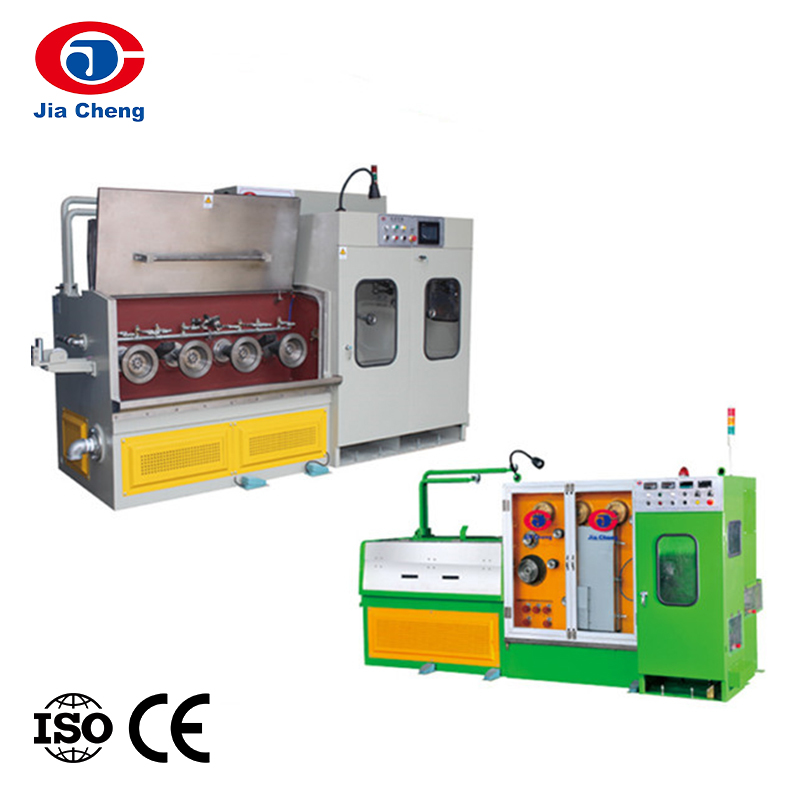
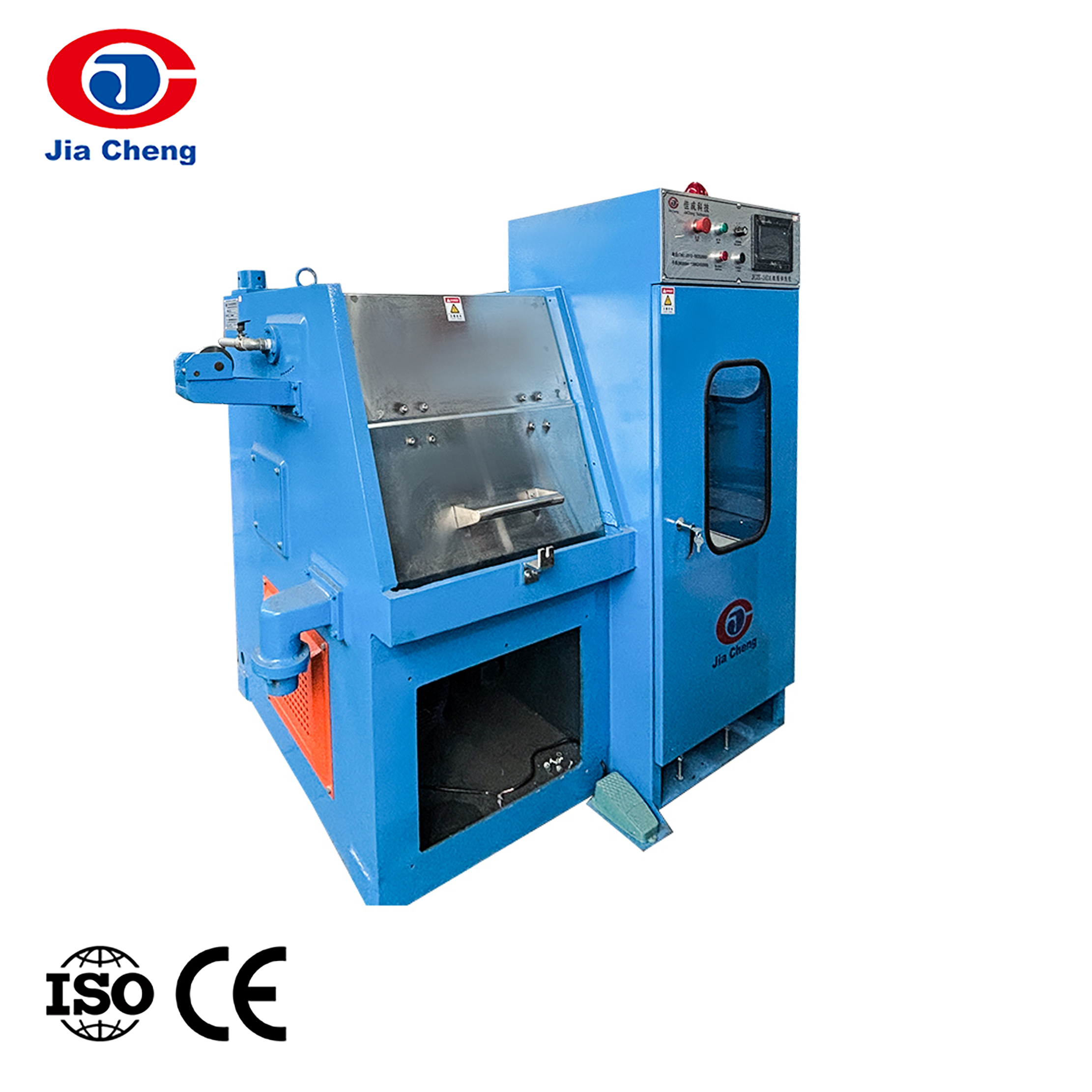
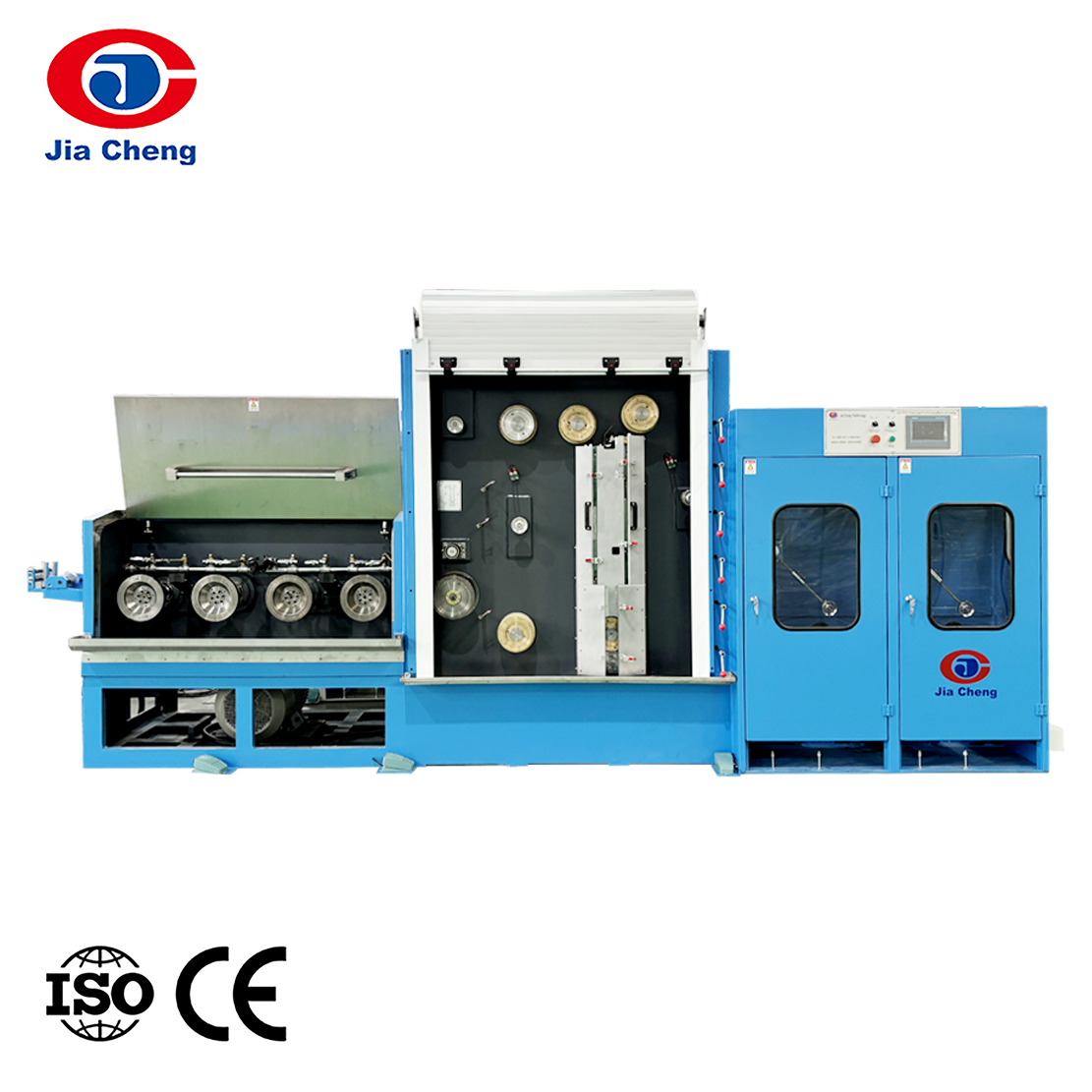
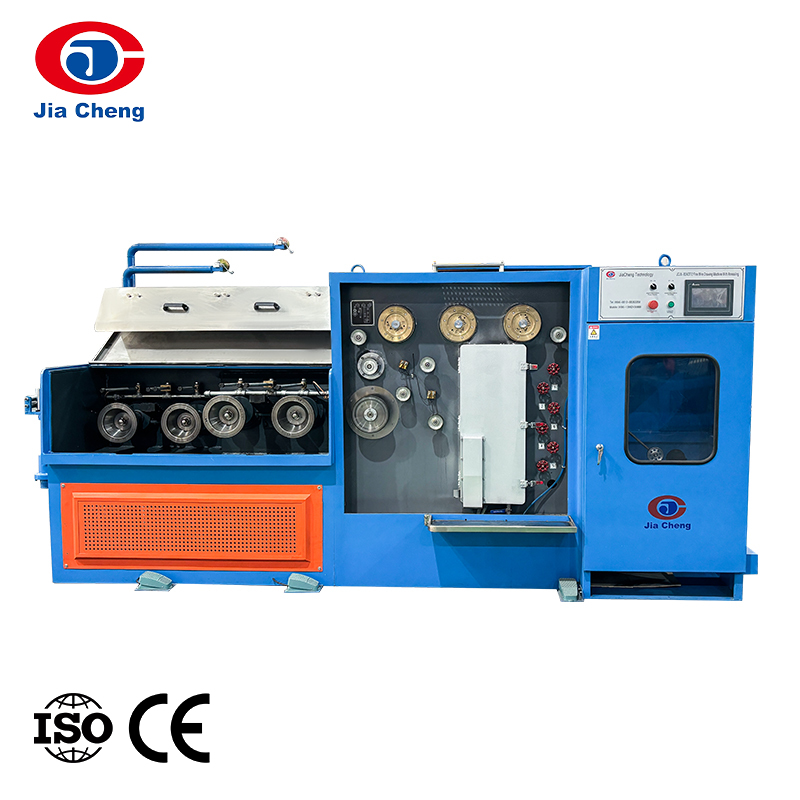
1. Working Principle and Structural Features of Fine Wire Drawing Machines
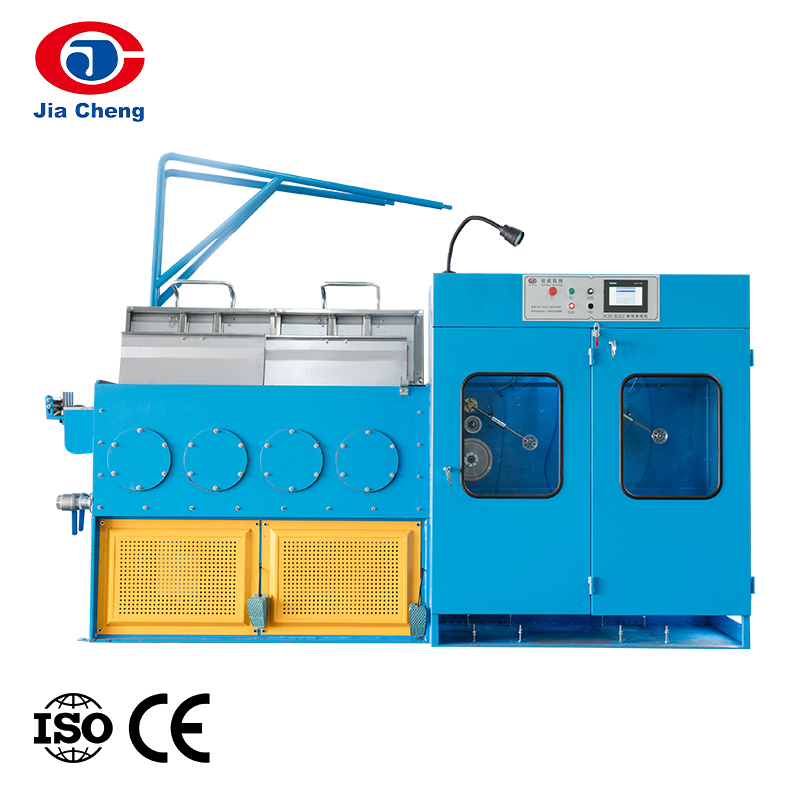
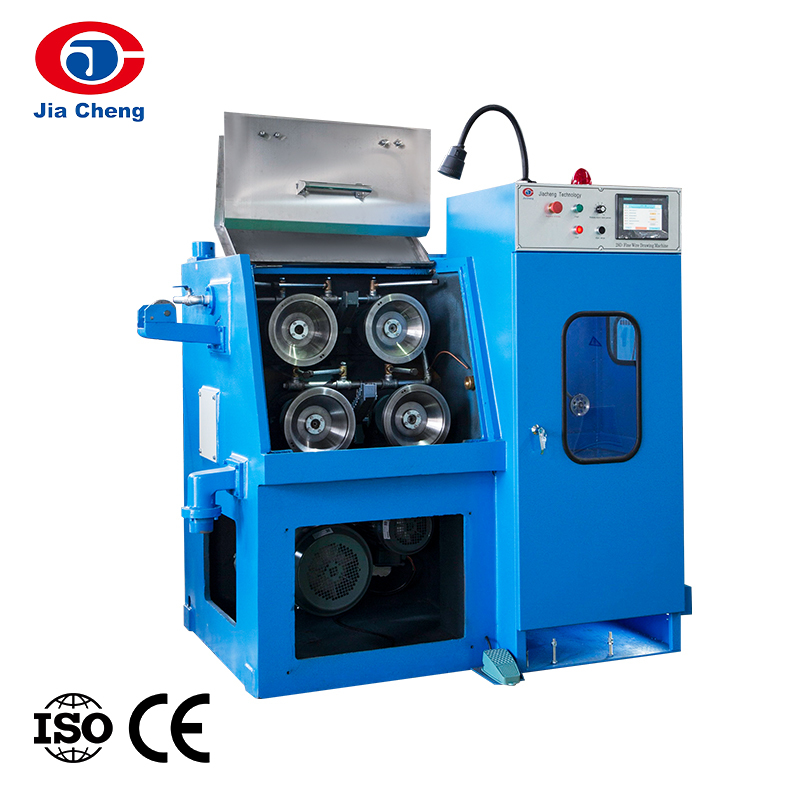
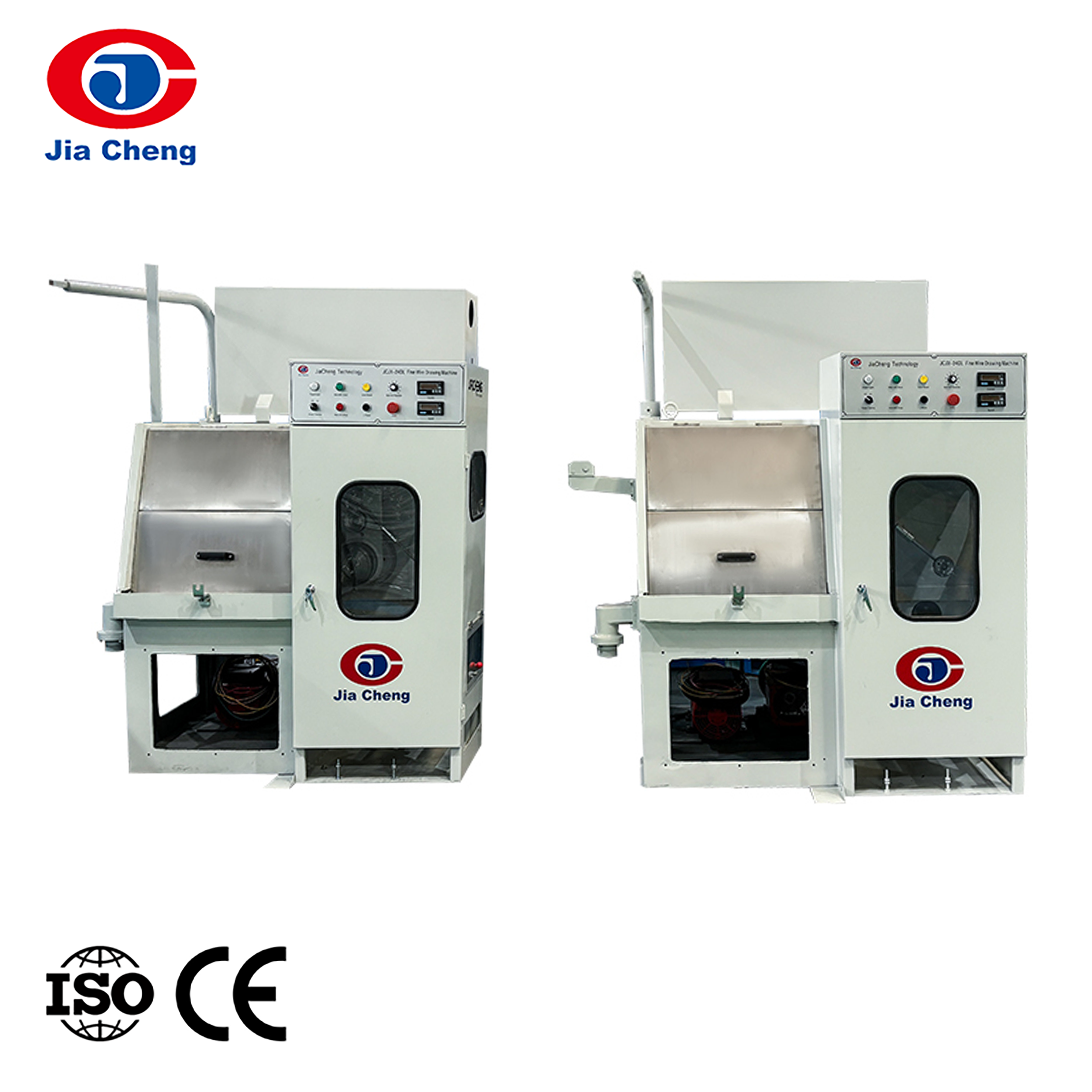
Fine wire drawing machines are advanced industrial systems designed to reduce metal wire diameter through controlled plastic deformation, ensuring high precision and excellent surface quality. The working process begins with a raw wire coil being fed into the machine through a pay-off system. The wire then passes sequentially through a series of drawing dies with decreasing diameters. Each pass reduces the cross-sectional area of the wire while increasing its length, ultimately achieving the desired fine size. This multi-pass reduction process is essential to maintain material integrity and prevent breakage, especially when dealing with ultra-fine wires.
A modern fine wire drawing machine is typically composed of several integrated subsystems, including the pay-off unit, multi-stage drawing capstans, die holders, lubrication system, cooling system, and take-up unit. The capstan system plays a critical role by providing the pulling force and controlling the drawing speed. With the adoption of frequency converters or servo motors, operators can precisely adjust speed and tension, ensuring uniform wire diameter and consistent quality.
Lubrication and cooling systems are equally important. High-quality lubricants reduce friction between the wire and the dies, which not only improves surface finish but also extends die life. Meanwhile, cooling systems—often circulating water or emulsions—help dissipate heat generated during high-speed operation. Effective thermal management significantly enhances machine stability and product quality.
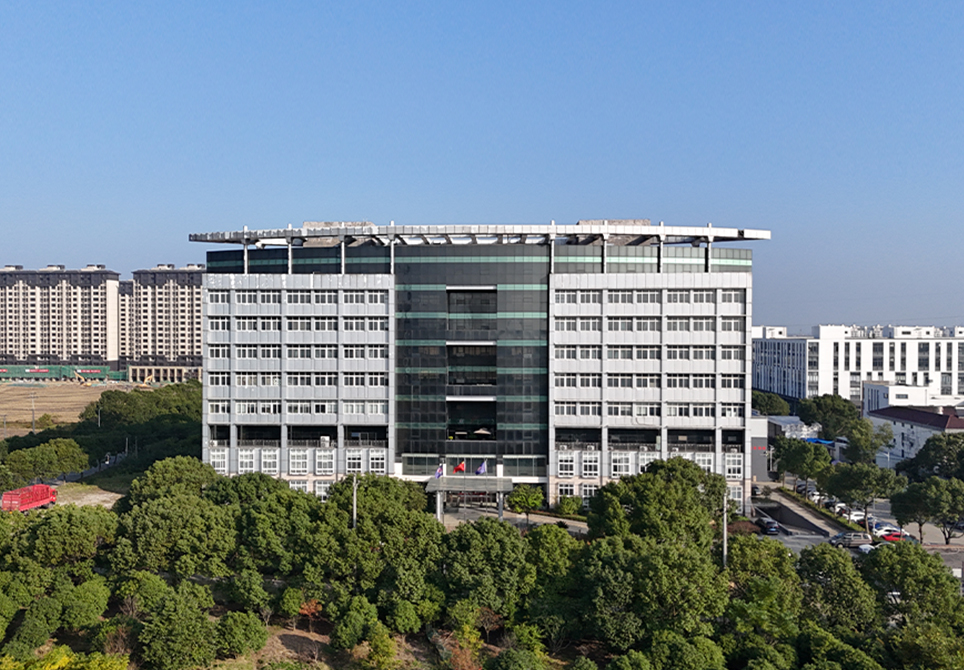
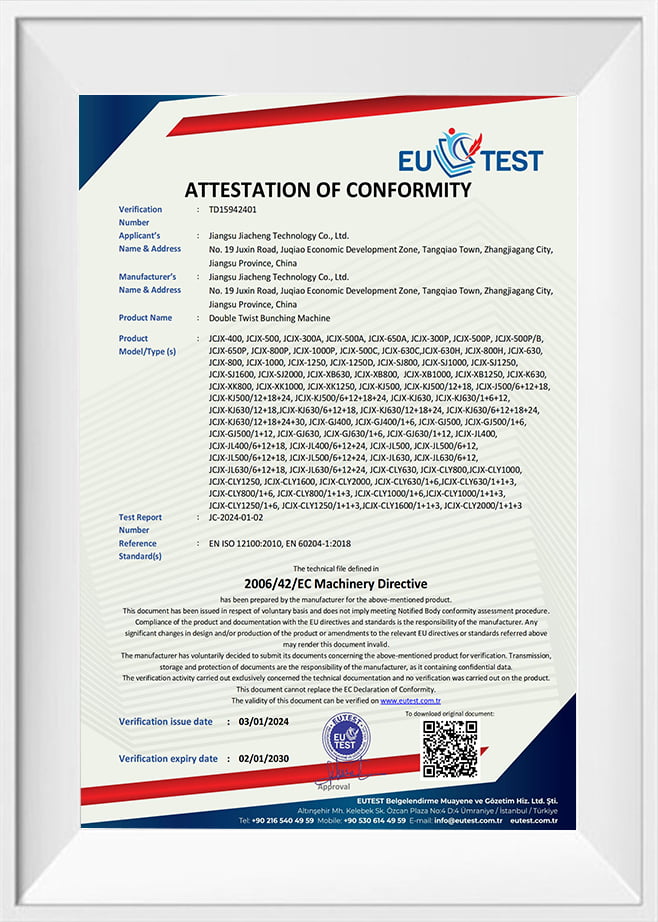
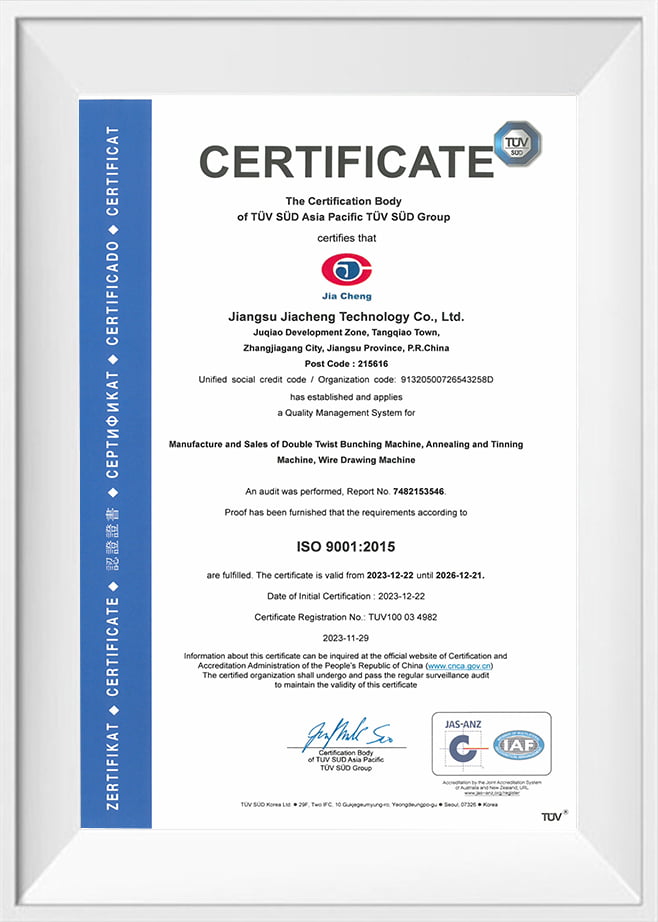
As a professional manufacturer, Jiangsu Jiacheng Technology Co., Ltd. integrates advanced engineering design with practical production experience. Founded in 1990 and located in Zhangjiagang, the company benefits from convenient transportation near the Shanghai-Nanjing expressway. With a facility covering 28,800 square meters and modern workshops, the company ensures high manufacturing standards for all its wire drawing equipment.
| Component | Function Description |
|---|---|
| Pay-off System | Feeds raw wire smoothly into the drawing line |
| Drawing Dies | Gradually reduce wire diameter with precision |
| Capstan System | Controls drawing speed and provides pulling force |
| Lubrication System | Minimizes friction and improves surface finish |
| Cooling System | Dissipates heat and protects wire and dies |
| Take-up Unit | Collects finished fine wire efficiently |
The structural design and working principle of fine wire drawing machines emphasize precision, efficiency, and durability, making them indispensable in modern wire processing industries.
2. Applications of Fine Wire Drawing Machines in Various Industries
Fine wire drawing machines play a vital role in a wide range of industries due to their ability to produce ultra-thin wires with strict tolerances and high surface quality. These machines are especially critical in sectors where precision and reliability are non-negotiable, such as electronics, medical devices, automotive manufacturing, telecommunications, and aerospace engineering.
In the electronics industry, fine wires made from copper or aluminum are used in cables, connectors, and micro-components. As electronic devices continue to become smaller and more powerful, the demand for ultra-fine conductive wires has increased significantly. Fine wire drawing machines enable manufacturers to meet these requirements by delivering consistent and high-quality output.
In the medical field, fine wires are used for surgical instruments, guidewires, and implantable devices. These applications require extremely smooth surfaces and exact diameters to ensure patient safety and operational performance. Even minor deviations in wire quality can lead to critical failures, making high-precision drawing machines essential.
The automotive industry also relies heavily on fine wires for wiring harnesses, sensors, and control systems. With the rapid growth of electric vehicles, the demand for high-performance conductive wires has surged. Fine wire drawing machines help manufacturers produce wires that meet stringent electrical and mechanical standards.
Jiangsu Jiacheng Technology Co., Ltd. has been deeply involved in the wire and cable machinery industry for decades. The company manufactures not only wire drawing machines but also twisting machines, extruder machines, coiling and wrapping machines, stranding machines, and annealing and tinning machines. Its products are exported to more than 100 countries, including Italy, Spain, Brazil, India, and South Africa, demonstrating strong global competitiveness.
| Industry | Application Examples |
|---|---|
| Electronics | Micro wires, connectors, circuit components |
| Medical | Surgical wires, guidewires, implant materials |
| Automotive | Wiring harnesses, EV cables, sensors |
| Telecommunications | Signal transmission wires, cable reinforcement |
| Aerospace | Lightweight high-strength alloy wires |
Overall, the wide range of applications highlights the importance of fine wire drawing machines in supporting modern industrial development and technological innovation.
3. Advantages and Future Development Trends
Fine wire drawing machines offer numerous advantages that make them essential for high-precision manufacturing. One of the most significant benefits is their ability to produce wires with exceptionally tight tolerances and superior surface finishes, reducing the need for additional processing steps. This not only improves product quality but also lowers overall production costs.
Another key advantage is high production efficiency. Modern machines are designed for continuous operation, allowing manufacturers to achieve high output with minimal downtime. Automation technologies, such as digital control systems and real-time monitoring, further enhance operational efficiency by enabling precise adjustments and early detection of potential issues.
Energy efficiency has also become an important consideration in recent years. Advanced fine wire drawing machines use optimized motor systems and intelligent control algorithms to reduce energy consumption. This contributes to both cost savings and environmental sustainability, which are increasingly important in global manufacturing.
Jiangsu Jiacheng Technology Co., Ltd. places strong emphasis on technological innovation and quality control. Its technical team includes experienced engineers from China and around the world, ensuring continuous improvement in machine performance. The company is committed to providing high-quality wire and cable making machines and offers 24/7 after-sales service to support customers worldwide.
Looking ahead, the future of fine wire drawing machines will be shaped by digitalization and smart manufacturing. Technologies such as IoT sensors, big data analytics, and remote monitoring will enable predictive maintenance and more efficient production management. Additionally, the development of new materials, including advanced alloys and composites, will require even more sophisticated drawing technologies.
| Trend | Description |
|---|---|
| Automation & Intelligence | Smart control systems for optimized production |
| Energy Efficiency | Reduced power consumption and eco-friendly design |
| High-Speed Precision | Faster production with improved accuracy |
| Smart Monitoring | Real-time data tracking and predictive maintenance |
| Material Innovation | Adaptation to advanced and composite materials |
Fine wire drawing machines are evolving toward higher efficiency, intelligence, and sustainability. With strong manufacturing capabilities and global service support, Jiangsu Jiacheng Technology Co., Ltd. continues to play a key role in advancing the wire and cable equipment industry.
FAQ
Q1: What materials can be processed by a fine wire drawing machine?
A: Fine wire drawing machines can process various materials, including copper, aluminum, stainless steel, carbon steel, and special alloys.
Q2: How to ensure wire quality during the drawing process?
A: Proper lubrication, accurate tension control, high-quality dies, and effective cooling systems are essential to maintain consistent wire quality.
Q3: What is the typical diameter range for fine wire drawing?
A: Depending on the machine configuration, the diameter can be reduced to very fine levels, often below 0.1 mm.
Q4: Does Jiangsu Jiacheng Technology Co., Ltd. provide after-sales support?
A: Yes, the company provides 24/7 after-sales customer service to ensure smooth operation and customer satisfaction worldwide.
Q5: Can machines be customized according to customer requirements?
A: Yes, Jiangsu Jiacheng Technology Co., Ltd. offers customized solutions based on specific production needs and technical requirements.