Language
 中文简体
中文简体 English
 عربى
عربى русский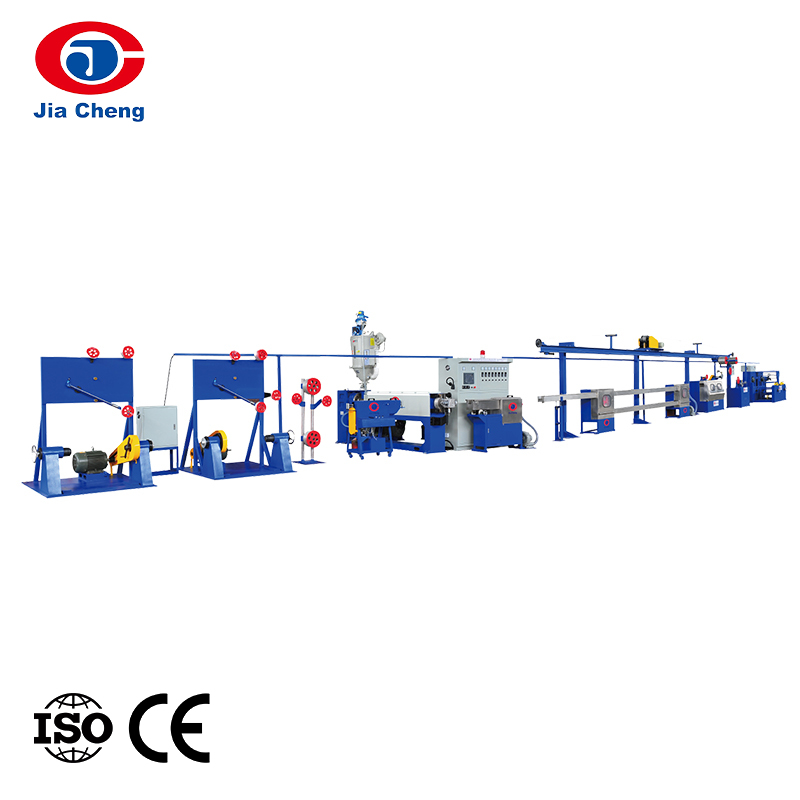
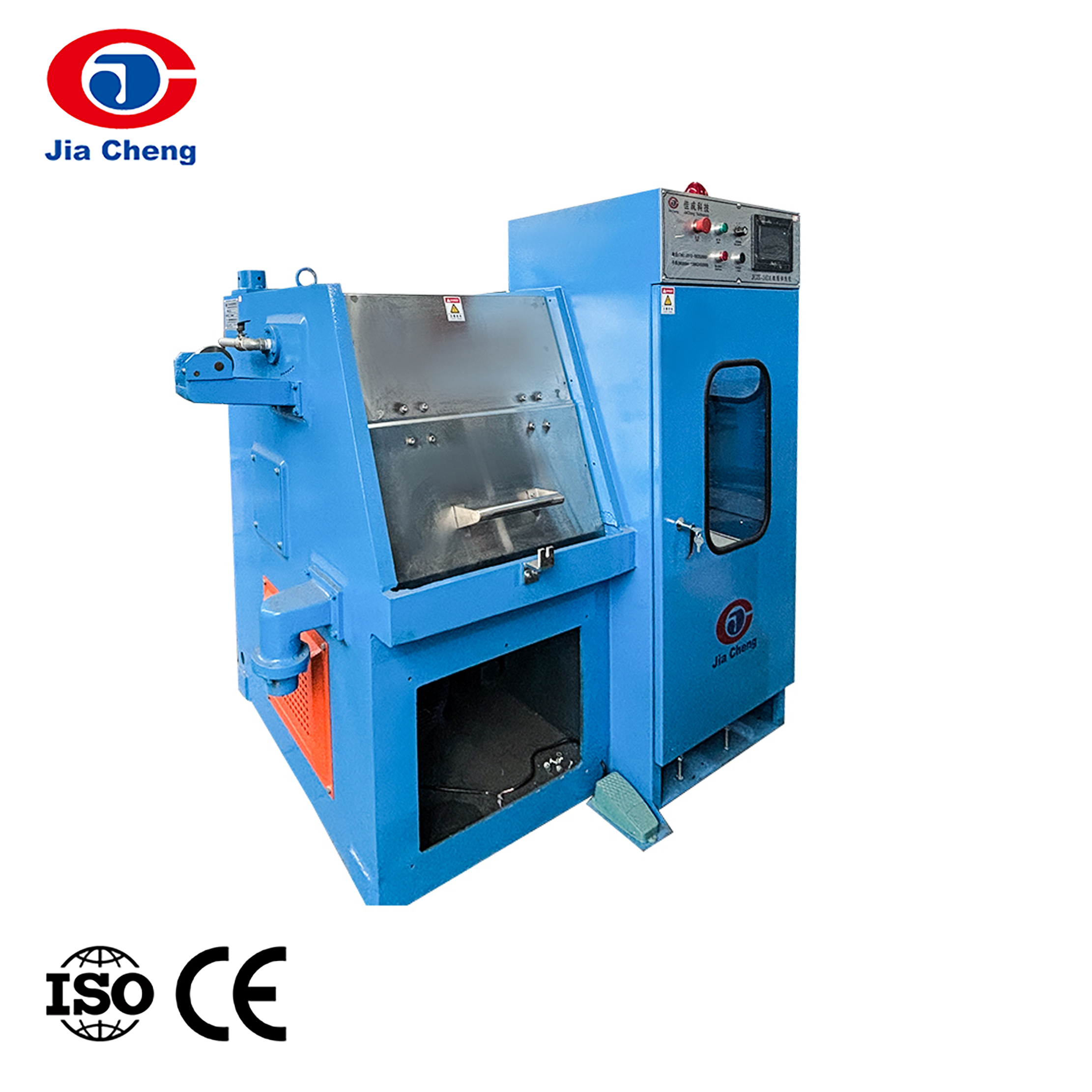
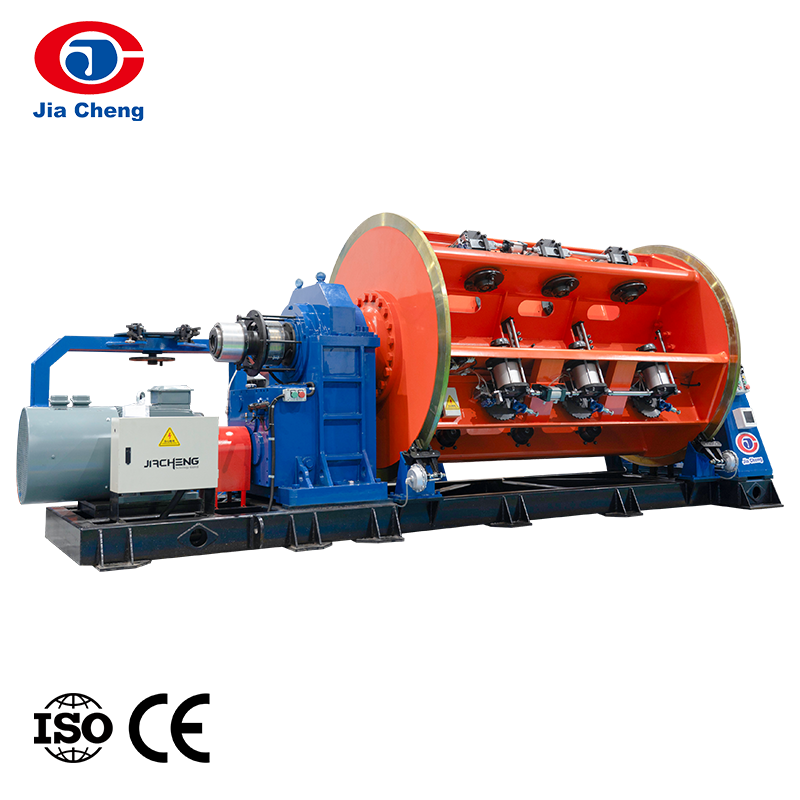
Typical Technical Parameters
High-speed configuration parameters vary by machine type, but generally represent the upper end of the speed range for each equipment category, requiring correspondingly more robust mechanical and control specifications. The table below gives typical high-speed configuration parameters across common machine types.
| Machine Type | Standard Speed Range | High-Speed Configuration | Key Differences |
| Fine Wire Drawing Machine | up to 10-15 m/s | up to 20-25 m/s | Reinforced capstans, precision tension control |
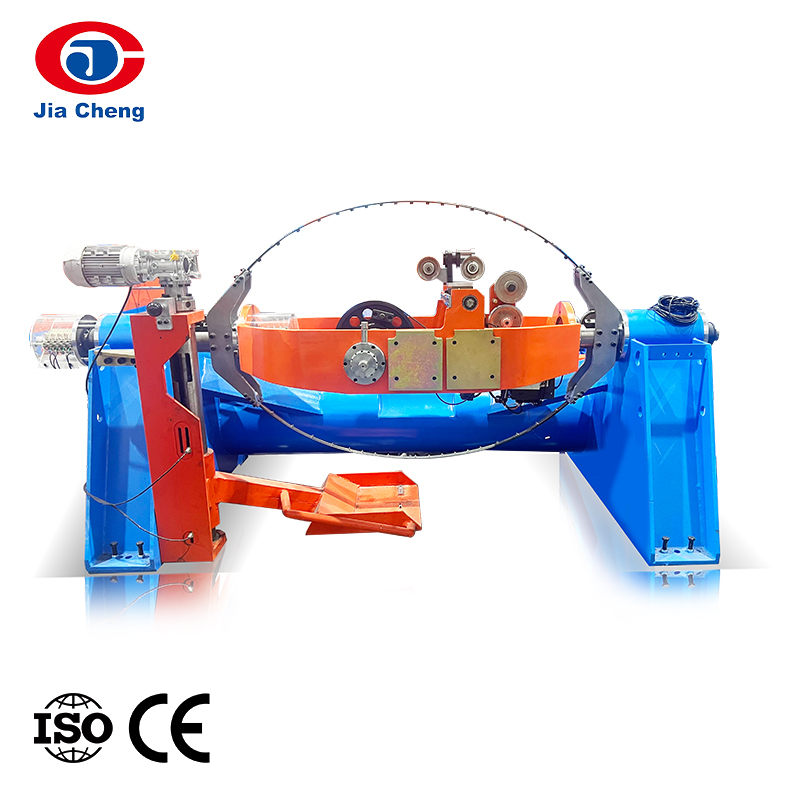
| Double Twist Bunching Machine | up to 1000-1500 rpm | up to 2000-2500+ rpm | Dynamically balanced rotating assembly, upgraded bearings |
| PVC Extrusion Line (small gauge) | up to 300-400 m/min | up to 600-800+ m/min | Higher-output extruder, faster diameter gauge response |
Because higher speed generally makes dimensional and quality consistency harder to maintain, the "high-speed" designation for a given machine reflects a genuinely different engineering specification, not just a faster motor bolted onto a standard design. Share your target output volume and product, and we will confirm whether a high-speed configuration is the right investment for your situation.
We are glad to walk through how these parameter ranges compare to a related feature or machine type you may already be evaluating elsewhere on our site, since many buyers end up comparing more than one configuration before finalizing a purchase decision. If your target requirement falls between two of the ranges shown here, or requires a combination not directly reflected in the table above, share the details and we will confirm a configuration matched specifically to your case rather than asking you to round up to the nearest standard option. We would also rather flag a genuine limitation in what High-Speed Wire and Cable Machine equipment can reliably achieve early in the conversation than let a mismatched expectation carry through to a formal quotation and cause disappointment later.
Matching Equipment to Your Product Line
High-speed equipment is not automatically the right choice for every buyer — it makes the most economic sense for high-volume, relatively standardized products where the additional throughput translates directly into meaningful cost savings, and less sense for lower-volume or highly specialized products where speed is not the limiting factor on your business.
We start by understanding your target product, current or planned output volume, and how speed factors into your overall cost structure and competitive position. For genuinely high-volume building wire or common cable gauges, the additional investment in high-speed equipment often pays back through reduced cost per unit within a reasonable timeframe. For lower-volume or specialty products, a standard-speed machine with better quality consistency at that speed may be the more sensible choice.
If you can share your target product and realistic volume expectations, we can help you evaluate whether high-speed equipment makes sense for your situation, and we would rather give you an honest assessment, even if it means recommending a standard-speed machine, than sell you capacity you do not need.
This matching process usually takes a short back-and-forth rather than a single exchange, since buyers often refine their target requirement once they see the trade-offs involved in different High-Speed Wire and Cable Machine configurations. We treat this as a normal, expected part of specifying equipment correctly, and would rather spend extra time confirming the right match up front than have a buyer discover a mismatch only after equipment has already been ordered and shipped. If you already have a detailed requirement document from your own internal team or a regulatory standard you need to meet, sending it to us directly is often the fastest way to get an accurate, well-matched proposal, since it removes ambiguity from the technical discussion and lets our engineers respond with specifics rather than general ranges.
Quality Control and Certification
The central quality challenge for high-speed equipment is maintaining dimensional and process consistency at speed, since many quality issues that are manageable at lower speeds (minor tension fluctuation, slight temperature variation) become more pronounced and harder to correct as speed increases. Our quality process for high-speed equipment specifically tests performance at the machine's rated top speed, not just at a slower, easier-to-achieve test speed.
High-speed drawing and bunching machines are tested for tension stability and dimensional consistency across extended runs at full rated speed, and high-speed extrusion lines are tested for diameter and wall thickness consistency at their target output rate, since these factors are most likely to reveal any gap between a machine's rated speed and its practical, sustainable operating speed.
We use PLC and drive components from recognized international brands for the more demanding control requirements high-speed operation involves. If your target market requires finished product meeting a specific standard even at high production speed, share that with us during quotation so we can confirm our high-speed configuration maintains the necessary process consistency to meet it.
We document every quality check performed during manufacturing and testing so the records travel with the High-Speed Wire and Cable Machine you purchase, giving your own quality team a documented baseline to reference once the equipment is running in your facility. If your organization has an internal supplier qualification or quality audit process, we are glad to provide additional documentation or answer specific questions as part of that process, rather than only offering our standard test report. We would rather be transparent about exactly what has and has not been verified before shipment than leave you to assume a broader scope of testing than was actually performed, since that kind of misunderstanding tends to surface at the worst possible time, once the equipment is already installed and running.
Frequently Asked Questions
Q: Is a high-speed machine always the better choice?
A: Not necessarily; it depends on your target product and volume. For lower-volume or specialty products, a standard-speed machine may offer better value; we can help you evaluate this for your specific situation.
Q: How much faster is a high-speed machine compared to a standard configuration?
A: This varies by machine type, but typically 30-70% faster than a standard configuration of the same basic machine type; specific figures depend on the exact model and product being processed.
Q: Does higher speed mean lower quality?
A: Not if the machine is genuinely engineered for high-speed operation; a properly designed high-speed machine maintains dimensional and process consistency at its rated speed, though this requires more precise components than a standard-speed machine.
Q: Can I run a high-speed machine at a lower speed if needed?
A: Yes, high-speed machines can typically run at lower speeds as well, giving you flexibility, though this means paying for capacity you are not always using.
Q: How much more maintenance does a high-speed machine require?
A: Generally more frequent than a standard-speed machine, given the increased mechanical stress of sustained high-speed operation; we can advise on a realistic maintenance schedule for your specific machine.
If your question about High-Speed Wire and Cable Machine is not answered here, reach out directly with your specific situation rather than assuming a general answer applies to your case; because equipment specification depends so heavily on your exact target machine, application, and requirement, many of the most useful answers are specific to your project rather than universal. We would rather take the time to answer a specific question accurately, even if that means asking you a few clarifying questions first, than give a generic response that sounds complete but does not actually apply to what you are trying to build or the standard you need to meet.
Price Range and Quotation Process
High-speed equipment typically carries a meaningful price premium over a standard-speed machine of the same basic type, reflecting the more precise components, reinforced construction, and more extensive testing required to reliably sustain higher operating speeds. The exact premium depends on the specific machine type and how much faster the high-speed configuration runs relative to standard.
To prepare a quotation, we typically need your target machine type, target output volume, and target product specification. With this information we can confirm whether a high-speed configuration is warranted for your volume and provide pricing for both standard and high-speed options so you can compare the investment against your expected output gain.
If you are trying to determine whether the high-speed premium pays back within a reasonable timeframe for your situation, we are glad to walk through a rough payback calculation based on your target volume and typical cost savings from increased throughput.
We recognize that different buyers are at different stages of planning, from early budget research to a final purchasing decision, and we are happy to provide a general pricing indication for High-Speed Wire and Cable Machine even before you have finalized every technical detail, so you can gauge whether this feature fits your overall project budget before investing more time in a detailed specification. If your budget research is still at an early stage, say so directly and we will tailor the level of detail in our response accordingly, rather than pushing for a full technical exchange before you are ready to have that conversation. We are also glad to break pricing into clear components so you can see exactly what each feature adds to the total.