Language
 中文简体
中文简体 English
 عربى
عربى русский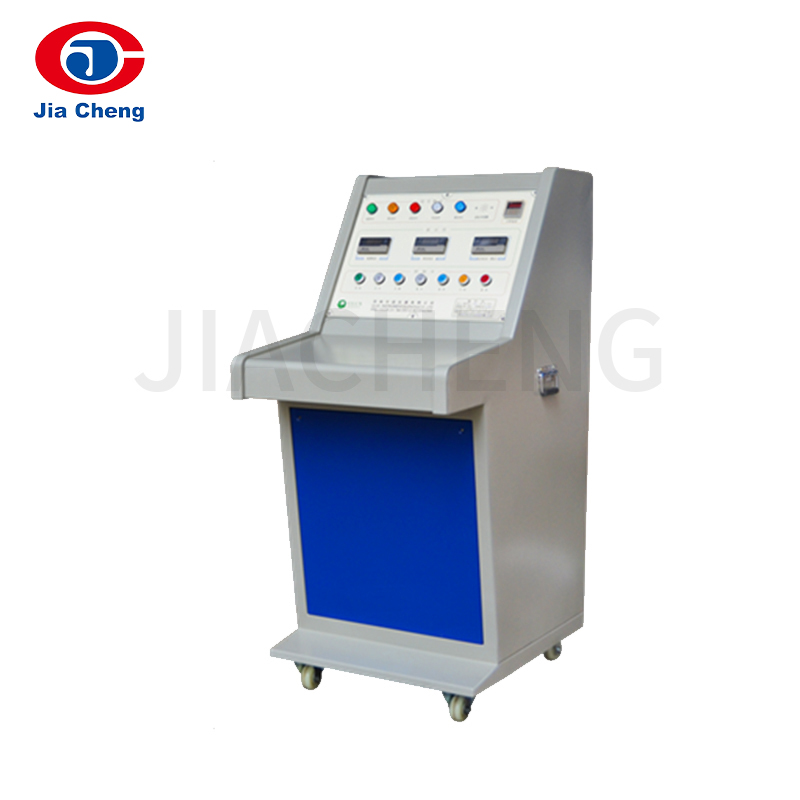
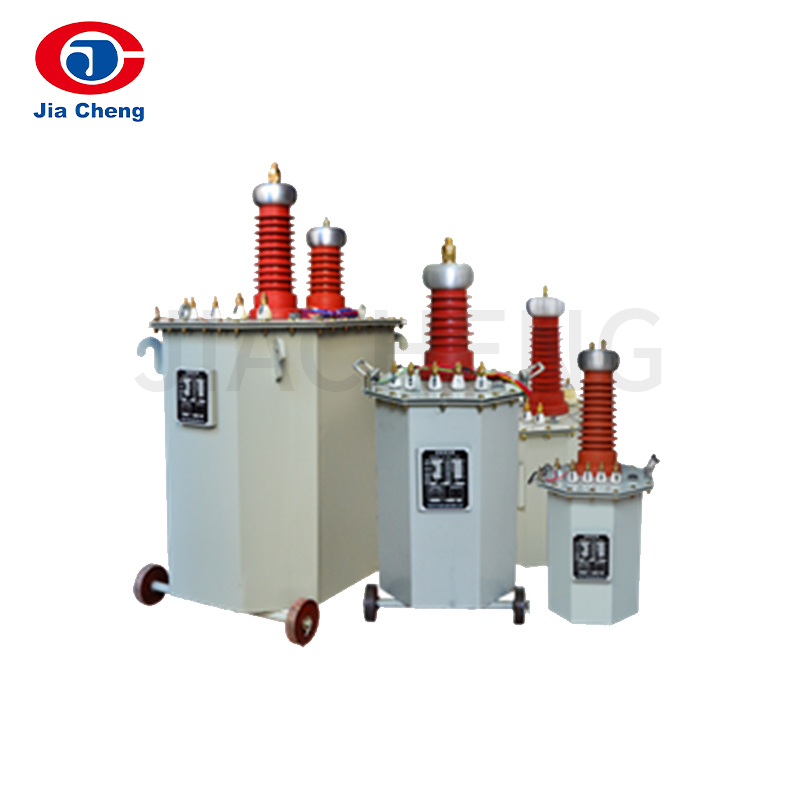
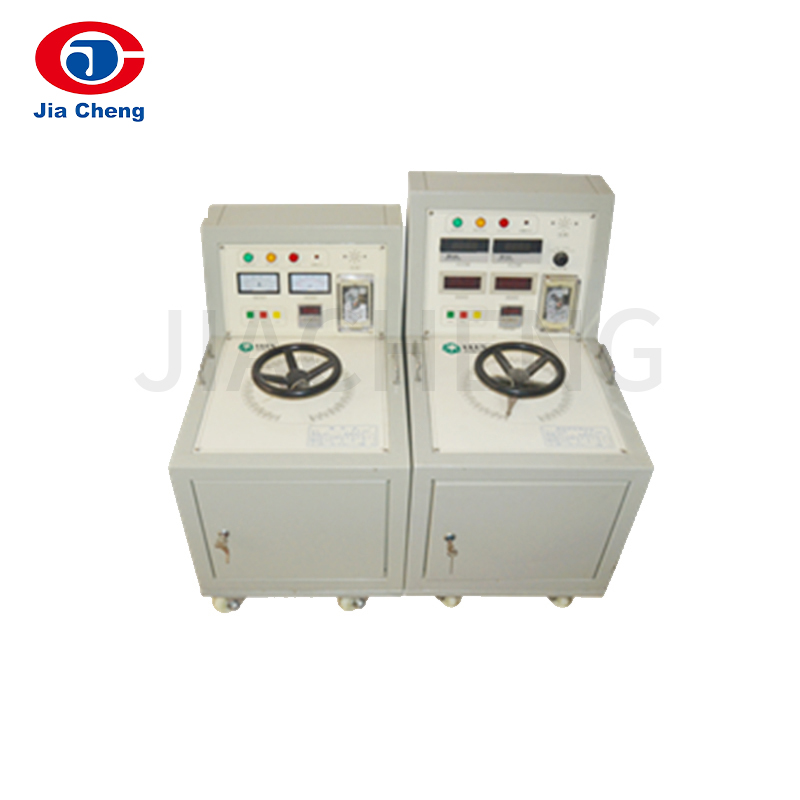
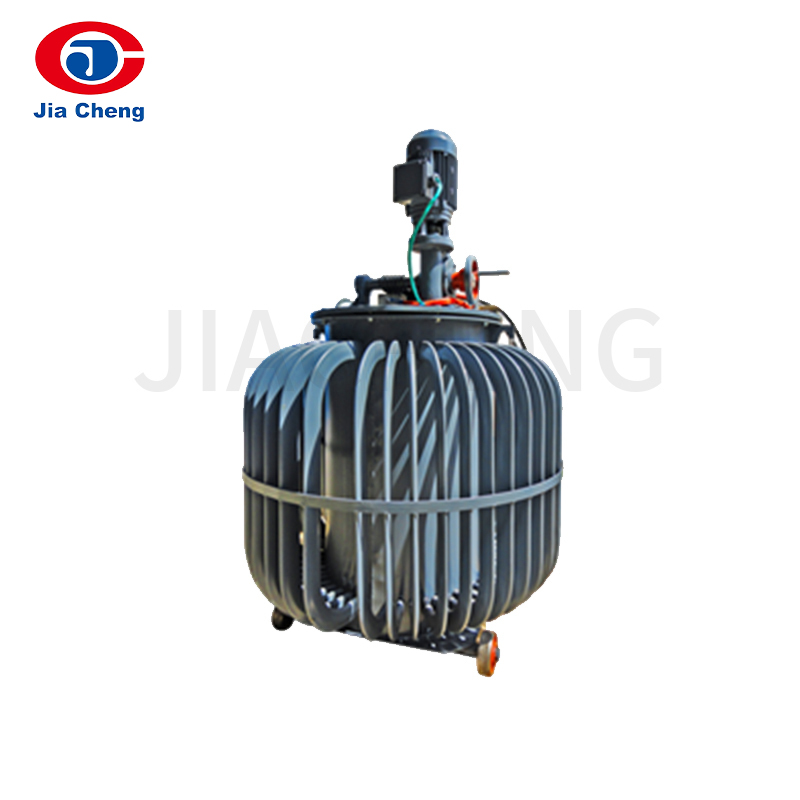

YN62026 AC High Voltage Withstand Testing Machine
By applying a specified AC high voltage to wires and cables, the insulation structure can withstand the corresponding voltage without insulation damage such as breakdown or flashover, ensuring that the product meets relevant standards and safety requirements.
Product Overview
The YN62026 AC High-Voltage Withstand Tester is specialized equipment designed to test the dielectric strength of wire and cable insulation. By applying a specified high-voltage AC to the wire or cable, the device verifies that the insulation structure does not suffer breakdown, flashover, or other forms of insulation failure at the test voltage, thereby ensuring compliance with relevant standards and safety regulations. As a core piece of equipment for factory acceptance testing and type testing, it serves as a crucial final line of defense in guaranteeing the safe and reliable operation of cable products.
Why is the AC withstand test critical?
Wires and cables play a vital role in energy and information transmission within power systems and communication networks; the reliability of their insulation systems is directly linked to the operational safety of the entire system. In actual service, cables must not only withstand continuous operating voltages but are also inevitably subjected to transient high-voltage surges, such as those caused by switching operations or lightning strikes.
The AC withstand test evaluates the insulation system's resilience by applying an AC voltage significantly higher than the rated operating voltage. Its significance lies in:
Detecting insulation defects: Effectively revealing localized flaws—such as air bubbles, impurities, cracks, or moisture—within the insulation material that are difficult to detect during routine inspections;
Verifying insulation margins: Confirming that the insulation structure and thickness provide an adequate safety margin;
Assessing manufacturing quality: Checking the effectiveness of process controls during critical stages such as insulation extrusion, cross-linking, and sheathing;
Ensuring operational safety: Guaranteeing that the product will not experience insulation breakdown under extreme voltage conditions, thereby preventing serious safety incidents such as short circuits, fires, or electric shocks.
This test is a mandatory requirement under numerous domestic and international standards—including GB/T 3048.8, IEC 60245, IEC 60227, and UL 1581—and serves as a key criterion for product certification and factory release. Key Features and Technical Advantages
Stable and Reliable High-Voltage Output
Ample Output Capacity: The equipment offers sufficient output capacity (standard ratings include 3kVA, 5kVA, 10kVA, etc., with customization available upon request) to provide a stable high-voltage supply, meeting testing needs ranging from fine electronic wires to large-cross-section power cables;
Wide Output Voltage Range: Adjustable output voltage ranges cover specifications such as 0–5kV, 0–10kV, and 0–15kV, satisfying testing requirements across various voltage levels and standards;
Pure Waveform: The high-voltage output features a sinusoidal waveform with minimal distortion; testing conditions strictly adhere to standards, preventing erroneous results caused by harmonic interference;
Excellent Voltage Stability: Advanced voltage regulation technology ensures the output voltage remains stable despite fluctuations in the power supply or changes in load, guaranteeing the accuracy and repeatability of test results.
Precise Breakdown and Flashover Detection
High-Sensitivity Overcurrent Protection: Equipped with precision overcurrent detection circuitry, the system rapidly cuts off the high-voltage output the instant a breakdown or flashover occurs (with millisecond-level response), preventing fault currents from causing secondary damage to the equipment or the test sample;
Configurable Breakdown Current: The breakdown detection current threshold can be flexibly set according to specific standards and product requirements (typically offering selectable levels such as 5mA, 10mA, 20mA, etc.);
Audible and Visual Alarms: Immediate audible and visual alarms are triggered upon breakdown, clearly alerting operators to take appropriate action. Comprehensive Multi-Layer Safety Protection System
Safety is the top priority in high-voltage testing; this equipment incorporates a multi-layered safety protection system spanning both hardware and software:
Emergency Stop Button: Prominently located on the panel, allowing for the immediate cutoff of all power inputs in an emergency to ensure physical power disconnection;
Door Interlock Protection: Automatically cuts off high-voltage output when the test chamber door is opened, preventing accidental contact with high-voltage components;
Automatic Discharge via Discharge Rod: Upon test completion, the equipment automatically discharges the specimen and circuit using a high-voltage discharge rod, ensuring no residual charge remains before operator contact;
Over-current/Over-voltage/Over-temperature Protection: Features comprehensive self-diagnosis capabilities, automatically halting operation and issuing alerts in the event of an anomaly;
Grounding Protection: The equipment chassis is reliably grounded to ensure operator safety under all conditions.
Clear and Intuitive User Interface
Large-Screen LCD Display: Real-time display of key parameters—such as set voltage, measured voltage, leakage current, and test duration—for at-a-glance monitoring;
Digital Dial or Touchscreen Settings: Parameters such as voltage, duration, and breakdown current can be set precisely via digital controls, ensuring ease of use;
Automatic Test Result Evaluation: The equipment automatically evaluates results (PASS/FAIL) based on preset criteria, minimizing human error;
Test Data Storage: Capable of storing multiple sets of test parameters and results to facilitate quality traceability (optional feature).
Flexible and Diverse Test Modes
Manual Test Mode: Operators manually control voltage ramping (up/down) and start/stop functions; suitable for R&D debugging and small-batch testing;
Automatic Test Mode: One-touch start after parameter configuration; the equipment automatically executes the full sequence—ramp up, hold, and ramp down—making it ideal for high-volume production line testing;
Timed and Continuous Testing: Supports preset hold times (e.g., 1 min, 5 min) as well as a continuous testing mode. Robust and Safe Test Structure
Fully enclosed high-voltage section design: Components such as the high-voltage transformer and step-up unit are fully integrated or encapsulated within the high-voltage test chamber to prevent high-voltage exposure;
Excellent insulation performance: The test chamber and test fixtures are constructed from high-strength insulating materials, ensuring zero leakage during high-voltage operation;
Convenient sample connection: Equipped with a variety of specialized test fixtures and connection terminals to accommodate wire and cable samples of various specifications and termination types.
Applicable Test Standards
This equipment fully complies with the technical requirements for AC withstand voltage testing specified in the following standards:
GB/T 3048.8-2007 "Test methods for electrical properties of electric cables and wires — Part 8: AC voltage test"
GB/T 5023.2-2008 "Polyvinyl chloride insulated cables of rated voltages up to and including 450/750 V — Part 2: Test methods"
GB/T 5013.2-2008 "Rubber insulated cables of rated voltages up to and including 450/750 V — Part 2: Test methods"
IEC 60245-2, IEC 60227-2 (Corresponding international standards)
UL 1581 (US UL standard — reference sections)
GB/T 12706 Standards for Medium/High-Voltage Power Cables
Typical Test Procedure
Sample Preparation: Obtain a suitable length of the finished cable (typically 5m–10m) and prepare the conductor ends to ensure good electrical contact;
Sample Connection: Connect the high-voltage output terminal to the cable conductor (or core). Wrap the outer insulation surface with a conductive layer (such as water, conductive cloth, or metal foil) and ground it, or directly immerse the cable in water (using the water as the ground electrode);
Parameter Setting: Set the test voltage (e.g., 2.5kV, 3.5kV) and hold time (typically 1 min or 5 min) according to the relevant standards, and set the current threshold for detecting breakdown;
Voltage Ramp-up Test: Start the equipment and increase the voltage uniformly to the set value at the rate required by the standard (typically approx. 500V/s), maintaining the voltage for the specified duration;
Observation and Judgment: Closely monitor leakage current fluctuations during the hold period. If the leakage current remains below the threshold and no breakdown or flashover occurs, the result is "PASS." If breakdown, flashover, or excessive leakage current occurs, the result is "FAIL," and the equipment automatically cuts off the high voltage and triggers an alarm;
Discharge and Removal: The equipment automatically discharges after the test. Once discharge is confirmed complete, remove the sample and record the test results.
Application Areas
Wire and Cable Manufacturers: Used for factory-acceptance withstand voltage testing and type testing of various power cables, control cables, communication cables, electronic wires, automotive wires, etc.;
Home Appliance/Electronics Companies: Used for incoming material inspection and finished product safety testing of power cords and internal connecting wires;
Quality Inspection and Certification Laboratories: Used for withstand voltage testing required for CCC, UL, VDE, and TÜV certifications;
Electric Power Engineering Companies: Used for preventive testing and handover acceptance testing of in-service cables;
Research Institutions and Universities: Used for studying the breakdown characteristics of insulating materials, verifying cable structural designs, etc.
Recommended Product Pairing
To establish a comprehensive testing platform for the electrical performance of wires and cables, it is recommended to use the YN62026 AC High-Voltage Withstand Tester in conjunction with the following equipment:
YN42024 Constant-Temperature Water Bath: For hot-state immersion treatment prior to insulation resistance testing;
ZC-90 Insulation Resistance Tester: For measuring insulation resistance and volume resistivity;
YN42043 Hot Elongation Test Apparatus: For evaluating the material's resistance to deformation at high temperatures;
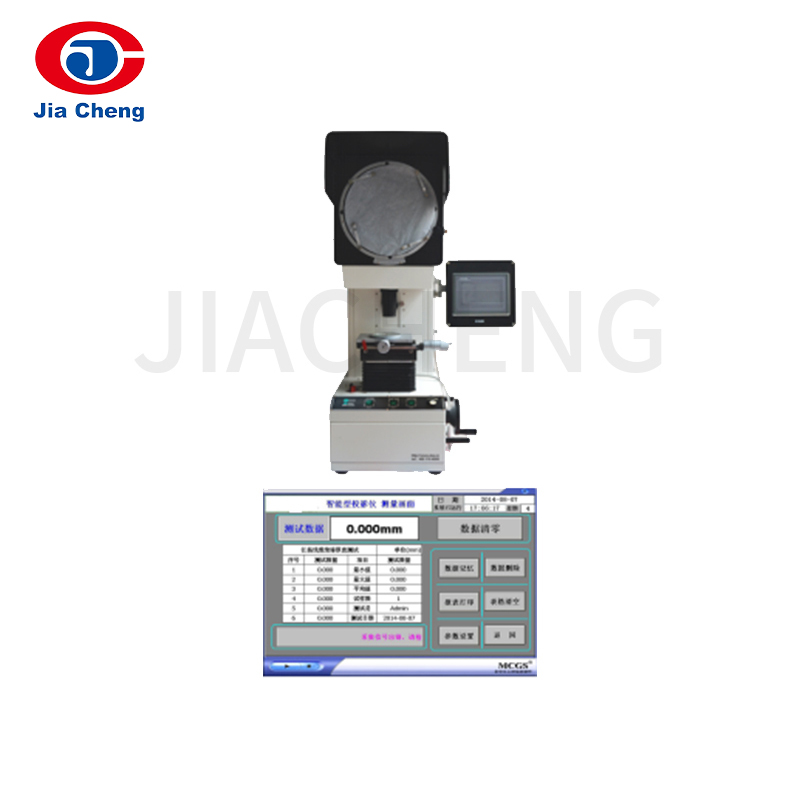
YN31118 Intelligent Cable Profile Projector: For precision measurement of specimen dimensions.