Language
 中文简体
中文简体 English
 عربى
عربى русский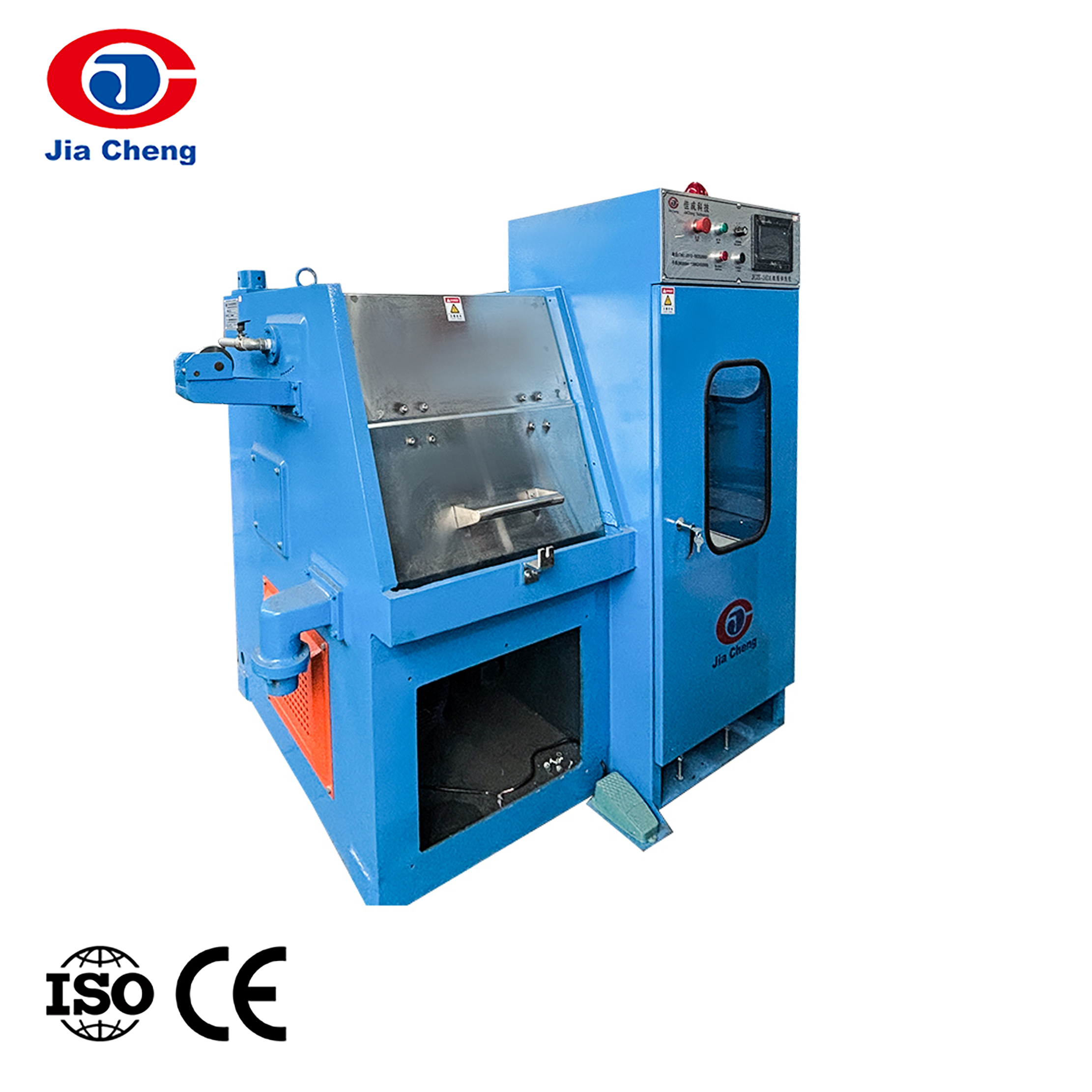
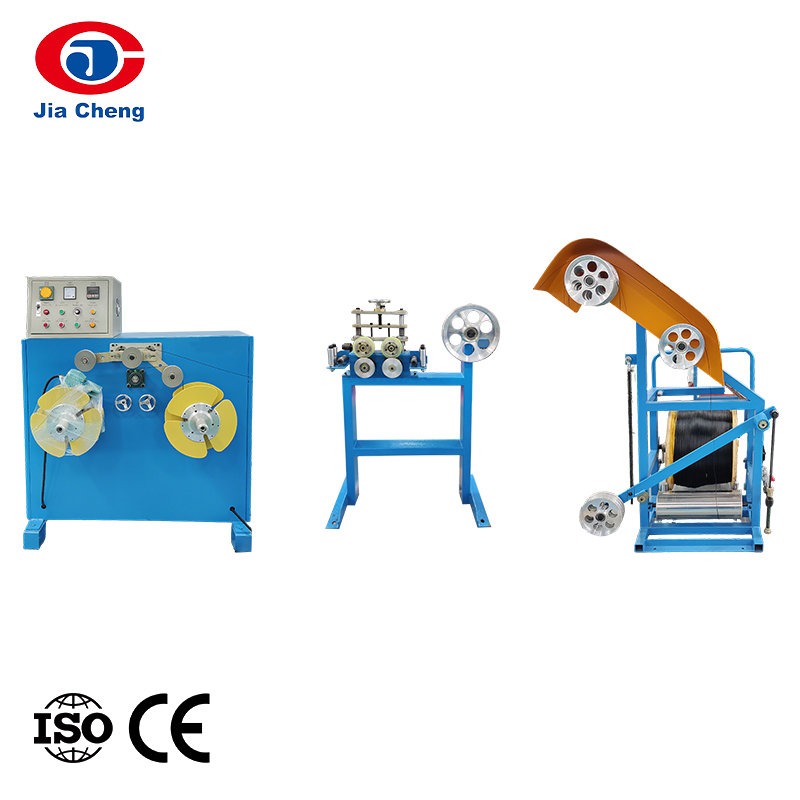
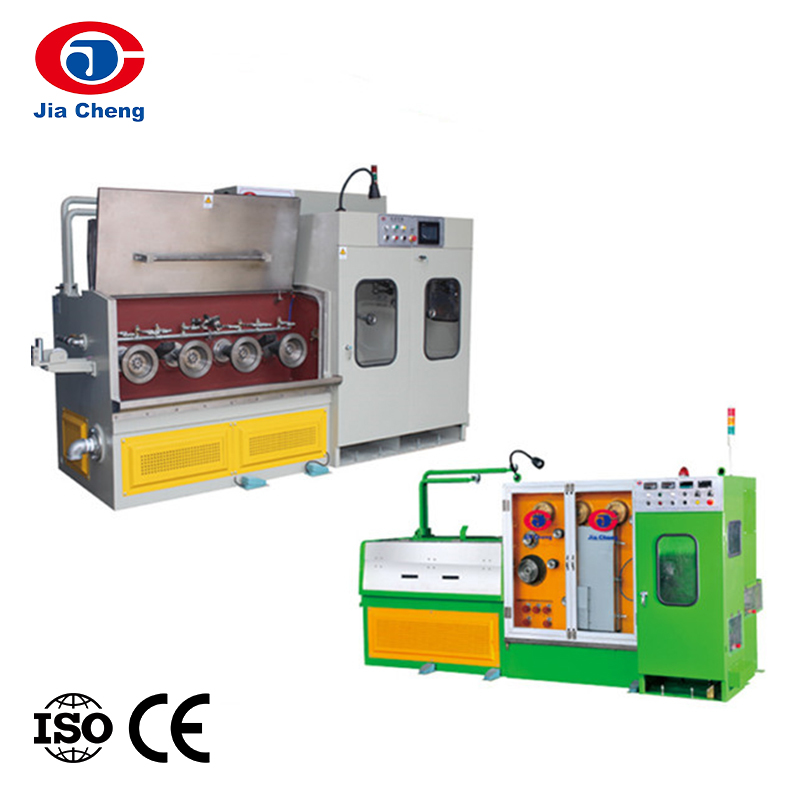
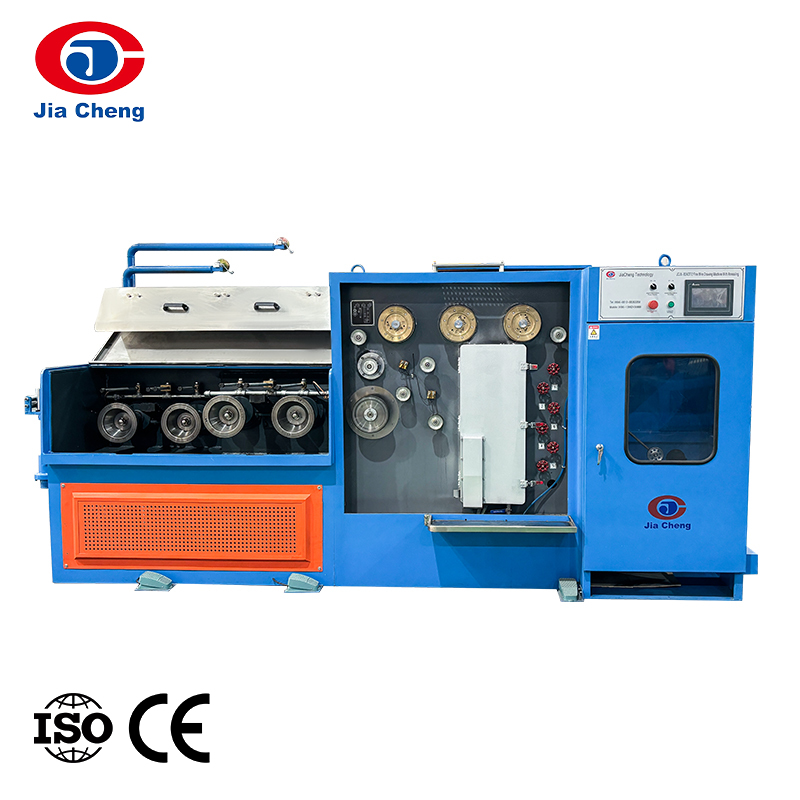
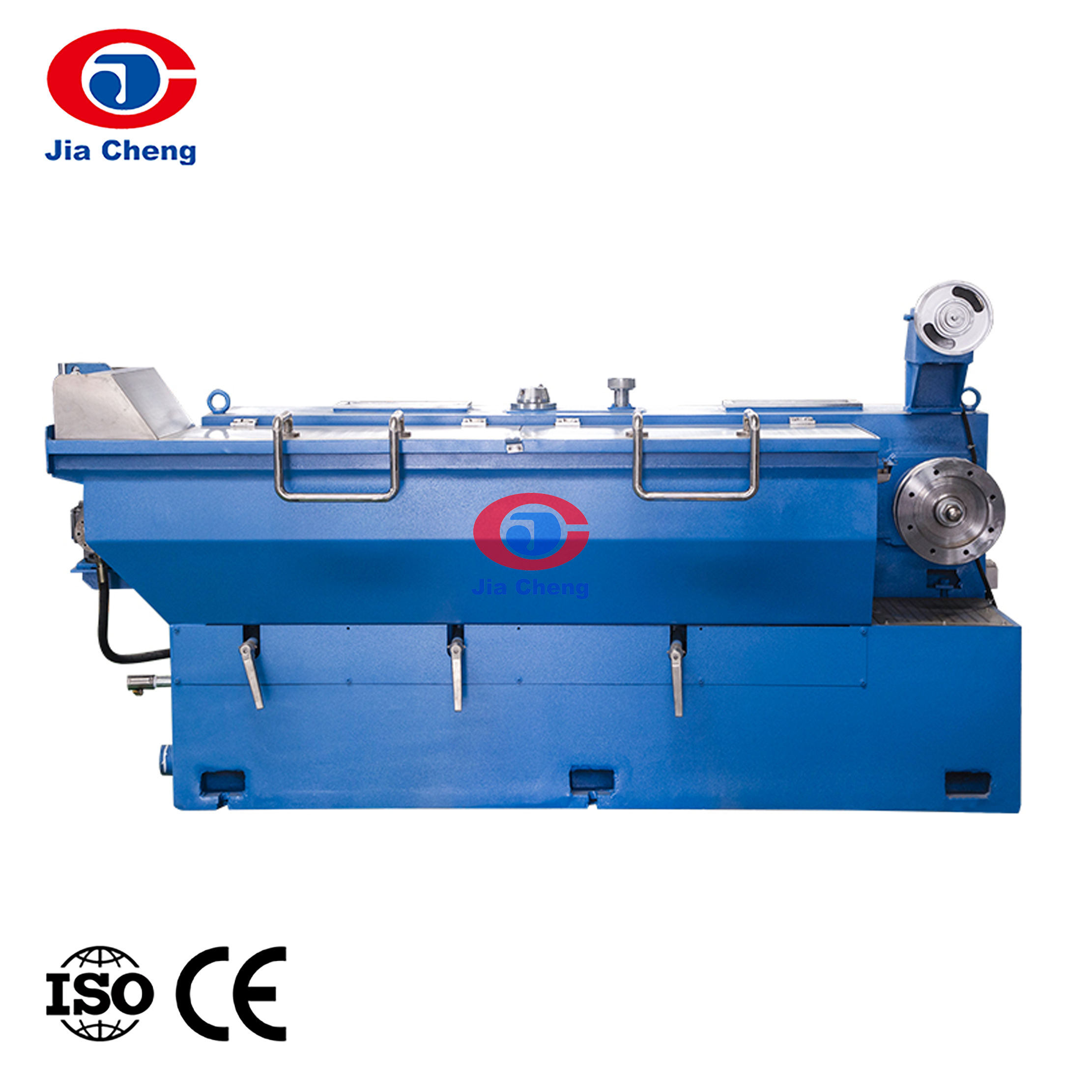
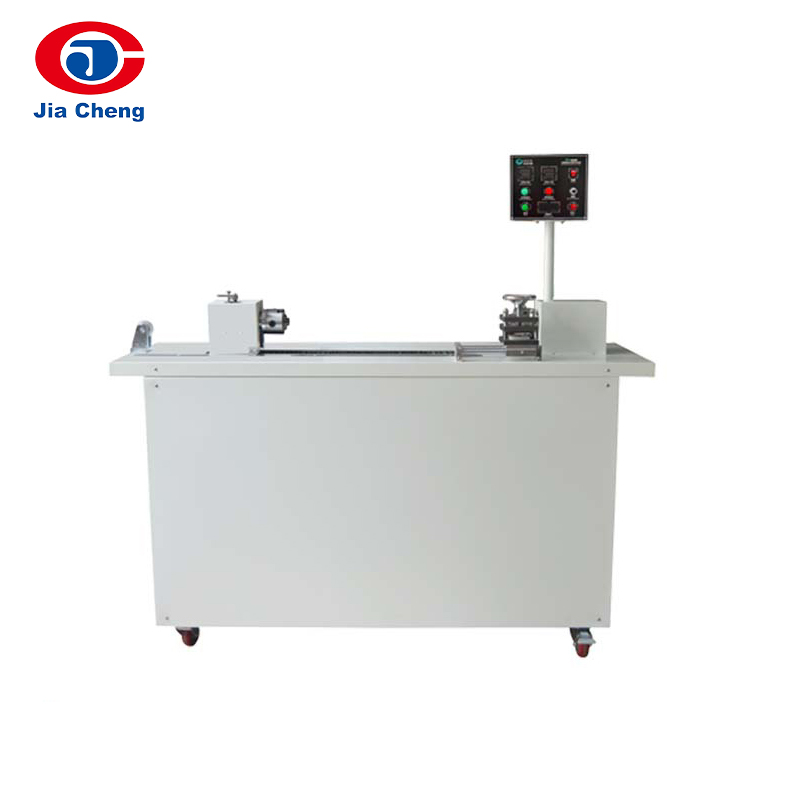
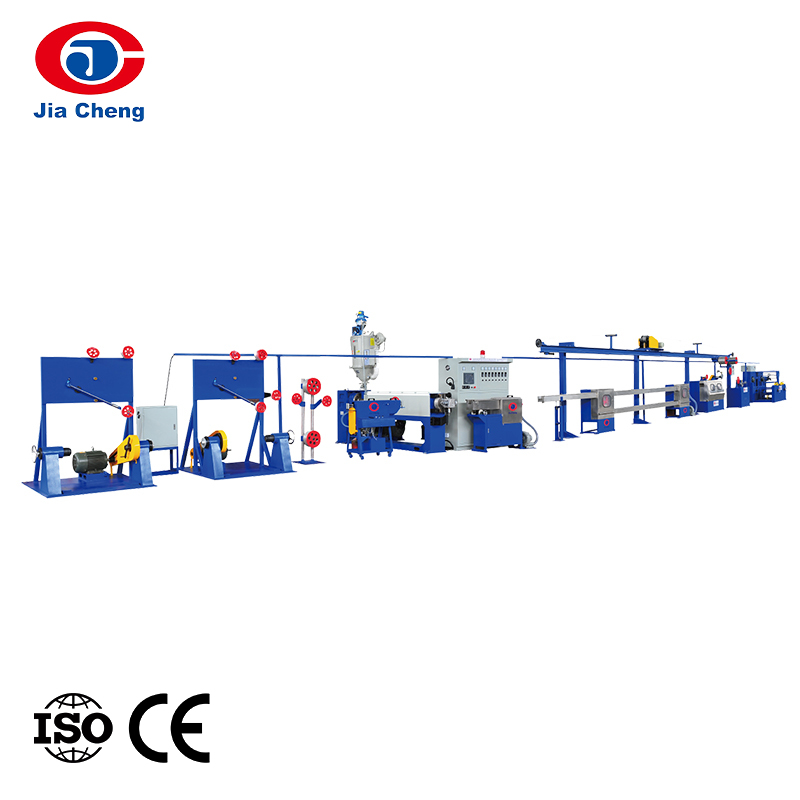
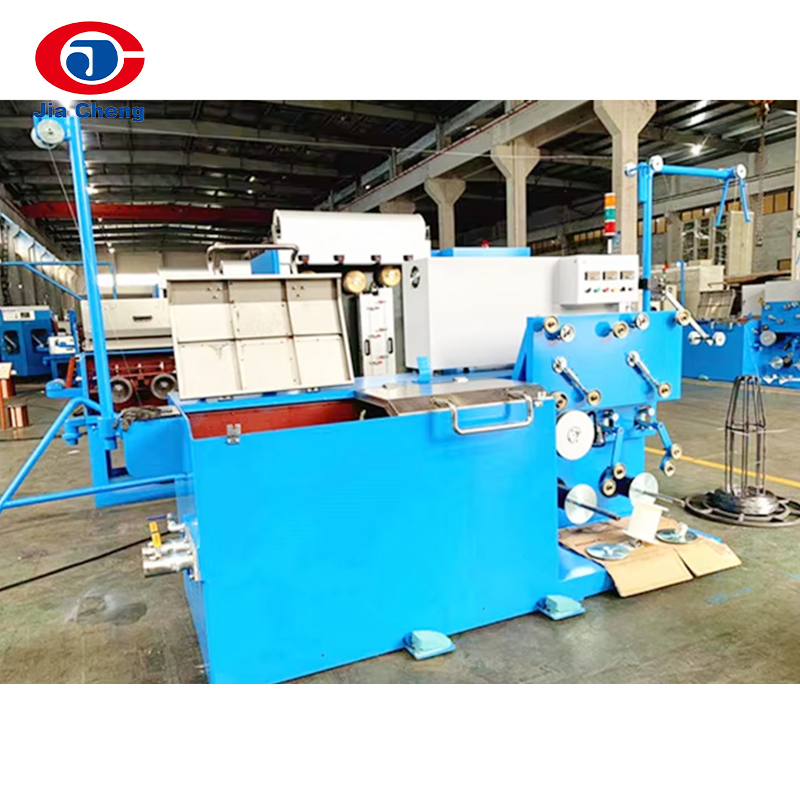
Typical Technical Parameters
Automotive wire equipment is generally optimized for fine gauge precision and thin, consistent insulation walls rather than for maximum throughput, since the wire is feeding a downstream process (harness cutting and termination) that is sensitive to dimensional variation. The table below gives typical parameter ranges; exact figures depend on your specific gauge, whether the conductor is tinned, and your target insulation material.
| Machine Type | Typical Product Range | Max Line Speed | Drive & Control | Typical Motor Power |
| Fine Wire Drawing Machine | 1.0mm down to 0.05mm copper wire | up to 10-18 m/s | AC motor, PLC touch screen | 5.5-22 kW |
| Offline Annealing & Tin-Coating Machine | fine to medium gauge bare or tinned copper | process-speed dependent, typically 3-8 m/s | PLC-controlled temperature & speed | 15-45 kW |
| Fine-Strand Bunching Machine | 7 to 40+ fine strands | up to 2000+ rpm spindle speed | HMI, automatic tension control | 5.5-15 kW |
| Thin-Wall Small-Diameter Extrusion Line | 0.13-2.5 mm2 automotive wire, thin wall | up to 200-400 m/min | PLC + HMI, precision diameter gauge control | 15-45 kW |
For this category we usually discuss wall thickness tolerance and eccentricity control in detail during the technical stage, since these two factors have the biggest effect on downstream harness processing quality, more so than top line speed. If you can share your target automotive wire specification (conductor size, tinned or bare, insulation material and thickness), we will confirm which machine configuration actually meets that tolerance rather than just the closest standard model.
Where a program calls for tolerances tighter than our standard configuration, we discuss upgraded gauge sensors, finer die sets, or additional in-line inspection as options, and are direct about the added cost and lead time each option involves, rather than quietly assuming a standard machine will be "close enough" for a demanding specification.
Matching Equipment to Your Wire Program
Automotive wire buyers usually come to us with a fairly specific target already defined — a customer or OEM specification calling for a particular gauge, conductor construction (solid or fine-stranded, bare or tinned), insulation material, and color set for circuit identification. Our job is to translate that specification into the right combination of drawing, annealing/tinning, bunching, and extrusion equipment, rather than offering one generic "automotive" machine.
A typical automotive wire line combines a fine wire drawing machine sized to your finest gauge, an offline annealing and tin-coating machine if your program requires tinned conductors (common for corrosion resistance and better solderability at termination), a fine-strand bunching machine if flexibility requirements call for stranded rather than solid conductors, and a thin-wall extrusion line capable of running your required color set for circuit identification. Because automotive programs often specify several wire sizes and colors rather than just one, we also discuss expected changeover frequency between specs, since that affects both machine selection and your production scheduling.
If you are a harness assembler considering bringing wire production in-house rather than continuing to buy finished wire, we can help you evaluate the trade-off realistically — comparing your current landed wire cost and lead time against the equipment investment, expected in-house production cost, and the quality control responsibility that comes with producing to spec yourself. This is a significant decision, and we would rather give you an honest comparison than only make the case for buying equipment.
When the numbers do favor in-house production, we typically recommend starting with your highest-volume gauge and color, proving out consistent quality on that single specification, and expanding to your full product range afterward, rather than trying to bring every wire type in-house in a single first phase.
Quality Control and Certification
Automotive wire has some of the tightest dimensional requirements in the wire and cable industry, because the finished wire feeds directly into a harness assembly and termination process where even small variations in conductor diameter or insulation wall thickness can cause downstream problems — inconsistent crimp quality, connector fit issues, or premature insulation wear. Our quality approach for this equipment category is built specifically around dimensional consistency, not just average performance.
Extrusion lines for automotive wire are equipped with precision diameter gauge control and are tested for wall thickness consistency and concentricity (eccentricity) across the sample run, since automotive specifications typically call for tighter eccentricity tolerances than general building or power wire. Annealing and tin-coating equipment is tested for uniform tin coverage and consistent annealing temperature across the wire, since inconsistent annealing can affect the wire's flexibility and fatigue resistance in the finished harness.
We use PLC and drive components from recognized international brands for the control and measurement systems on this equipment, and every machine is test-run with sample material representative of your target gauge and insulation before shipment, with the resulting dimensional data recorded in the test report that accompanies the machine. If your program requires wire to meet a specific OEM or industry specification, share that specification with us during the technical discussion — this primarily affects material selection and process settings on your end, but it also helps us confirm the equipment's control precision is genuinely matched to what your specification requires, rather than assumed to be close enough.
Frequently Asked Questions
Q: Do you supply harness cutting, stripping, or crimping machines as well?
A: This page covers the wire-making equipment (drawing, annealing/tinning, bunching, extrusion) used to produce automotive wire as feedstock. If you also need downstream harness assembly equipment, let us know your requirement and we can advise on scope.
Q: Can your extrusion lines run multiple wire colors for circuit identification?
A: Yes, color changes are handled through the extrusion masterbatch system; we can discuss your required color set and typical changeover time during quotation.
Q: Do you provide tin-coated (tinned) copper wire equipment, or only bare copper?
A: We supply offline annealing and tin-coating equipment for producing tinned copper wire, in addition to standard bare copper wire drawing and annealing equipment.
Q: How tight are the tolerances your equipment can hold?
A: This depends on the specific machine and gauge. Share your target specification (diameter tolerance, wall thickness tolerance, eccentricity requirement) and we will confirm whether our standard configuration meets it or whether a modified configuration is needed.
Q: Can we send you our current wire samples for reference before ordering equipment?
A: Yes, sending current production samples or your target specification sheet is a helpful, common step and lets our engineers propose equipment settings closely matched to your actual requirement rather than a generic configuration.
Q: Is fine-stranded (flexible) wire handled differently from solid wire on your equipment?
A: Yes, fine-stranded conductors require a bunching step before extrusion and typically run at different tension settings than solid wire. Tell us your construction requirement and we will confirm the correct machine sequence for your specification.
Price Range and Quotation Process
Automotive wire equipment pricing depends on the precision level required, the gauge range, whether tin-coating is included, and how many colors or changeover configurations your extrusion line needs to support. Because this equipment generally requires tighter tolerances and more testing than general-purpose wire machinery, it typically sits at a different price point than comparable-looking equipment built to standard building wire tolerances, even when the basic machine type looks similar on paper.
To provide an accurate quotation, we typically need your target gauge range, whether conductors are bare or tinned, whether you need solid or fine-stranded construction, your required insulation material and wall thickness, and your expected color/changeover requirements. With these details, we can usually return a formal quotation with proposed machine configuration, tolerance specification, and lead time within a few business days.
If you are comparing our quotation against buying finished automotive wire from a third-party supplier instead of producing it in-house, we are happy to help you think through that comparison honestly — landed wire cost and lead time versus equipment investment, in-house production cost, and the quality control responsibility of producing to spec yourself — rather than only presenting the case for the equipment purchase.
For buyers proceeding with equipment, we can also structure the quotation to separate the base wire-making line from optional precision upgrades (finer gauge sensors, additional color stations, extra in-line inspection), so you can see clearly what each upgrade adds to both cost and capability before deciding whether it is necessary for your specific program.