Language
 中文简体
中文简体 English
 عربى
عربى русский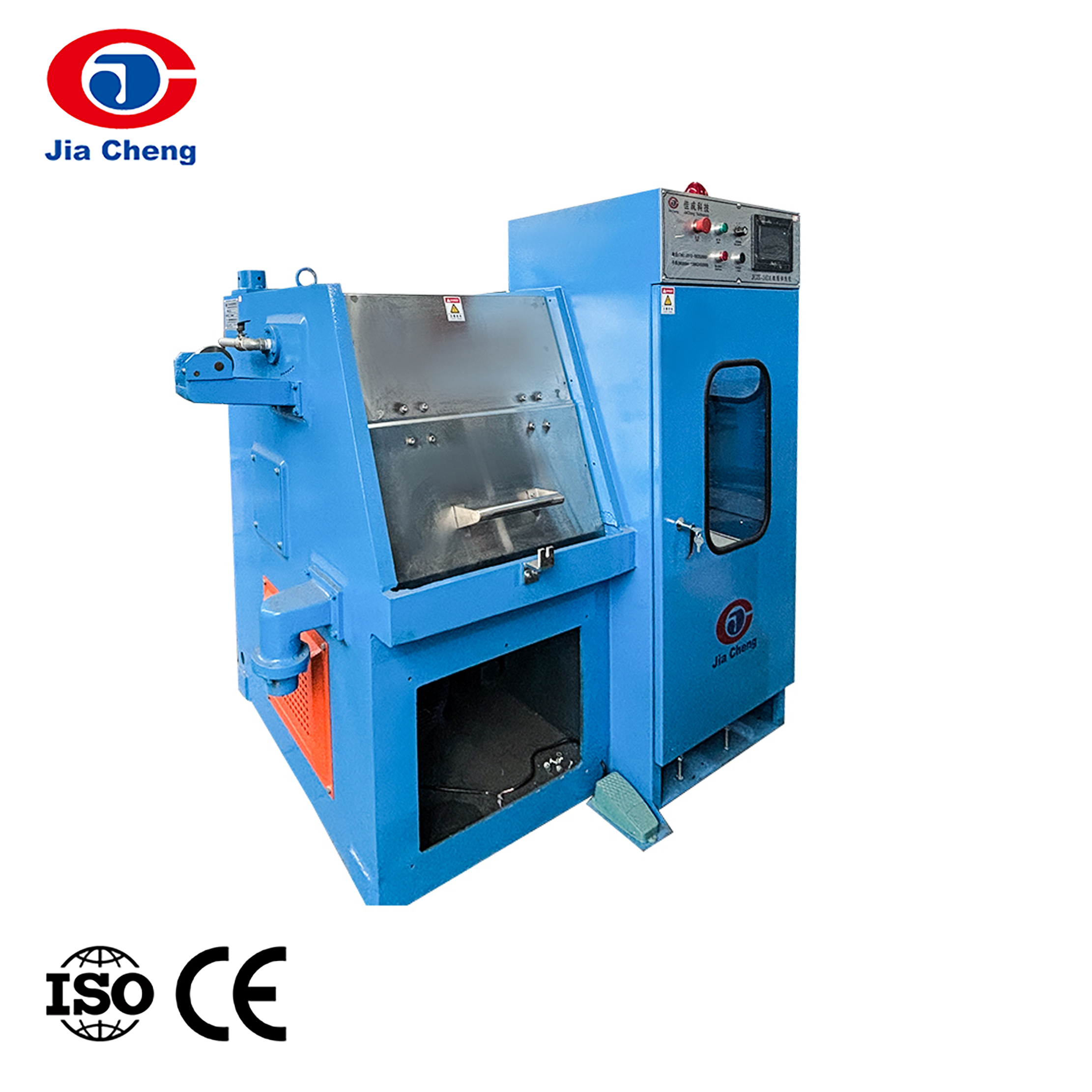
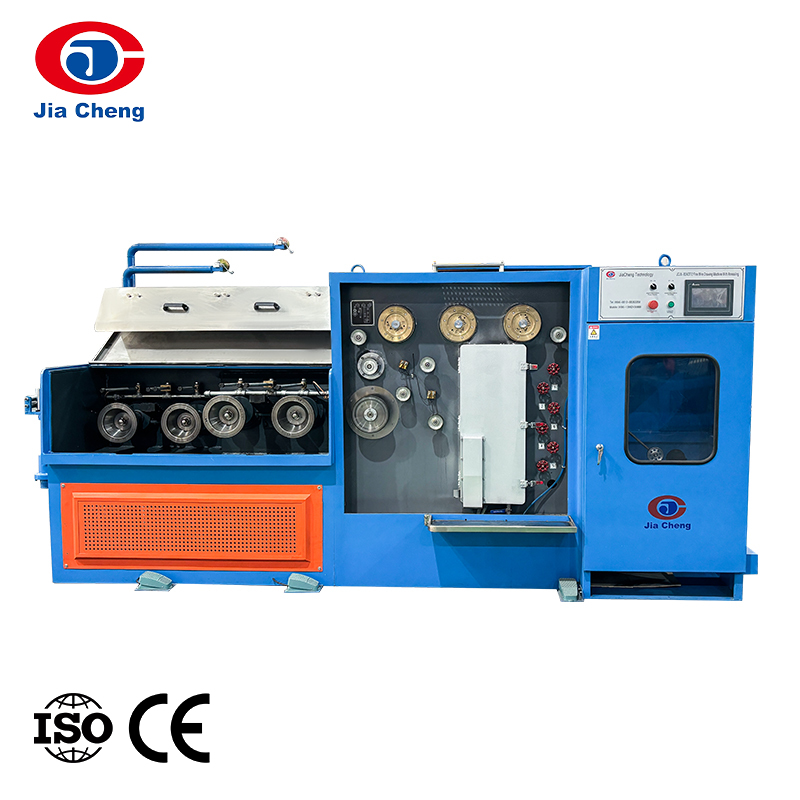
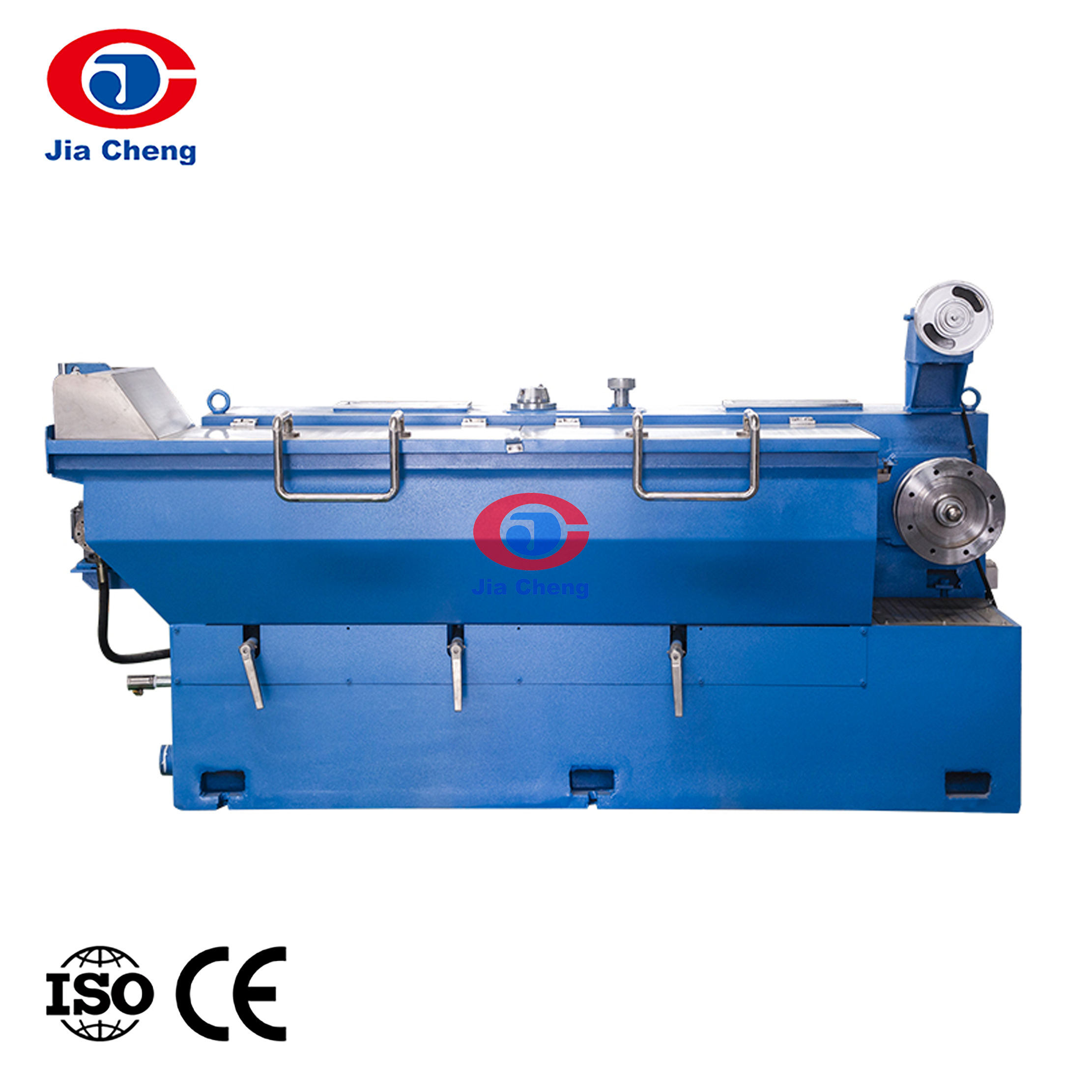
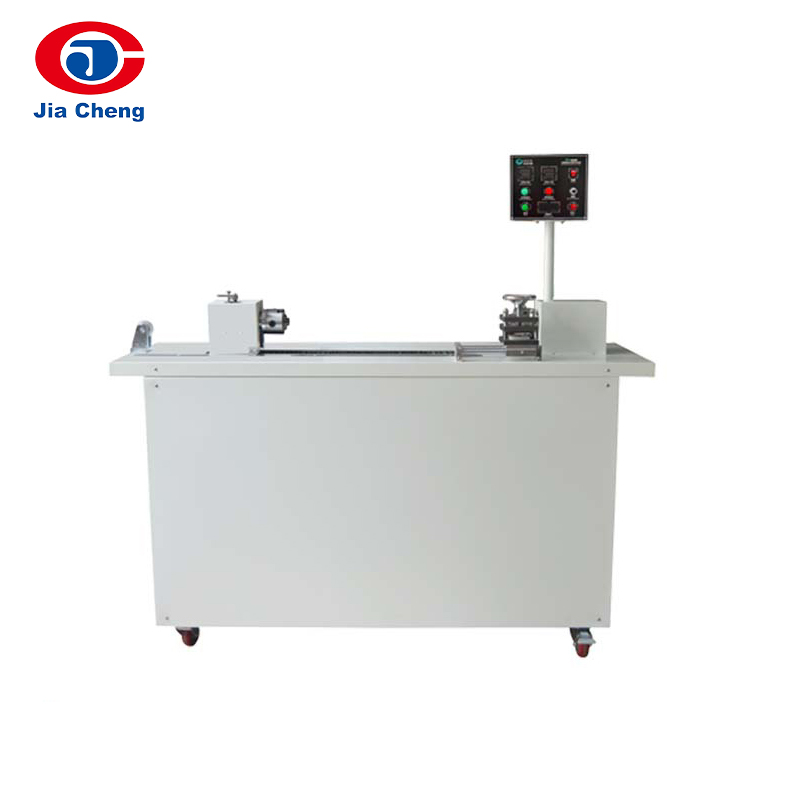
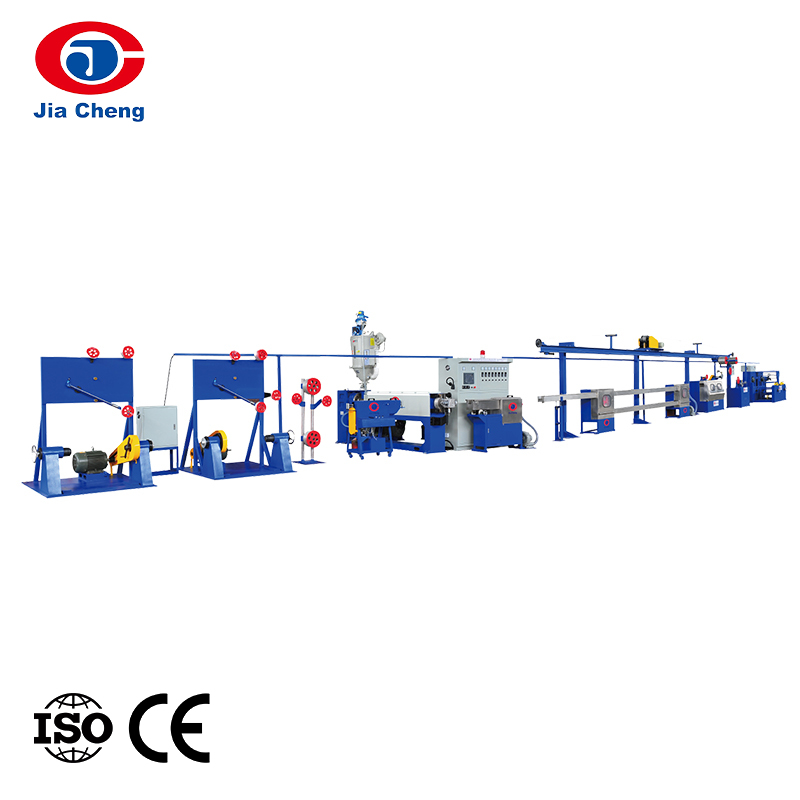
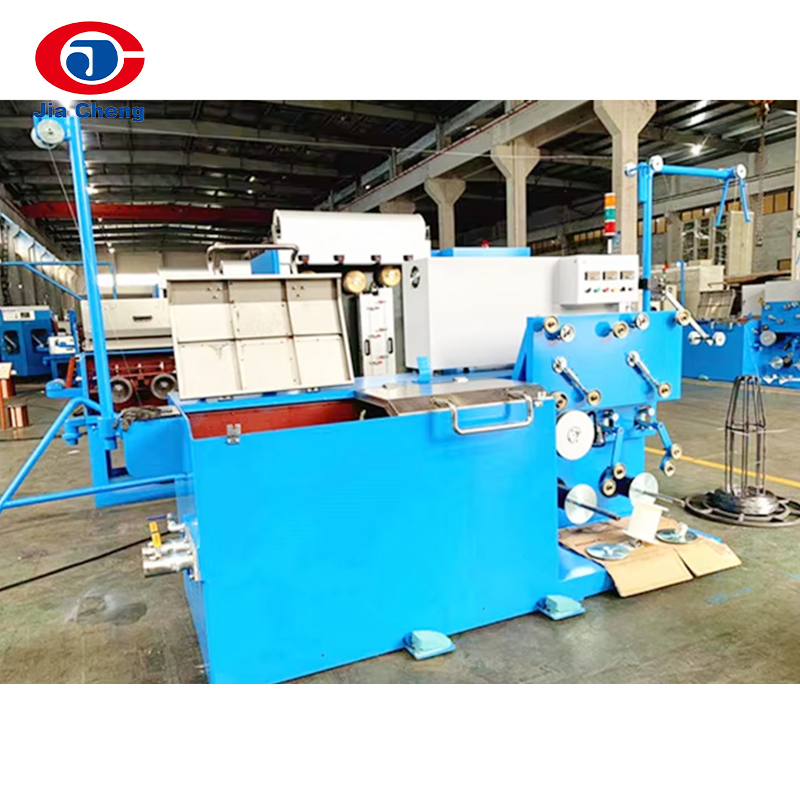
Typical Technical Parameters
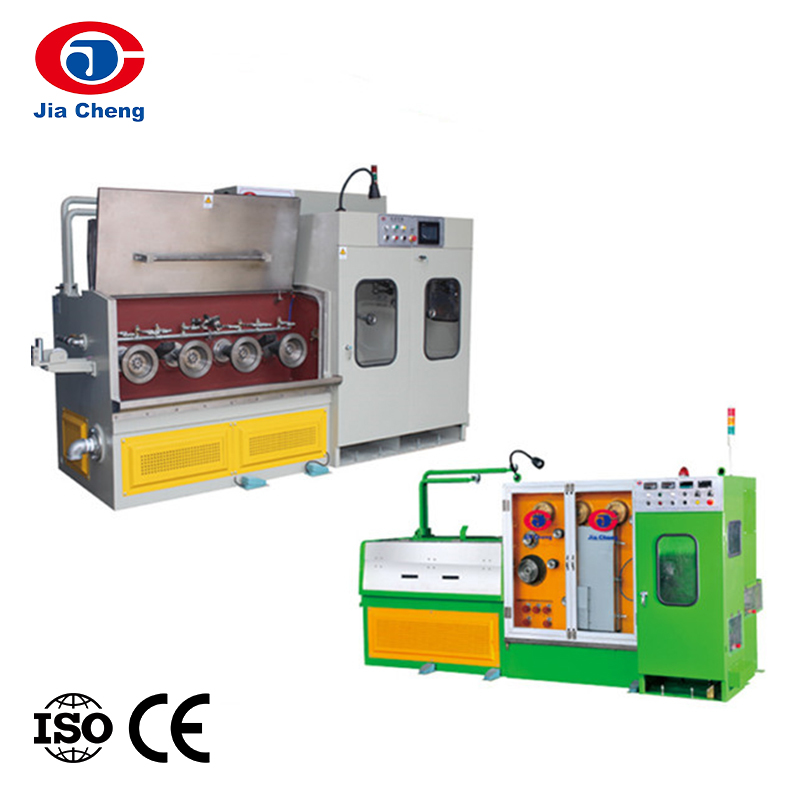
Stainless steel wire drawing requires substantially more drawing force and more wear-resistant tooling than copper or aluminum processing, given the material's higher tensile strength and greater work-hardening tendency during cold drawing. The table below gives typical parameter ranges for stainless steel wire equipment.
| Machine Type | Typical Product Range | Max Line Speed | Drive & Control | Typical Motor Power |
| Heavy-Duty Wire Drawing Machine | 5.5mm down to 0.8mm stainless wire | up to 8-15 m/s | AC motor, reinforced gearbox, PLC control | 37-110 kW |
| Fine Stainless Wire Drawing Machine | 0.8mm down to 0.05mm | up to 5-10 m/s | AC motor, precision tension control | 7.5-30 kW |
| Intermediate Heat Treatment / Patenting Line | medium to fine gauge stainless wire | process-speed dependent | PLC-controlled temperature profile | 30-75 kW |
| Descaling / Surface Finishing Line | gauge-dependent | line-speed matched to upstream process | PLC automatic cycle | 15-45 kW |
Exact die material, drawing speed, and heat treatment profile depend heavily on your target stainless grade (for example austenitic grades such as 304 or 316 versus other stainless families) and your target application's mechanical property requirements. Share your target grade, gauge range, and end application, and we will confirm the appropriate tooling and process configuration.
We are glad to walk through how these parameter ranges compare to a related material or gauge range you may already be evaluating elsewhere on our site, since many buyers end up comparing more than one processing category before finalizing a production plan. If your target specification falls between two of the ranges shown here, or requires a combination not directly reflected in the table above, share the details and we will confirm a configuration matched specifically to your case rather than asking you to round up to the nearest standard option. We would also rather flag a genuine limitation early — for example a gauge range outside what Stainless Steel Wire Equipment equipment can reliably achieve — than let a mismatched expectation carry through to a formal quotation.
Matching Equipment to Your Product Line
Stainless steel wire covers an unusually broad range of end applications compared to conductor wire, and the right equipment configuration depends heavily on which application you are targeting. Spring wire and fastener wire typically prioritize precise, consistent tensile strength and a specific final temper. Medical and marine wire often prioritize very tight dimensional tolerance and surface finish. Welding wire prioritizes consistent chemistry and surface cleanliness for reliable arc performance. Mesh and architectural wire may prioritize a specific combination of strength and formability for weaving or knitting processes.
We start by understanding your target application and stainless grade, since this determines not just the drawing equipment sizing but also the heat treatment approach (patenting, annealing, or a specific proprietary temper process) and whether dedicated surface finishing equipment is needed. For finer gauges in particular, die material selection (carbide versus diamond) becomes an important cost and performance trade-off that we discuss directly with you rather than defaulting to one option.
If you can describe your target stainless wire application, grade, and gauge range, we will propose a drawing and heat treatment configuration suited to that specific combination, since stainless steel wire equipment is one of the categories where a generic configuration is least likely to meet a specification-driven buyer's actual requirements.
This matching process usually takes a short back-and-forth rather than a single exchange, since buyers often refine their target specification once they see the trade-offs involved in different Stainless Steel Wire Equipment configurations. We treat this as a normal, expected part of specifying equipment correctly, and would rather spend extra time confirming the right match up front than have a buyer discover a mismatch only after equipment has already been ordered and shipped. If you already have a detailed specification document from your own customer or an internal engineering team, sending it to us directly is often the fastest way to get an accurate proposal, since it removes ambiguity from the technical discussion.
Quality Control and Certification
Stainless steel wire quality expectations vary significantly by application, but dimensional consistency, surface quality, and consistent mechanical properties (tensile strength, elongation) are common priorities across nearly all stainless wire uses, particularly given how visible surface defects are on this material compared to copper or aluminum.
Our stainless steel wire equipment is tested with sample material representative of common stainless grades, and heat treatment equipment specifically is checked for temperature uniformity along the wire path, since inconsistent heat treatment is a common cause of variable mechanical properties in finished stainless wire. Drawing equipment is checked for die wear resistance and dimensional stability over an extended sample run, given how quickly inadequate tooling can wear when processing this harder material.
We use PLC and drive components from recognized international brands for temperature and speed control, and equipment ships with a test report documenting sample wire dimensional and, where applicable, basic mechanical test results. If your application requires stainless wire meeting a specific medical, marine, or industrial standard, share that with us during quotation so we can confirm our equipment's process control is suited to consistently meeting your specification's requirements.
We document every quality check performed during manufacturing and testing so the records travel with the Stainless Steel Wire Equipment you purchase, giving your own quality team a documented baseline to reference once the equipment is running in your facility. If your organization has an internal supplier qualification or quality audit process, we are glad to provide additional documentation or answer specific questions as part of that process, rather than only offering our standard test report. We would rather be transparent about exactly what has and has not been verified before shipment than leave you to assume a broader scope of testing than was actually performed.
Frequently Asked Questions
Q: What stainless grades can this equipment process?
A: Common austenitic grades such as 304 and 316 are frequently processed on this equipment; other stainless families may require different die materials or drawing parameters. Share your target grade and we will confirm suitability.
Q: Do I need carbide or diamond dies for my gauge range?
A: This depends on your target gauge and production volume. Diamond dies generally offer longer service life for very fine gauges despite a higher upfront cost; we can walk through the trade-off for your specific case.
Q: Is heat treatment always required for stainless steel wire?
A: It depends on your target temper and application. Spring wire and certain other applications may require a specific "as-drawn" hardness without additional heat treatment, while other applications need patenting or annealing between drawing passes.
Q: Can this equipment also process other hard-to-draw materials like nickel alloys?
A: In some cases with tooling adjustments, though we recommend discussing your specific material and specification directly so we can confirm suitability rather than assuming compatibility.
Q: How often do dies need to be replaced when drawing stainless steel?
A: This varies significantly by gauge, grade, and volume; we can provide a general estimate based on comparable past projects during your technical discussion.
If your question about Stainless Steel Wire Equipment is not answered here, reach out directly with your specific situation rather than assuming a general answer applies to your case; because equipment specification depends so heavily on your exact target product, gauge range, and application, many of the most useful answers are specific to your project rather than universal. We would rather take the time to answer a specific question accurately than give a generic response that does not actually apply to what you are trying to build.
Price Range and Quotation Process
Stainless steel wire equipment generally sits at a higher price point than comparable copper or aluminum processing equipment, reflecting the heavier-duty construction, more wear-resistant tooling, and often more sophisticated heat treatment systems this material requires. Exact pricing depends on your target grade, gauge range, tooling material choice, and whether heat treatment and surface finishing equipment are included.
To prepare a quotation, we typically need your target stainless grade, target gauge range, intended application (spring, medical, marine, welding, mesh, or other), and your target output. With this information we can usually return a formal quotation, including recommended tooling material and lead time, within a few business days.
Because stainless steel wire applications vary so widely in their specification requirements, we would rather spend extra time understanding your exact application during the inquiry stage than risk quoting equipment that does not actually meet your tolerance or mechanical property needs, even if that means a slightly longer quotation turnaround than for more standardized product categories.
We recognize that different buyers are at different stages of planning, from early budget research to a final purchasing decision, and we are happy to provide a general pricing indication for Stainless Steel Wire Equipment even before you have finalized every technical detail, so you can gauge whether this category of equipment fits your overall project budget before investing more time in a detailed specification. If your budget research is still at an early stage, say so directly and we will tailor the level of detail in our response accordingly.