Language
 中文简体
中文简体 English
 عربى
عربى русский
Content
- 1 What Is a Wire Drawing Machine and Why Choosing Right Matters
- 2 Understanding Wire Drawing Technology: The Basics Every Buyer Must Know
- 3 The 5 Critical Parameters to Define Before You Buy
- 4 Machine Types for Specific Production Needs
- 5 Evaluating the Complete Production Line — Not Just the Drawing Machine
- 6 Key Technical Specifications to Compare When Shortlisting Machines
- 7 How to Evaluate Wire Drawing Machine Manufacturers and Suppliers
- 8 Special Considerations for Niche Wire Products
- 9 Total Cost of Ownership: Beyond the Purchase Price
- 10 Where to Source Raw Materials for Your Wire Drawing Operation
- 11 Installation, Commissioning, and Operator Training Checklist
- 12 Summary: A Decision Framework for Choosing the Right Wire Drawing Machine
What Is a Wire Drawing Machine and Why Choosing Right Matters
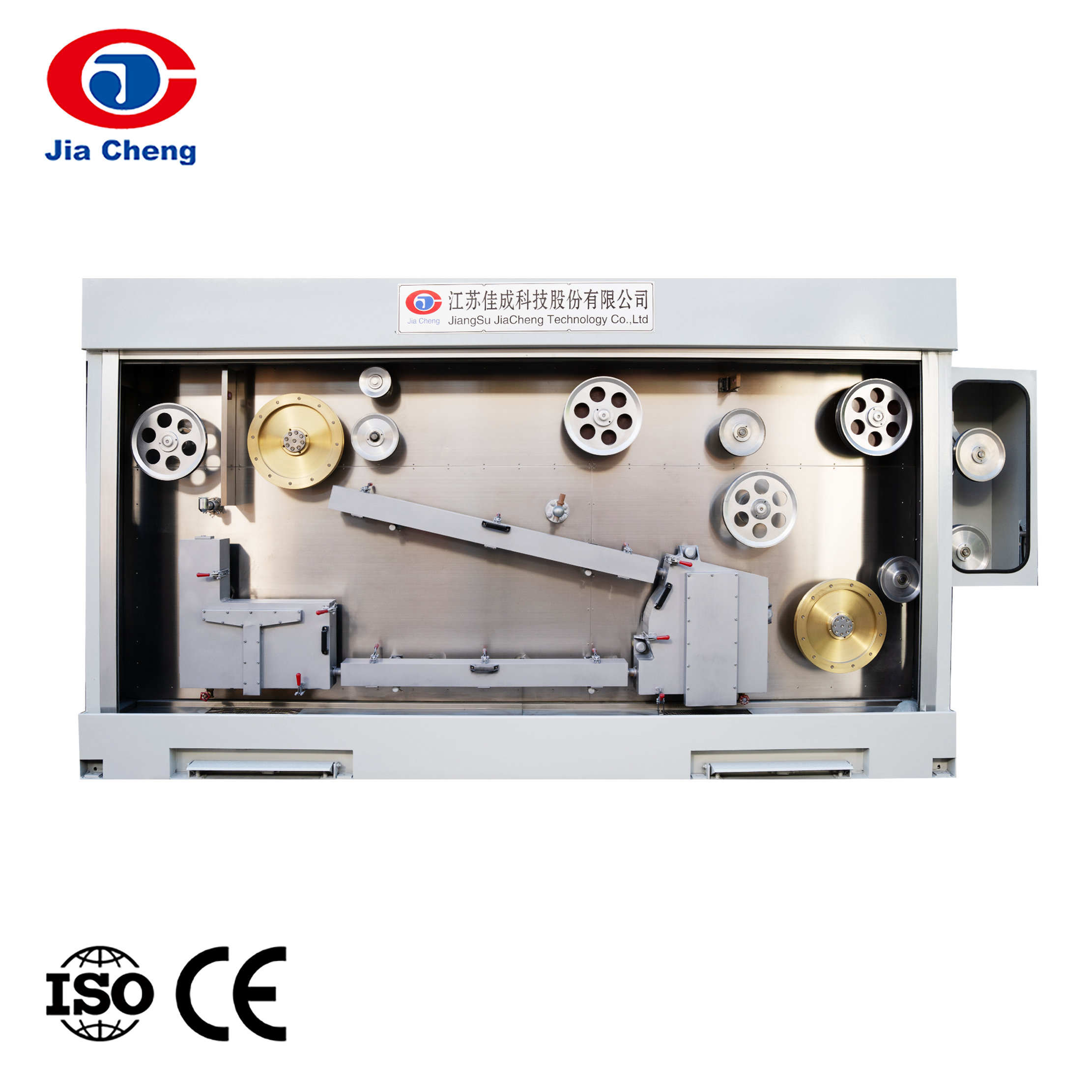
A wire drawing machine is industrial equipment that reduces the diameter of metal wire — typically copper, aluminum, or steel — by pulling it through a series of dies under tension. Choosing the wrong machine can cost manufacturers 20–35% in production efficiency, increase scrap rates, and result in wire that fails quality inspections.
The direct answer: select a wire drawing machine based on your target wire gauge, material type, required output speed, and downstream processes such as annealing, coating, or stranding. Everything else — brand, price, automation level — comes secondary to these four core parameters.
This guide walks through every major factor, from understanding wire drawing technology fundamentals to evaluating vendors — including how to find a reliable wire drawing machine manufacturer in Delhi or anywhere else globally — so you can make a purchasing decision grounded in real operational needs.
Understanding Wire Drawing Technology: The Basics Every Buyer Must Know
Modern wire drawing technology has evolved considerably over the past three decades. What once required manual die changes and constant operator supervision now incorporates PLC controls, servo-driven capstans, in-line annealing, and automated takeup systems. Before you evaluate any machine, you need to understand the core process.
How the Drawing Process Works
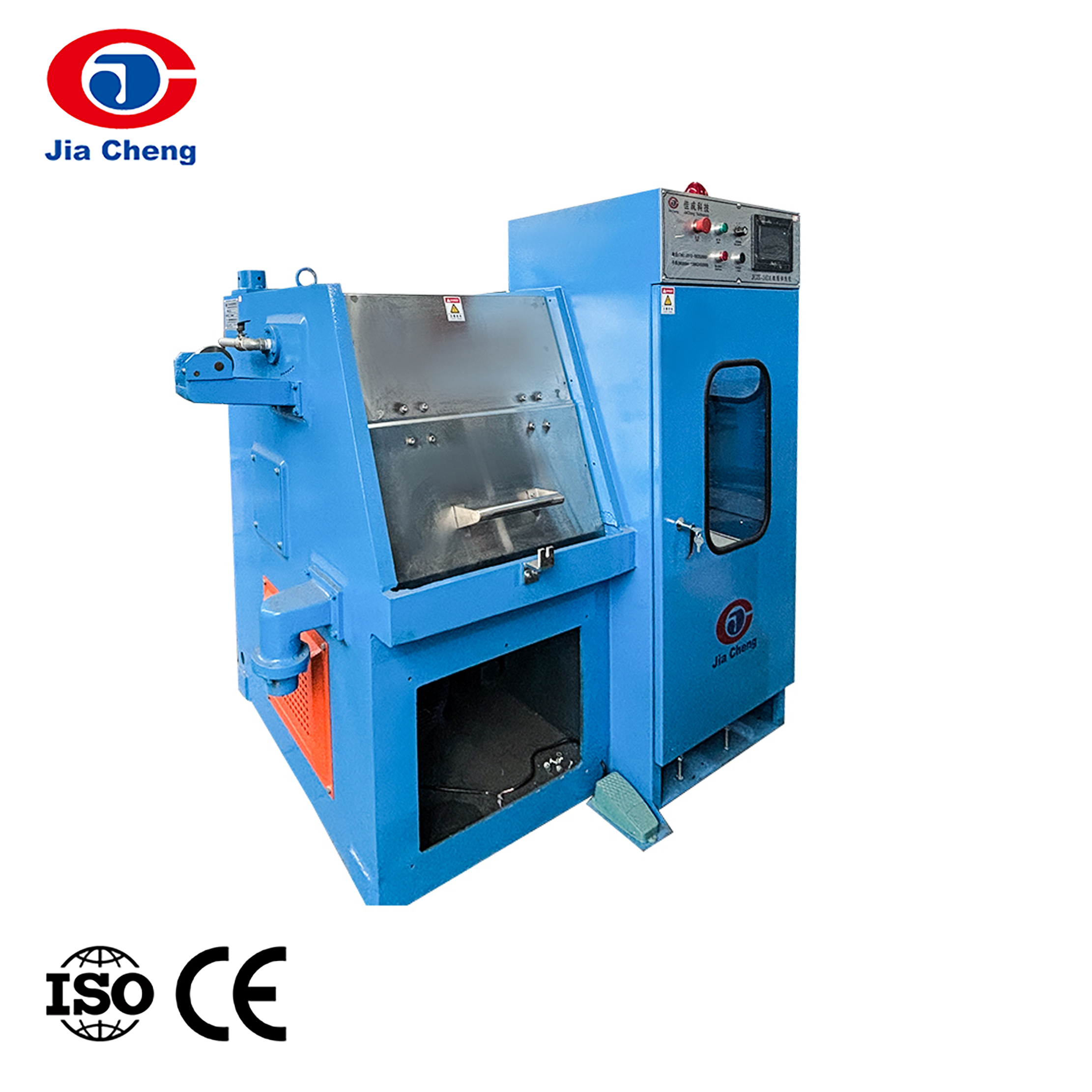
Wire drawing works by pulling a metal rod through progressively smaller tungsten carbide or diamond dies. Each pass reduces the cross-sectional area — typically by 15–25% per die — while elongating the wire. The cumulative reduction ratio across all dies in a machine can reach 90% or more. For example, starting from a 2.6 mm copper rod down to 0.1 mm fine wire requires a multi-block fine wire drawing machine with 20+ drafting blocks.
The characteristics of copper wire — its high ductility, excellent conductivity (IACS ≥99.9% for EC-grade copper), and work-hardening behavior — make copper the most commonly processed material. Understanding the characteristics of copper wire such as tensile strength (200–400 MPa depending on temper), elongation (>30% for soft-drawn), and surface finish requirements directly influences machine selection.
Key Machine Categories
- Single-block drawing machines — ideal for heavy wire (above 3 mm), low-volume specialty work, or hard materials like steel.
- Multi-block drawing machines — the workhorse of medium and fine wire production; 8–24 blocks for copper and aluminum wire from 0.05 mm to 3 mm.
- Bull block machines — designed for coarse steel and stainless wire, typically 4–12 mm output diameter.
- Wet drawing machines — for fine and ultra-fine wire below 0.3 mm, using coolant/lubricant to manage heat and die wear.
The 5 Critical Parameters to Define Before You Buy
Many buyers make the mistake of approaching vendors with only a budget figure in mind. Define these five parameters first, and you will eliminate 80% of unsuitable options immediately.
1. Input Rod Size and Material
Your starting material defines the entire machine configuration. Most copper wire factories buy copper rod in 8 mm diameter, which is the global standard for continuous cast copper rod. If you plan to buy copper rod online or from commodity suppliers, verify rod diameter tolerance (typically ±0.05 mm) and surface cleanliness, as scale or oxide contamination will accelerate die wear dramatically — sometimes by 300–400% compared to clean rod.
CCA (copper-clad aluminum) wire — often called CCA wire — requires special handling. CCA wire is increasingly used in low-voltage applications to reduce cost (aluminum core at ~30% the weight of copper), but the bimetallic interface demands lower drawing speeds and tighter lubrication control. Not all machines support CCA processing; confirm with the manufacturer explicitly.
2. Target Wire Diameter Range
Machine classification is largely driven by output diameter:
| Wire Type | Diameter Range | Typical Machine | Speed Range |
|---|---|---|---|
| Rod breakdown | 8 mm → 1.5 mm | Rod breakdown machine | 5–15 m/s |
| Medium wire | 1.5 mm → 0.5 mm | Multi-block dry/wet | 15–25 m/s |
| Fine wire | 0.5 mm → 0.1 mm | Fine wire wet drawing | 20–35 m/s |
| Ultra-fine wire | Below 0.1 mm | Ultra-fine wet drawing | 35–60+ m/s |
3. Required Output Capacity (kg/hr or tons/day)
Capacity requirements will determine the number of machine lines, the spool/reel size, and the level of automation needed. A small specialty cable maker might need 200 kg/day; a large cable production machinery operator might need 10–50 tons/day per line. Undersizing machine capacity is one of the most common and costly errors — plan for at least 20–30% headroom above your current projected output to accommodate growth and maintenance downtime.
4. Downstream Process Integration
Your wire drawing machine rarely operates in isolation. Consider what comes after:
- Annealing coating line: If you need soft-temper wire for flexible cables, in-line or standalone annealing is essential. An integrated annealing coating line reduces material handling, improves consistency, and can increase throughput by 15–25% compared to batch annealing.
- Teflon production / PTFE insulation: High-performance applications in aerospace, medical, and instrumentation often require PTFE-insulated wire. Teflon production lines are extrusion-based and require precise wire tension control from the drawing machine — specify this to your supplier.
- Flat extrusion: Certain ribbon cables and bus bars require flat extrusion tooling integrated after drawing. This changes the die and capstan design requirements significantly.
- Stranding and cabling: If you are moving into multi-conductor cable production, ensure the drawing machine output spool sizes are compatible with your stranding equipment.
5. Automation and Labor Requirements
Modern machines range from semi-automatic (operator-dependent die changes and spool loading) to fully automatic with robotic spool changers, automatic wire threading, and Industry 4.0 data logging. Fully automated lines can reduce labor costs by 40–60% but require a higher upfront investment — typically 1.5–2.5× the cost of semi-automatic equivalents.
Machine Types for Specific Production Needs
Not all production requirements fit neatly into the standard multi-block drawing machine category. Below are the specialized machine types you need to know about.
Concentric Twisting and Concentric Machine
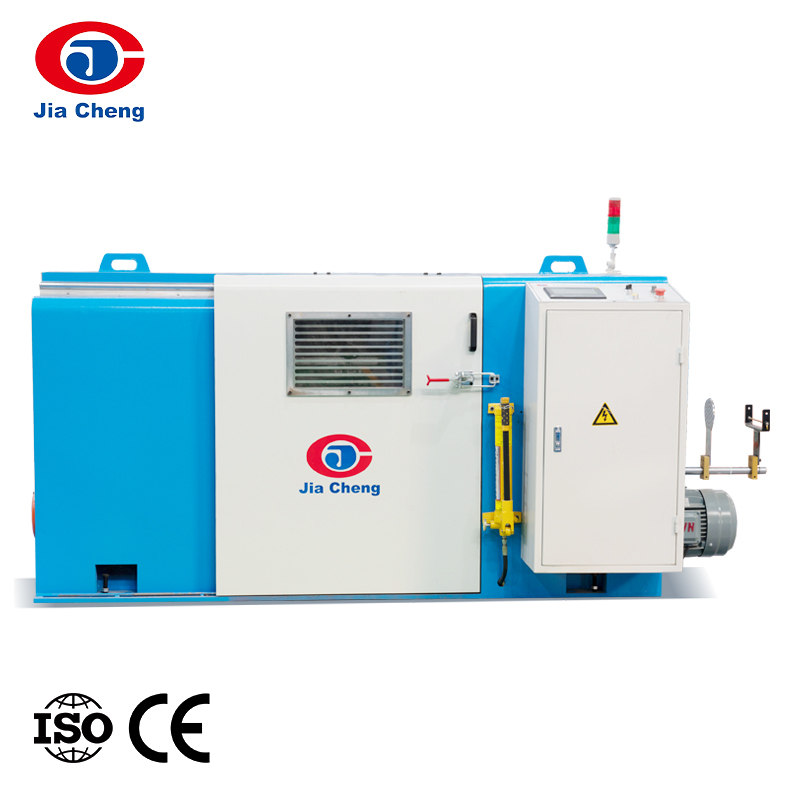
Once wire is drawn to the correct diameter, it typically needs to be twisted or stranded into a conductor. Concentric twisting is the process of laying wires in successive concentric layers around a central core, each layer twisted in alternating directions. A concentric machine achieves precise lay lengths and conductor geometry essential for power cables, automotive wiring, and control cables.
When evaluating concentric machines, look for adjustable lay pitch (typically 10–50× wire diameter), independent layer tension control, and compatibility with your wire spool dimensions. Machines from established cable production machinery manufacturers will offer integrated control systems that synchronize drawing speed with stranding speed.
Planetary Machine
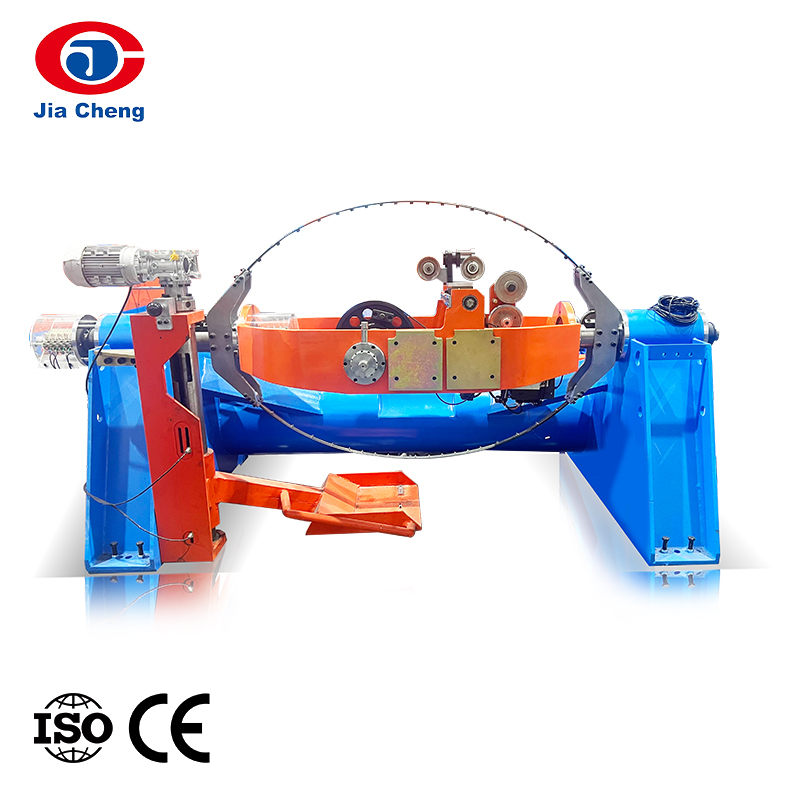
A planetary machine — also called a planetary stranding machine — rotates both the bobbin carriage and the take-up reel simultaneously. This design minimizes wire torsion during stranding, making it the preferred choice for fine stranded conductors, flexible cables, and specialty wire where twist balance is critical.
Planetary machines are more expensive than tubular stranders but deliver superior wire quality for fine counts. For conductors below 0.2 mm individual wire diameter, a planetary machine is generally the correct specification — do not compromise on this.
Automatic Cradle Machine
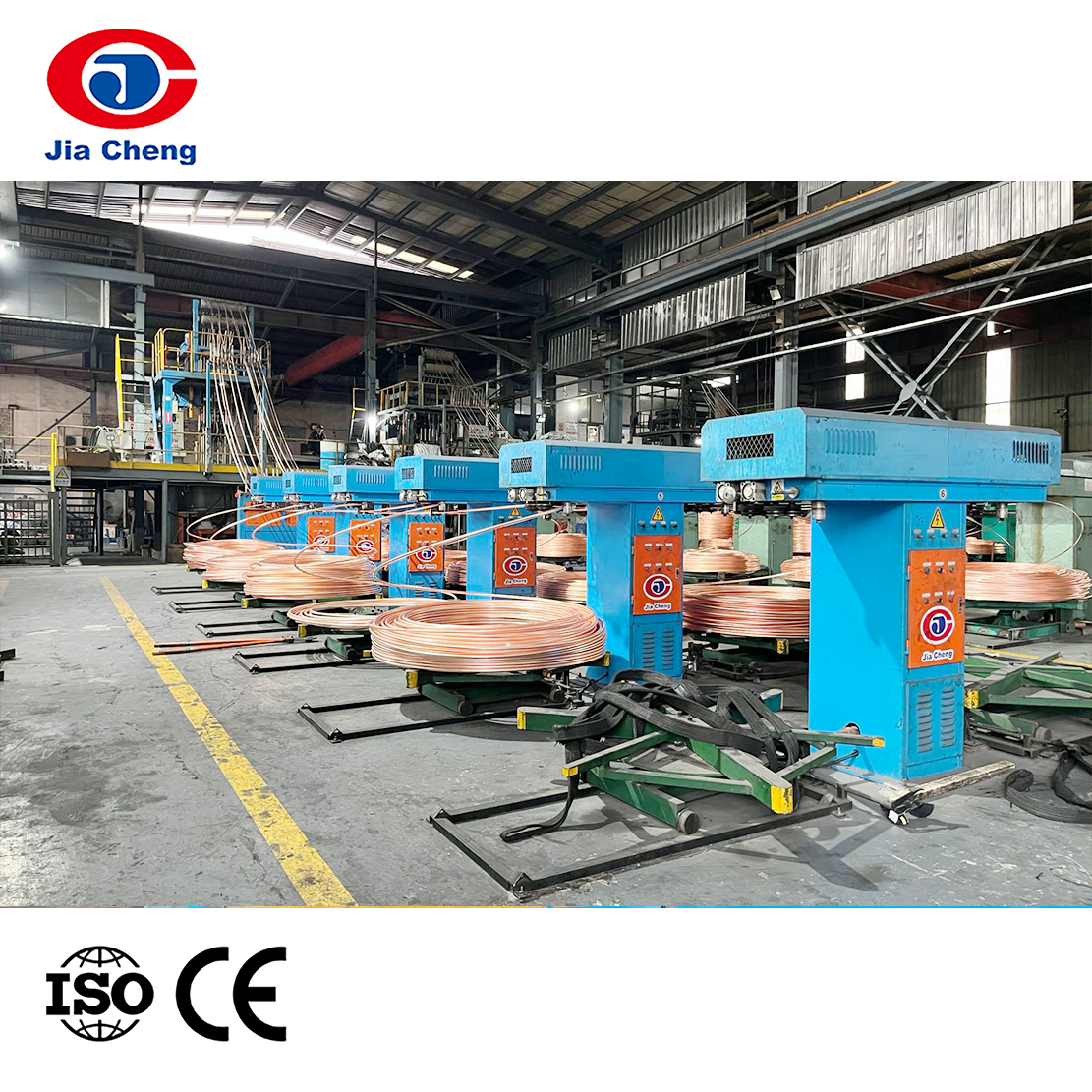
An automatic cradle machine is designed for high-speed pay-off of large input spools with minimal operator intervention. The cradle holds the spool and automatically adjusts tension based on the remaining wire weight. In high-volume production environments, automatic cradle machines reduce downtime during spool changes by up to 70% compared to manual cradle setups. Look for models with programmable tension profiles and automatic diameter sensing.
Cable Coiling Machine
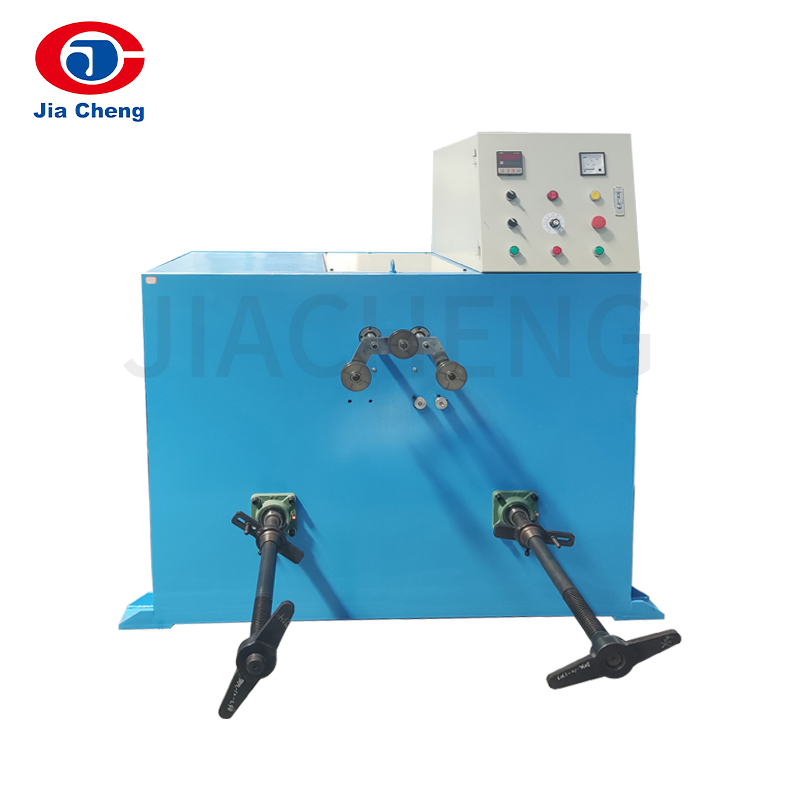
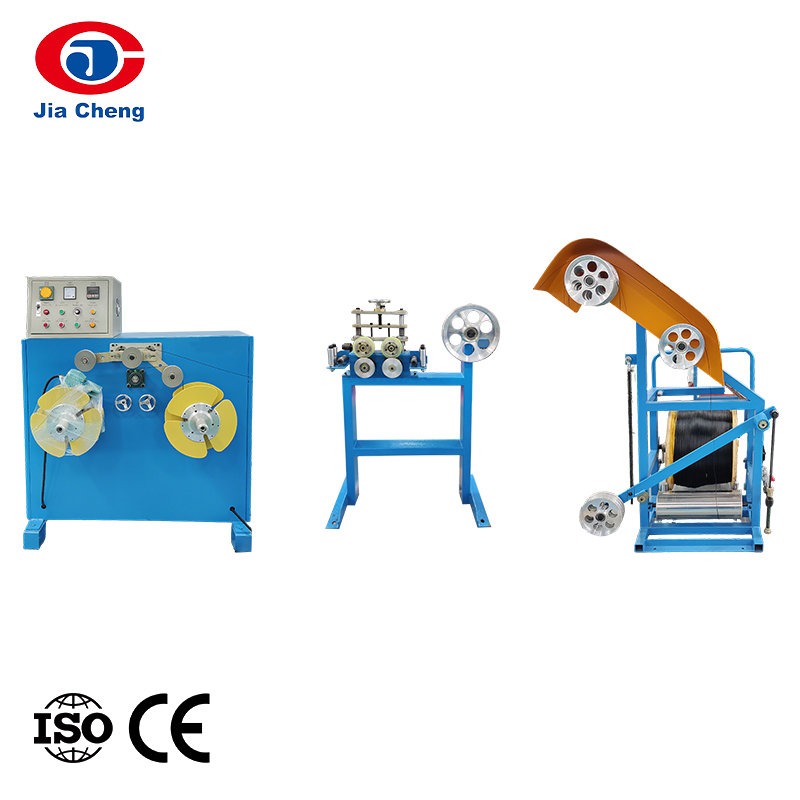
At the output end of the production line, a cable coiling machine winds finished cable into neat coils for packaging and shipping. Modern cable coiling machines offer programmable coil diameter (typically 200–1000 mm), coil weight control, automatic tie-off, and integration with production MES systems. For retail or wholesale packaging, coil appearance matters — a well-coiled product projects quality and reduces returns from tangling complaints.
Cable Laying Machine and Wire Laying Machine
A cable laying machine (also referred to as a wire laying machine) assembles multiple individual conductors, fillers, and armoring into a complete cable structure prior to jacketing. These machines control the stranding pitch, core alignment, and tension of each component. For power cables above 1 kV, cable laying machine specifications must align with IEC 60228 or equivalent standards regarding conductor construction and lay ratio.
Evaluating the Complete Production Line — Not Just the Drawing Machine
A critical mistake buyers make is evaluating the wire drawing machine in isolation. In reality, you are purchasing a production system. Every piece of equipment upstream and downstream affects the drawing machine's performance and vice versa.
The Typical Copper Wire Production Line Sequence
- Rod pay-off — feeding 8 mm copper rod from coil to machine inlet
- Pointing and welding — joining rod ends for continuous operation; welding mask drawing equipment is used here to ensure clean welds that pass through dies without breaking
- Rod breakdown drawing — reducing from 8 mm to approx. 1.5–2.0 mm
- Intermediate drawing — further reduction to target conductor diameter
- In-line annealing (if soft-temper required) — part of the annealing coating line system
- Stranding / concentric twisting — using planetary or tubular stranders
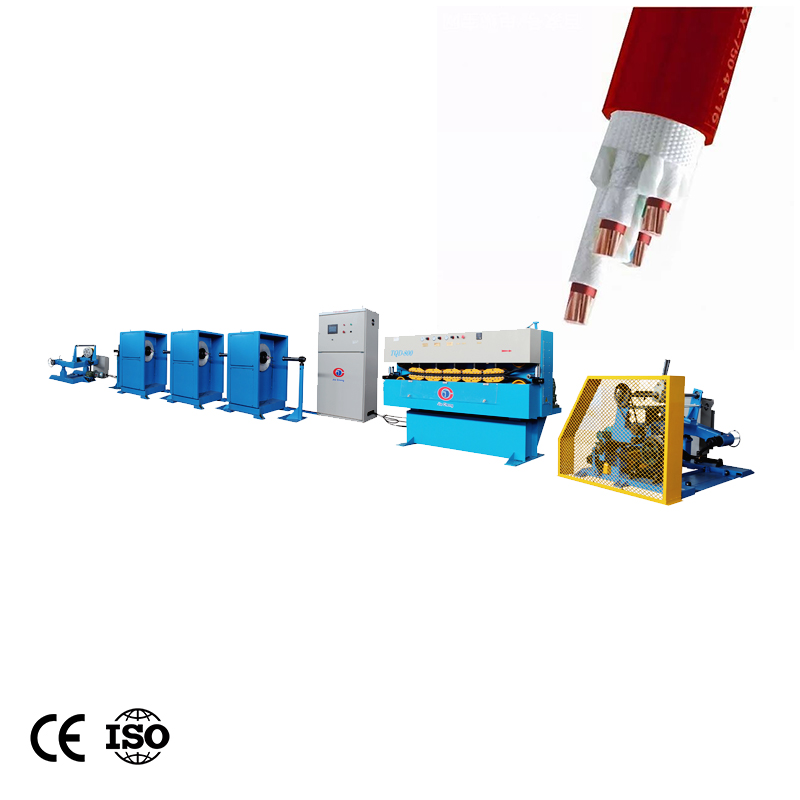
- Extrusion / insulation — PVC, XLPE, PTFE (teflon production), or flat extrusion
- Cable laying / armoring — via cable laying machine for multi-core construction
- Jacketing and marking
- Coiling / rewinding — using cable coiling machine for final packaging
Understanding this full sequence means you will ask better questions of any wire drawing company or machinery vendor. For instance: what is the maximum input spool weight the drawing machine can accept? What is the output spool core diameter and is it compatible with your stranding equipment? Does the in-line annealing integrate with the same control panel?
Key Technical Specifications to Compare When Shortlisting Machines
When comparing machines from different manufacturers, use this specification checklist to ensure an apples-to-apples evaluation.
| Specification | What to Look For | Red Flags |
|---|---|---|
| Number of drawing blocks | Matched to reduction ratio needed | Too few blocks = excessive die wear |
| Final capstan speed | Consistent with production targets | Overstated peak speeds (not sustained) |
| Drive system | AC inverter or servo — individual block drives preferred | Single shared motor for all blocks |
| Lubrication system | Closed-loop coolant circulation with filtration | Open bath with no filtration |
| Control system | PLC with HMI, fault logging, remote diagnostics | Relay-based or no data logging |
| Annealing integration | In-line electric annealer with resistivity control | No annealing option; batch only |
| Spool dimensions | Compatible with downstream stranding equipment | Non-standard core sizes requiring adapters |
How to Evaluate Wire Drawing Machine Manufacturers and Suppliers
The quality of the manufacturer matters as much as the quality of the machine — particularly for long-term spare parts availability, technical support, and warranty service.
Regional Supplier Landscapes
Global machine supply is concentrated in a few key manufacturing regions:
- Italy and Germany: Home to the world's most sophisticated wire drawing technology manufacturers. Brands like Samp, Niehoff, and Koch are synonymous with high precision and high cost. Expected investment for a full fine wire line: USD 500,000–2,000,000+.
- China: The largest volume producer of drawing machines globally. Chinese manufacturers have improved quality significantly since 2010. Pricing is typically 30–60% lower than European equivalents for similar specs. Quality varies widely — factory audits are essential.
- India: Finding a wire drawing machine manufacturer in Delhi or other manufacturing hubs like Pune, Ahmedabad, or Coimbatore is viable for medium-duty machines. Indian manufacturers offer competitive pricing for domestic buyers with reasonable after-sales support. Companies in Delhi's industrial belt have grown technically and now supply to Southeast Asian and African markets.
- Taiwan: Strong mid-range offerings, particularly for stainless steel and specialty wire drawing. Good balance of quality and price.
What to Ask Any Wire Drawing Company Before Signing
- Can you provide a reference customer running the same product profile we intend to produce? (Visit that customer if possible.)
- What is your spare parts availability and lead time? (Critical components like die boxes, capstan wheels, and drive boards should be in stock — not made-to-order.)
- Do you offer factory acceptance testing (FAT) with our own wire sample before shipment?
- What is included in the warranty? What is excluded? What is the process for warranty claims?
- Do you have a local service engineer within our region, or is service remote/travel-based?
- Can the machine be upgraded (additional blocks, faster capstan drive) in the future without full replacement?
Red Flags in Vendor Communication
- Inability or refusal to provide actual production speed data from running machines (not theoretical maximums)
- Vague answers about the origin of key components (drives, PLCs, die boxes)
- No CE marking or equivalent certification for machines destined for regulated markets
- Pressure to sign before completing a factory inspection or before your engineering team reviews the drawings
Special Considerations for Niche Wire Products
Certain wire products require machine configurations that go beyond standard copper or steel wire drawing. If your production involves any of the following, be explicit with your supplier from the very first conversation.
CCA Wire Production
CCA wire (copper-clad aluminum) presents unique challenges. The aluminum core has approximately 60% of the conductivity of copper and is significantly lighter (2.7 g/cm³ vs 8.9 g/cm³). However, the interface between copper cladding and aluminum core is mechanically sensitive — excessive die angle or insufficient lubrication can cause cladding separation. Machines for CCA wire production require lower reduction ratios per pass (typically ≤15%), slower drawing speeds, and enhanced die alignment precision.
Welding Mask Drawing Applications
In welding mask drawing, wire is drawn and then processed into welding electrode wire, which requires specific surface roughness characteristics and precisely controlled diameter tolerances (often ±0.005 mm). The drawing machine for this application must have exceptional die alignment and must be capable of maintaining consistent tension without any surface scratching or seam marks. Automated optical inspection systems integrated with the drawing machine are strongly recommended for this application.
Teflon Production Lines
When wire drawing feeds directly into a teflon production (PTFE extrusion) line, the drawing machine must provide absolutely consistent tension and diameter uniformity. PTFE extrusion is highly sensitive to wire surface quality — any oxide, lubricant residue, or surface roughness will cause adhesion failures in the PTFE insulation. Consider specifying an electrolytic cleaning section between the drawing machine and the PTFE line. PTFE-insulated wire is commonly used in aerospace (MIL-W-22759), medical device cabling, and high-frequency RF applications.
Flat Extrusion for Ribbon and Bus Bar
Flat extrusion is used to produce flat conductors for ribbon cables, busbars, and flexible flat cables (FFC). After round wire drawing, the wire passes through a rolling die or flattening rollers to achieve the required rectangular cross-section. Key parameters include aspect ratio (width-to-thickness), edge radius, and surface flatness. Machines configured for flat extrusion need a modified die block at the output stage and a take-up system capable of handling flat profiles without buckling.
Total Cost of Ownership: Beyond the Purchase Price
Many buyers focus exclusively on the machine purchase price. This is a costly mistake. The true cost of a wire drawing machine over a 10-year operational life typically runs 3–5× the original purchase price when you account for consumables, maintenance, energy, and labor.
Major Cost Components to Budget
- Die replacement: Tungsten carbide dies wear with use. A medium wire drawing machine running at 20 m/s may consume 50–150 dies per month depending on material and reduction schedule. Polycrystalline diamond (PCD) dies last 5–10× longer but cost 3–5× more per die.
- Lubricant / drawing compound: Dry drawing compounds (soaps) or wet lubricants need regular replenishment and disposal. Budget USD 0.50–2.00 per ton of wire drawn for lubrication costs.
- Energy consumption: A 12-block medium wire drawing machine typically consumes 30–80 kW during operation. At 6,000 operating hours per year and USD 0.10/kWh, that is USD 18,000–48,000 per year in electricity alone.
- Capstan wheel resurfacing: Capstan surfaces wear and require periodic hard-chrome replating or replacement. Budget for this every 2–4 years per machine.
- Spare drive components: Inverter boards, motor windings, and encoder replacements are unavoidable costs. Availability of these parts from the manufacturer 5–10 years after purchase is a key vendor selection criterion.
Calculating Your Break-Even on Automation
If upgrading from semi-automatic to fully automatic (e.g., with an automatic cradle machine, automatic die change, and robotic spool changer) adds USD 80,000 to the machine cost but reduces labor by 1.5 operators per shift at USD 30,000/year/operator, the payback period is approximately 18 months on a two-shift operation. This calculation should be performed for every automation feature you are evaluating.
Where to Source Raw Materials for Your Wire Drawing Operation
Machine selection and raw material sourcing are inextricably linked. The quality of your input rod directly affects machine performance, die life, and output wire quality.
How to Buy Copper Rod and What to Specify
When you buy copper rod, insist on EC-grade (Electrolytic Copper) with a minimum conductivity of 100% IACS (International Annealed Copper Standard). Oxygen-free copper (OFC, Cu-OF or Cu-OFE) is required for high-frequency signal cables and audiophile applications but commands a significant price premium — typically 5–15% above standard ETP copper.
Rod diameter tolerance, surface finish (no seams, laps, or inclusions), and coil weight (typically 3,000–5,000 kg per coil for large operations) should all be specified in your purchase order. Contaminated or out-of-tolerance rod will cause die breakage, wire breaks, and surface defects that are impossible to correct downstream.
Smaller operations or those testing new wire products may prefer to buy copper rod online in smaller quantities from metal distributors. Several B2B platforms now offer EC-grade copper rod in coils as small as 500 kg with documented certification. When doing so, always request a material test certificate (MTC) confirming chemical composition and mechanical properties.
Supply Chain Risk Management
Copper prices are highly volatile — the London Metal Exchange (LME) copper price has ranged from approximately USD 4,500/ton to USD 10,500/ton over the past decade. Establish relationships with at least two independent rod suppliers to protect against supply disruptions. If your operation exceeds 50 tons/month consumption, consider copper price hedging through forward contracts.
Installation, Commissioning, and Operator Training Checklist
Purchasing a wire drawing machine is only the beginning. Proper installation and commissioning are critical to achieving the specified production performance. Poor installation can reduce machine efficiency by 25–40% and void manufacturer warranties.
Pre-Installation Requirements
- Floor loading: Wire drawing machines are heavy — a 12-block machine may weigh 8,000–15,000 kg. Confirm your floor slab can handle the load (typically ≥15 kN/m²) before installation.
- Electrical supply: Confirm voltage (380V or 415V 3-phase is most common), frequency, and available amperage. A single large drawing machine may draw 100–200 A at full load.
- Cooling water: Wet drawing and annealing systems require cooling water at specified flow rates (typically 5–20 L/min) and inlet temperatures (below 25°C for most systems).
- Ventilation: Drawing lubricant mist and annealing steam require local exhaust ventilation — check local occupational health regulations.
- Compressed air: Pneumatic systems on modern machines require clean, dry air at 6–8 bar. Install an air dryer and filter in the supply line.
Operator Training Priorities
- Die box loading, alignment, and replacement procedures — this is the most skill-dependent routine task
- Wire threading and re-threading after breaks — speed of recovery directly impacts OEE (Overall Equipment Effectiveness)
- Lubrication system maintenance — filter changes, concentration checks, and coolant replenishment schedules
- PLC alarm interpretation and first-line fault resolution
- Quality sampling procedures — diameter measurement, tensile testing, and conductivity checks
Summary: A Decision Framework for Choosing the Right Wire Drawing Machine
Choosing the right wire drawing machine comes down to disciplined specification work before you ever talk to a vendor. Follow this decision sequence:
- Define your wire product profile: material, input diameter, output diameter, temper (hard or soft), and quality standards.
- Define your production target: daily output in kg or tons, operating shifts, and acceptable downtime allowance.
- Map your complete line: drawing → annealing → stranding (concentric machine / planetary machine) → insulation (teflon production, flat extrusion, etc.) → cabling (cable laying machine) → packaging (cable coiling machine).
- Shortlist machine types based on wire category (rod breakdown, medium, fine, ultra-fine, CCA wire, etc.).
- Evaluate manufacturers by region, reference customers, spare parts strategy, and certification.
- Calculate total cost of ownership over 10 years, not just purchase price.
- Negotiate FAT and commissioning terms before signing any contract.
- Plan raw material supply: decide whether to buy copper rod through established distributors or buy copper rod online for smaller quantities, and secure at least two suppliers.
Whether you are establishing a new wire drawing company, expanding an existing cable production operation, or upgrading aging equipment, the principles remain the same: specificity beats generality, total cost beats purchase price, and verified references beat marketing literature. Invest the time upfront to define your requirements precisely, and you will be far better positioned to choose a machine — and a manufacturer — that delivers reliable production for years to come.