Language
 中文简体
中文简体 English
 عربى
عربى русский
Content
- 1 What Is a Wire Drawing Machine?
- 2 How the Wire Drawing Process Works
- 3 Types of Wire Drawing Machines
- 4 Key Components of a Wire Drawing Machine
- 5 Wire Drawing Technology: Downstream Integration
- 6 What Is CCA Wire and How Is It Drawn?
- 7 Annealing Tin: Inline Tinning in Wire Drawing Lines
- 8 Wire Drawing Machine Manufacturers: What to Look For
- 9 Common Wire Drawing Defects and How to Prevent Them
- 10 Summary: Choosing the Right Wire Drawing Machine for Your Application
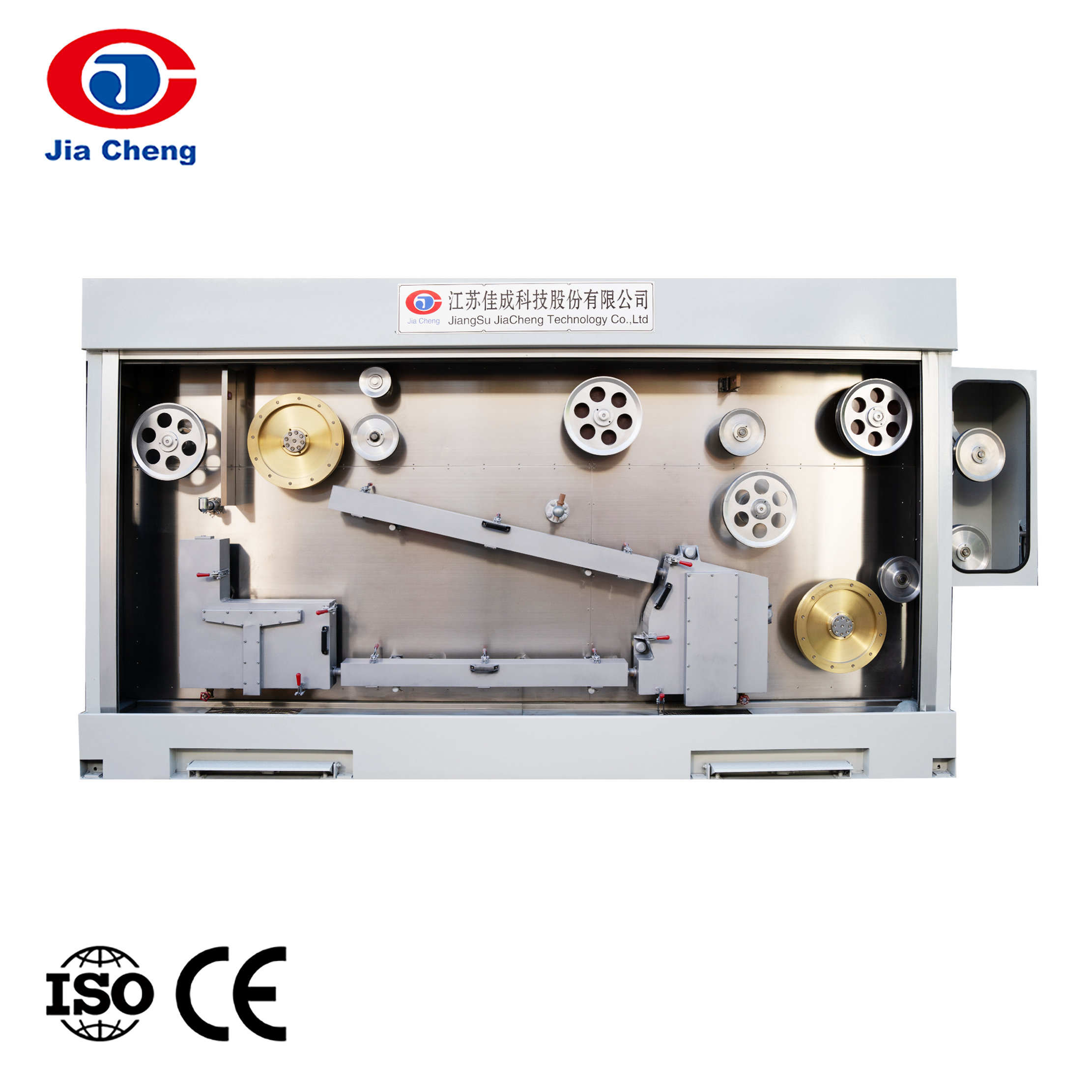
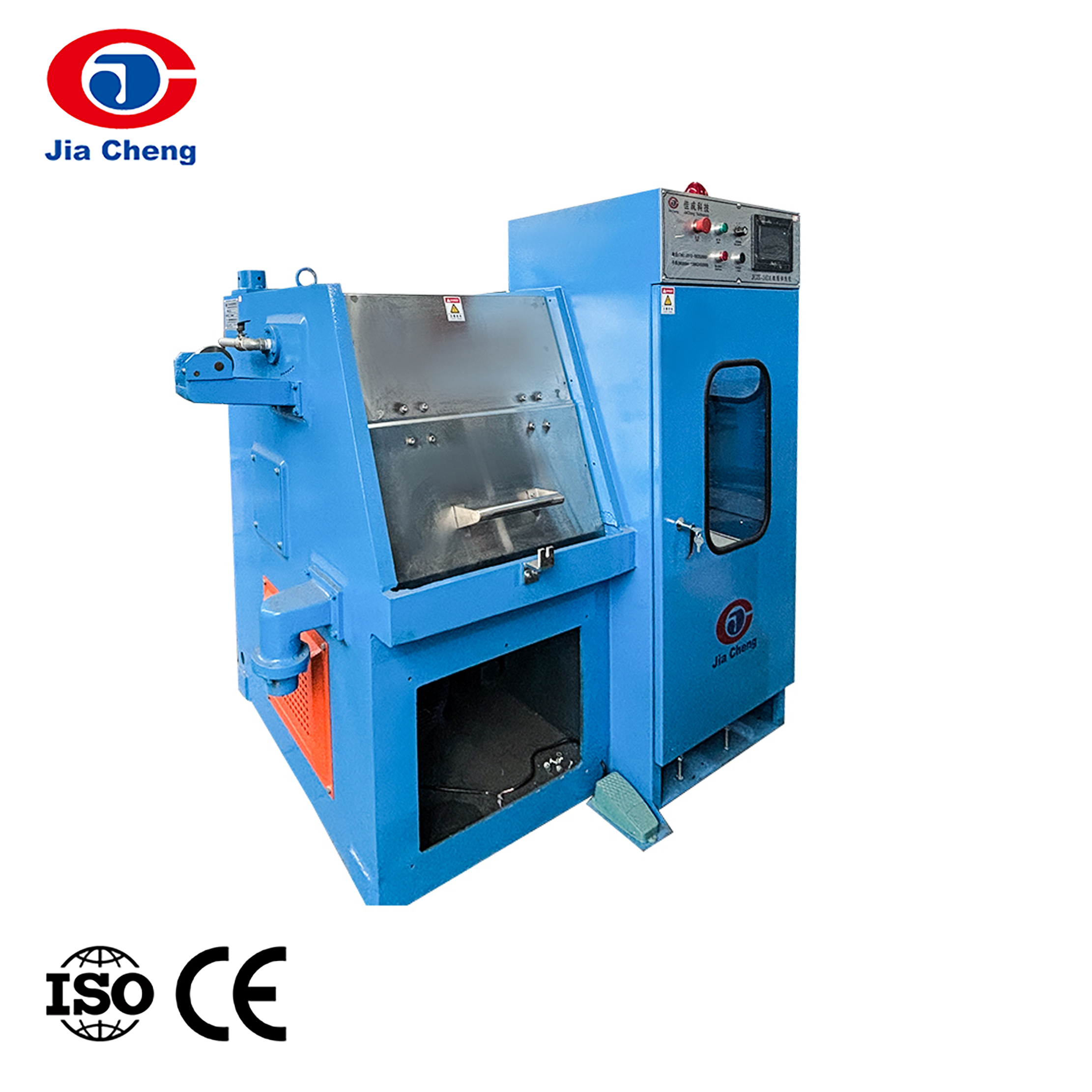
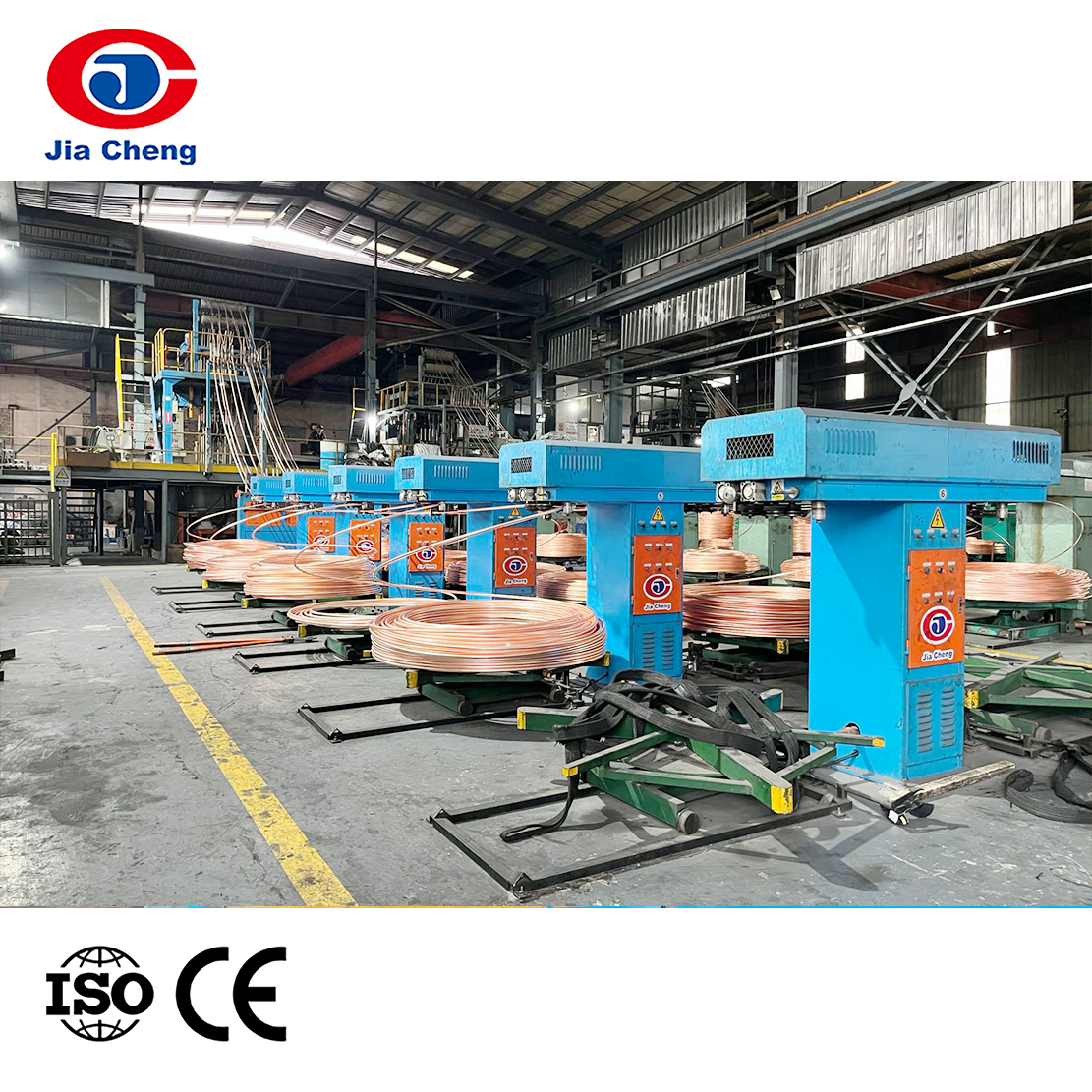
A wire drawing machine is industrial equipment that reduces the diameter of a metal rod or wire by pulling it through one or more hardened dies under high tension, permanently deforming the metal to a precise target gauge. The process requires no heat — it relies entirely on mechanical force and die geometry. Wire drawing machines are the backbone of cable production machinery lines worldwide, producing everything from fine magnet wire thinner than a human hair to heavy-gauge steel cable used in suspension bridges. If you need to understand what a wire drawing machine is, how the wire drawing process works, what types exist, and how to evaluate a wire drawing plant or supplier, this guide covers all of it in practical, data-backed detail.
What Is a Wire Drawing Machine?
A wire drawing machine is a mechanical system that forces metal wire through a conical die — a precision-ground aperture made from tungsten carbide or polycrystalline diamond — to reduce its cross-sectional area and increase its length proportionally. The ratio of the original cross-section to the final cross-section is called the reduction ratio, and each pass through a single die typically achieves a 10–25% area reduction.
Because a single die pass can only achieve a limited reduction without cracking or work-hardening the wire beyond its ductility limit, most wire drawing machines operate as multi-die continuous systems — pulling the wire sequentially through 4 to 25 or more dies in a single pass. Each die is paired with a capstan (a driven drum) that grips and pulls the wire forward into the next die while maintaining precise tension.
Wire drawing machines are used to process:
- Copper and copper alloys (the largest volume application)
- Aluminum and aluminum alloys
- Low- and high-carbon steel
- Stainless steel
- Nickel, titanium, and precious metal alloys
- CCA (copper-clad aluminum) wire — discussed in detail later
The output of a wire drawing machine feeds directly into downstream processes: stranding, concentric wire twisting, insulation extrusion, annealing, tinning, and final coiling — forming a complete wire and cable production line.
How the Wire Drawing Process Works
Understanding how to draw copper wire — or any metal wire — starts with the fundamental mechanics of plastic deformation through a die. The process follows a precise sequence that can be broken into five stages.
Stage 1: Rod Preparation and Pointing
The input material — typically a rod coil of 8 mm diameter copper rod or 5.5–6.5 mm steel rod produced by continuous casting and rolling — must be prepared before drawing. Rod preparation includes:
- Surface cleaning: Removal of oxide scale by acid pickling (steel) or mechanical scalping (copper). Clean rod surface is essential for die life and wire surface quality.
- Pointing (or swaging): The leading end of the rod is tapered mechanically or by hammering so it can be fed through the first die. The pointed tip is pulled through the die, gripped by the capstan, and the draw begins.
- Lubrication application: Dry soap powder (for dry drawing) or liquid emulsion (for wet drawing) is applied to minimize friction in the die and reduce heat generation.
Stage 2: Die Pass and Area Reduction
As the wire enters each die, it passes through four distinct zones machined into the die geometry:
- Entry zone: The bell-shaped approach that guides wire into alignment
- Approach angle (die angle): Typically 6° to 16° half-angle; this is where diameter reduction occurs through compressive and tensile stress
- Bearing zone: A short parallel section that sets the final wire diameter and ensures roundness; die bearing length is typically 0.25–0.5× wire diameter
- Back relief: Reduces friction on the exit side and prevents die chipping
The die approach angle is one of the most critical parameters in wire drawing technology. A shallower angle (6–8°) reduces drawing force but increases die contact length and friction heat. A steeper angle (12–16°) reduces friction but increases the risk of center-burst defects in the wire. Optimal die angle depends on material, reduction ratio, and lubrication system.
Stage 3: Capstan Tension Control and Inter-Die Speed Synchronization
Each capstan drum in a multi-die drawing machine rotates at a precisely calculated peripheral speed. Because the wire elongates at each die pass, the capstan speed must increase proportionally at each stage to maintain constant wire tension — typically 30–50% of the wire's yield strength in the drawing direction. Modern machines achieve this through individual servo motors on each capstan, controlled by a central PLC that calculates required speed ratios from programmed die reduction schedules. Speed mismatches of even 0.1–0.5% can cause wire breakage or slack accumulation between dies.
Stage 4: In-Line Annealing
As metal is work-hardened during drawing, its ductility decreases. For applications requiring soft, flexible wire — such as electrical conductors — an annealing machine is integrated either inline (continuous) or as a separate offline process. Inline annealers pass the wire through an electrically heated tube or a steam-sealed resistance annealing section immediately after the final drawing die, restoring ductility without allowing oxidation.
For copper wire destined for tinning applications, an annealing tin process is used — the wire passes through a molten tin bath immediately after annealing, simultaneously restoring ductility and applying a bright tin coating in a single inline step. This process is widely used for producing tinned copper conductors for marine and automotive wiring harnesses.
Stage 5: Spooling and Coiling
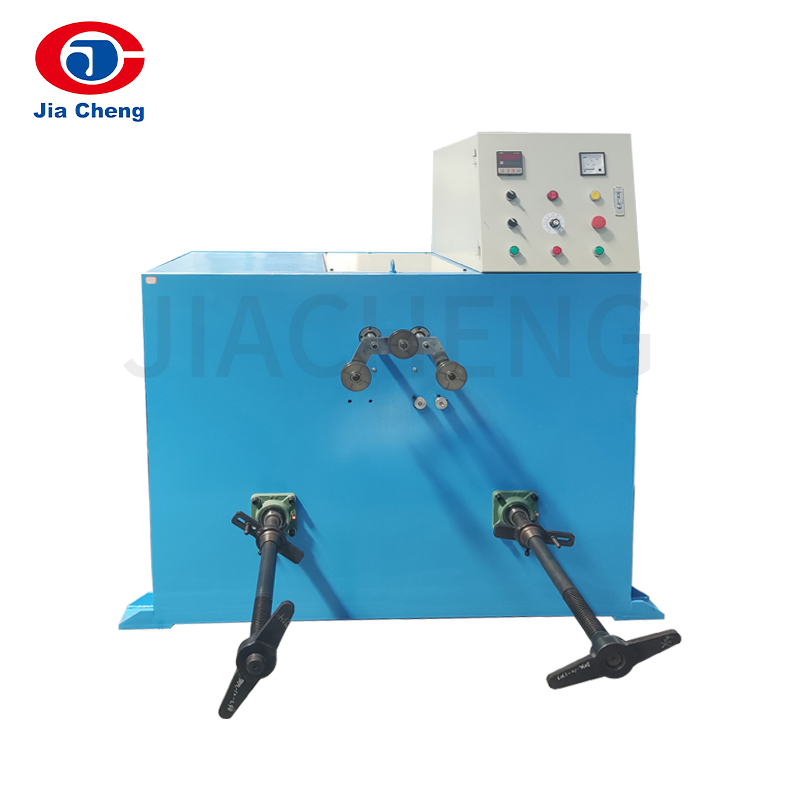
The finished drawn wire exits the last capstan and is wound onto a take-up spool or coil by a wire coiling machine. Precision traverse winding ensures uniform coil geometry, prevents wire crossovers (which cause tangles during pay-off), and allows maximum wire length per spool. A wire coiling machine for fine copper wire typically winds at speeds of 800–2500 m/min with electronic traverse control maintaining layer-to-layer pitch to within ±0.1 mm.
Types of Wire Drawing Machines
Wire drawing machines are not a single product category — they span a wide range of designs optimized for different materials, wire gauges, production volumes, and end products. The following are the principal machine types used in industrial wire drawing plants.
Bull Block (Single-Die) Drawing Machine
The bull block is the simplest form of wire drawing machine: a single large-diameter capstan drum (the "bull block") that pulls wire through a single die. It is used for the first reduction pass on large-diameter rod — typically reducing 8–12 mm rod to 4–6 mm wire — where the forces involved are too large for multi-die tandem machines. Bull blocks are common in steel wire drawing plants as the first operation in a multi-stage drawing sequence.
- Typical capstan diameter: 500–900 mm
- Drawing speed: 1–5 m/s
- Drive power: 15–75 kW
Dry Drawing Machine
Dry drawing machines use dry powdered lubricant (typically sodium stearate or calcium soap) applied in a die box ahead of each die. They are the standard choice for medium and coarse wire (above approximately 0.5 mm diameter) made from steel, and are also used for aluminum. The term "dry" refers to the lubrication method, not the absence of cooling — most dry drawing machines have water-cooled capstans to manage the significant heat generated during drawing.
- Wire range: 0.5 mm to 6 mm diameter
- Number of dies: 7 to 17
- Drawing speed (exit): 5–20 m/s
- Common materials: Low-carbon steel, galvanized wire rod
Wet Drawing Machine
In wet drawing, the entire die-capstan assembly is submerged in a liquid lubricant/coolant bath — typically an oil emulsion or synthetic water-based drawing fluid. This provides superior heat removal compared to dry drawing, enabling much higher drawing speeds and finer wire production. Wet drawing machines are the standard for fine and ultra-fine copper and aluminum wire used in electrical conductors.
- Wire range: 0.05 mm to 1.5 mm diameter
- Number of dies: 12 to 25
- Drawing speed (exit): 15–40 m/s for fine wire
- Common materials: Copper, aluminum, brass, nickel alloys
Fine and Ultra-Fine Wire Drawing Machine
Fine wire drawing machines are a specialized subset of wet machines designed specifically for wire diameters below 0.1 mm (100 microns), with some machines capable of drawing wire as fine as 0.01 mm (10 microns) for applications in precision electronics, medical devices, and specialty sensors. At these diameters, die wear, vibration, and lubricant contamination become critical limiting factors. Dies for ultra-fine drawing are made from natural or synthetic single-crystal diamond and are inspected with electron microscopy to tolerances of ±0.1 micron.
A wire drawing process video for fine wire drawing looks remarkably different from coarse wire drawing — the wire is nearly invisible to the naked eye, machine vibration damping is paramount, and the atmosphere around the drawing section must be dust-free to prevent die contamination.
Straight-Line Drawing Machine
Unlike conventional capstan-type machines where the wire wraps around each drum, straight-line machines pull the wire in a linear path through all dies without wrapping. This eliminates the bending fatigue introduced by capstan wrap and is preferred for:
- High-strength steel wire (PC strand, spring wire) where capstan wrap would cause surface damage
- Large diameter wire above 3 mm where wrap-around capstan geometry becomes mechanically impractical
- Welding wire production, where surface cleanliness and straightness are critical (related to the broader ecosystem of welding equipment, which includes welding mask drawing systems for automated arc welding lines)
Tubular (Inverted) Drawing Machine
Tubular drawing machines collect the drawn wire inside a rotating drum rather than onto an external spool. The wire builds up coil-on-coil inside the drum. This design is commonly used when the output wire feeds directly into a stranding or concentric wire twisting operation, as the internal coil can be paid off without rotation, reducing tangling in downstream processes. Tubular drawing machines are a standard feature in cable production machinery lines where drawing and stranding are integrated.
| Machine Type | Wire Diameter Range | Lubrication | Typical Materials | Primary Application |
|---|---|---|---|---|
| Bull Block | 4–12 mm | Dry soap / lime | Steel, hard copper | First-pass rod breakdown |
| Dry Drawing | 0.5–6 mm | Dry powder | Steel, aluminum | Medium wire, wire mesh |
| Wet Drawing | 0.05–1.5 mm | Liquid emulsion | Copper, aluminum | Electrical conductors |
| Fine Wire | 0.01–0.1 mm | Liquid emulsion | Copper, gold, platinum | Electronics, medical devices |
| Straight-Line | 1–8 mm | Dry or wet | High-strength steel | Spring, PC strand, welding wire |
| Tubular (Inverted) | 0.1–2 mm | Wet | Copper, aluminum | Integrated drawing-stranding lines |
Key Components of a Wire Drawing Machine
A wire drawing machine is a system of interdependent components. Understanding what each does — and how failure in any one affects the whole — is essential for operators, maintenance engineers, and procurement teams evaluating a wire drawing plant.
Drawing Dies
The die is the heart of the wire drawing process. Die selection affects wire surface quality, dimensional tolerance, drawing force, lubricant consumption, and die life. The three main die materials are:
- Tungsten carbide (WC-Co): Standard for coarse and medium wire (above 0.3 mm). Die life of 500–2,000 kg of wire per die is typical for copper drawing.
- Polycrystalline diamond (PCD): Used for fine wire below 0.3 mm. Far harder than WC, with die life 5–20× longer than carbide in fine wire applications.
- Natural diamond: Reserved for ultra-fine wire below 0.05 mm where PCD grain boundaries would affect surface finish.
Die wear causes progressive diameter enlargement and surface roughness increase. In a copper wire drawing operation, dies are typically inspected every 8–24 hours of production using laser micrometers, and replaced when diameter drift exceeds ±0.002–0.005 mm from nominal, depending on end-product tolerance.
Capstan Drums and Drive System
Capstan drums grip and pull the wire through each die. Each capstan is individually driven, and the speed ratio between successive capstans is computed from the programmed die reduction schedule to maintain wire tension within the target range. Modern machines use AC vector drives or servo motors with encoder feedback, achieving speed accuracy of ±0.01% — essential to prevent wire breakage in fine wire drawing where the wire cross-section is small and wire tension tolerance is narrow.
Capstan surface material is typically hardened tool steel or hard-chrome plated steel for coarse wire, and tungsten carbide-coated surfaces for fine wire where the capstan must grip without marking the wire surface.
Lubrication and Cooling System
In wet drawing machines, a recirculated emulsion system filters, cools, and re-circulates drawing fluid continuously. A well-maintained lubrication system is one of the most impactful variables in die life and wire surface quality. Key parameters to monitor include:
- Emulsion concentration: Typically 2–8% lubricant in water; too dilute increases friction and die wear, too concentrated causes residue buildup
- Fluid temperature: Maintained at 30–45°C; higher temperatures reduce lubricant film strength and accelerate bacterial growth in water-based fluids
- Particle contamination: Filtration to <10 microns is standard; metal particles above this size score die bearing zones, increasing wire surface roughness
Annealing Machine
An annealing machine integrated into a wire drawing line restores the ductility of work-hardened wire by heating it briefly above the recrystallization temperature, then cooling it in a controlled atmosphere to prevent oxidation. For copper wire, the annealing temperature is typically 300–500°C, held for a fraction of a second in a continuous resistance annealing unit.
Modern inline annealers used by companies such as Jiacheng and other specialist wire equipment manufacturers use a two-zone resistance annealing system: the first zone heats the wire to annealing temperature, and the second zone acts as a steam-sealed quench chamber that cools the wire rapidly while preventing surface oxidation. This produces the bright, oxide-free surface required for electrical-grade copper conductors.
The annealing intensity is controlled by adjusting the voltage applied to the annealing section, and modern machines allow this to be varied continuously as drawing speed changes, maintaining constant metallurgical output regardless of line speed fluctuations.
Wire Coiling Machine
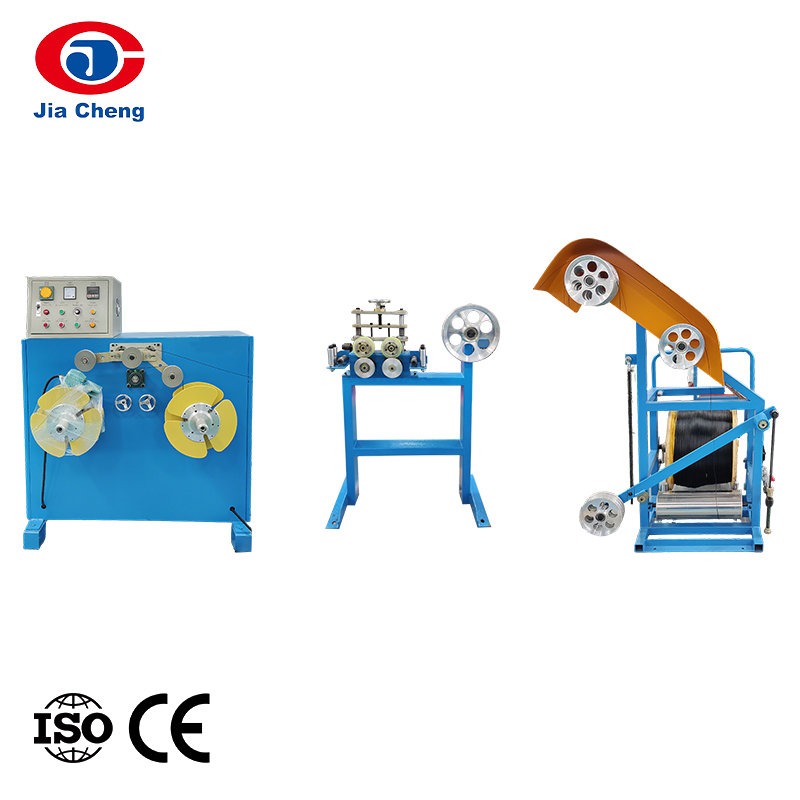
The wire coiling machine at the output of the drawing line winds the finished wire onto reels, bobbins, or payoff coils. For conductor wire production, precision traverse winding — where each layer is laid with controlled pitch and cross-wind angle — is essential for achieving high packing density and tangle-free payoff in downstream processes (stranding, insulation, or wire laying machine operations).
High-speed wire coiling machines synchronize the traverse movement and spool rotation electronically, and can switch to a new spool without stopping the drawing machine using a flying splice or automatic changeover system. For fine copper wire production, spool change cycle time is a significant production efficiency factor — automatic spool changers can reduce changeover time from 3–5 minutes to under 30 seconds.
Control System (PLC/HMI)
Modern wire drawing machines are controlled by programmable logic controllers (PLCs) with touchscreen HMI panels. The control system manages capstan speed ratios, annealing voltage, tension sensors, lubricant temperature, and alarms. Higher-end systems store multiple product recipes (die reduction schedules, annealing parameters, speed profiles) that can be recalled instantly when switching between wire specifications. Data logging of production parameters is standard on industrial-grade machines, enabling traceability of each spool to the exact process conditions under which it was produced.
Wire Drawing Technology: Downstream Integration
A wire drawing machine rarely operates in isolation. In a complete wire drawing plant, the drawing machine is the first of several value-adding steps. Understanding how it connects to downstream equipment helps in planning a full production line.
Stranding and Concentric Wire Twisting
Drawn wire is rarely used as a single solid conductor in cable applications. Instead, multiple drawn wires are stranded together to form a flexible, multi-wire conductor. Concentric wire twisting (also called concentric stranding) arranges strands in concentric layers around a central wire, with each layer twisted in alternating directions to prevent unwinding. Standard concentric stranded conductors follow a geometric progression: 1 central wire + 6 in the first layer + 12 in the second = 19 wires, or 1+6+12+18 = 37 wires, and so on.
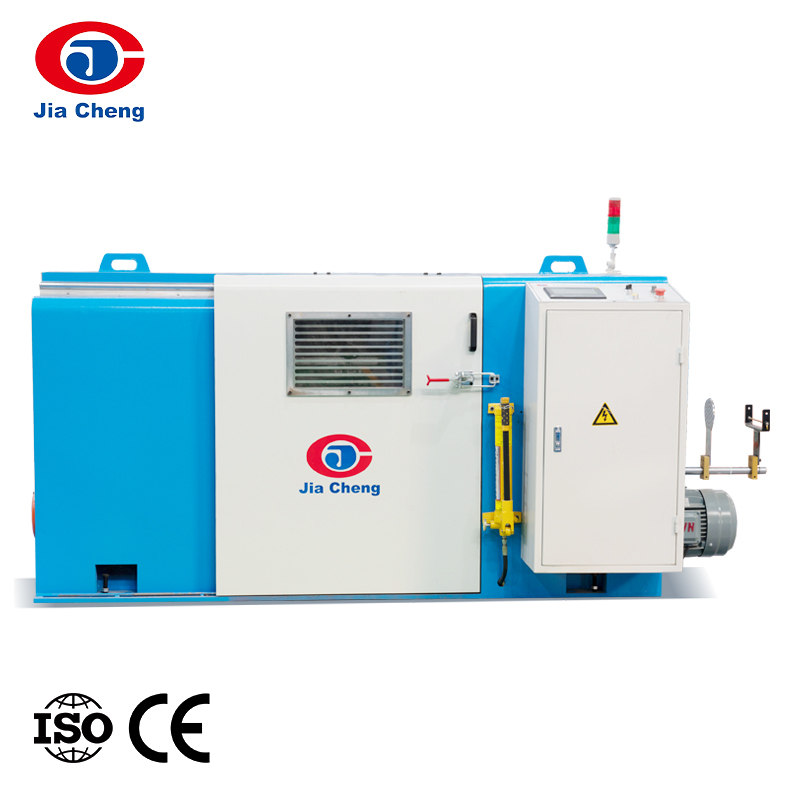
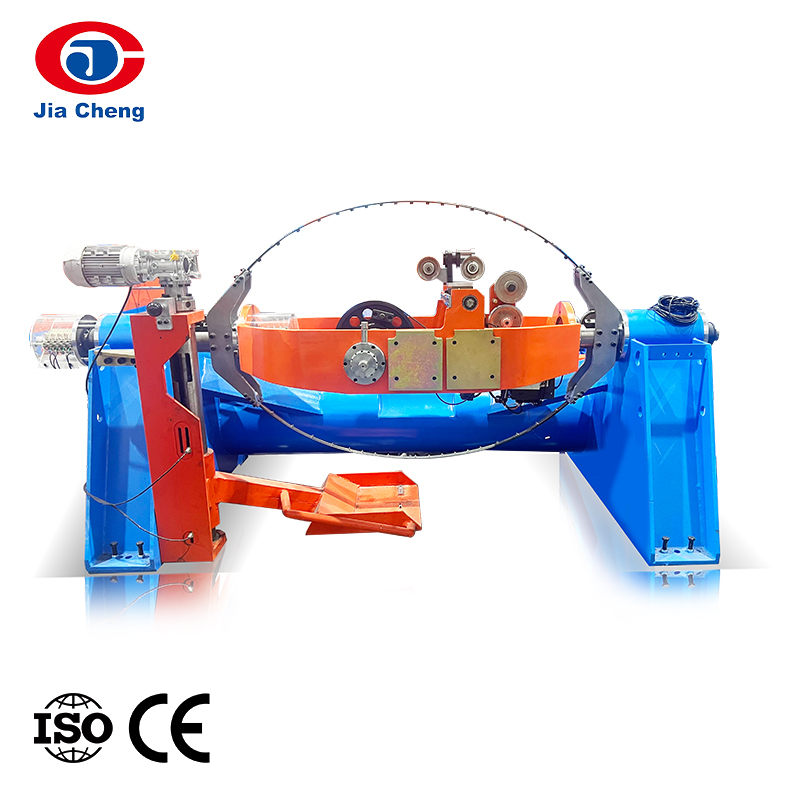
For higher-speed stranding, the double twist process is used — a question frequently asked in the industry covered by the double twist FAQ: in double twist stranding, the wire makes two twists per revolution of the bow, halving the machine length required for a given lay length and doubling throughput compared to conventional single-twist stranders.
Cable Laying Machine and Wire Laying Machine
After stranding, a cable laying machine assembles multiple stranded cores into a complete cable construction by twisting them together with defined lay lengths, interposing fillers, and applying core binding tapes. A wire laying machine (also called a planetary strander or rigid strander) is used for operations requiring precise control of lay length and conductor geometry — critical for data cables and screened instrumentation cables where electrical balance depends on geometrical consistency.
Cable production machinery lines in modern factories are increasingly integrated — drawing, stranding, laying, insulation, and armoring operations are linked by material flow systems, and central MES (Manufacturing Execution System) software tracks each coil from rod input to finished cable output.
Wire Extruder Machine
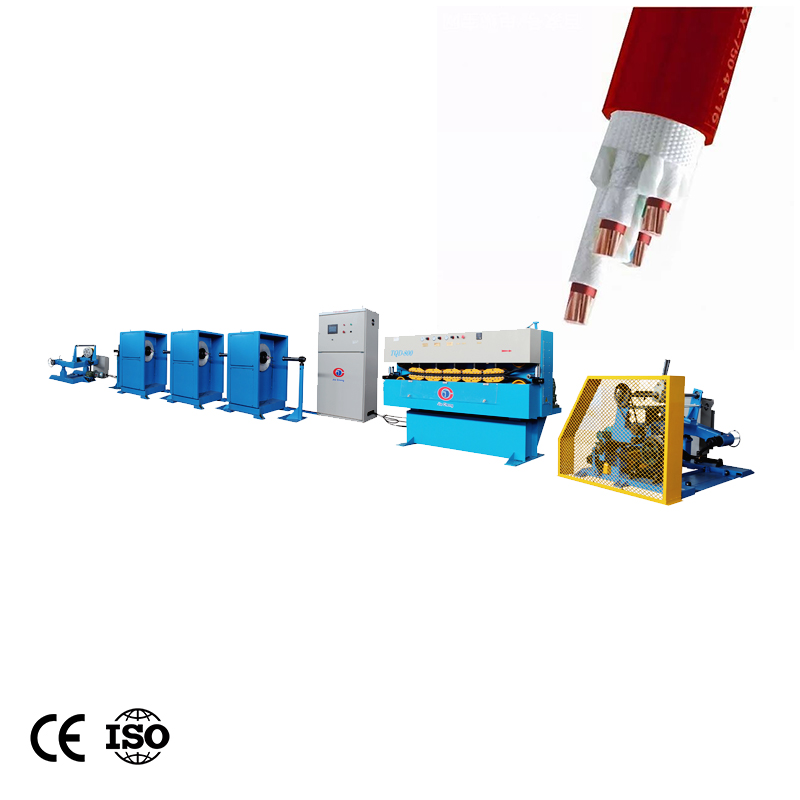
Following drawing and stranding, wire and cable are insulated using a wire extruder — a plastics processing machine that melts insulation compound (PVC, XLPE, LSZH, PTFE) and extrudes it uniformly around the conductor in a crosshead die. Wire extruder machine price varies dramatically by specification: a basic single-screw PVC insulation extruder for control cable starts at approximately €30,000–80,000, while a high-speed tandem XLPE extrusion line for medium-voltage cable can exceed €1.5 million. Extruder selection is driven by insulation material, conductor diameter, required line speed, and spark test voltage requirements.
What Is CCA Wire and How Is It Drawn?
What is CCA wire? CCA stands for copper-clad aluminum — a bimetallic conductor consisting of an aluminum core with a concentric copper layer bonded metallurgically to its surface. The copper cladding is typically 10–15% of the total conductor cross-section by area. CCA wire combines aluminum's light weight and low cost with copper's superior surface conductivity (important for high-frequency applications due to the skin effect, where current flows predominantly in the outer layer of a conductor).
CCA wire is drawn using modified wet drawing machines. The key challenge is that copper and aluminum have significantly different mechanical properties: copper's tensile strength is approximately 220–250 MPa while aluminum's is 70–100 MPa in the soft state. If drawing parameters are not carefully controlled, the two metals can delaminate at the interface during the reduction passes. CCA drawing machines are configured with reduced per-pass reduction ratios (typically 8–15% vs. 15–20% for pure copper) and carefully controlled die angles to maintain interface integrity throughout the drawing sequence.
CCA wire is widely used in:
- CATV (cable television) coaxial cable center conductors
- Building wire where weight reduction is important
- Audio and video signal cables
- Antenna and RF feeder cables
It is important to note that CCA wire is not a direct replacement for solid copper in all applications. Its DC electrical resistance is approximately 40–60% higher than an equivalent gauge pure copper conductor due to aluminum's lower conductivity. This must be factored into any power transmission application.
Annealing Tin: Inline Tinning in Wire Drawing Lines
Annealing tin is a combined process in which copper wire is annealed and tin-coated in a single inline pass immediately after the final drawing die. The wire passes through a resistance annealing section, then immediately enters a molten tin pot (maintained at approximately 280–320°C), where it picks up a continuous tin coating, exits through a precision wipe die that controls coating thickness, and is cooled and wound onto a take-up spool.
The resulting tinned copper wire has several advantages over bare copper:
- Corrosion resistance: The tin layer protects the copper surface in humid, saline, or chemically aggressive environments (marine, outdoor, automotive applications)
- Solderability: Tin-coated wire is far easier to solder than bare copper, which oxidizes rapidly when heated
- Rubber adhesion: Rubber-insulated cables use tinned conductor because bare copper degrades natural and some synthetic rubber compounds over time
Tin coating thickness is typically 0.1–1.0 microns for electroplated tinned wire, but hot-dip inline tinning (the annealing tin process) produces thicker coatings of 2–5 microns with excellent adhesion and coverage. The wipe die after the tin pot is critical: too small and it scrapes off too much tin, too large and coating weight becomes inconsistent. Wipe die geometry is optimized for each wire diameter and production speed.
Wire Drawing Machine Manufacturers: What to Look For
The global market for wire drawing machines includes established European and American manufacturers (Niehoff, Samp, Koch, RCI) as well as a growing number of Asian suppliers offering competitive pricing. For buyers sourcing from South Asia, wire drawing machine manufacturers in Delhi and the broader NCR (National Capital Region) form one of India's most concentrated clusters of wire equipment production, supplying both domestic cable makers and export markets across Southeast Asia, Africa, and the Middle East.
Evaluating a Wire Drawing Machine Manufacturer
When assessing any supplier, whether a wire drawing machine manufacturer in Delhi or an international OEM, the following technical and commercial criteria should be evaluated:
- Die reduction schedule documentation: A credible manufacturer will provide a calculated die schedule showing input/output diameters for each die position, per-pass area reduction percentages, and capstan speed ratios. Generic schedules without specific calculation are a red flag.
- Capstan drive system: Independent AC vector drives with encoder feedback are the industry standard for modern machines. Belt-drive or mechanical gearbox-linked capstans indicate older technology with limited speed ratio flexibility.
- Annealing machine integration: Check whether the annealer is designed and built by the machine manufacturer or is a third-party unit. Integrated design ensures proper speed-annealing coordination.
- Spare parts availability and lead time: Dies, capstan bearings, and drive components should be available within 1–2 weeks. Machines with proprietary non-standard components create unacceptable downtime risk.
- Reference installations: Request a list of operating machines at customer sites producing wire of similar specification to your target product. Site visits or video evidence of the machine running at rated speed are reasonable requests.
- After-sales service network: Particularly important for buyers in emerging markets — confirm whether the manufacturer has local service engineers or authorized service partners within reasonable travel distance of the installation site.
Wire Drawing Plant Layout and Capacity Planning
A complete wire drawing plant requires more than just the drawing machines. A production capacity planning checklist should address:
- Rod input storage and pay-off system: Overhead crane, rod straightener, coil holder capacity
- Rod breakdown (first-pass) equipment: Bull block or breakdown drawing machine to reduce rod from 8 mm to 2–3 mm before feeding wet drawing machines
- Intermediate drawing lines: Number and type determined by product range and tonnage targets
- Annealing and tinning capacity: Inline or batch offline annealing; annealing tin pots if required
- Spooling and packaging: Spool sizes, bobbin types, automatic banding and labeling
- Utilities: Electrical supply (typically 3-phase, 380–440V; a medium-scale copper wire drawing plant may draw 500–2000 kVA), cooling water circuit, compressed air, ventilation
Common Wire Drawing Defects and How to Prevent Them
Even on well-maintained equipment, wire drawing defects occur. The following are the most frequently encountered issues in industrial wire drawing, with practical prevention and correction measures.
| Defect | Root Cause | Prevention / Correction |
|---|---|---|
| Wire breakage | Excessive tension, worn die, rod inclusions | Check capstan speed ratios; replace worn die; inspect rod quality |
| Surface scratches / scoring | Die bearing damage, lubricant contamination | Replace die; filter lubricant; clean die box |
| Diameter out of tolerance | Die wear, bearing zone enlargement | Inspect and replace die; implement regular gauge measurement schedule |
| Centerline cracking (chevron cracks) | Excessive die angle, too high reduction ratio | Reduce die angle to 8–10°; reduce per-pass area reduction |
| Residual drawing lubricant on wire | Insufficient wiping; lubricant concentration too high | Add wipe die after final capstan; reduce emulsion concentration |
| Work hardening / brittle wire | Insufficient annealing; annealing temperature too low | Increase annealing voltage; reduce line speed; verify annealing section resistance |
Summary: Choosing the Right Wire Drawing Machine for Your Application
Selecting the right wire drawing machine — whether for a new wire drawing plant or upgrading an existing line — requires a structured evaluation of material, wire gauge, production volume, and downstream integration requirements. The following decision checklist summarizes the key parameters:
- Define your input material and rod diameter — determines whether you need a bull block for initial rod breakdown before the main drawing machine.
- Define your target wire diameter and tolerance — below 0.3 mm requires a fine wire wet machine with PCD dies; above 0.5 mm in steel favors a dry drawing machine.
- Calculate required throughput — drawing speed × wire cross-section × metal density = kg/hour; ensure the machine's rated speed matches your production targets.
- Determine annealing requirements — soft conductor requires integrated annealing machine; hard-drawn wire (spring, wire mesh) does not.
- Confirm downstream integration — if wire feeds directly into concentric wire twisting or cable laying, tubular output may be preferred over spool winding.
- Evaluate total cost of ownership — not just machine purchase price but die consumption cost, energy cost (kWh/kg of wire produced), lubricant cost, and expected maintenance intervals over a 10-year horizon.
- Verify manufacturer capability and after-sales support — request factory acceptance testing (FAT) at rated speed before shipment, and confirm availability of critical spares at your location.
Wire drawing technology continues to advance — modern machines with servo-driven capstans, real-time diameter monitoring, and integrated annealing machines have dramatically reduced wire breakage rates and improved dimensional consistency compared to machines produced even 10–15 years ago. Whether you are sourcing from a wire drawing machine manufacturer in Delhi, a European OEM, or a Chinese supplier, the technical specification and after-sales support framework described above will ensure you select a machine capable of delivering the wire quality, production consistency, and operating life your business requires.