Language
 中文简体
中文简体 English
 عربى
عربى русский
Content
- 1 How a Single Screw Wire Extruder Works
- 2 How a Twin Screw Wire Extruder Works
- 3 Material-by-Material Comparison: Which Extruder Fits Each Insulation Type
- 4 Wire Extruder Machine Price: What to Expect for Each Type
- 5 The Role of the Extruder Within the Full Cable Production Machinery Line
- 6 Screw Design: The Technical Detail That Separates Good Extruders from Great Ones
- 7 How Wire Drawing Technology Connects to Extrusion Quality
- 8 Common Questions About Wire Extruder Selection (Practical FAQ)
- 9 Single Screw vs. Twin Screw: Side-by-Side Decision Summary
- 10 What to Verify Before Finalizing Your Extruder Purchase
- 11 Conclusion
The direct answer: for the vast majority of standard wire and cable insulation materials — PVC, PE, XLPE, and TPE — a single screw wire extruder is the correct and most cost-effective choice. A twin screw extruder becomes the right tool only when your material demands intensive mixing, reactive processing, or compounding that a single screw cannot deliver. Understanding why requires a close look at how each machine processes material, what insulation types they suit, and how each fits into a broader cable production machinery investment. This guide gives you that comparison — with real process data and practical selection criteria — so you can make the right call before committing to a machine.
How a Single Screw Wire Extruder Works
A single screw extruder uses one rotating screw inside a heated barrel to convey, melt, and pressurize thermoplastic material toward a crosshead die. The screw is divided into three functional zones:
- Feed zone — accepts pellets or granules from the hopper and begins conveying
- Compression zone — barrel diameter decreases, compressing and melting the material through shear and conductive heat
- Metering zone — delivers a consistent, homogeneous melt stream at controlled pressure to the die
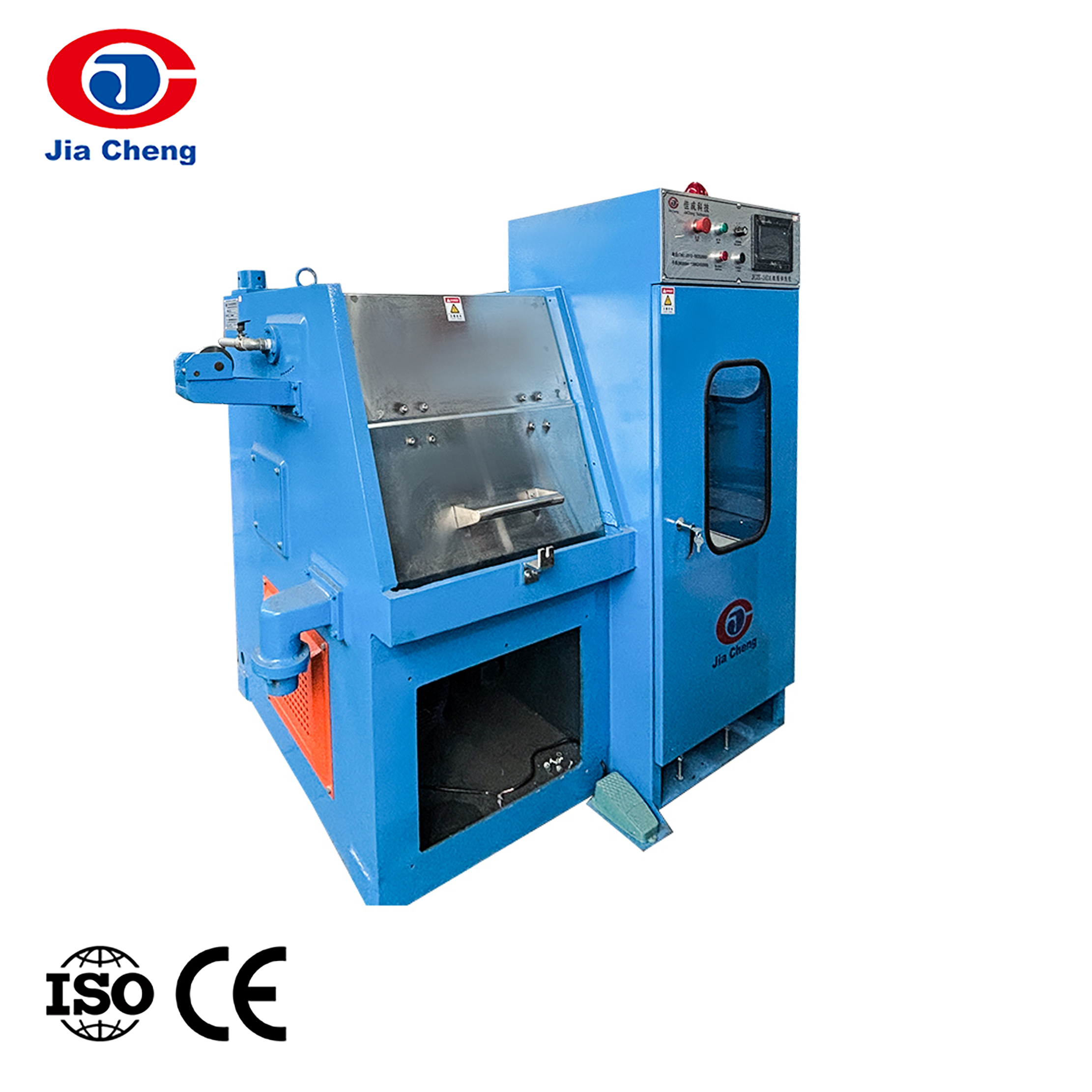
In wire insulation applications, the melt exits through a crosshead die where a conductor — copper, aluminum, or CCA (copper-clad aluminum) — passes through the center. The insulation is applied concentrically around the conductor. This is the foundation of copper wire extrusion machine design, and the geometry has remained essentially unchanged for decades because it works efficiently for thermoplastics that melt uniformly under shear.
A well-designed single screw on a high speed assembly line can run at screw speeds of 20–150 RPM, delivering output rates of 50–800 kg/h depending on screw diameter (typically 45 mm to 150 mm) and material. At these output rates, a modern single screw system can coat conductors at line speeds of 100–1,500 m/min — sufficient for most industrial, automotive, and building wire applications.
How a Twin Screw Wire Extruder Works
A twin screw extruder uses two intermeshing or tangential screws rotating inside a figure-eight barrel. The screws can be co-rotating (both turning in the same direction) or counter-rotating. Co-rotating twin screws are the dominant design for wire and cable material processing.
The key difference from a single screw is the positive conveying and intensive distributive mixing created by the intermeshing geometry. Material is repeatedly passed between the two screw channels, creating far more mixing events per unit time than a single screw can achieve. This makes twin screw machines the standard choice for:
- Compounding — combining base polymers with flame retardants, plasticizers, stabilizers, and fillers into a homogeneous pellet
- Reactive extrusion — silane-crosslinkable polyethylene (XLPE) production where chemical reaction occurs in the barrel
- High-filler loading — LSZH (Low Smoke Zero Halogen) compounds with filler loadings of 50–65% by weight
- Processing of heat-sensitive or shear-sensitive polymers that require precise temperature and residence time control
However, twin screw extruders for direct wire coating are significantly more expensive — typically 3–5× the capital cost of an equivalent single screw machine — and they require more skilled operators and more complex maintenance routines.
Material-by-Material Comparison: Which Extruder Fits Each Insulation Type
The insulation material is the single most important factor in extruder selection. The table below maps common wire insulation types to the correct extruder type, with process notes.
| Insulation Material | Recommended Extruder | Processing Temp (°C) | Key Requirement |
|---|---|---|---|
| PVC (standard) | Single Screw | 160–190 | Short residence time to prevent degradation |
| HDPE / LDPE | Single Screw | 200–260 | Consistent melt pressure for thin walls |
| XLPE (peroxide crosslink) | Single Screw (CV tube) | 180–200 (barrel); 300–400 (CV) | Controlled crosslinking in continuous vulcanization tube |
| LSZH (halogen-free) | Twin Screw preferred | 170–220 | High filler loading (ATH/MDH) requires intensive mixing |
| Silicone rubber | Single Screw (cold feed) | Room temp barrel; vulcanize in hot air oven | Low shear to prevent premature cure |
| TPE / TPU | Single Screw | 190–230 | Pre-drying mandatory; moderate back pressure |
| Fluoropolymer (PTFE, FEP) | Single Screw (specialty) | 320–400 | Corrosion-resistant alloy barrel and screw required |
| LSZH compound (in-line) | Twin Screw | 160–200 | Simultaneous compounding and coating |
Wire Extruder Machine Price: What to Expect for Each Type
Budget is always a real constraint. Wire extruder machine price varies enormously based on screw diameter, speed capability, control system, and origin of manufacture. The table below provides realistic market ranges as of 2025.
| Machine Type | Screw Diameter | Entry-Level Price | Mid-Range Price | High-End Price |
|---|---|---|---|---|
| Single Screw (Chinese mfr.) | 45–90 mm | $15,000 | $30,000–$60,000 | $90,000 |
| Single Screw (European mfr.) | 45–120 mm | $80,000 | $150,000–$250,000 | $400,000+ |
| Twin Screw (co-rotating) | 35–75 mm | $60,000 | $120,000–$250,000 | $500,000+ |
| Complete extrusion line (single screw + payoff + takeup) | 60–90 mm | $80,000 | $180,000–$350,000 | $700,000+ |
Manufacturers such as Jiacheng and other Chinese-origin suppliers typically occupy the entry-to-mid range, offering competitive pricing for standard PVC and PE lines. European brands (Nokia Maillefer, Rosendahl, Troester) dominate the high-end segment where process precision, automation, and long-term support justify the premium. For a mid-volume wire drawing plant running standard building wire or automotive wire, a well-specified Chinese single screw line in the $40,000–$80,000 range often delivers the best return on investment.
The Role of the Extruder Within the Full Cable Production Machinery Line
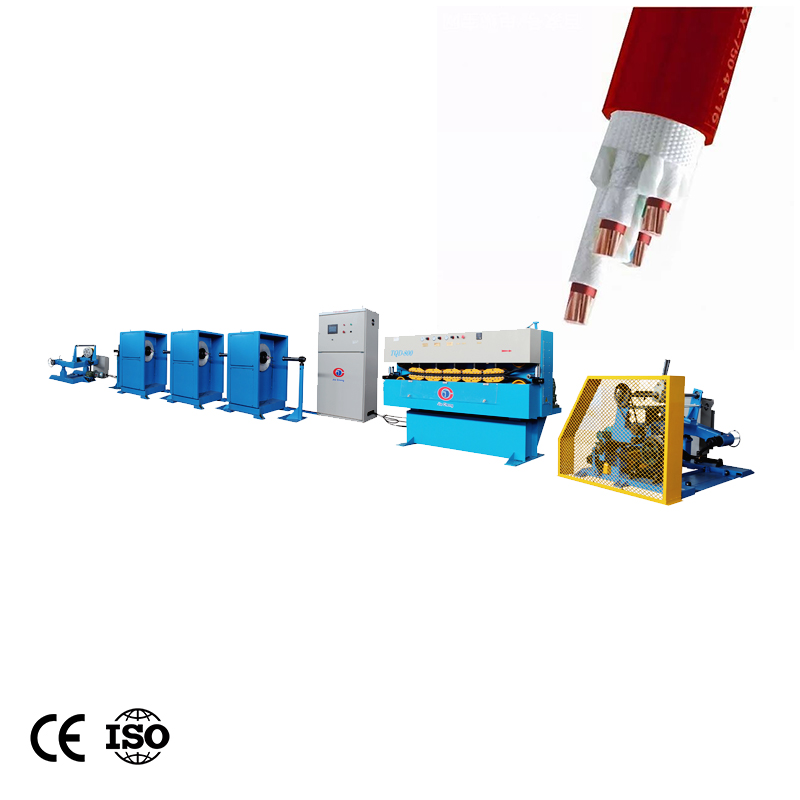
A wire extruder machine — whether single or twin screw — does not operate in isolation. It sits within a tightly integrated sequence of cable production machinery where every upstream and downstream machine affects extrusion quality. Understanding these connections prevents mismatches that reduce output quality or line efficiency.
Upstream: Conductor Preparation
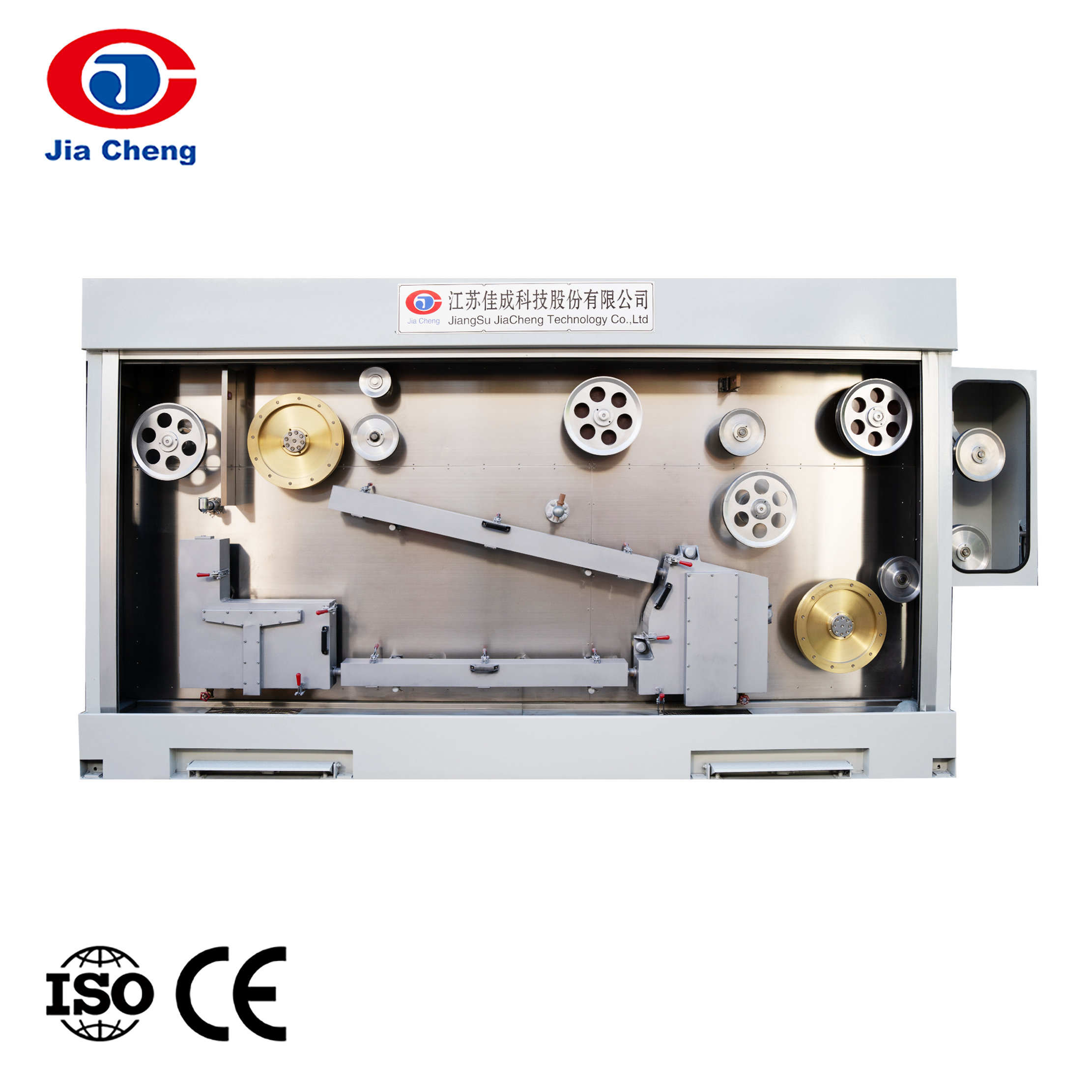
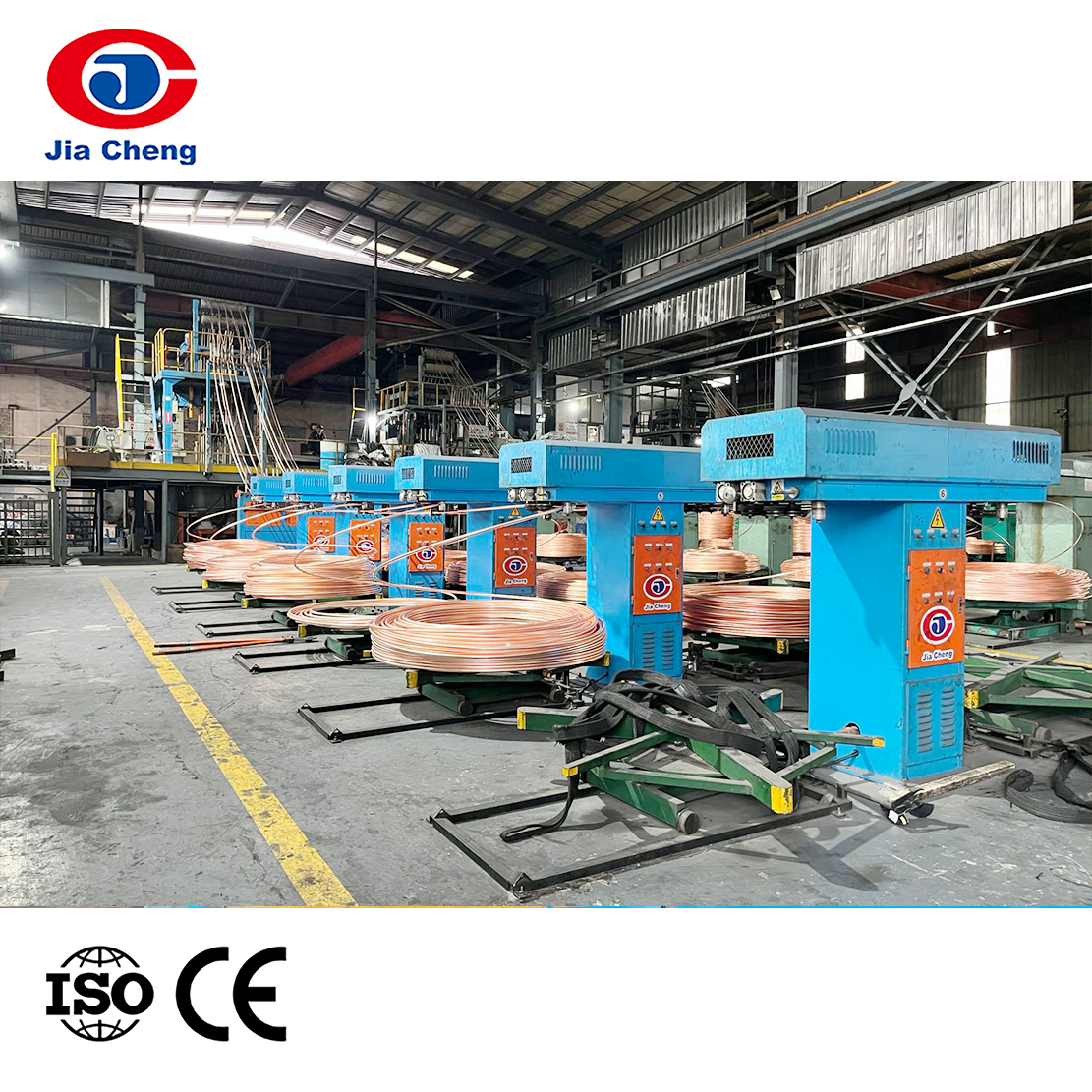
Before a conductor reaches the extruder crosshead, it has typically passed through several processing stages. In a copper conductor line, wire starts as an 8 mm rod that is reduced through a wire drawing plant — a sequence of drawing machines using modern wire drawing technology to reduce diameter progressively through hardened dies. For fine conductors, this process involves multiple passes. An ss wire drawing machine (stainless steel wire drawing machine) follows the same principle but requires higher die pressures and more frequent annealing due to stainless steel's work-hardening rate.
After drawing, conductors are softened using an annealing machine. For tinned copper wire, an additional annealing tin process is applied — the wire passes through a molten tin bath after annealing to deposit a thin tin coating, improving solderability and corrosion resistance. This is standard for hookup wire, electronic cable, and many automotive applications. A poorly annealed or improperly tinned conductor will cause adhesion problems at the extruder crosshead, leading to voids or inconsistent bond between conductor and insulation.
Understanding what is CCA wire is also relevant here: copper-clad aluminum (CCA) wire uses an aluminum core with a copper outer layer, offering weight and cost savings over pure copper. CCA wire requires careful tension control at the extruder payoff because it has a different elastic modulus than pure copper — too much tension causes stretching and conductor eccentricity in the finished cable.
Midstream: Stranding and Twisting Before Extrusion
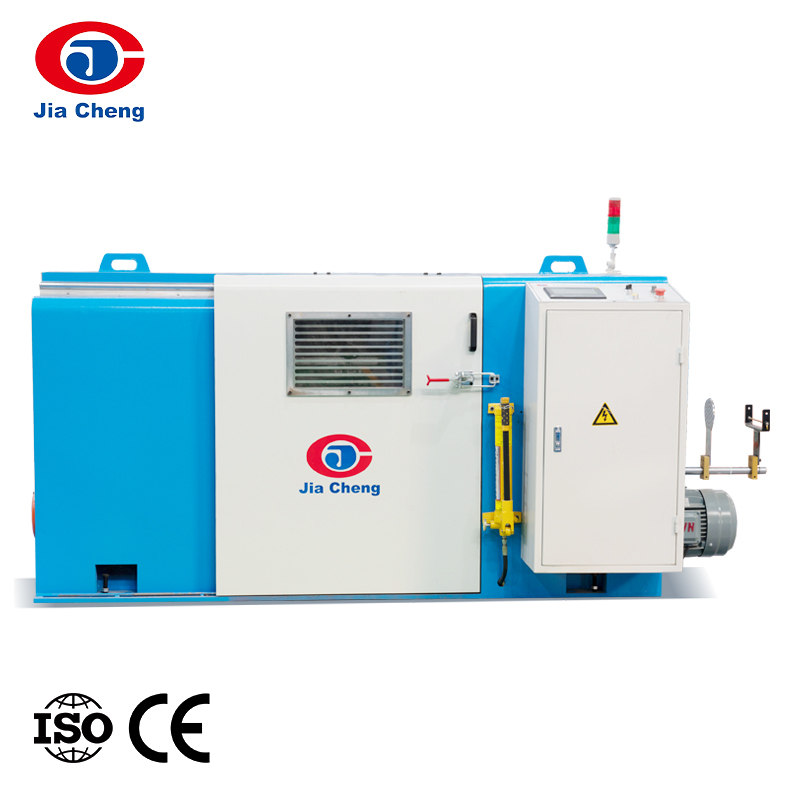
Many cable constructions require stranded conductors before insulation. Concentric wire twisting — where successive layers of wires are applied concentrically around a central wire, each layer in the opposite lay direction — is the standard method for power cable conductors. This is performed on a planetary or tubular stranding machine before the conductor enters the extruder line.
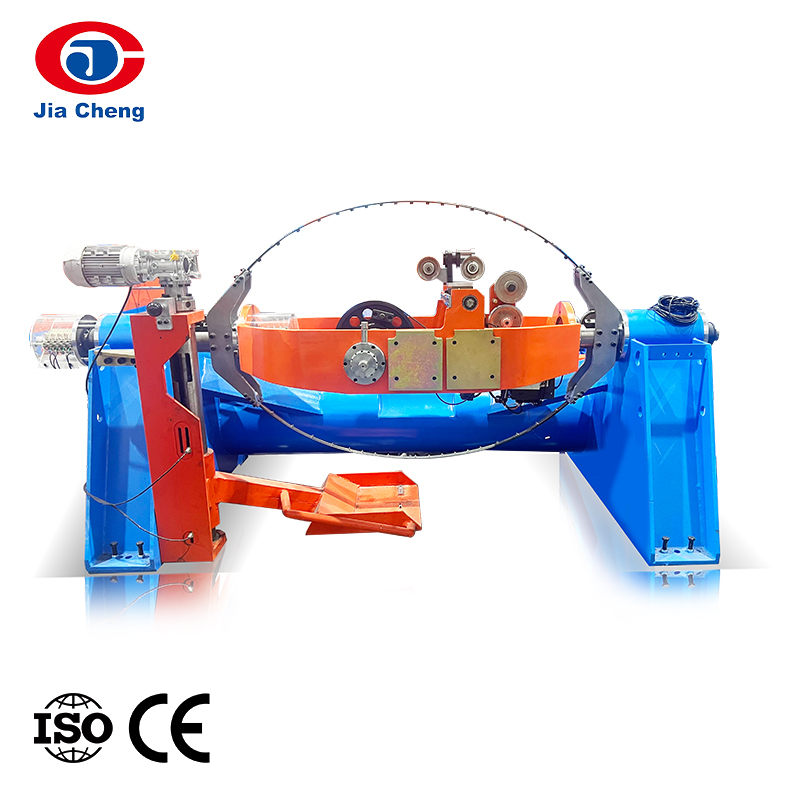
For data and signal cables, a wire laying machine lays individual insulated cores into a cable core in a defined geometric pattern, maintaining controlled lay length to manage capacitance and crosstalk. The lay length is specified by the cable standard and must be consistent — variation of even 5% can push a data cable out of Category 6 or Category 6A compliance.
Downstream: Cooling, Spark Testing, and Take-Up
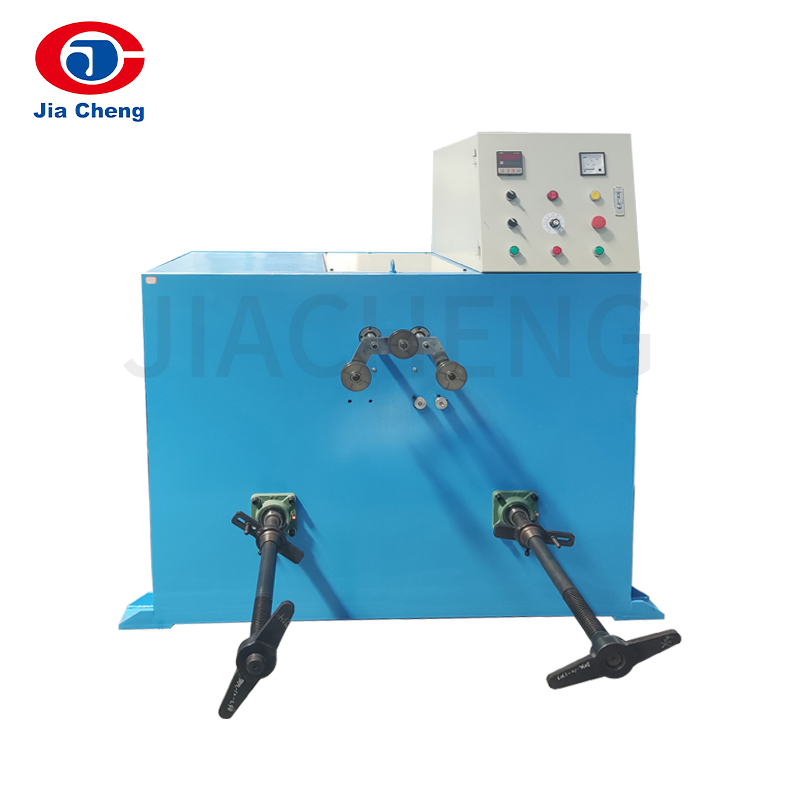
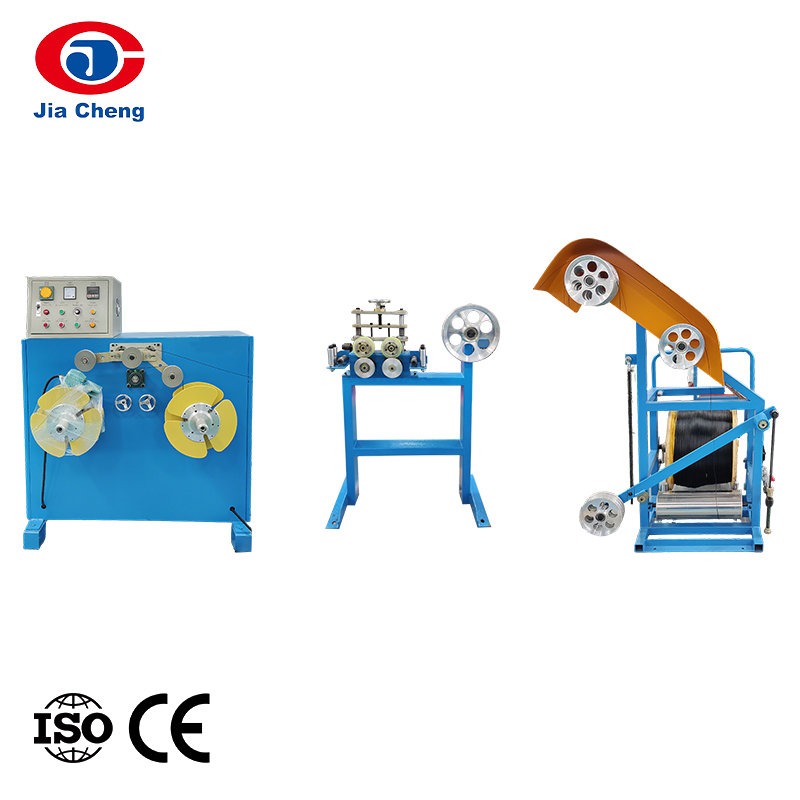
After the crosshead die, insulated wire enters a water cooling trough — typically 4–12 meters long for standard PVC, and up to 60 meters for XLPE in a catenary cooling configuration. Wire then passes through a spark tester (typically 2–10 kV AC or DC depending on insulation thickness and voltage rating) before reaching the take-up section. A wire coiling machine or spool winder at the end of the line packages the finished product. On a high speed assembly line, automatic spool changers allow continuous running without stopping the extruder — critical for maintaining temperature stability and avoiding waste at each restart.
Screw Design: The Technical Detail That Separates Good Extruders from Great Ones
The screw geometry inside the barrel determines mixing quality, output stability, melt temperature uniformity, and ultimately, the dimensional consistency of your insulation. This is where extrusion machine drawing — the engineering design of the screw profile — becomes a competitive differentiator between manufacturers.
Key screw design parameters include:
- L/D ratio (length to diameter): Standard wire extruder screws are 20:1 to 25:1 L/D. Higher L/D (28:1–32:1) improves mixing and melt homogeneity, important for filled compounds like LSZH.
- Compression ratio: Typically 2.5:1 to 4:1. Higher compression generates more shear heat — beneficial for hard-to-melt materials, but risks degradation for heat-sensitive PVC.
- Barrier screw design: A secondary flight separates unmelted solids from melt earlier in the screw, improving output stability. Common in high-speed PE and XLPE lines.
- Mixing sections: Maddock or Dulmage mixing elements at the metering zone improve pigment dispersion and compound homogeneity without significantly increasing melt temperature.
For a twin screw, the modular screw element design allows the process engineer to configure kneading blocks, conveying elements, and reverse elements along the screw length to optimize mixing intensity for each specific material formulation. This flexibility is why twin screws dominate compounding — but it also requires a more experienced process team to operate correctly.
How Wire Drawing Technology Connects to Extrusion Quality
It is impossible to achieve consistent insulation quality without consistent conductor quality. Modern wire drawing technology has advanced significantly — high-speed drawing machines now use closed-loop die lubrication systems, laser-based diameter gauges at each die exit, and automatic tension control to maintain conductor diameter within ±0.5% of nominal. These advances matter directly to the extruder operator because conductor diameter variation causes wall thickness variation, which fails spark and dimensional tests.
Understanding how to draw copper wire at the process level — controlling die angle (typically 8–12° included), reduction ratio per pass (15–25% area reduction), lubricant viscosity, and drawing speed — gives wire plant engineers the foundation to troubleshoot upstream causes of downstream extrusion defects. Many extrusion quality problems that appear to be extruder issues are actually conductor problems originating in the drawing plant.
For those new to the process, wire drawing process video resources from machine manufacturers and industry associations (IWS, Wire Association International) provide visual documentation of each drawing stage that complements technical training. These resources, combined with hands-on commissioning support from equipment suppliers, accelerate the learning curve significantly for new production teams.
Common Questions About Wire Extruder Selection (Practical FAQ)
These are the questions that come up most frequently when wire plant engineers are selecting or upgrading an extruder. They mirror real concerns from production teams and purchasing decision-makers — similar in spirit to the kind of practical guidance found in a doubletwist faq or equipment selection guide.
Can I run LSZH on a single screw extruder?
Yes, but with limitations. Pre-compounded LSZH pellets (purchased from a compound supplier) can be processed on a single screw extruder — the compounding was already done by the supplier using a twin screw compounder. The single screw simply re-melts and applies the pre-mixed compound. However, in-line compounding of LSZH from raw polymer and fillers requires a twin screw. If you are buying ready-compounded pellets, a single screw is sufficient and more economical.
What screw diameter do I need for my output target?
As a general rule, output rate scales approximately with the square of screw diameter. A 60 mm screw processing PVC at standard conditions delivers roughly 100–180 kg/h. A 90 mm screw delivers 250–400 kg/h. For a copper wire extrusion machine targeting fine wire insulation at high line speeds (above 500 m/min), screw diameter is often 45–60 mm — smaller diameter allows faster screw speed and tighter residence time control for thin-wall applications.
Is a twin screw always better quality?
No. For standard thermoplastic insulation materials (PVC, PE, XLPE from pre-compounded pellets), a twin screw offers no quality advantage over a well-designed single screw. In fact, the higher shear energy of a twin screw can be detrimental for heat-sensitive PVC, causing degradation and discoloration. The twin screw's advantages apply only where intensive mixing or reactive processing is genuinely required.
How does extruder choice affect my wire coiling machine at the end of the line?
Extruder output consistency directly affects the wire coiling machine — specifically, coil diameter consistency and layer winding quality. If insulation wall thickness varies (due to unstable melt pressure or die temperature fluctuations), the finished wire OD varies, which causes uneven tension on the coiler and poor layer winding. This shows up as collapsed coils or tangled wire when the coil is paid off by the next machine downstream.
Single Screw vs. Twin Screw: Side-by-Side Decision Summary
| Criteria | Single Screw | Twin Screw |
|---|---|---|
| Capital cost | Low–Medium | High–Very High |
| Operating complexity | Low | High |
| Maintenance requirement | Low | High (screw elements, barrel segments) |
| PVC / PE / XLPE processing | Excellent | Overkill / risk of degradation |
| LSZH in-line compounding | Not suitable | Excellent |
| Silicone rubber processing | Excellent (cold feed) | Not standard |
| Mixing capability | Moderate | Superior |
| High-speed line compatibility | Excellent (up to 1,500 m/min) | Moderate (typically below 600 m/min) |
| Screw change / cleaning time | 1–3 hours | 4–8 hours |
| Best for | Standard insulation, high volume, cost control | Specialty compounds, LSZH, reactive extrusion |
What to Verify Before Finalizing Your Extruder Purchase
Whether you are buying a single screw or twin screw machine, verify these points before signing a purchase order:
- Material trials — Request a machine trial with your specific compound at the supplier's facility. Output rate, melt temperature, and surface quality data from a trial are far more reliable than catalog specifications.
- Crosshead compatibility — Confirm the crosshead die design matches your conductor diameter range and insulation wall thickness. A standard pressure-type crosshead suits most PVC and PE applications; a tube-type crosshead is required for XLPE and some foam insulation applications.
- Control system integration — Verify the extruder PLC can communicate with your upstream annealing machine, downstream wire coiling machine, and spark tester on a common SCADA or line control platform.
- Spare screw and barrel policy — Ask about lead times for replacement screws and barrel liners. For a machine running abrasive LSZH or glass-filled compounds, barrel wear is significant — plan for replacement at 2,000–5,000 operating hours.
- Energy consumption data — Request actual kWh/kg figures for your target material and output rate. For a high speed assembly line running three shifts, energy cost is a significant operating expense that varies considerably between machine designs.
- After-sales support geography — Confirm that the supplier has a service engineer who can reach your facility within 48–72 hours for emergency breakdowns. This matters far more than headline machine price when a line is down.
Conclusion
For most wire and cable producers — whether running a wire drawing plant producing building wire, automotive harness wire, or data cable conductors — the single screw wire extruder remains the correct choice. It is lower cost, simpler to operate, faster to clean, compatible with high-speed lines, and fully capable of processing every standard insulation material from PVC and PE to XLPE and silicone. The twin screw earns its place only when your insulation requires in-line compounding, reactive processing, or exceptionally high filler dispersion — scenarios that represent a minority of wire production applications.
Make the decision based on your material, not on the assumption that more complexity equals better output. A correctly specified single screw extruder, integrated with quality upstream wire drawing technology, a reliable annealing machine, and properly configured downstream equipment, will outperform an over-specified twin screw line run below its design capability every time. Define your material requirements first, match the machine to those requirements, and verify performance with real material trials before you buy.