Language
 中文简体
中文简体 English
 عربى
عربى русский
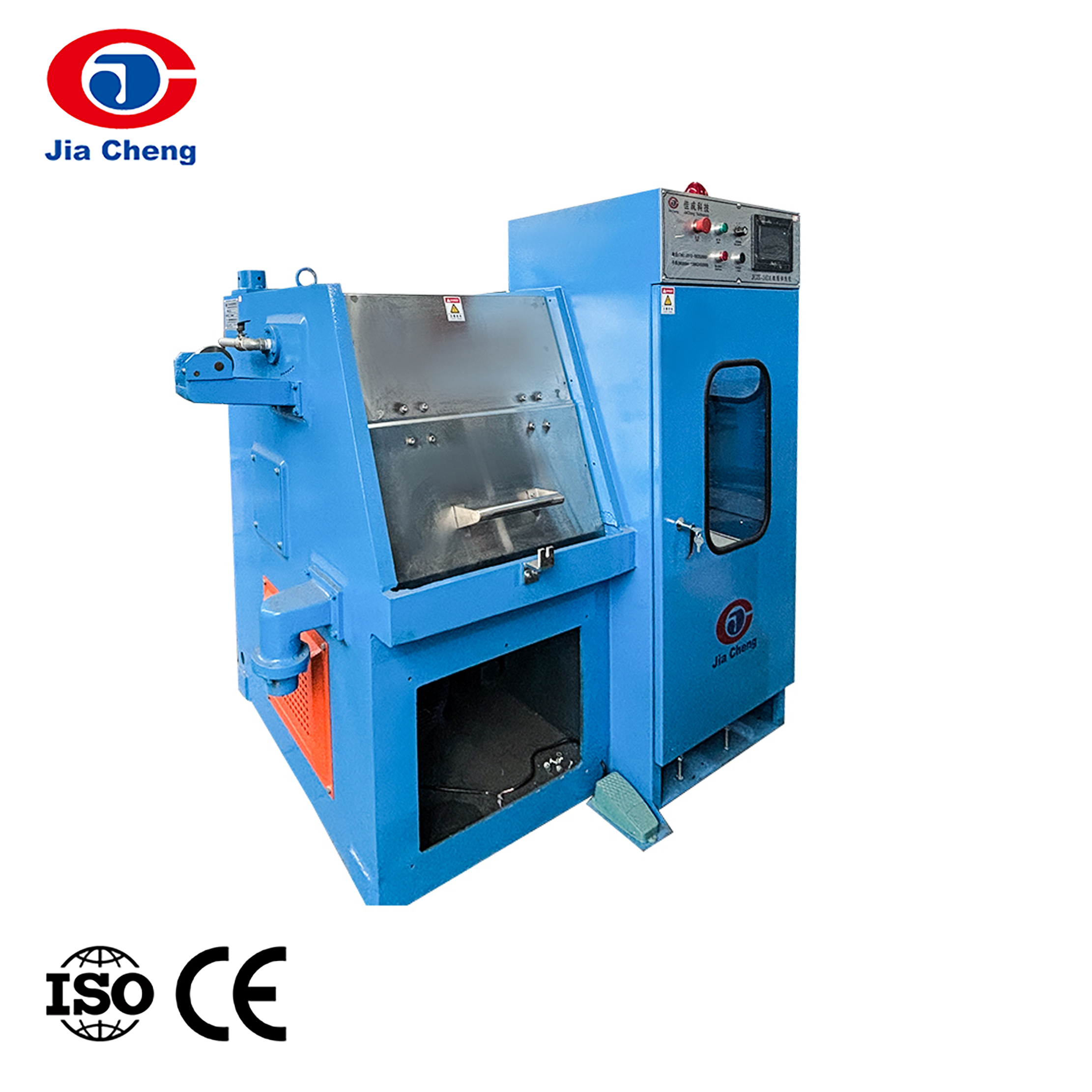
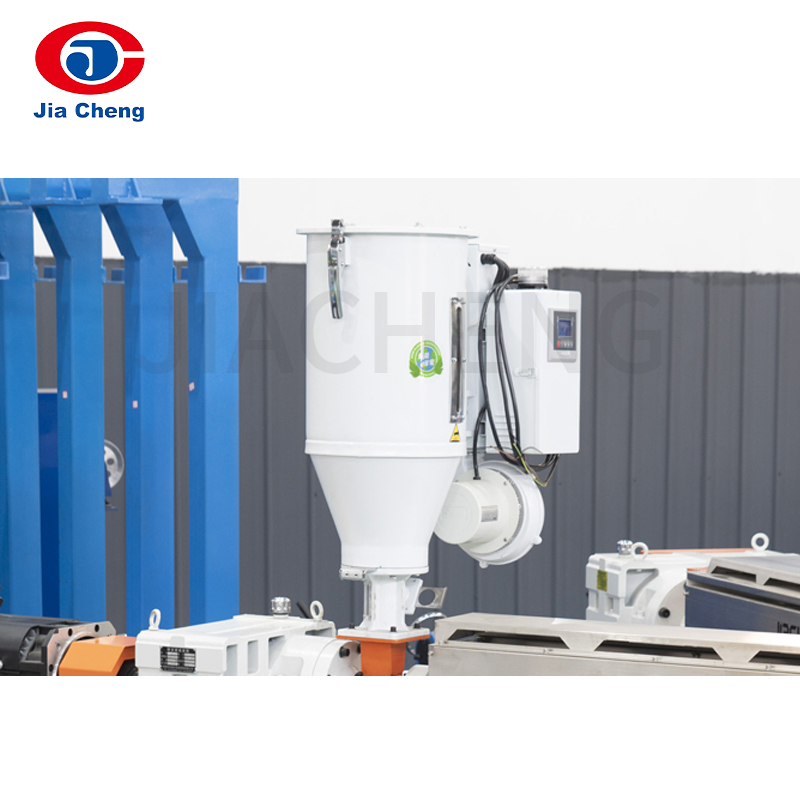
Typical Technical Parameters
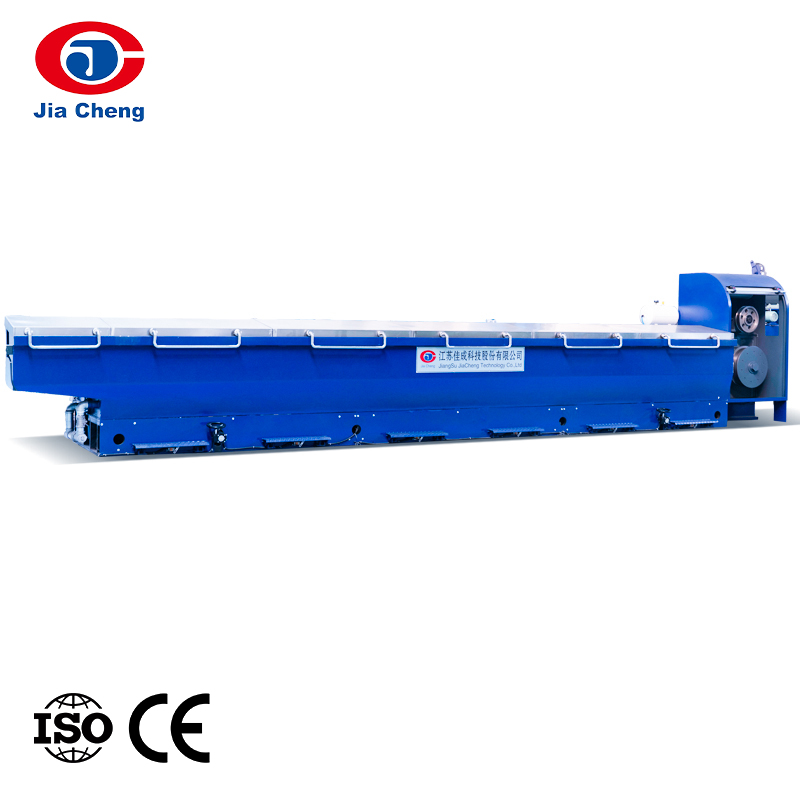
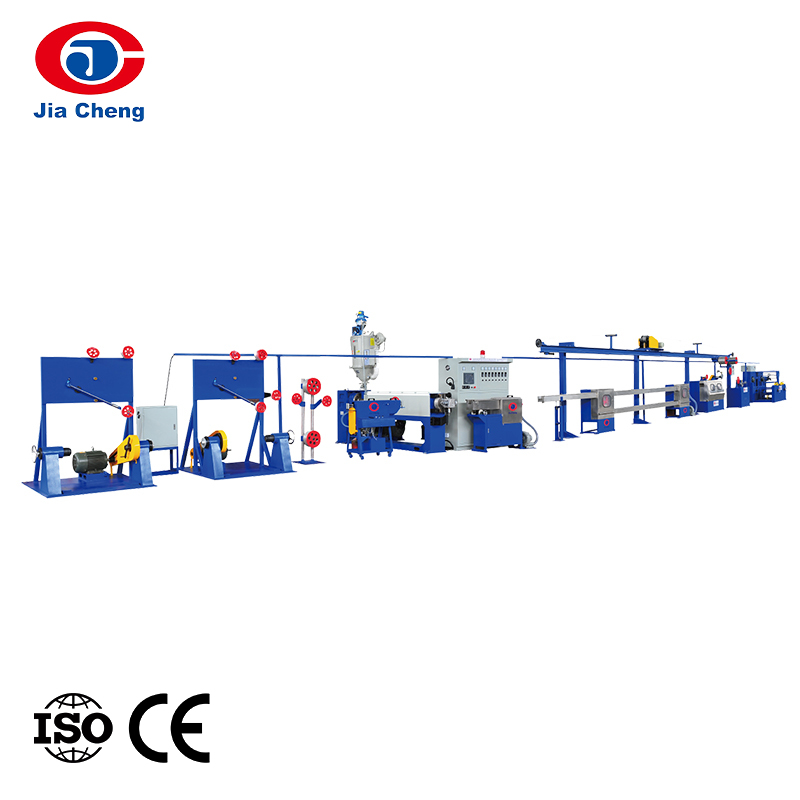
A copper rod to finished wire complete line is generally specified around your target finished gauge range and output volume, with each stage sized to maintain consistent throughput across the whole line. The table below gives a typical configuration for a common building wire target range.
| Line Stage | Typical Equipment | Typical Capacity | Control Approach |
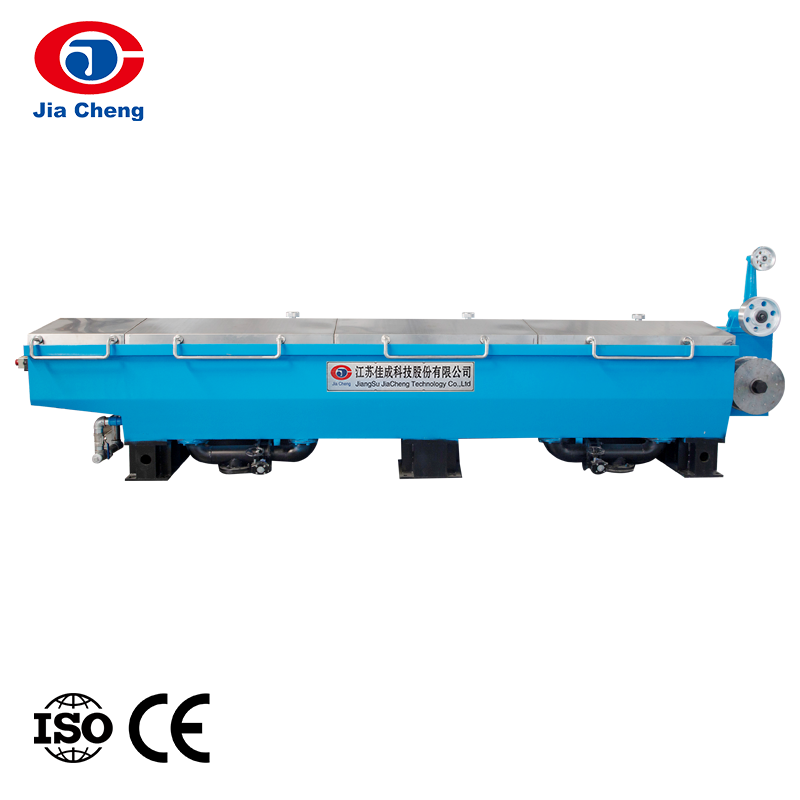
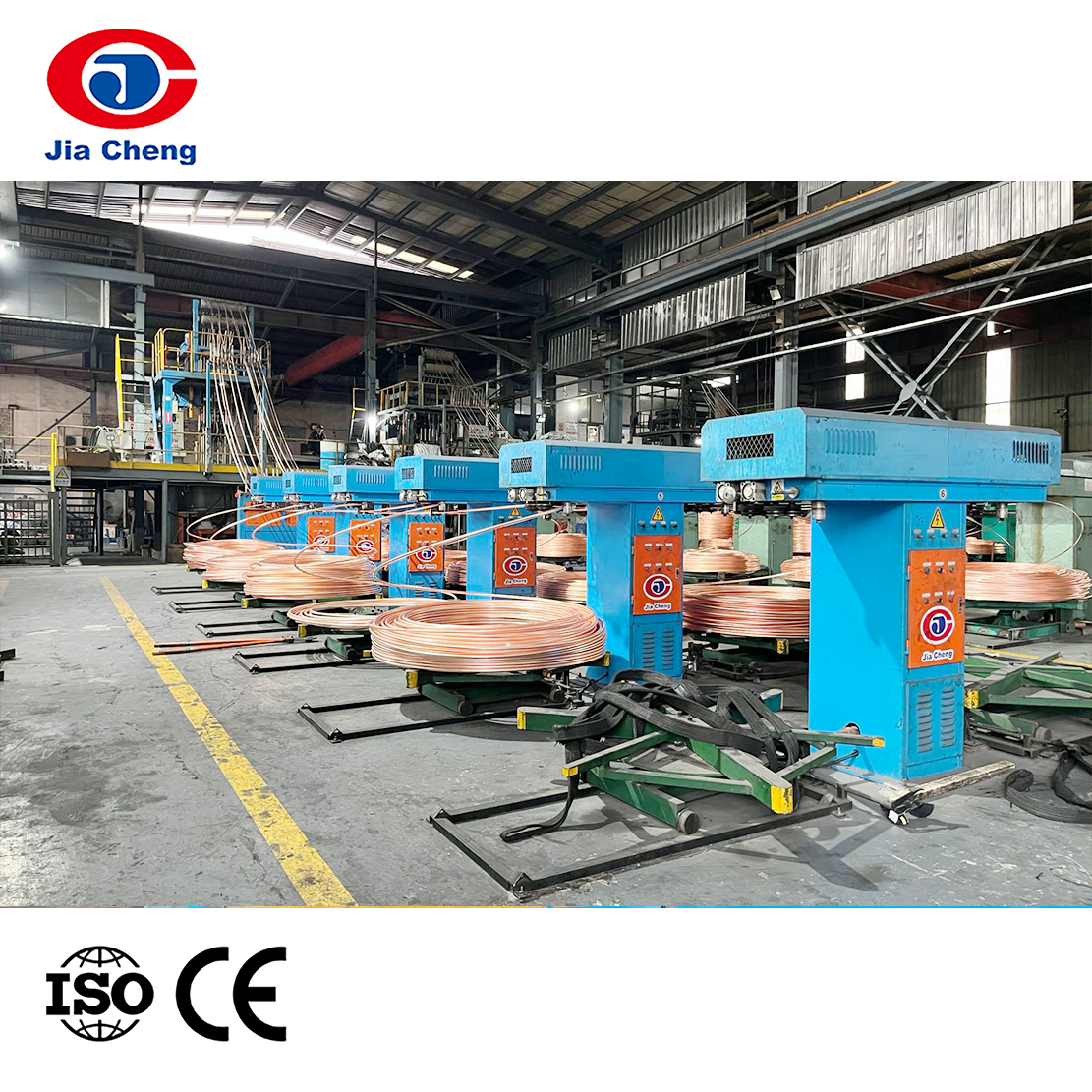
| Rod Breakdown | Rod breakdown machine | 8mm rod to 2.0-2.6mm intermediate wire | PLC + touch screen |
| Fine Drawing & Annealing | Fine wire drawing machine with inline or offline annealing | 2.6mm down to target finished gauge (e.g., 0.4-1.6mm) | PLC, tension and temperature control |
| Bunching (if stranded) | Double twist bunching machine | 7 to 19 strands depending on target flexibility | HMI, automatic tension control |
| Insulation Extrusion | Single-layer PVC or XLPE extrusion line | up to 400-800 m/min for small gauges | PLC + HMI, diameter gauge control |
Once we confirm your target finished gauge range, output goal, and whether solid or stranded (or both) conductor construction is needed, we will provide a specific machine list and capacity figures matched to your exact requirement rather than this illustrative range.
We are glad to walk through how these parameter ranges compare to a related material, gauge range, or performance tier you may already be evaluating elsewhere on our site, since many buyers end up comparing more than one processing category before finalizing a production plan. If your target specification falls between two of the ranges shown here, or requires a combination not directly reflected in the table above, share the details and we will confirm a configuration matched specifically to your case rather than asking you to round up to the nearest standard option. We would also rather flag a genuine limitation in what Copper Rod to Finished Wire Complete Line equipment can reliably achieve early in the conversation than let a mismatched expectation carry through to a formal quotation and cause disappointment later.
Matching Equipment to Your Product Line
This complete line configuration is one of the more standardized turnkey scopes we supply, since it targets a well-understood product category (finished insulated copper wire from rod) rather than a highly specialized product. Even so, we start every project by confirming your target finished gauge range, whether you need solid, stranded, or both conductor types, your target daily or monthly output, and your local wiring standard or certification requirements.
Because this line's value comes from producing a genuinely finished, sellable product in one coordinated sequence, we pay particular attention to balancing capacity across stages — ensuring your drawing and annealing capacity actually supports your target extrusion line speed, rather than leaving a bottleneck at an earlier stage that limits your overall output regardless of how fast your extrusion line can run.
If you can share your target finished wire specification and output goal, we can propose a specific rod-to-wire line configuration, and flag any aspects of your target product (such as an unusually fine gauge or a non-standard rod diameter) that would benefit from adjustments to this standard configuration.
This matching process usually takes a short back-and-forth rather than a single exchange, since buyers often refine their target specification once they see the trade-offs involved in different Copper Rod to Finished Wire Complete Line configurations. We treat this as a normal, expected part of specifying equipment correctly, and would rather spend extra time confirming the right match up front than have a buyer discover a mismatch only after equipment has already been ordered and shipped. If you already have a detailed specification document from your own customer, an internal engineering team, or an industry standard you need to meet, sending it to us directly is often the fastest way to get an accurate, well-matched proposal, since it removes ambiguity from the technical discussion and lets our engineers respond with specifics rather than general ranges.
Quality Control and Certification
For a copper rod to finished wire line, the two quality factors that matter most across the whole sequence are dimensional consistency through drawing and annealing, and insulation thickness and surface consistency through extrusion, since these together determine whether the finished wire meets its target electrical and mechanical specification.
Each machine in this line is tested individually with sample copper before integration, and we verify that annealing produces consistent elongation and conductivity results suited to your target wire softness. The extrusion stage is tested at your target line speed (not just a slow test speed), since insulation thickness consistency can vary meaningfully between low-speed and full-speed operation.
We use PLC and drive components from recognized international brands across the line's control systems. If your target market requires finished wire meeting a specific local wiring or electrical safety standard, share that with us during project planning so we can confirm the full line's process capability, from conductor preparation through insulation, genuinely supports meeting it in consistent production.
We document every quality check performed during manufacturing and testing so the records travel with the Copper Rod to Finished Wire Complete Line you purchase, giving your own quality team a documented baseline to reference once the equipment is running in your facility. If your organization has an internal supplier qualification or quality audit process, we are glad to provide additional documentation or answer specific questions as part of that process, rather than only offering our standard test report. We would rather be transparent about exactly what has and has not been verified before shipment than leave you to assume a broader scope of testing than was actually performed, since that kind of misunderstanding tends to surface at the worst possible time, once the equipment is already installed and running.
Frequently Asked Questions
Q: Can this line produce multiple wire gauges, or is it fixed to one size?
A: The line can typically produce a range of gauges within its designed capacity through die and tooling changes; we will confirm the practical gauge range for your specific configuration during quotation.
Q: Do I need a separate bunching machine if I only need solid conductor wire?
A: No, bunching equipment is only needed for stranded (flexible) conductor construction; a solid-conductor-only line can skip this stage.
Q: What rod diameter does this line require as input?
A: 8mm copper rod is the standard input for this configuration; if your local rod supply uses a different diameter, let us know so we can confirm compatibility.
Q: Can I add a coiling or packing machine to this line?
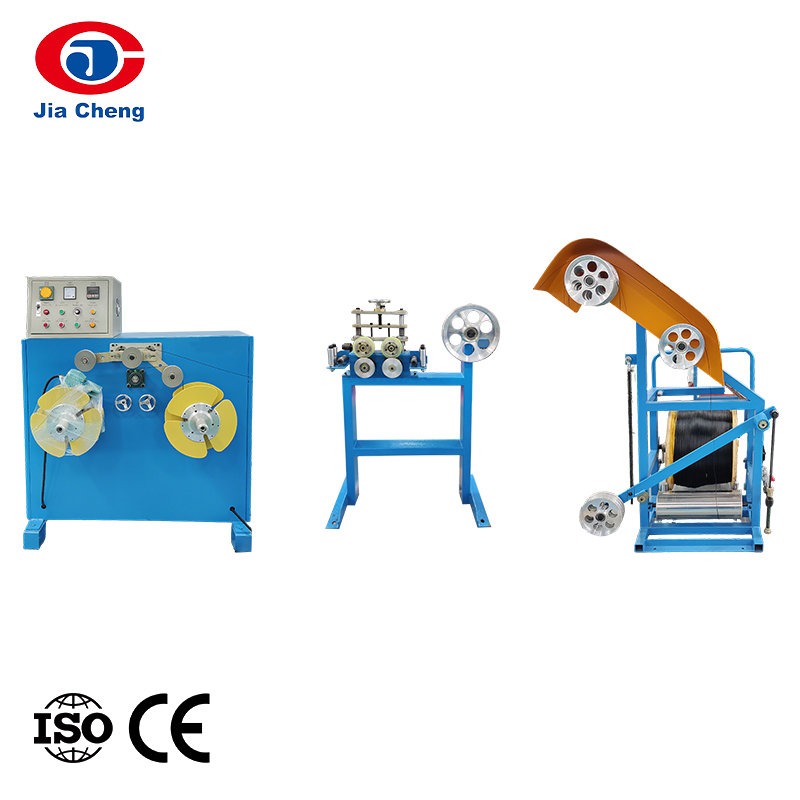
A: Yes, automatic coiling and packing equipment is commonly added to this line configuration and can be included in your quotation.
Q: How much factory space does this complete line typically require?
A: This depends on the specific machine models and layout; we can provide a layout drawing with footprint dimensions once we know your target configuration.
If your question about Copper Rod to Finished Wire Complete Line is not answered here, reach out directly with your specific situation rather than assuming a general answer applies to your case; because equipment specification depends so heavily on your exact target product, gauge range, and application, many of the most useful answers are specific to your project rather than universal. We would rather take the time to answer a specific question accurately, even if that means asking you a few clarifying questions first, than give a generic response that sounds complete but does not actually apply to what you are trying to build or the standard you need to meet.
Price Range and Quotation Process
Because this line configuration is one of our more standardized complete-line scopes, we are generally able to provide pricing guidance somewhat more quickly than for highly custom turnkey projects, though exact pricing still depends on your target gauge range, output capacity, and whether bunching and finishing equipment are included.
To prepare a quotation, we typically need your target finished wire gauge range, whether you need solid, stranded, or both conductor types, your target daily or monthly output, and your local wiring standard. With this information we usually return a formal quotation with proposed line configuration and lead time within a few business days.
If you are planning your first factory and working from a defined budget, we can propose a configuration that starts with the core drawing, annealing, and extrusion stages within your budget, with bunching and additional finishing equipment identified as a natural second-phase addition once your initial production is generating revenue.
We recognize that different buyers are at different stages of planning, from early budget research to a final purchasing decision, and we are happy to provide a general pricing indication for Copper Rod to Finished Wire Complete Line even before you have finalized every technical detail, so you can gauge whether this category of equipment fits your overall project budget before investing more time in a detailed specification. If your budget research is still at an early stage, say so directly and we will tailor the level of detail in our response accordingly, rather than pushing for a full technical exchange before you are ready to have that conversation.