Language
 中文简体
中文简体 English
 عربى
عربى русский

Typical Technical Parameters
Voltage and frequency configuration applies across our equipment range and depends on your specific local electrical standard rather than following one universal specification. The table below outlines common regional standards we configure equipment to match.
| Region Example | Typical Voltage | Typical Frequency | Configuration Consideration |
| China, much of Europe, parts of Africa/Asia | 380-400V (three-phase) | 50Hz | Standard motor and drive configuration |
| North America, parts of Central/South America | 460-480V (three-phase) | 60Hz | Motor speed and cooling design adjusted for 60Hz operation |
| Middle East (varies by country) | 380-415V (three-phase) | 50Hz | Standard motor and drive configuration, verify local voltage tolerance |
| Other regions | varies | varies | Confirmed individually based on your specific local standard |
Because electrical standards can vary even within regions or between neighboring countries, share your specific local voltage and frequency standard (rather than relying on a general regional assumption), and we will confirm the exact configuration for your equipment.
We are glad to walk through how these considerations compare to a related requirement you may already be evaluating elsewhere on our site, since many buyers end up thinking through more than one consideration before finalizing a purchase decision. If your target requirement falls outside what is shown here, or requires a combination not directly reflected in the table above, share the details and we will confirm how to address your specific case rather than leaving you to assume a standard answer applies. We would also rather flag a genuine limitation early in the conversation than let a mismatched expectation carry through to a formal quotation and cause disappointment later.
Matching Equipment to Your Product Line
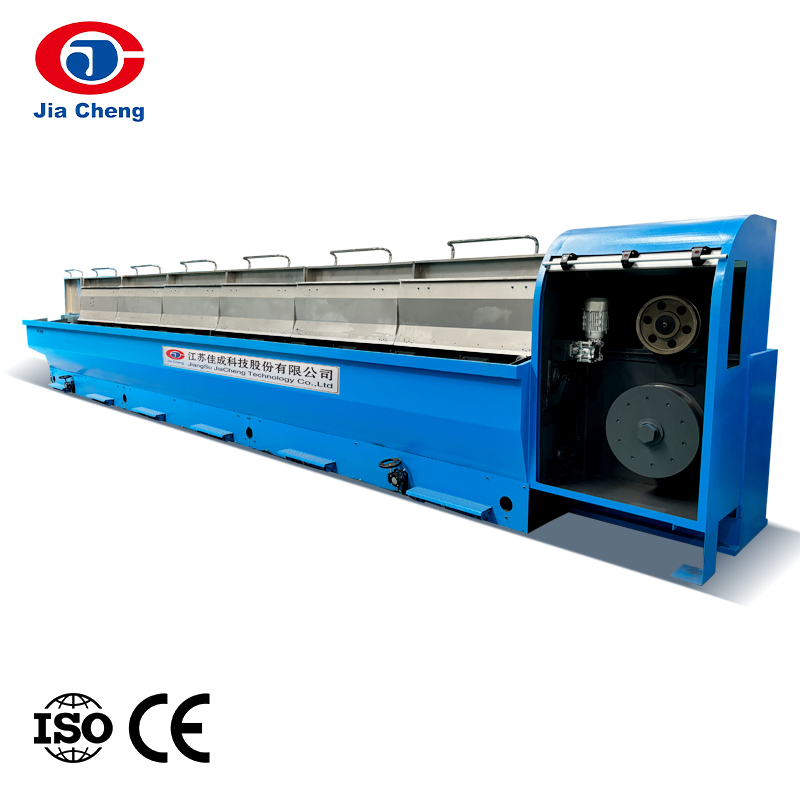
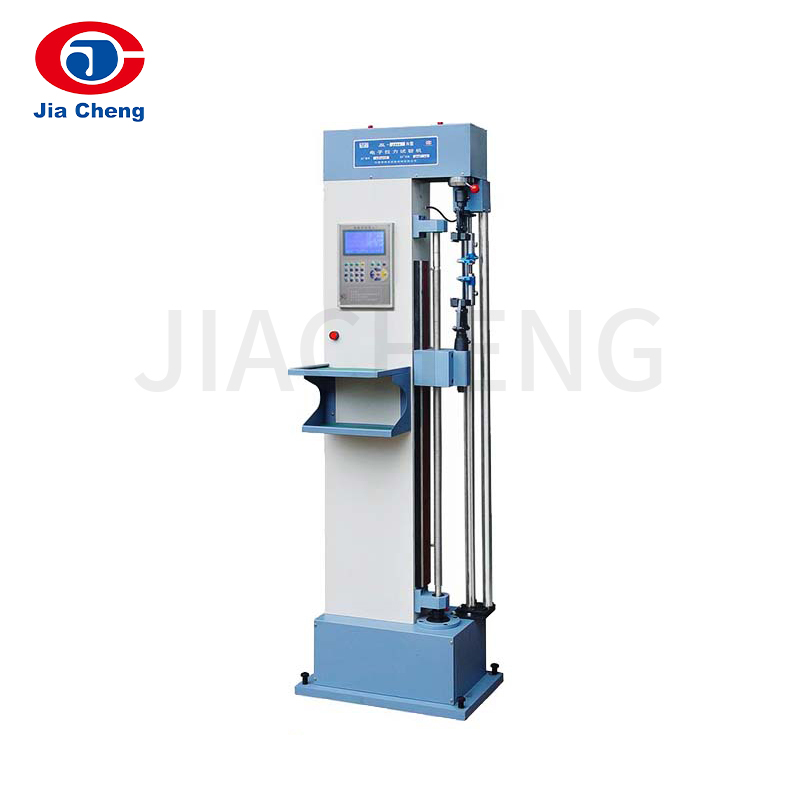
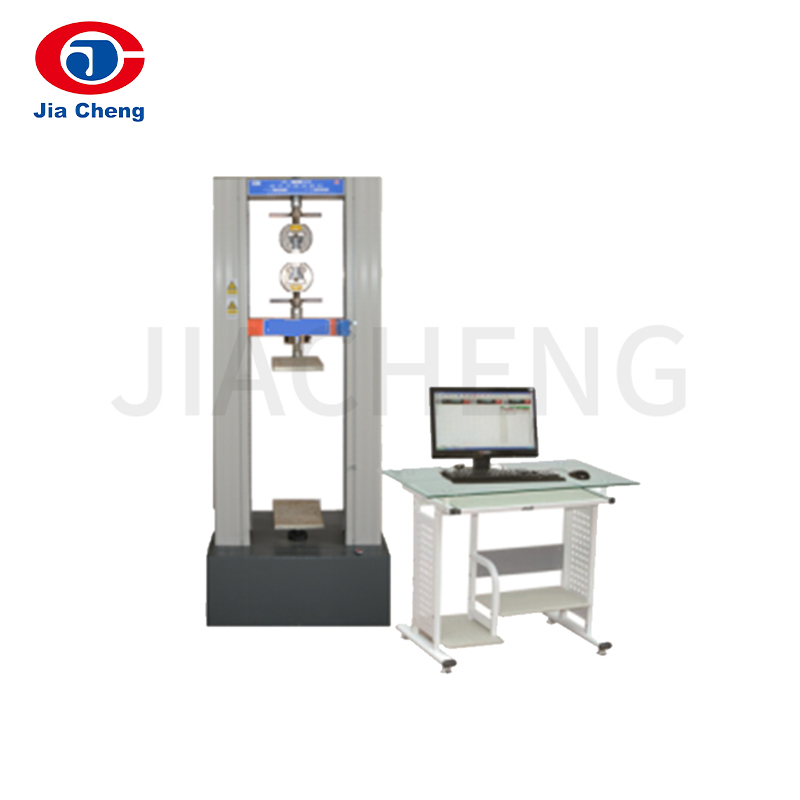
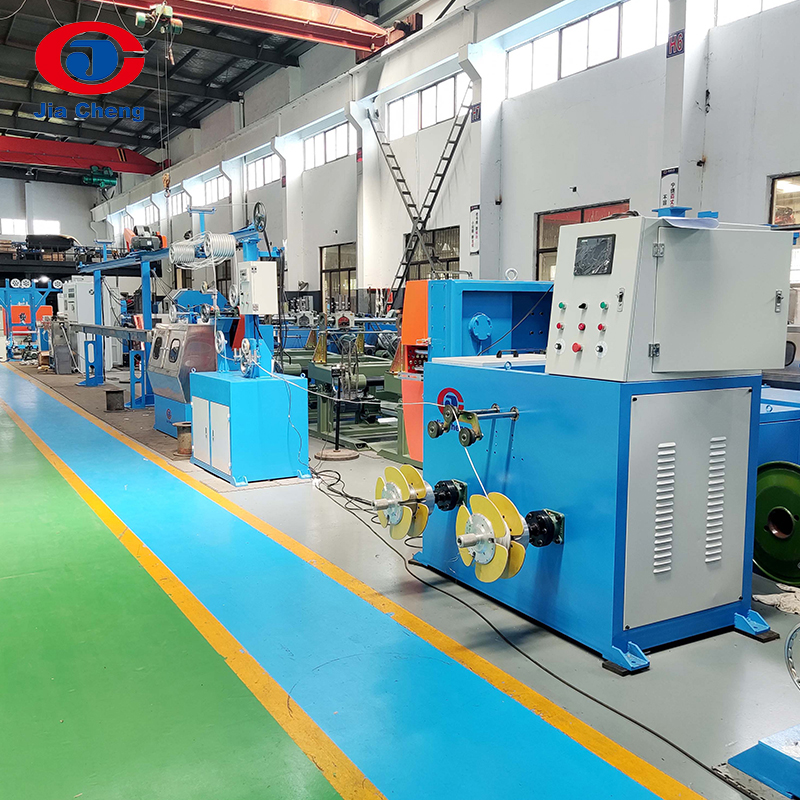
Because voltage and frequency configuration applies to whichever machine you are ordering, our conversation about this topic happens alongside your broader equipment selection discussion, and we treat confirming your exact local electrical standard as an essential early step rather than an afterthought addressed just before shipment.
We ask specifically for your voltage, frequency, and phase configuration (single-phase versus three-phase, and for three-phase, the specific voltage between phases), since assumptions based on general regional standards can sometimes be wrong for a specific location or facility. We also confirm whether your local supply has any specific characteristics (voltage stability, common fluctuation ranges) that might warrant additional protective components in your equipment's electrical design.
If you can share your target machine type and confirmed local electrical specification, we can configure your equipment correctly from the start, avoiding the cost and delay of addressing an electrical mismatch after equipment has already arrived at your facility.
This matching process usually takes a short back-and-forth rather than a single exchange, since buyers often refine their exact requirement once they understand the trade-offs and considerations involved in Custom Voltage Configuration Machine (50Hz/60Hz). We treat this as a normal, expected part of getting things right, and would rather spend extra time confirming the details up front than have a buyer discover a mismatch only after equipment has already been ordered and shipped. If you already have a documented requirement from your own internal team or a regulatory process you need to satisfy, sending it to us directly is often the fastest way to get an accurate, well-matched response.
Quality Control and Certification
For custom voltage-configured equipment, quality control includes specifically verifying that motors, drives, and electrical components are correctly rated and configured for your confirmed target voltage and frequency, in addition to our standard mechanical and process quality checks.
We test equipment under load conditions representative of your target electrical supply where practical, and verify that motor performance (speed, torque, and thermal characteristics) is appropriate for your specific frequency standard, since motors are frequency-dependent and a component simply rated for the correct voltage is not automatically correctly configured for a different frequency than it was originally designed around.
If your local electrical supply has documented characteristics (such as common voltage fluctuation) that your other equipment suppliers have needed to account for, share that information with us during quotation so we can confirm our equipment's electrical design accounts for it appropriately.
We document the relevant checks and confirmations performed as part of preparing your Custom Voltage Configuration Machine (50Hz/60Hz) so the records travel with your order, giving your own team a documented baseline to reference. If your organization has an internal supplier qualification or compliance audit process, we are glad to provide additional documentation or answer specific questions as part of that process, rather than only offering our standard documentation. We would rather be transparent about exactly what has and has not been verified than leave you to assume a broader scope of confirmation than was actually performed, since a gap discovered later, after equipment has shipped, is far more disruptive than one addressed clearly at the outset. If a specific document format or additional signature is required by your customs broker or internal team, tell us early so we can prepare it correctly the first time.
Frequently Asked Questions
Q: How do I know my facility's exact voltage and frequency standard?
A: This information is typically available from your local electrical utility or your facility's electrical contractor; we recommend confirming this precisely rather than relying on a general assumption about your country's standard.
Q: Can equipment be switched between 50Hz and 60Hz after manufacturing?
A: This is generally not a simple adjustment, since motors and some control components are designed around a specific frequency; confirming your requirement before manufacturing is much more practical than converting afterward.
Q: What if my facility has single-phase rather than three-phase power?
A: Larger equipment generally requires three-phase power; if your facility only has single-phase available, this is an important consideration to discuss early, as it may affect equipment selection or require infrastructure upgrades.
Q: Does voltage configuration affect the machine's price?
A: Generally not significantly, since this is a standard part of our manufacturing process; some specific voltage or frequency combinations involving less common components could have a modest cost difference, which we will flag if relevant.
Q: What happens if there's a mismatch between confirmed specification and actual site conditions?
A: We prioritize diagnosing the discrepancy during commissioning and work with you to resolve it, whether that means confirming an error in initial specification or addressing an issue with your local electrical supply.
If your question about Custom Voltage Configuration Machine (50Hz/60Hz) is not answered here, reach out directly with your specific situation rather than assuming a general answer applies to your case; because these requirements depend so heavily on your exact target market, machine type, and internal process, many of the most useful answers are specific to your project rather than universal. We would rather take the time to answer a specific question accurately than give a generic response that does not actually apply to your situation.
Price Range and Quotation Process
Voltage and frequency configuration is generally included as a standard part of your equipment's base pricing rather than a significant separate cost item, since this is a routine part of how we manufacture equipment for export markets. Some specific voltage or frequency combinations involving less common components could involve a modest cost consideration, which we will flag directly if relevant to your order.
To prepare a quotation, we typically need to know which machine type you are considering and your confirmed local voltage, frequency, and phase configuration. With this information we can provide complete pricing that already accounts for the appropriate electrical configuration for your market.
If you are unsure about your exact electrical specification during initial budget research, we can provide preliminary pricing based on a general regional assumption, but we will confirm the exact specification before finalizing your order to ensure accuracy.
We recognize that different buyers are at different stages of planning, and we are happy to provide a general indication regarding Custom Voltage Configuration Machine (50Hz/60Hz) even before you have finalized every detail, so you can gauge how it fits your overall project budget and timeline before investing more time in a detailed specification. If your planning is still at an early stage, say so directly and we will tailor the level of detail in our response accordingly, rather than pushing for a full technical and documentation exchange before you are ready to have that conversation. As your requirements firm up, we can refine the quotation and documentation plan together rather than starting over from scratch.