Language
 中文简体
中文简体 English
 عربى
عربى русский

Typical Technical Parameters
Building and house wire equipment is generally optimized for high speed and high uptime on a narrow, well-defined size range, rather than for handling many different products on one machine. The table below gives typical ranges for the core machines used in this category; your exact specification depends on your target gauge range (commonly expressed in mm2 or AWG) and your daily output target.
| Machine Type | Typical Product Range | Max Line Speed | Drive & Control | Typical Motor Power |
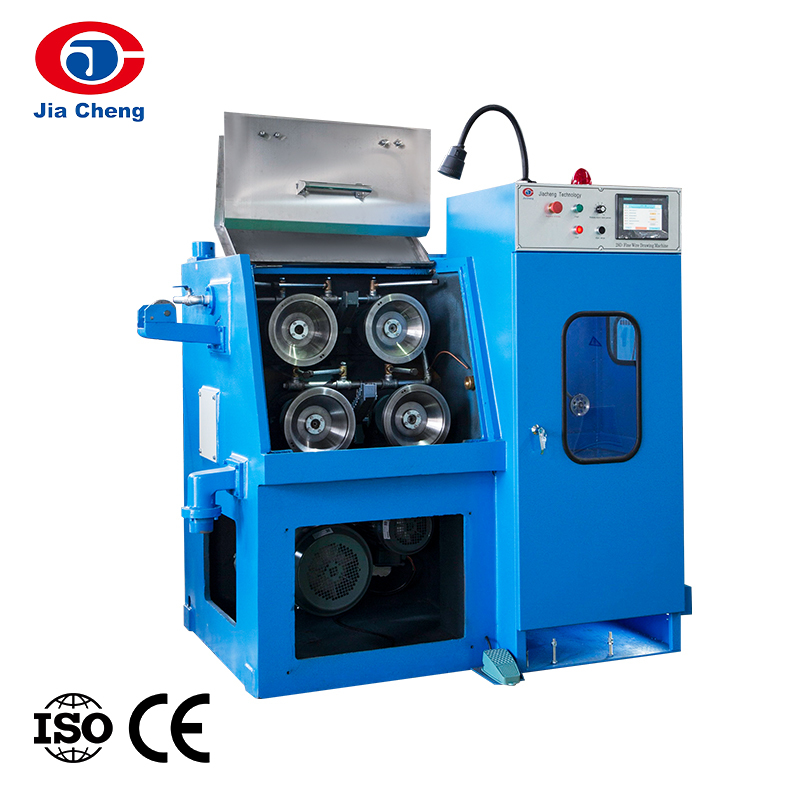
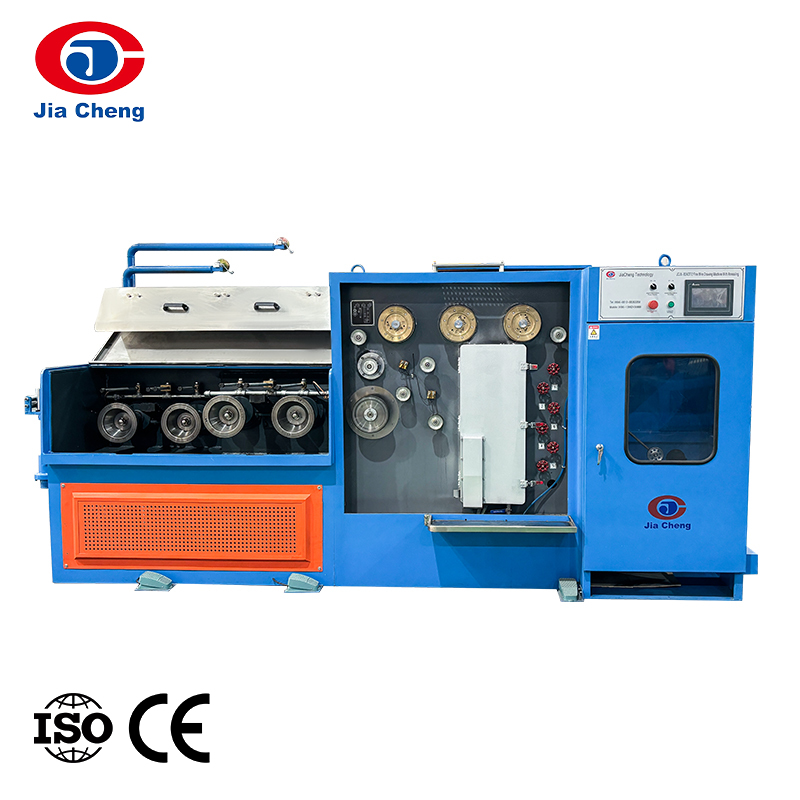
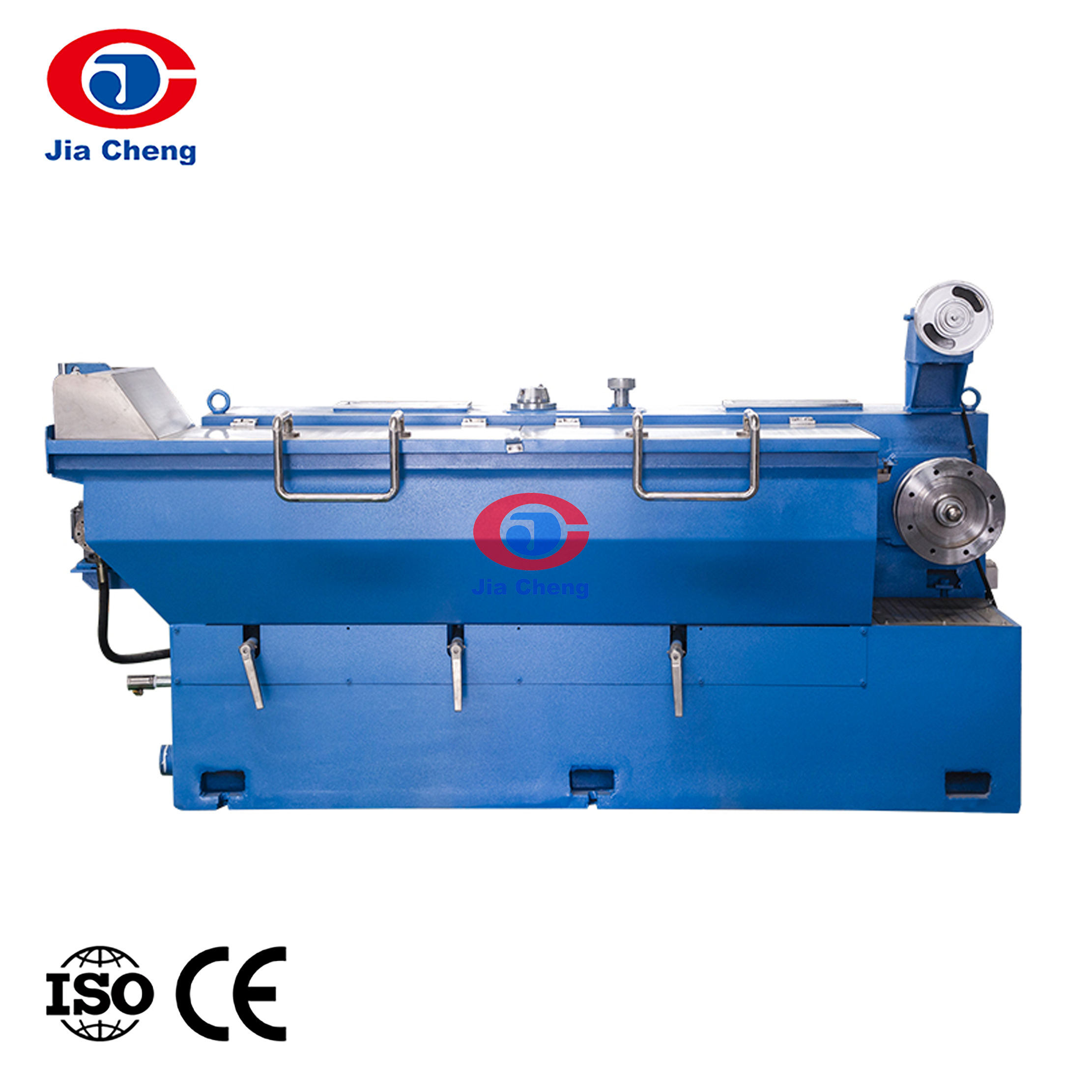
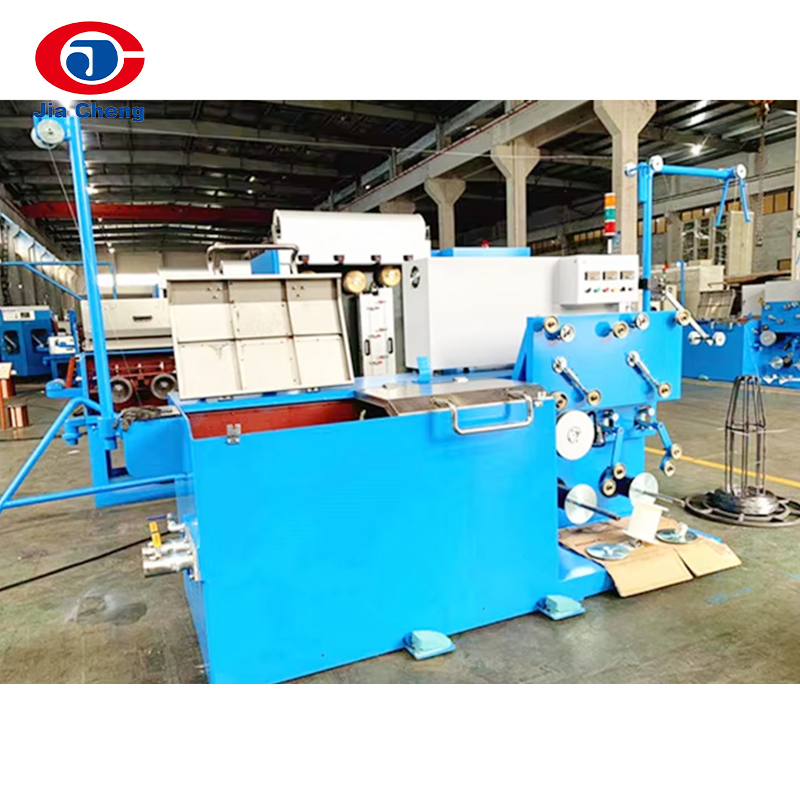
| Fine / Multi Wire Drawing Machine | 2.6mm down to 0.20mm copper wire | up to 15-25 m/s | AC motor, PLC touch screen | 7.5-37 kW |
| Double Twist Bunching Machine | 7 to 37+ strand bare or tinned copper | up to 1500-2500 rpm spindle speed | HMI setting, automatic tension control | 7.5-22 kW |
| High-Speed PVC Extrusion Line | 0.5-6 mm2 single core building wire | up to 400-800 m/min for small gauges | PLC + HMI, closed-loop diameter control | 30-75 kW |
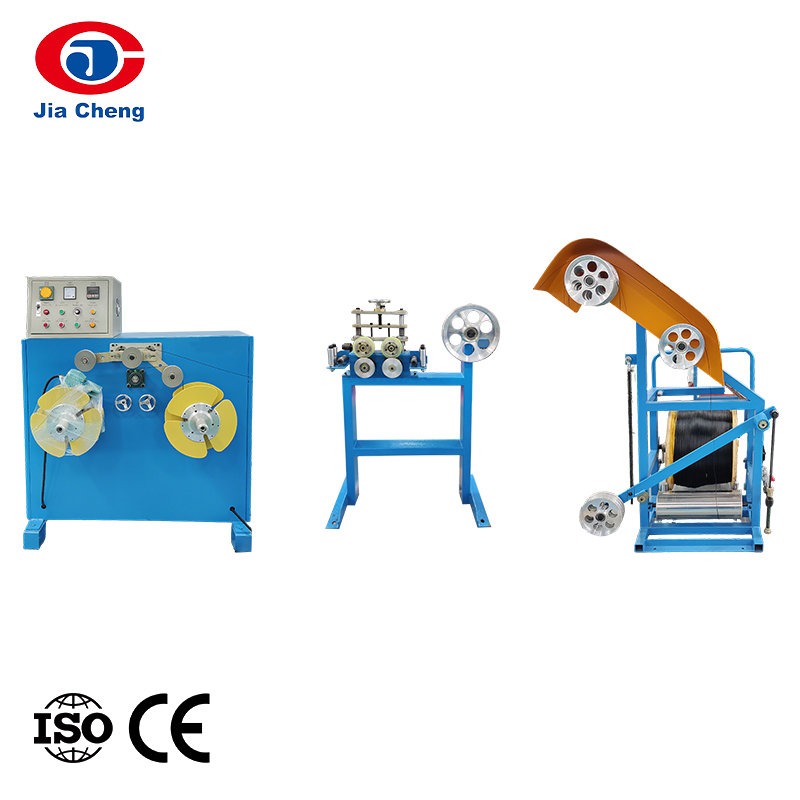
| Fully-Automatic Coiling & Packing Machine | coil weight and length per local standard | cycle-time dependent on coil size | PLC automatic cycle | 3-11 kW |
For building wire specifically, line speed and changeover time between gauges usually matter more to your production economics than raw machine specifications on paper, so during quotation we also discuss expected daily output in kilometers or kilograms, not just top speed, since real-world output is affected by gauge changes, coil changes, and startup/shutdown time across a shift.
We can also provide a comparison table showing how output changes across your two or three most common gauges, since a machine's rated top speed is usually only achieved on its easiest, largest-gauge product, while your actual production mix may run somewhat slower on average once smaller gauges and more frequent color or coil changes are factored in.
Matching Equipment to Your Product Line
Most building wire buyers already know their target market's wiring standard — for example a specific national or regional standard covering conductor cross-section, insulation thickness, and coloring — before they contact us, and the main question is how to size a line that produces those gauges efficiently at their target daily volume. We start from that standard and your volume target, rather than starting from a fixed machine catalog and asking you to fit your needs into it.
A typical building wire line for a new or expanding factory combines a fine wire drawing machine sized to your top gauge, a bunching machine if you need stranded (flexible) wire in addition to solid wire, a high-speed single-layer extrusion line matched to your target output speed, and a coiling and packing machine matched to your local packaging format (rolls, coils, or reels of a specific length or weight). If you are only adding one missing step to an existing line — for example adding an automatic coiler to a manual operation — we can quote that step alone rather than requiring a full line purchase.
We have supported building and house wire projects at different scales, from smaller factories producing a limited range of common gauges to larger operations covering a full range of building wire sizes and colors. If you can share your target gauge range, expected daily or monthly output, and whether you need solid, stranded, or both wire types, we can propose a specific machine list and lay out how it would fit your available factory space.
Quality Control and Certification
Building and house wire is a high-volume, thin-margin product, so consistency at speed is the main quality challenge — a machine that runs well at low speed but drifts in diameter or insulation thickness at full production speed will quietly erode your margin through material giveaway or rejected coils. Our quality process for this equipment class focuses specifically on speed-stable performance, not just static accuracy.
Extrusion lines for building wire are tested with closed-loop diameter control so that insulation thickness stays within tolerance as line speed changes, and we run sample production at your intended target speed (not just a slow test speed) before the machine ships, so the test report reflects real operating conditions. Drawing and bunching machines are checked for tension stability across a full bobbin or reel cycle, since tension drift late in a run is a common source of wire breaks and downtime on high-speed lines.
We use PLC and drive components from recognized international brands for the control systems on this equipment, matched to your regional service network where possible, so that replacement parts and local technical support remain accessible after installation. If your target market requires specific compliance marks for building wire (for example local electrical safety marks tied to your country's wiring regulations), let us know during quotation — this affects the wire's insulation formulation and testing more than it affects the machine itself, but it is worth confirming early so your material suppliers and our equipment specification are aligned.
Frequently Asked Questions
Q: What is the minimum order to get a full building wire line, or can I buy machines separately?
A: You can order individual machines (for example just an extrusion line) or a complete line. Many new factories start with drawing, extrusion, and packing equipment and add bunching or additional lines later as volume grows.
Q: Can one line produce multiple wire colors and sizes?
A: Yes, within a defined range. Color is normally changed via the extrusion masterbatch and size via die and gauge changes; we can advise on realistic changeover time between different specs on the line you are considering.
Q: How much floor space does a typical building wire line need?
A: This depends on the machine models and layout (straight-line vs. U-shaped), but we can provide a layout drawing with footprint dimensions once we know your target machine list, so you can confirm it fits your available building.
Q: Do you provide the extrusion die and tooling, or do we need to source that separately?
A: Dies and tooling appropriate for your target gauge range are included in the machine quotation; we size them to your specification rather than shipping a generic set that requires rework.
Q: Can this equipment be upgraded later if our output needs increase?
A: In many cases yes — for example adding a second extrusion line or a higher-speed drawing machine alongside existing equipment. Tell us your expected growth plan during quotation so we can flag anything worth sizing for future expansion now rather than later.
Price Range and Quotation Process
Building and house wire equipment covers a wide range of configurations, from a single mid-speed extrusion line for a small workshop to a full high-speed multi-machine line for a larger factory, so we do not list a single fixed price on this page. What we can say is that, compared to specialty or high-voltage cable equipment, building wire machines are generally among the more standardized and cost-predictable equipment categories we offer, since the product range is well understood across the industry.
To prepare an accurate quotation, we typically ask for your target gauge range, whether you need solid, stranded, or both wire types, your target daily or monthly output, and your local wiring standard or any specific certification requirements. With this information we usually return a formal quotation with machine list, key parameters, and lead time within a few business days.
Because this is a competitive, cost-sensitive product category, many buyers are working from a fairly firm budget. If that is your situation, tell us the budget directly and we will propose the most efficient configuration that fits it — for example a slightly lower top speed or a smaller drawing machine — and explain the trade-off clearly, rather than quoting a configuration above your budget and leaving you to figure out where to cut back.
We can also break the quotation into separate line items for drawing, extrusion, and packing equipment, so you can see clearly which portion of the total cost each machine represents. This makes it easier to decide, for example, whether to buy a fully automatic coiler now or start with manual coiling and add automation once the line is generating steady revenue.