Language
 中文简体
中文简体 English
 عربى
عربى русский
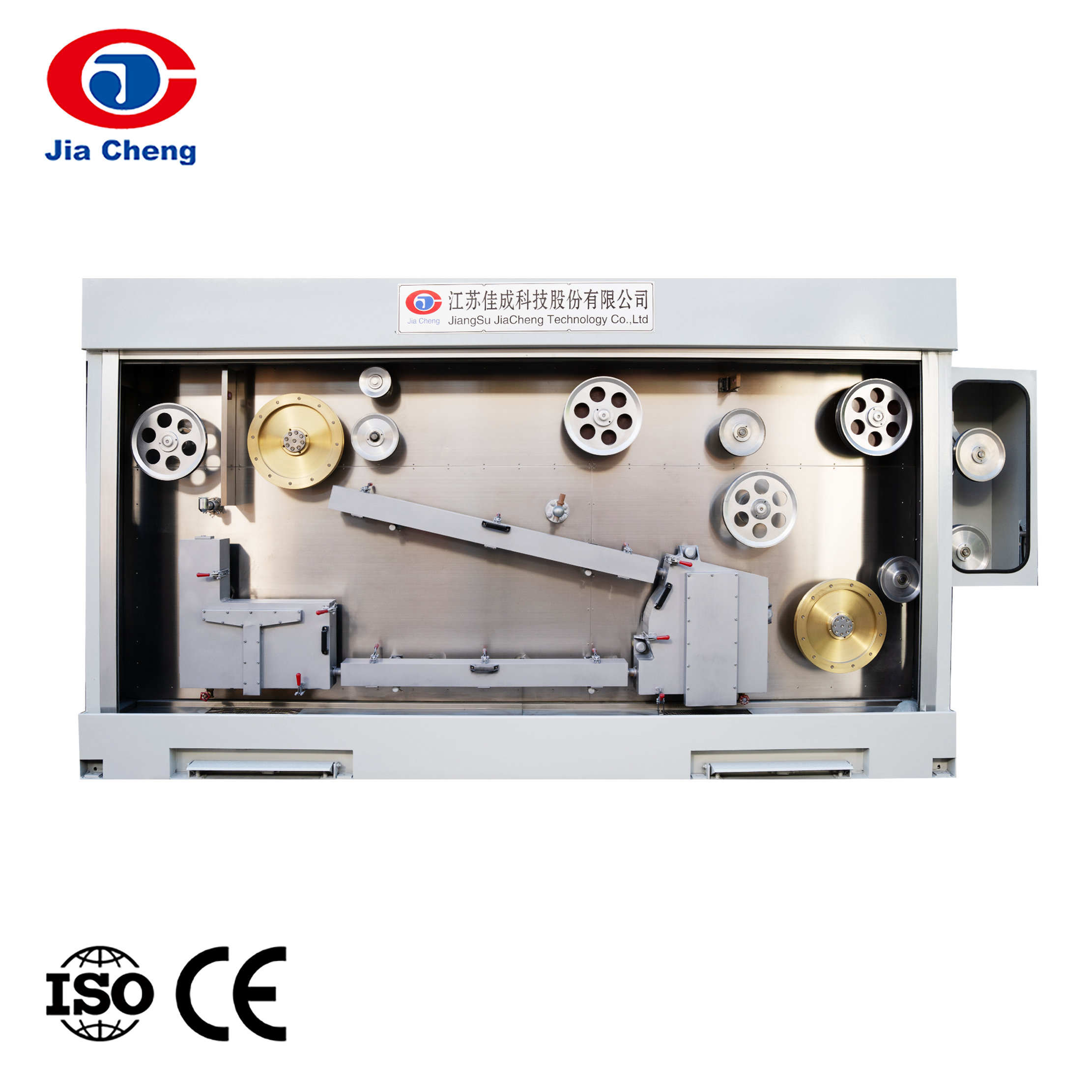
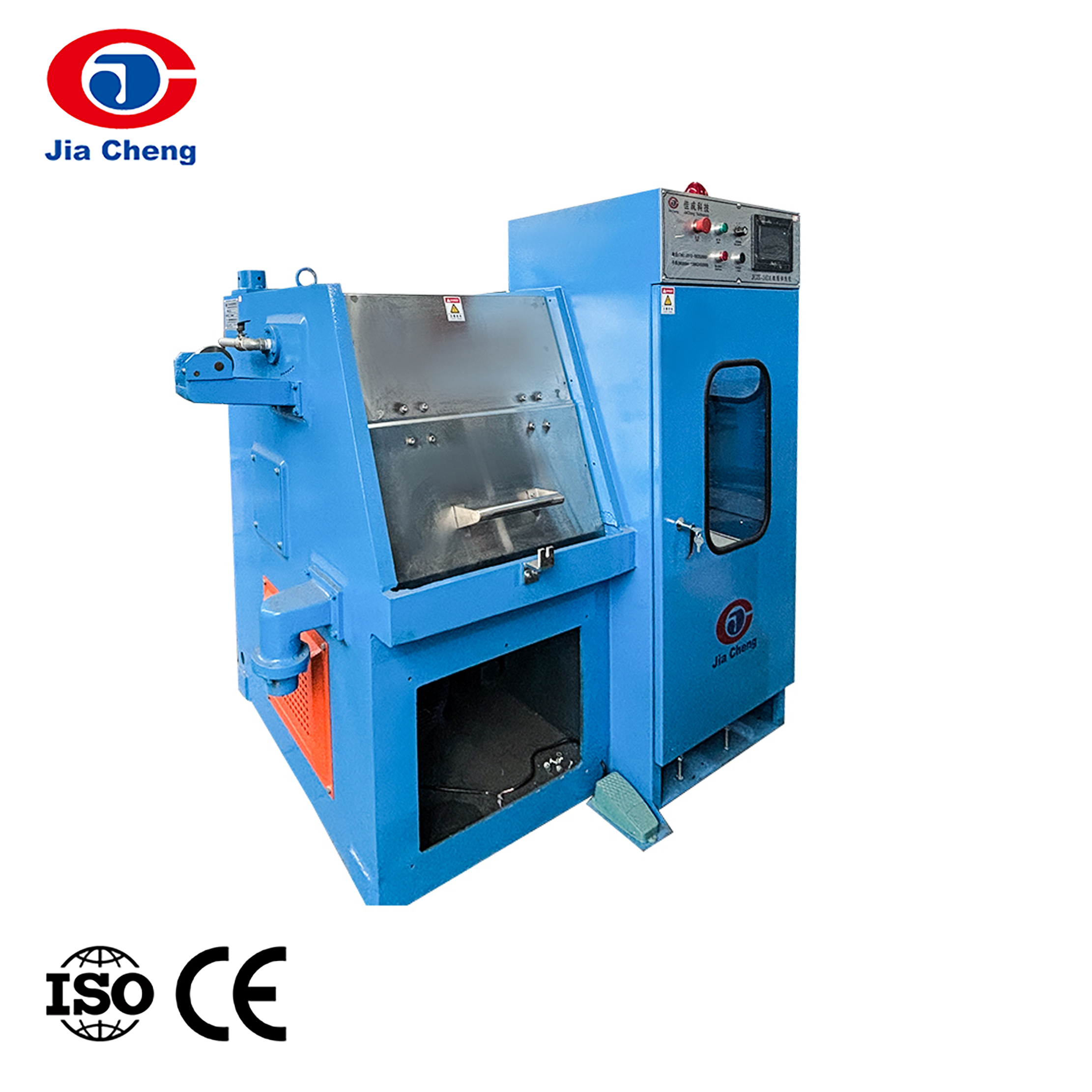
Direct answer: A wire drawing machine reduces the diameter of a metal rod or wire by pulling it through a series of dies with progressively smaller openings. Each pass stretches and elongates the metal while the machine controls tension, speed, and cooling so the wire keeps a consistent shape and strength. Most modern lines combine a wire drawing machine with an annealing machine, a wire coiling machine, and sometimes a wire twisting machine, so raw copper, aluminum, or steel rod comes out the other end as finished wire ready for cable production.
Below we explain the full working process, the main machine types, how pricing works, and how to plan a complete wire drawing plant, using the terminology that engineers and buyers in this industry search for every day.
What Is a Wire Drawing Machine and How Does It Work
A wire drawing machine is industrial equipment that reduces the cross section of a metal wire or rod by forcing it through a die, or a chain of dies, each one slightly smaller than the last. The metal does not lose volume during this process, it only becomes longer and thinner, which is why the machine must also increase the take up speed at every step to match the growing length of wire.
Inside a typical wire drawing machine you will find these core parts working together.
- A pay off stand that unwinds the incoming rod or coarse wire without adding twist or tangling.
- A series of drawing dies, usually made from tungsten carbide or polycrystalline diamond, mounted in individual drawing blocks.
- A capstan or bull block on each drawing block that pulls the wire through the die and stores enough wraps to maintain steady tension.
- A lubrication and cooling system that keeps the die and wire from overheating, since drawing generates significant friction.
- A motor and gearbox set for every block, synchronized so the speed increases block by block as the wire gets thinner.
- A take up unit, often a wire coiling machine or spooler, that collects the finished wire.
The number of dies determines how the machine is classified. A single die unit is a simple drawing bench, while a production wire drawing machine typically has anywhere from 9 to 25 dies arranged in sequence, sometimes called a multi wire drawing machine. Each pass reduces the diameter by roughly 15 to 25 percent, so a rod that starts at 8 millimeters can end up below 0.2 millimeters after enough passes, all within a single continuous line.
How to Draw Copper Wire Step by Step
Copper is the most common material processed on these lines, so understanding how to draw copper wire is a good way to understand the entire category of equipment. The process below describes a standard fine wire line, but the same logic applies to aluminum and most non ferrous metals.
Step 1: Rod Preparation
The line starts with copper rod, usually 8 millimeters in diameter, produced by a copper rod making machine or purchased from a rod supplier. The rod is cleaned and descaled so no oxide layer scratches the dies during drawing.
Step 2: Rough Drawing
The rod passes through the first set of large dies on a rough drawing block, sometimes a standalone breakdown machine, reducing it from 8 millimeters down to around 2 to 3 millimeters. This stage removes the most material and needs strong motors and heavy lubrication.
Step 3: Intermediate and Fine Drawing
The wire then moves through a cascade of smaller dies on the main wire drawing machine, each block spinning faster than the last to keep tension constant. By the end of this stage the wire can reach diameters as fine as 0.05 millimeters for specialty applications.
Step 4: Annealing
Drawing work hardens copper, making it stiff and brittle. To restore softness and conductivity, the wire passes through an annealing machine, either as a separate batch process or through in line wire annealing built directly into the drawing line. In line wire annealing heats the wire electrically right after the last die and then rapidly cools it, saving a full production step and improving consistency from coil to coil.
Step 5: Coiling or Spooling
The annealed wire is finally wound by a wire coiling machine or an automatic cable coiling machine onto spools, reels, or coils ready for the next stage, whether that is insulation extrusion, twisting, or shipment as bare wire.
Main Types of Wire Drawing Machines
Not every wire drawing machine looks the same, because different metals and product sizes need different die counts, block layouts, and tension control systems. The table below summarizes the most common categories buyers ask about.
| Machine Type | Typical Material | Best Use Case |
| Fine wire drawing machine | Copper, CCA wire | Fine gauge wire for electronics and thin cables |
| Intermediate wire drawing machine | Copper, aluminum | Mid range wire for building and automotive cable |
| Breakdown wire drawing machine | Copper rod, aluminum rod | First stage rough reduction from rod |
| SS wire drawing machine | Stainless steel, carbon steel | Fencing, mesh, springs, and fasteners |
| Continuous multi die wire drawing machine | Copper, aluminum | High volume continuous production lines |
Stainless steel behaves very differently from copper during drawing. An ss wire drawing machine needs harder dies, stronger cooling, and slower initial speeds because steel work hardens faster and generates more heat and friction. Buyers producing both copper and steel products usually keep these as two separate lines rather than trying to run both materials on one machine.
Wire Drawing Machine vs Wire Extruder Machine vs Extrusion Machine Drawing
These three terms get confused often, so it helps to separate them clearly.
Wire Drawing Machine
Reduces the diameter of a bare metal conductor by pulling it through dies. No plastic or rubber is involved, the output is still bare metal wire.
Wire Extruder Machine
Applies a plastic, PVC, or rubber insulation layer around the bare wire by melting and forcing polymer through a die head, coating the conductor produced by the drawing stage.
Extrusion Machine Drawing
A general term covering the mechanical drawing and layout of an extrusion machine, often used loosely by buyers searching for technical diagrams or specification sheets of an extruder machine drawing before purchase.
In a complete cable factory, the wire drawing machine and the wire extruder machine are usually two separate stages connected by a buffer or accumulator. The extruder machine drawing, meaning the mechanical layout and cross section of the extruder screw and die head, determines how evenly the insulation wall thickness comes out, which is why engineers often request the extruder machine drawing before finalizing an order.
Annealing Machine Technology and In Line Wire Annealing
Annealing is the heat treatment step that reverses the hardening caused by drawing. Without it, drawn wire would be too stiff to bend, coil, or use in flexible cable.
Batch Annealing
In batch annealing, finished coils are loaded into a furnace or oven and heated slowly, then cooled over several hours. This method is common for large coils of copper or for processes involving annealing tin coated wire, where the tin coating and the copper both need careful temperature control to avoid discoloration or oxidation.
In Line Wire Annealing
In line wire annealing integrates the heating step directly into the wire drawing machine, right after the final die. The wire passes through electrical contact wheels or an induction coil that heats it almost instantly, then through a water or steam quench box that cools it before it reaches the coiler. This approach saves floor space, reduces handling, and produces more uniform mechanical properties from the start of a coil to the end, which matters a great deal for high speed cable manufacturing where consistency affects downstream extrusion quality.
Annealing Tin Coated Wire
Tin coated copper wire is common in marine, aerospace, and high reliability cable because the tin layer resists corrosion. Annealing tin coated wire requires slightly lower peak temperatures than bare copper to avoid damaging the coating, along with atmosphere control in the annealing chamber to prevent oxidation spots on the tin surface.
What Is CCA Wire and Why It Matters
A frequent question from cable buyers is what is cca wire, and the answer is that CCA stands for copper clad aluminum. It is an aluminum wire core with a thin outer layer of copper bonded around it during manufacturing, combining the light weight and lower cost of aluminum with the solderability and surface conductivity of copper.
CCA wire is drawn on the same type of wire drawing machine used for solid copper, but the process needs tighter control because the bond between the copper cladding and the aluminum core can separate if tension or die angle is wrong. Manufacturers producing CCA wire usually run slightly lower drawing speeds and use dies with a gentler reduction angle at the first few passes to protect the copper aluminum interface.
CCA wire is widely used in patch cables, speaker wire, and some coaxial cable because it is significantly cheaper than solid copper while still meeting many electrical requirements for shorter cable runs. It is not recommended for high current or long distance runs because aluminum has lower conductivity than pure copper.
Wire Coiling and Wire Twisting Equipment
Once wire leaves the drawing and annealing stages, it usually needs to be coiled, spooled, or twisted before it becomes a finished cable component.
Wire Coiling Machine and Automatic Cable Coiling Machine
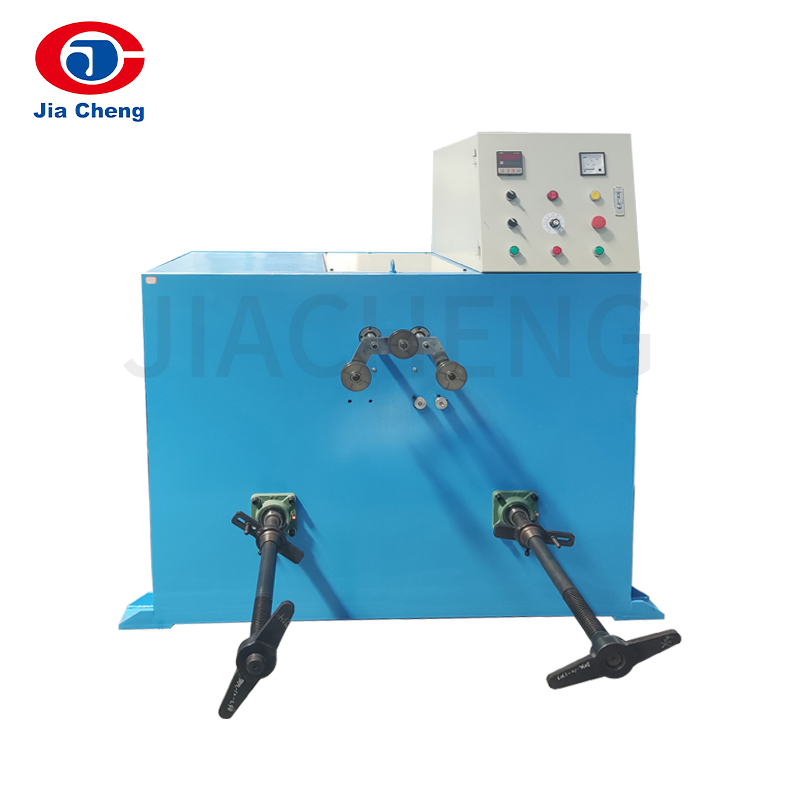
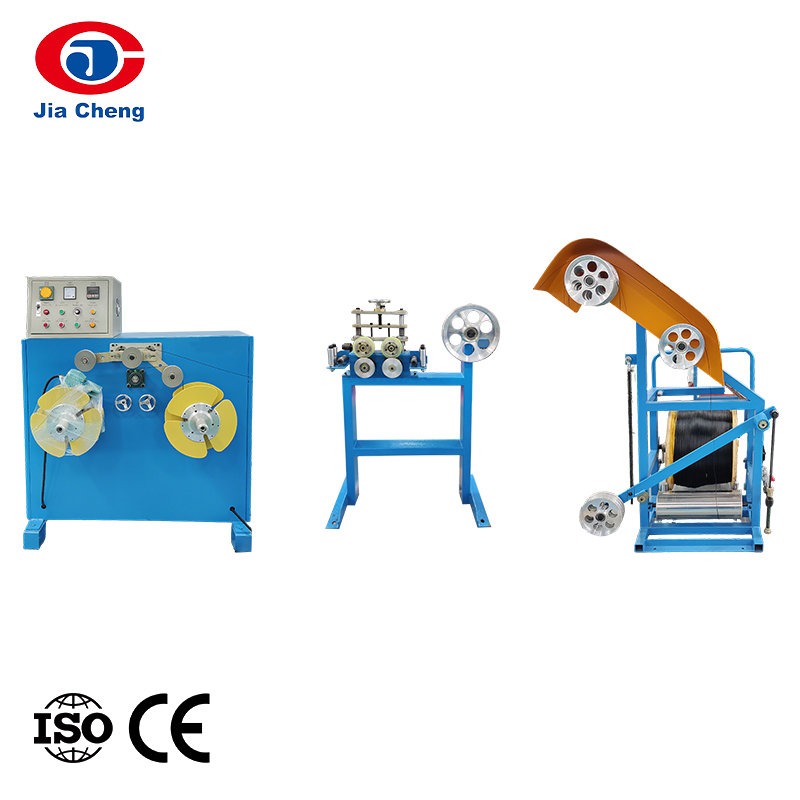
A wire coiling machine winds finished wire into neat, uniform coils or onto spools without kinks or overlaps that could damage the surface finish. An automatic cable coiling machine adds programmable functions such as automatic coil weight control, coil ejection, strapping, and labeling, letting one operator manage several coiling stations at once on a high speed assembly line.
Wire Twisting Machine and Concentric Wire Twisting
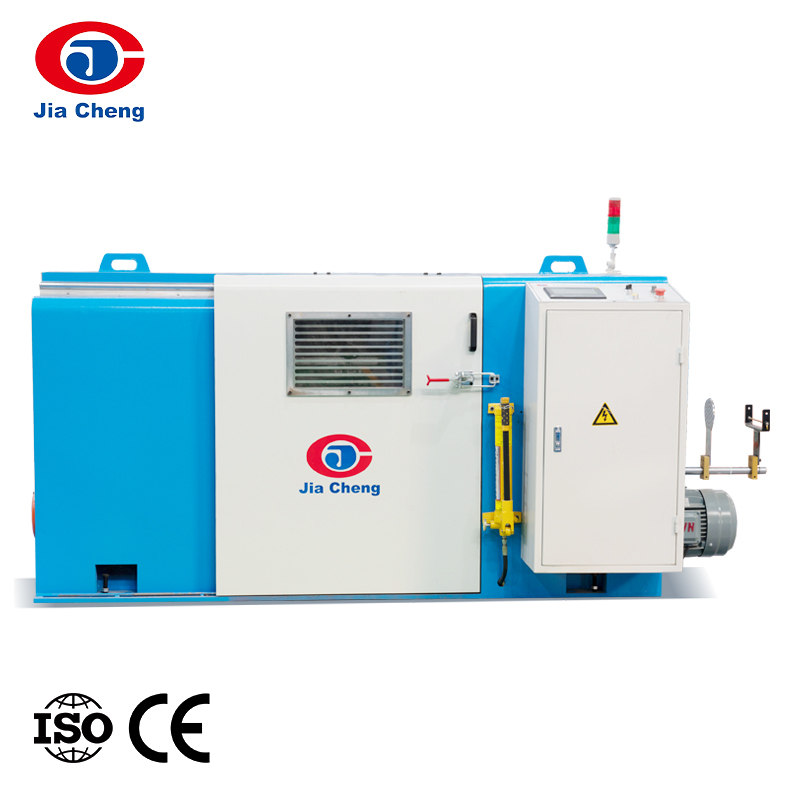
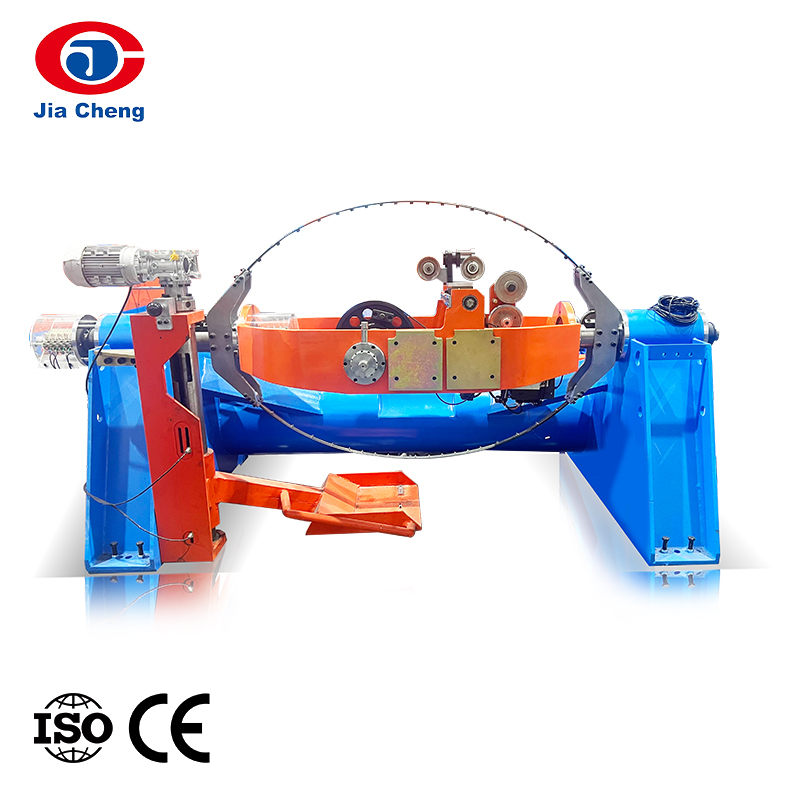
A wire twisting machine combines multiple individual wires into a single stranded conductor by rotating them together around a central axis. Concentric wire twisting is a specific method where thin wires are wound in successive layers around a central core wire, each layer twisted in an alternating direction, producing a round, flexible, and mechanically stable stranded conductor commonly used in power cable and control cable.
Doubletwist FAQ
Buyers researching doubletwist faq questions are usually asking about double twist bunching or stranding machines, which twist two wires together in a single rotation of the machine head rather than one, doubling output speed compared to a single twist design. Common doubletwist faq topics include spindle speed limits, maximum wire diameter per bobbin, changeover time between wire sizes, and compatibility with different pitch lengths for the finished stranded wire.
Copper Rod Making Machine and Copper Wire Manufacturing Machine
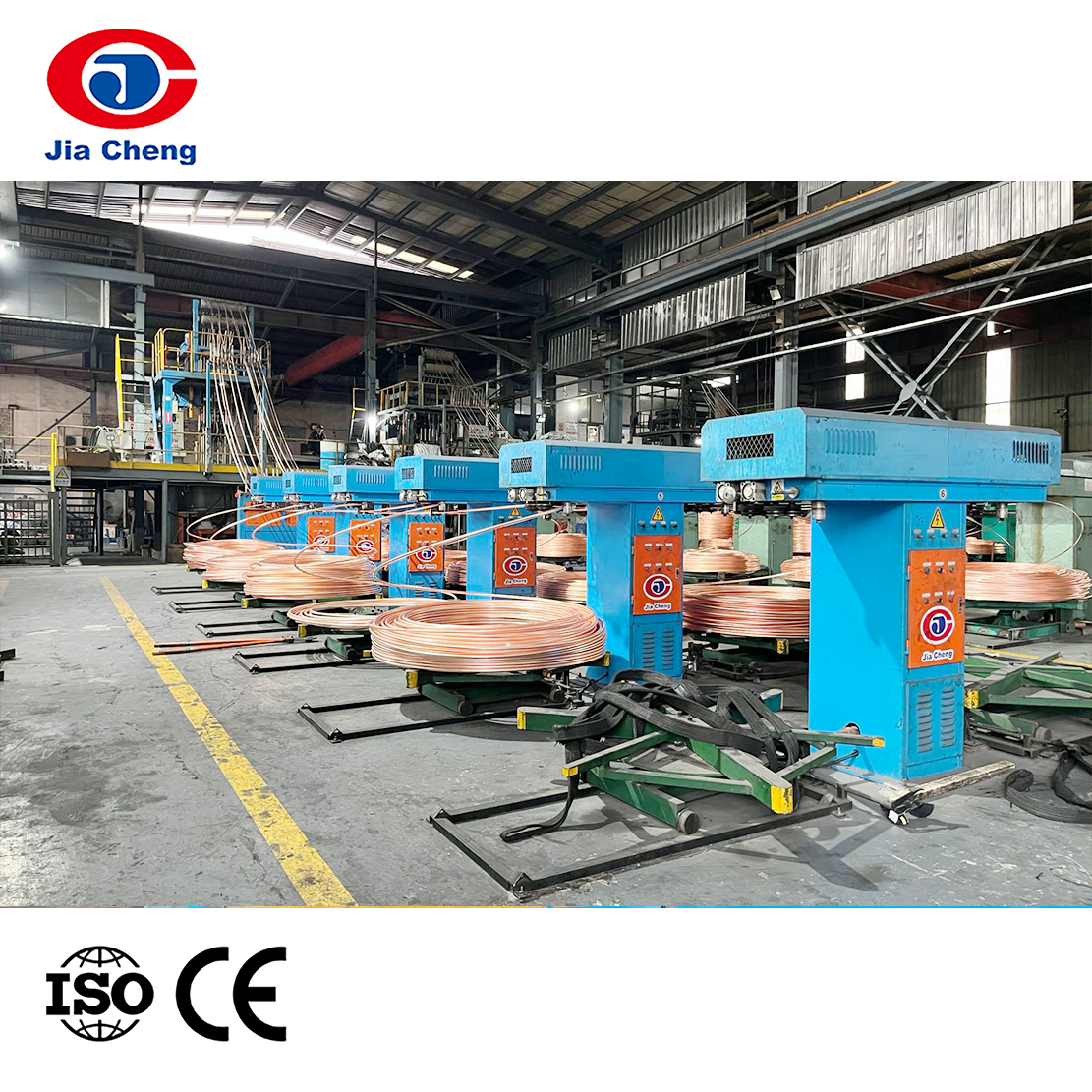
Before any drawing can happen, mills need starting stock, and that begins with a copper rod making machine, often called a continuous casting and rolling line. This equipment melts copper cathode, casts it into a continuous bar, and rolls it down to 8 millimeter rod, the standard input size for most drawing lines worldwide.
When people search for a copper wire manufacturing machine, they are usually describing the entire chain of equipment rather than a single unit, covering the rod making machine, the wire drawing machine, the annealing machine, and the coiling or twisting equipment that follows. A copper wire extrusion machine sits further downstream, applying insulation over the finished conductor once drawing and any stranding is complete. Together, these machines form the backbone of copper wire manufacturing machine investment for any new cable factory.
Designing a Wire Drawing Plant with a High Speed Assembly Line
A wire drawing plant is not just one machine, it is a coordinated sequence of equipment designed to run continuously with minimal manual handling. Planning a plant well is what separates a profitable operation from one that constantly fights bottlenecks.
A typical modern wire drawing plant layout includes the following stages in order.
- Rod storage and a copper rod making machine or incoming rod inspection station.
- Breakdown wire drawing machine for the first major diameter reduction.
- Intermediate and fine wire drawing machine stages with in line wire annealing.
- Wire twisting machine or doubletwist bunching equipment for stranded products.
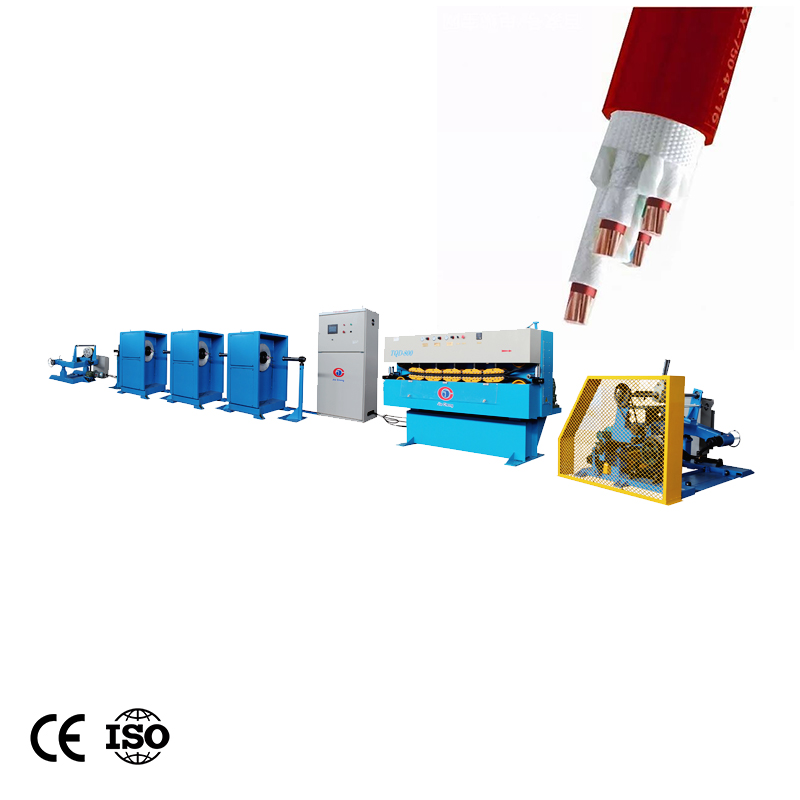
- Copper wire extrusion machine or wire extruder machine for insulation.
- Automatic cable coiling machine or spooling and packing station.
The phrase high speed assembly line usually refers to the way these stations are connected with automatic accumulators and conveyors so wire never has to be manually carried between machines. In a well designed high speed assembly line, line speeds for fine copper wire commonly reach 1500 to 3000 meters per minute on the drawing stage alone, with downstream twisting and coiling matched to the same throughput so nothing sits idle waiting on the next station.
Many factories also keep a short wire drawing process video library on hand for training new operators, since watching real footage of die changes, tension adjustment, and coil doffing shortens the learning curve far more than a written manual alone. If your supplier can share a wire drawing process video during the quotation stage, it is worth requesting, since it lets your engineering team confirm safety guarding, noise levels, and changeover speed before committing to an order.
Wire Extruder Machine Price and What Affects the Cost
Wire extruder machine price varies enormously depending on line speed, extruder screw diameter, control system, and whether the line includes automatic coiling and quality inspection. The table below gives a general sense of how specification affects wire extruder machine price ranges seen in the market, for reference only since actual quotes depend on current material costs and configuration.
| Line Category | Typical Extruder Screw Size | Relative Price Level |
| Fine wire insulation line | 45 to 65 millimeters | Entry level |
| Building wire insulation line | 65 to 90 millimeters | Mid range |
| Power cable jacketing line | 90 to 120 millimeters | High range |
| Large gauge or armored cable line | 120 millimeters and above | Premium |
Beyond the screw size, factors such as automatic diameter gauging, spark testers, dual layer co extrusion heads, and PLC based recipe storage all raise wire extruder machine price but also raise consistency and reduce scrap. Buyers comparing quotes should always confirm whether the wire extruder machine price includes the cooling trough, capstan, and take up coiling equipment, since some quotes list the extruder body alone while others include the full line.
Why Choose Jiangsu Jiacheng Technology Co Ltd
Jiangsu Jiacheng Technology Co., Ltd. designs and manufactures complete wire and cable production equipment, including wire drawing machine lines, annealing machine and in line wire annealing systems, wire coiling machine and automatic cable coiling machine units, wire twisting machine and concentric wire twisting equipment, and copper wire extrusion machine lines for insulation and jacketing.
What sets jiacheng equipment apart for many cable manufacturers is the ability to plan an entire wire drawing plant as one connected high speed assembly line rather than a set of mismatched individual machines. From rod intake through drawing, annealing, twisting, extrusion, and coiling, the jiacheng engineering team works with clients to match line speed, die selection, and automation level to the specific wire gauge and material, whether that is bare copper, CCA wire, tin coated copper, aluminum, or stainless steel on an ss wire drawing machine configuration.
For factories weighing a copper wire manufacturing machine investment, jiacheng also supports project stages individually, so a client can start with a single wire drawing machine or annealing machine and expand toward a full copper rod making machine to finished coil production line as demand grows, without having to redesign the plant layout each time a new stage is added.
Frequently Asked Questions
How many passes does a wire drawing machine need to reach fine gauge wire
It depends on the starting rod size and final target diameter, but a line taking 8 millimeter copper rod down to fine gauge wire typically uses somewhere between 15 and 25 die passes across breakdown, intermediate, and fine drawing stages.
Can one wire drawing machine handle both copper and stainless steel
Generally no, because steel needs harder dies, different lubrication, and slower initial speeds than copper. Most factories run a dedicated ss wire drawing machine separately from their copper lines.
Why is in line wire annealing better than batch annealing for some products
In line wire annealing saves handling time, uses less floor space, and produces more consistent softness along the entire coil, which is especially valuable for high speed assembly line production where downstream extrusion needs stable, predictable wire properties.
What is cca wire used for compared to solid copper wire
CCA wire is commonly used in shorter cable runs such as patch cords and some coaxial or speaker cable, where its lower cost and lighter weight are advantages, while solid copper remains preferred for long runs and high current applications because of its higher conductivity.
What should I check before comparing wire extruder machine price quotes
Confirm the extruder screw diameter, whether the quote includes the full line such as cooling trough and coiler, the control system type, and whether spark testing or automatic diameter gauging is included, since these all affect the final wire extruder machine price significantly.
Common Wire Drawing Problems and How to Solve Them
Even a well built wire drawing machine can develop problems over time if lubrication, die wear, or tension settings are not managed carefully. Understanding the most frequent issues helps operators fix small problems before they turn into costly downtime.
Frequent Wire Breaks
Breaks usually trace back to worn dies, incorrect reduction schedules, or contamination in the incoming rod. A worn die develops an uneven bore that concentrates stress on one side of the wire, so regular die inspection under magnification is one of the simplest ways to reduce break frequency on a wire drawing machine.
Uneven Surface Finish
A dull or scratched surface often comes from insufficient lubricant flow, overheated dies, or debris trapped in the lubricant tank. Keeping the lubricant clean and at the correct concentration, and checking die alignment on every changeover, keeps the finish bright and smooth, which matters for both bare wire sales and later extrusion adhesion.
Inconsistent Coil Weight
If a wire coiling machine or automatic cable coiling machine produces coils of varying weight, the usual cause is a miscalibrated length counter or a slipping capstan wheel. Recalibrating the counter against a known length sample and checking capstan wheel wear restores consistent coil weight quickly.
Annealing Defects
Wire that comes out too brittle after an annealing machine cycle has usually been underheated, while wire that is too soft or discolored has often been overheated or exposed to oxygen during cooling. For in line wire annealing systems, checking the water quench flow rate and the contact wheel condition resolves most inconsistent softness complaints, and for annealing tin coated wire specifically, confirming the atmosphere seal around the heating zone prevents surface discoloration.
Maintenance Schedule for a Wire Drawing Machine
Preventive maintenance keeps a wire drawing machine running at rated speed and avoids the kind of unplanned stoppage that disrupts an entire high speed assembly line. A simple maintenance rhythm most factories follow looks like this.
| Frequency | Task | Why It Matters |
| Daily | Check lubricant level and cleanliness | Prevents die overheating and surface scratches |
| Daily | Inspect capstan and pulley wear | Maintains accurate tension and speed matching |
| Weekly | Check die bore condition under light | Catches early wear before it causes wire breaks |
| Monthly | Test gearbox oil and bearing temperature | Avoids premature motor and gearbox failure |
| Quarterly | Calibrate annealing machine temperature sensors | Keeps mechanical properties consistent batch to batch |
| Annually | Full alignment check across all drawing blocks | Restores original line speed capacity and reduces scrap |
Factories that keep to this kind of schedule typically report noticeably fewer emergency stoppages, and the resale value of the equipment stays higher because die wear and mechanical alignment have been kept under control rather than left to degrade.
Quality Control Points Across the Wire Drawing Process
Quality does not come from a single inspection at the end of the line, it comes from checkpoints placed throughout the entire wire drawing process, from incoming rod to the finished coil.
- Incoming rod inspection for diameter tolerance and surface oxide before it ever reaches the wire drawing machine.
- In process diameter gauging after the breakdown stage to confirm the reduction schedule is tracking correctly.
- Tensile strength and elongation testing after annealing to confirm the annealing machine or in line wire annealing system produced the correct mechanical properties.
- Surface inspection under magnification before coiling to catch scratches, die lines, or lubricant residue.
- Final coil weight and length verification at the wire coiling machine or automatic cable coiling machine stage.
Many buyers request that a supplier demonstrate these checkpoints through a live demonstration or a wire drawing process video showing the gauge readings and test results in real time, since seeing the checks performed on camera gives more confidence than a written specification sheet alone.
Choosing Between a New and Used Wire Drawing Machine
Budget conscious buyers sometimes consider a used wire drawing machine, and while this can lower upfront cost, it carries risks that should be weighed carefully against the lower wire extruder machine price or drawing machine price on the used market.
New Machine Advantages
Full warranty coverage, current control software, higher achievable line speed, and support for in line wire annealing upgrades that older frames may not accommodate.
Used Machine Advantages
Lower initial investment, faster delivery since no manufacturing lead time is needed, and proven mechanical design if the previous owner maintained it well.
Key Risks to Check
Die block alignment wear, gearbox condition, control system age and spare parts availability, and whether the annealing machine section still meets current safety standards.
For most growing cable manufacturers, a hybrid approach works well, starting with a new fine wire drawing machine for critical product lines while considering a well inspected used breakdown machine for less demanding rough reduction work, gradually upgrading the full wire drawing plant as volume and budget allow.
Energy Efficiency in a Modern Wire Drawing Machine
Energy costs make up a meaningful share of total operating expense for any wire drawing plant, since every motor across a multi block wire drawing machine runs continuously during production hours. Buyers evaluating new equipment increasingly ask suppliers about energy performance alongside speed and price.
Variable Frequency Drives
Modern wire drawing machine blocks almost always use variable frequency drives rather than fixed speed motors, allowing each block to run at exactly the speed the reduction schedule requires rather than wasting energy running faster than necessary and then mechanically slipping to match tension.
Regenerative Braking on Pay Off Systems
Some higher end lines recover energy during deceleration on the pay off stand and feed it back into the plant power system rather than dissipating it as heat, a feature more common on large diameter breakdown machines where the rotating mass is significant.
Annealing Machine Power Consumption
An annealing machine, whether standalone or built into an in line wire annealing system, is often the single largest power consumer on the line because it must heat metal rapidly enough to keep pace with drawing speed. Choosing an annealing machine sized correctly for the actual wire gauge range, rather than oversized for future products that may never arrive, avoids paying for heating capacity that sits unused most of the time.
Lubricant and Water Recycling
Closed loop lubricant filtration and water recycling for cooling and quenching reduce both consumable cost and environmental impact, and many jiacheng line configurations include this as a standard feature rather than an optional extra, since the payback period on recycling equipment is usually well under two years for a plant running multiple shifts.
Safety and Operator Training for Wire Drawing Lines
A wire drawing machine involves fast moving wire under high tension, rotating capstans, hot dies, and in many lines an annealing machine operating at high temperature, so safety training is not optional for any factory running this equipment.
- Operators should always understand emergency stop locations on every block of a multi die wire drawing machine before running the line unsupervised.
- Guarding around capstans and pulleys should never be removed during production, since wire under drawing tension can snap and recoil with enough force to cause serious injury.
- Annealing machine sections need heat shielding and clear signage, particularly around in line wire annealing zones where contact wheels and quench boxes sit close to the operator walkway.
- New operators benefit greatly from a structured onboarding period that combines classroom instruction with supervised hands on time, and many factories supplement this with a wire drawing process video library covering die changes, threading procedures, and emergency shutdown steps.
- Personal protective equipment including heat resistant gloves, eye protection, and hearing protection should be standard on any high speed assembly line where multiple wire drawing machine blocks run simultaneously.
Suppliers like jiacheng typically provide commissioning support and operator training as part of a new line installation, which shortens the ramp up period before a factory reaches full rated output on a new wire drawing machine or extrusion machine drawing installation.
Matching Machine Selection to Your Product Mix
The right combination of equipment depends heavily on what final products a factory intends to sell. A facility focused purely on bare copper wire needs a different configuration than one producing finished stranded and insulated cable.
Bare Wire Producer
Needs a strong wire drawing machine line with reliable in line wire annealing and an automatic cable coiling machine, but may not need a wire extruder machine at all if selling uninsulated copper or CCA wire to other manufacturers.
Stranded Conductor Producer
Needs drawing equipment feeding directly into a wire twisting machine or doubletwist bunching machine, with concentric wire twisting capability for round, flexible conductors used in control and power cable.
Finished Cable Manufacturer
Needs the full chain including a copper wire extrusion machine or wire extruder machine for insulation and jacketing, along with testing equipment for spark, diameter, and print quality before final coiling and packing.
Working through this kind of product mix analysis before requesting quotations helps a buyer avoid paying for capability that will not be used, while also avoiding the common mistake of undersizing a wire drawing plant that then cannot expand into stranded or insulated products later without a major rebuild.
Final Takeaways on Wire Drawing Machines
A wire drawing machine is the foundation of nearly every copper, aluminum, and steel wire product in the world, from the fine gauge wire inside a phone charger to the thick stranded conductor running through a building wall. Understanding how the machine reduces diameter pass by pass, why annealing restores flexibility, and how coiling and twisting equipment prepares wire for its final use gives buyers and engineers a much clearer picture of what they are actually purchasing when they compare quotations.
Whether the goal is a single fine wire drawing machine, a full wire drawing plant with in line wire annealing and an automatic cable coiling machine, or a complete high speed assembly line covering everything from copper rod making machine to wire extruder machine, the same core principles apply. Reduction must be gradual and controlled, tension must stay consistent across every block, annealing must match the wire gauge and material, and coiling or twisting must protect the finished surface all the way through packing.
Buyers who take the time to understand this full chain, from what is cca wire through to concentric wire twisting and wire extruder machine price comparisons, are far better positioned to choose equipment that fits their real production goals rather than simply the lowest quoted number. Jiangsu Jiacheng Technology Co., Ltd. works with factories at every stage of this journey, from a first wire drawing machine purchase through to a complete copper wire manufacturing machine production line, and is available to walk through specification details, line layout, and realistic delivery timelines for any project under consideration.
What is the difference between concentric wire twisting and bunching
Concentric wire twisting arranges wires in organized, alternating layers around a central core, producing a round and predictable conductor shape, while bunching twists wires together loosely without a strict layer pattern, which is faster but less uniform, so most power and control cable specifications call for concentric wire twisting rather than simple bunching.
Ready to Plan Your Wire Drawing Line
Jiangsu Jiacheng Technology Co., Ltd. can help you select the right wire drawing machine, annealing machine, wire coiling machine, wire twisting machine, and copper wire extrusion machine for your production goals, backed by engineering support that spans single machine purchases through complete turnkey wire drawing plant projects.
Contact Jiacheng for a Consultation