Language
 中文简体
中文简体 English
 عربى
عربى русский
Content
IWCS 2026 is set for November 1–4 at the Gaylord Palms Resort & Convention Center in Orlando, Florida. The 75th annual Cable & Connectivity Industry Forum offers a technical program that covers materials, connectors, and production process challenges. For cable manufacturers, the value goes beyond conference sessions: it is a chance to test equipment assumptions against the experience of other plant teams. Start your visit with a specific production question, and you will leave with a much clearer view of the machinery options that deserve serious evaluation.
What Makes the 2026 Edition Worth Your Time
IWCS 2026 matters because the cable industry now faces simultaneous pressure: more conductor material choices, tighter quality requirements, and shorter order lead times. A plant that used to make one cable type for years is being asked to handle solar cable, EV cable, or data cable variants. At IWCS, engineers discuss the fundamental material and process links between those applications, which is exactly the context you need when comparing equipment.
For a typical mid-size cable manufacturer, the most actionable part of the forum is the conversation after a technical paper. Someone may present test results on copper surface oxidation after annealing; your own drawing line probably has a similar issue. The solution might be as simple as an online annealing machine with better temperature control, or a different tube inside a continuous annealer. You only find that out by connecting the paper topic to your line.
Also, a 75-year-old forum tends to be good at separating real process data from marketing noise. In a face-to-face discussion, you can ask for the exact wire diameter range, line speed, and failure rate that support a particular claim. That makes IWCS a practical place to filter suppliers before asking for quotations.
Event Profile at a Glance
| Item | Detail | Why It Matters |
|---|---|---|
| Dates | November 1–4, 2026 | Aligns with Q4 capital planning |
| Location | Gaylord Palms, Orlando | Central US venue with good international access |
| Edition | 75th annual forum | Long record of technical depth |
| Focus | Cable materials, connectivity, manufacturing technology | Connects material science with plant-floor process decisions |
| Typical attendees | Cable makers, material suppliers, engineers | Useful for peer benchmarking and supplier evaluation |
How to Prepare for IWCS 2026
The best preparation is not a list of every exhibitor. It is a one-page summary of the products you plan to make next year, and the process steps where you currently lose time or material. For example, if your bundle stranding operation is always the bottleneck, your IWCS agenda should include double-twist bunching and single-twist machines. If extrusion quality is the main complaint, look for sessions on insulation materials and line control.
Your preparation list can be short:
- List the wire sizes and alloys that cause your operator the highest scrap or downtime.
- Bring actual samples, if possible, of failed or borderline materials.
- Prepare questions about line speed, tension control, tooling life, and energy use.
- Ask about tolerance ranges, not just nominal values.
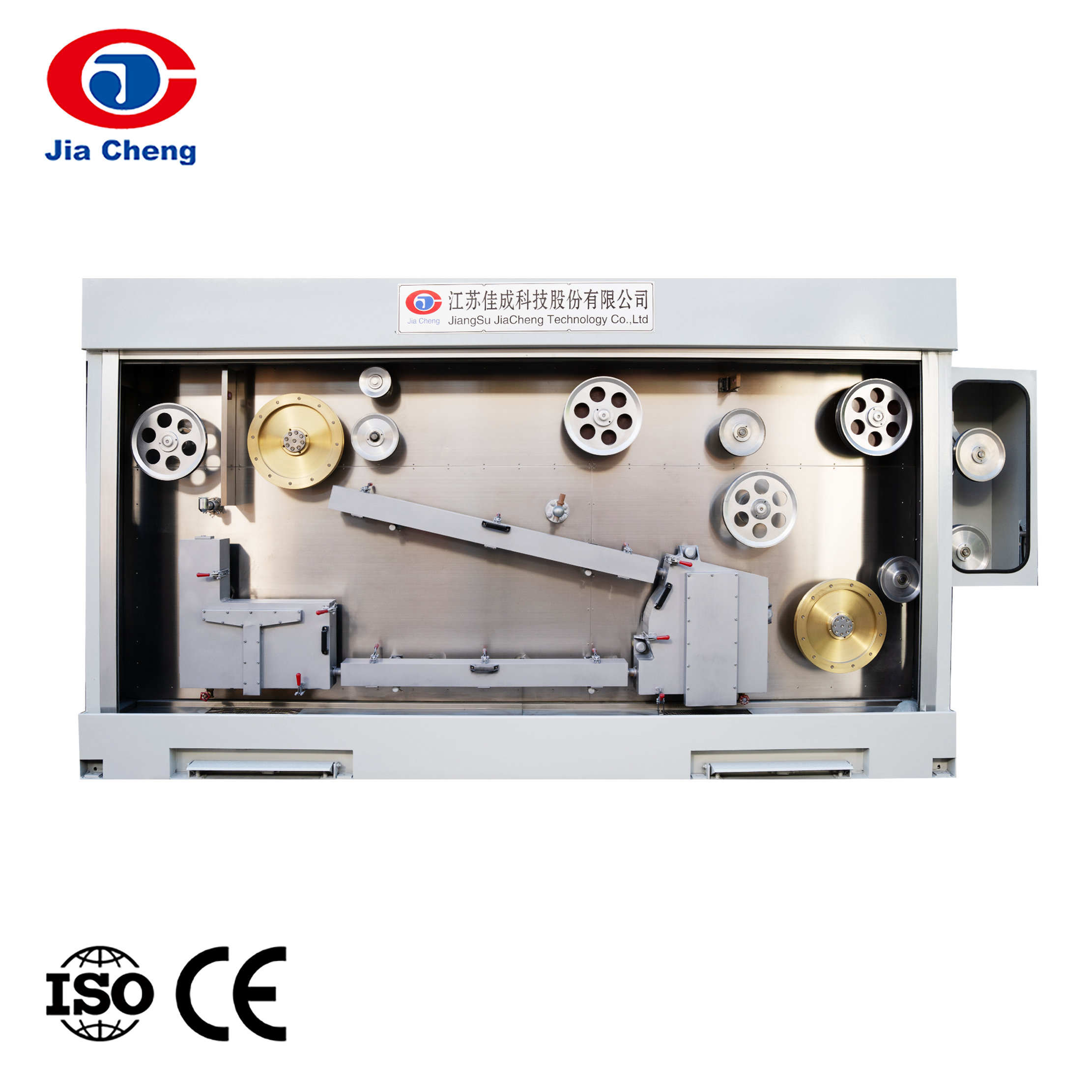
Conductor preparation is often the most productive conversation to start with. Suppose you run a rod breakdown machine for 8 mm copper rod and want to add fine-wire production without installing a completely separate room. You need to know how a multiwire drawing machine behaves at 25 m/s or 30 m/s, what lubricant ratio it needs, and how it manages spool tension. A model with eight wires is a common next step for plants that want to feed both bunching and extrusion lines.
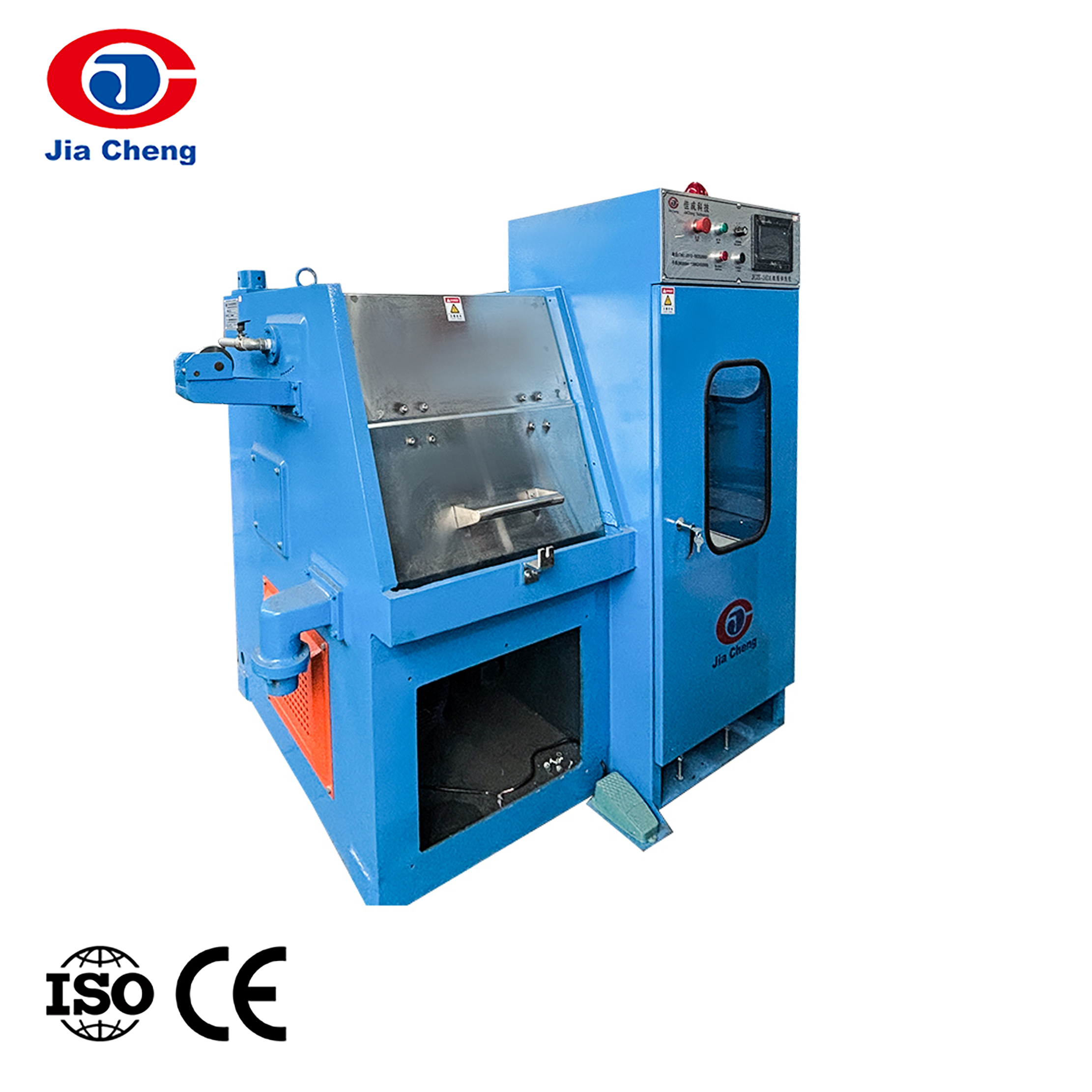
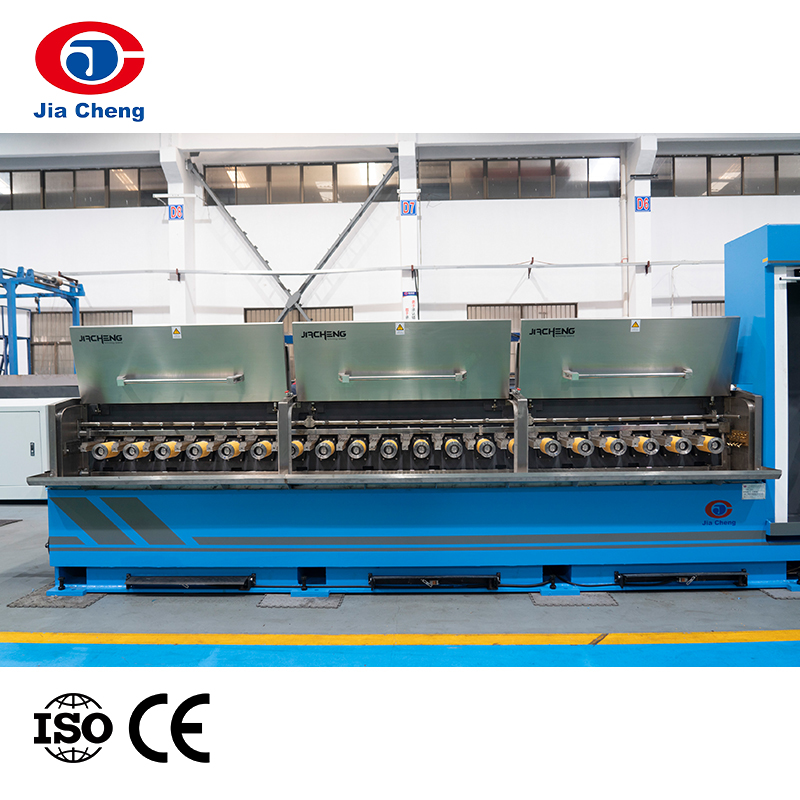 8-Wire Multiwire Drawing Machine for Copper WireThis machine draws copper wire from 2.0mm down to 0.15-0.4mm across eight wires, suiting plants that add fine-wire production alongside rod breakdown without a separate room.View Product →
Ask for a reference line running a similar input material. That tells you more than a generic brochure. If the reference line is running an alloy or a different wire diameter, check whether the capstans and die holders can be changed cost-effectively.
Production Topics That Should Be on Your Radar
I recommend dividing the forum content into four process-related themes. Otherwise, the number of sessions can be overwhelming.
Conductor Preparation and Drawing
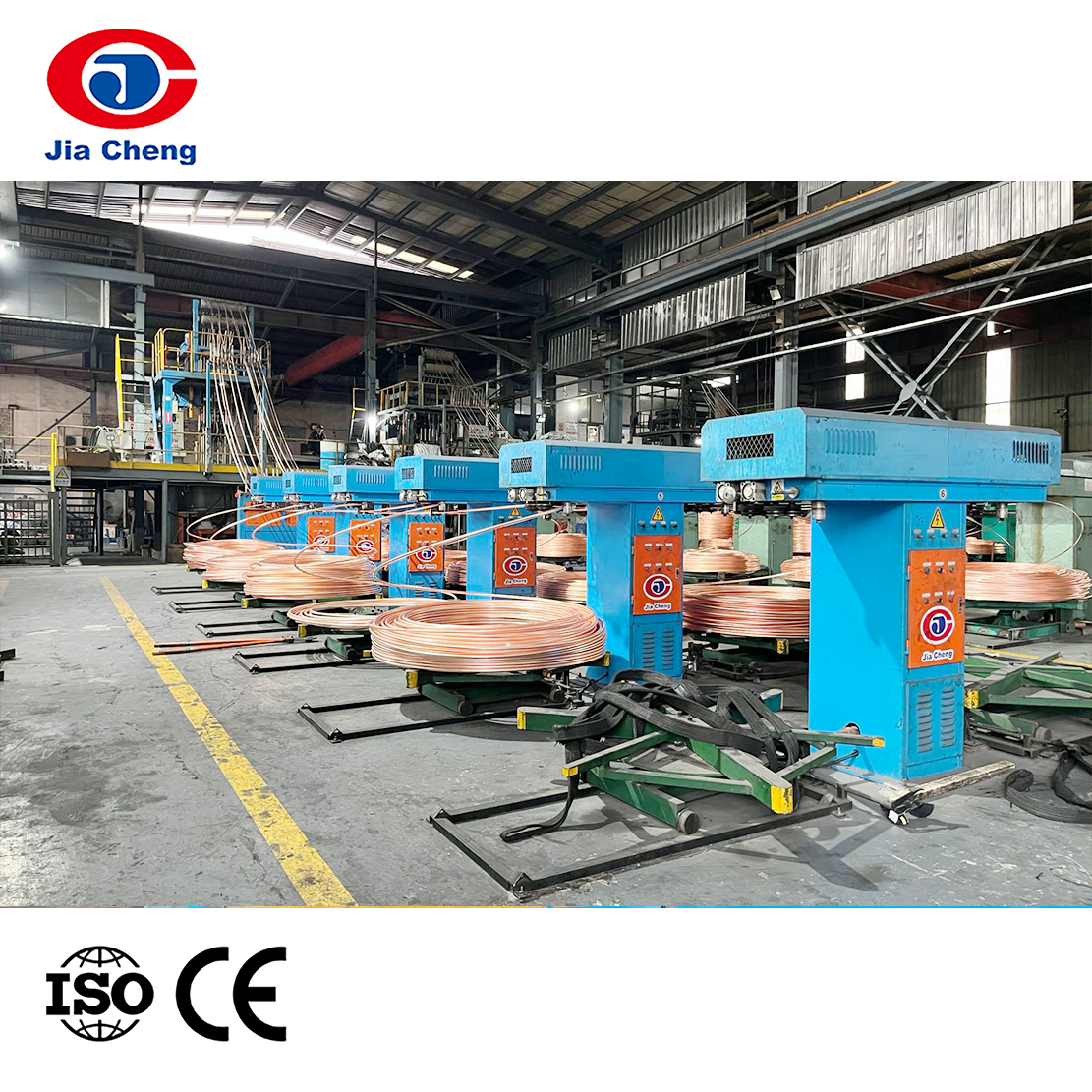
From 8 mm copper rod to 0.10 mm fine wire, each drawing step influences the final tensile strength, elongation, and surface quality. Pay attention to whether the machine uses a slipping or non-slipping design, how the cooling system performs at high speed, and what kind of annealer is integrated. These choices affect the range of products one line can make without major changeovers.
Stranding and Bunching
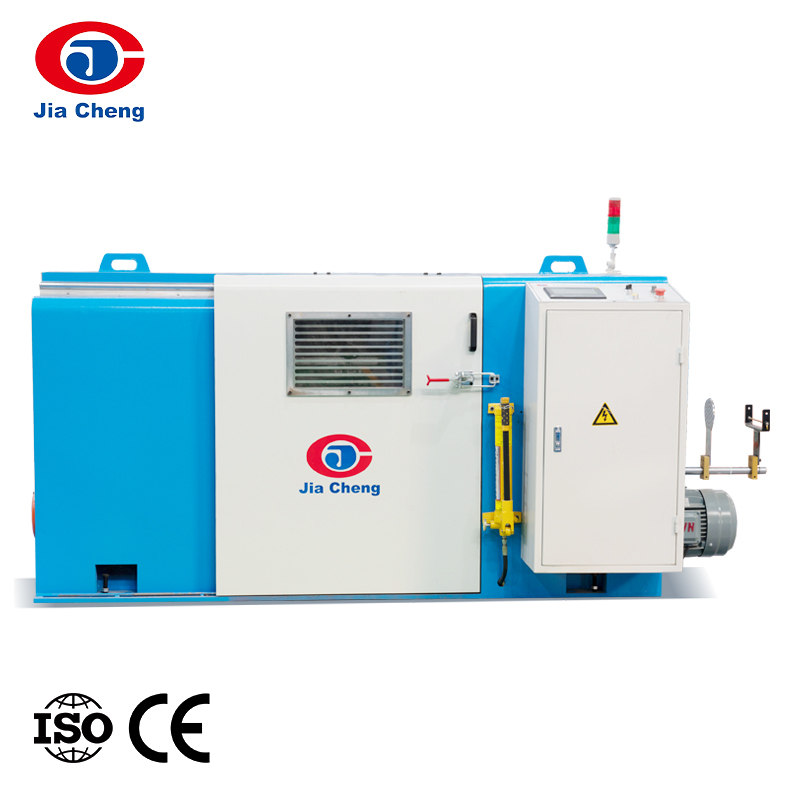
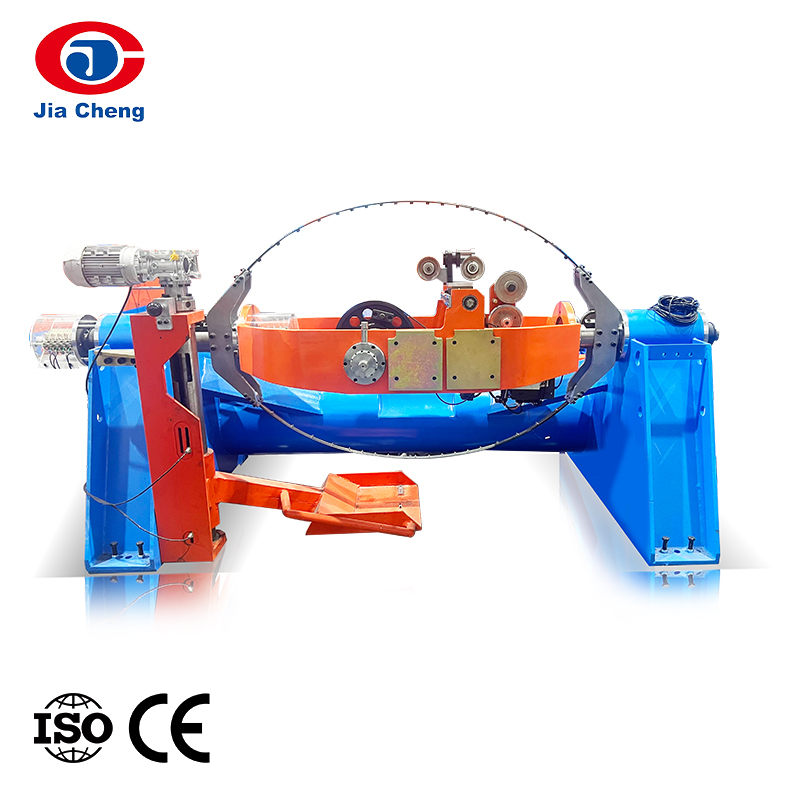
If your cable order is about flexibility and concentricity, stranding and bunching equipment deserve as much attention as the draw line. Double-twist bunching machines are widely used for flexible conductors, but the maximum twist rate, wire tension range, and take-up package size can vary. Ask for cycle times on the exact conductor cross-section you plan to produce.
Insulation and Sheathing
Extrusion is where many quality problems show up first. Look for discussions on screw design, material temperature control, and line speed with thin-wall insulation. A high-speed insulation line that can run both single and twin extrusion configurations gives a plant more options when demand changes.
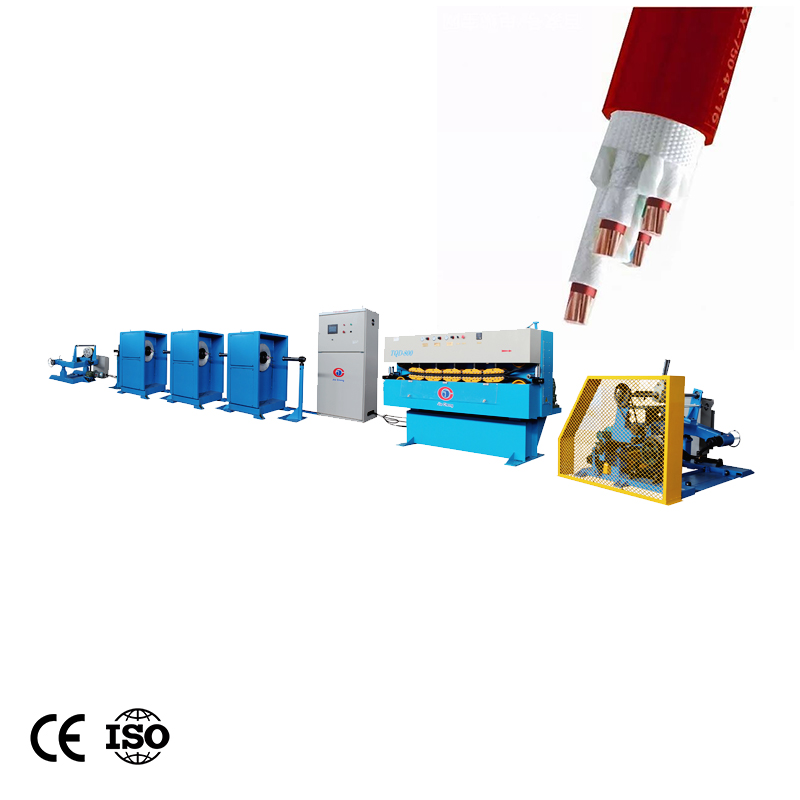
 High-Speed Wire Insulation Production LineDesigned for fast, efficient insulated core wire production, this line offers high-precision control of preheating, extrusion, and cooling for uniform insulation layer thickness and concentricity.View Product →
Compare the range of insulation materials: PVC, PE, XLPE, silicone rubber, or Teflon-based compounds all place different demands on the extruder. If you plan to run solar cable or EV cable, material handling and cross-linking capability become part of the equipment selection.
Testing and Reliability
The best process improvements show up in measurable output. Cable manufacturers are increasingly adding tensile tests, elongation checks, resistivity measurements, and high-voltage withstand tests at multiple points in the line. Make sure the supplier you talk to understands the relevant test standards and can translate them into daily operator routines.
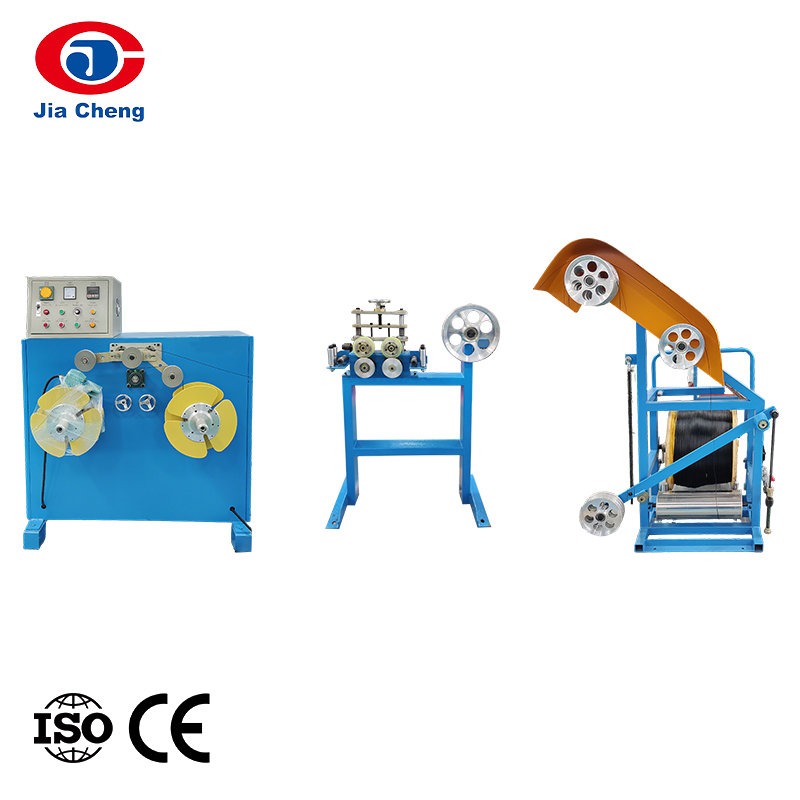
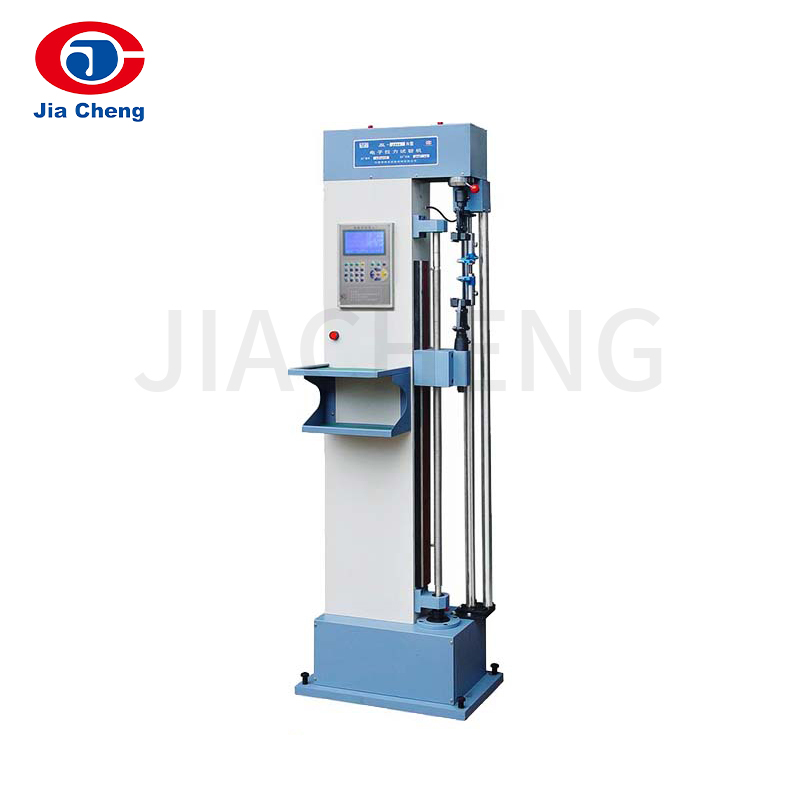 JSL-5000 Digital Tensile Strength Testing MachineThis digital tester measures tensile strength of wires and cables with advanced sensing and control, helping verify incoming conductors and maintain reliable mechanical performance.View Product →
For example, a tensile strength tester is useful for incoming conductor verification, not only for final cable release. Integrating such a test into incoming material control can stop an off-spec copper rod from slowing down the drawing line.
Turning IWCS 2026 Insights into Equipment Decisions
After the forum, the real work begins. A good way to keep momentum is to map every technical insight to a specific process step: rod breakdown, intermediate drawing, fine drawing, bunching, extrusion, or testing. Then compare that map with the capacity utilization on your existing lines. This often reveals that one bottleneck, not the entire floor, is limiting output.
After the forum, map each session note to a process loop. For a power cable plant, the critical loop might be conductor resistance and insulation thickness. For a data cable plant, it might be capacitance stability and elongation at break. Use those metrics in your request for quotation.
For a structured starting point, we have prepared an explanation of how wire drawing machines work and what types exist, which will help you talk with suppliers using the same terminology. If your goal is a complete line for common building wire sizes, our overview of the full machinery range can help you think in terms of a connected system rather than standalone machines.
Also, be realistic about installation constraints. A high-speed extrusion line needs a certain floor height for the cooling trough; a multiwire drawing machine needs stable air temperature and adequate water cooling. These details sound small, but they determine whether a line can hit its nameplate rating. Ask the supplier to walk through the foundation drawing and utility requirements.
Finally, use the weeks after IWCS to request clear quotations with sub-item pricing: machine cost, tooling, installation supervision, and after-sales service. A supplier that can connect a specific forum topic to a concrete machine configuration is more likely to support you after the sale as well.