Language
 中文简体
中文简体 English
 عربى
عربى русский
Content
What Does "Turnkey Wire Rod Production Line" Mean in Cable Manufacturing?
When a cable plant plans to add capacity, the decision is rarely about a single machine. A manufacturer might have an aging rod breakdown unit that is still reliable, but the bunching line behind it creates a bottleneck. In practice, the challenge is not how to draw wire, but how to make every stage from copper rod to finished cable work together at a consistent speed and with consistent quality. A turnkey wire rod production line addresses that challenge by consolidating the entire process sequence under one supplier's scope of work.
In the steel industry, the phrase "wire rod production line" normally refers to a hot rolling mill that converts billets into 5.5–14 mm wire rod. In cable manufacturing, the same phrase has a different meaning. Here it describes a complete series of machines and auxiliary equipment that transforms copper or aluminum rod into conductive wire, stranded conductors, insulated cable, and finally a packaged product ready for shipment. Jiacheng Technology's product portfolio follows this exact logic, from oxygen-free copper rod continuous casting and rod breakdown to stranding, extrusion, testing, and packing.
Choosing a turnkey model means the supplier is responsible for process engineering, equipment matching, installation supervision, and commissioning. The value is not only in the individual machines, but in the interface between them. A buyer should expect one responsible partner, one performance target, and one service team.
Why a Turnkey Approach Reduces Procurement Risk
The biggest risk in a multi-vendor line is not a machine failing. It is the mismatch between stages. For example, a rod breakdown machine may draw 8 mm copper rod down to 2.4 mm, but if the downstream annealing unit has a different speed range, the wire will accumulate or stretch, causing elongation and conductivity problems. Small tolerance differences at one stage become production scrap at the next.
With a turnkey line, the supplier must take responsibility for these interfaces. The drawing parameters are set to match the annealing and stranding stages. The extrusion line is sized to accept the conductor bundle without over-tension. This process engineering work is typically the hidden value of a turnkey contract, and it is often what separates a smooth commissioning from a long, painful trial-and-error period.
For the buyer, this also simplifies procurement. Instead of managing five or six separate purchase orders, service warranties, and installation schedules, the plant deals with one contract. If a problem appears at the junction between the drawing and stranding stages, there is no dispute about which vendor is accountable. This is especially important for smaller cable manufacturers who do not have a large in-house engineering team.
Core Equipment in a Complete Wire Rod Production Line
Although the exact configuration depends on the cable types being produced, a turnkey wire rod production line for copper or aluminum conductors typically includes the following stages.
Rod Preparation and Casting
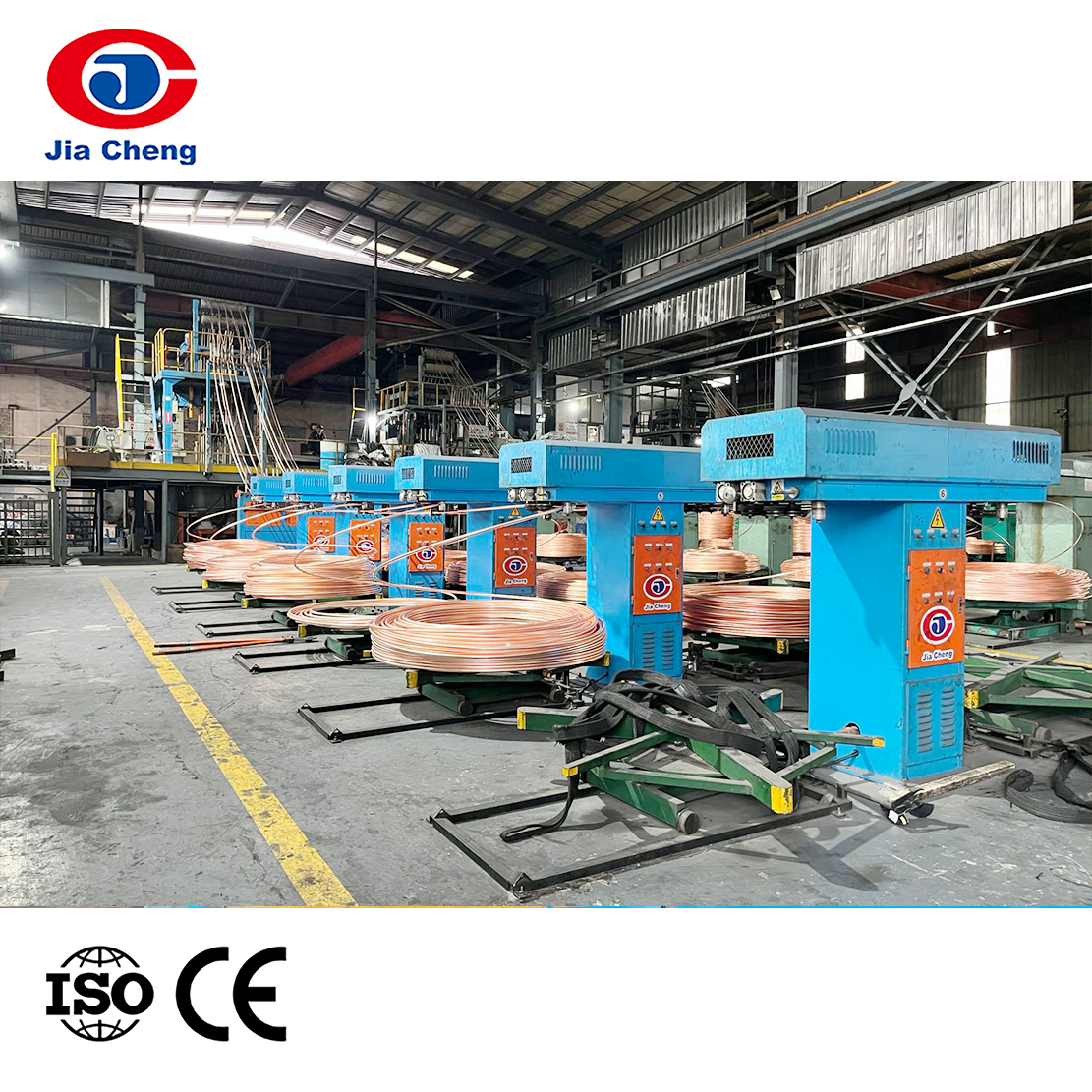
The line often starts with an upward drawing method oxygen-free copper rod continuous casting machine. This machine produces high-quality copper rod directly from electrolytic copper or copper scrap, eliminating the need to purchase external rod. The casting process controls oxygen content, grain structure, and conductivity, which are essential for downstream drawing performance. When the rod is supplied externally, a rod breakdown machine takes over. A typical oxygen-free copper rod continuous casting machine from Jiacheng can produce rod with consistent density and lower oxygen content, allowing higher drawing speeds and fewer breaks.
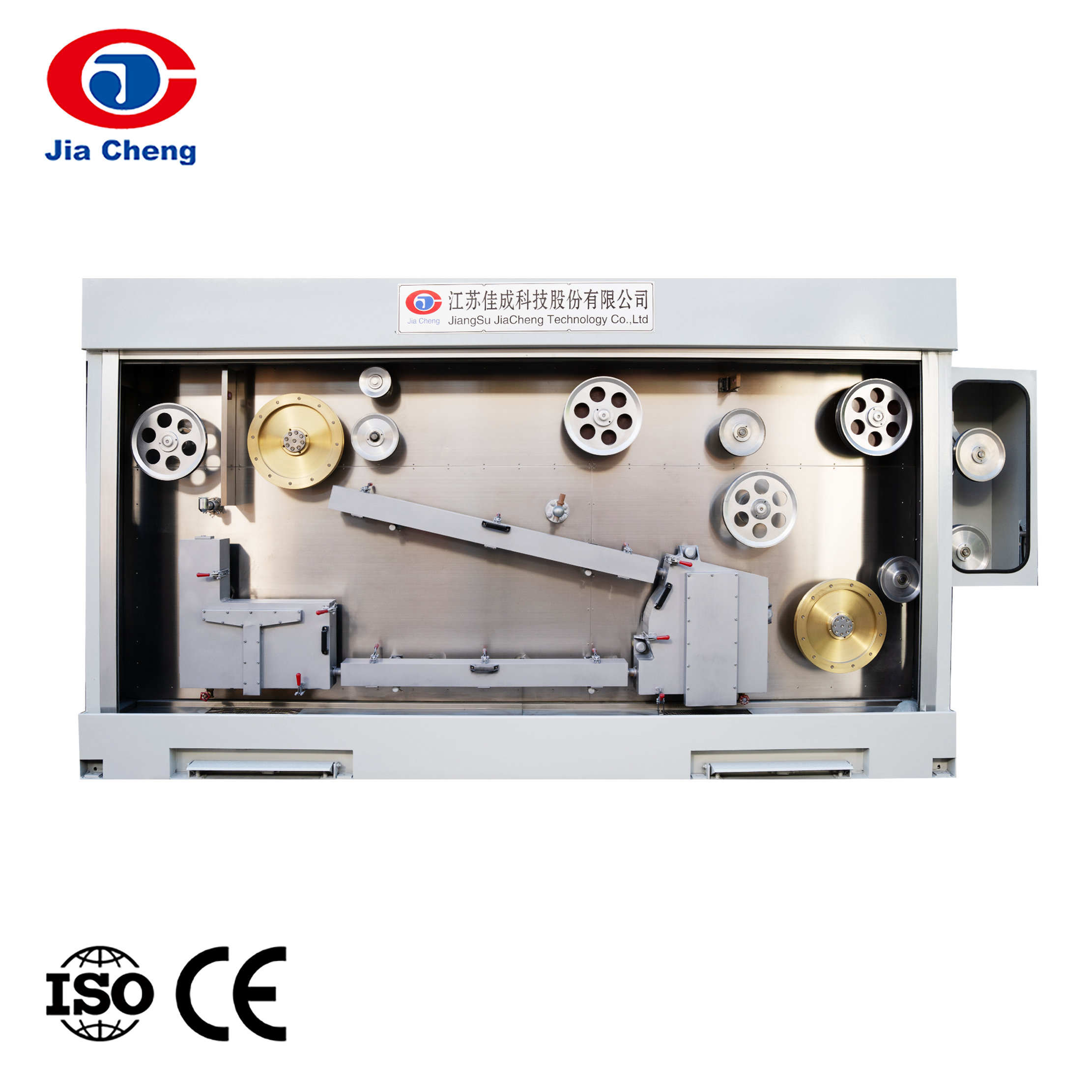
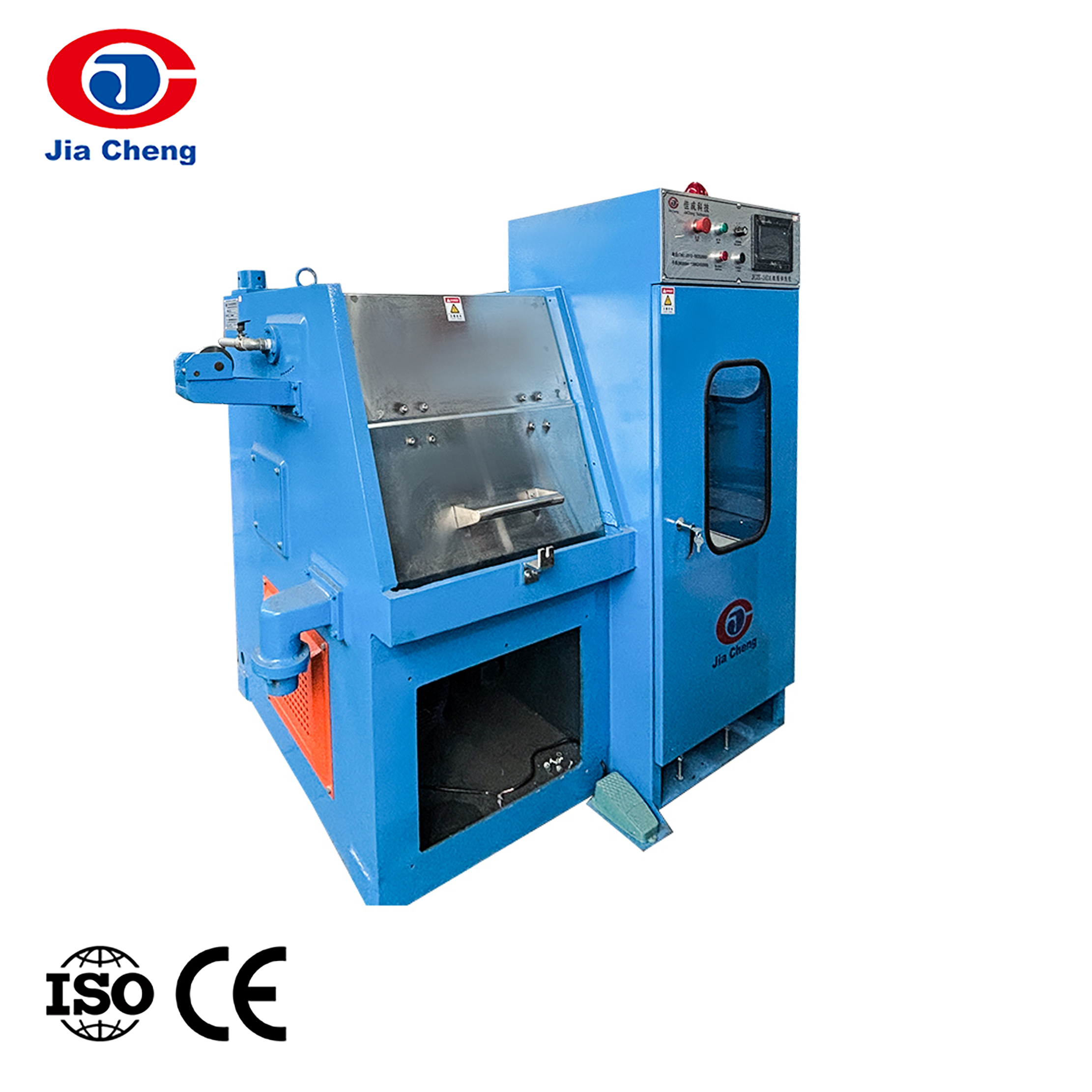
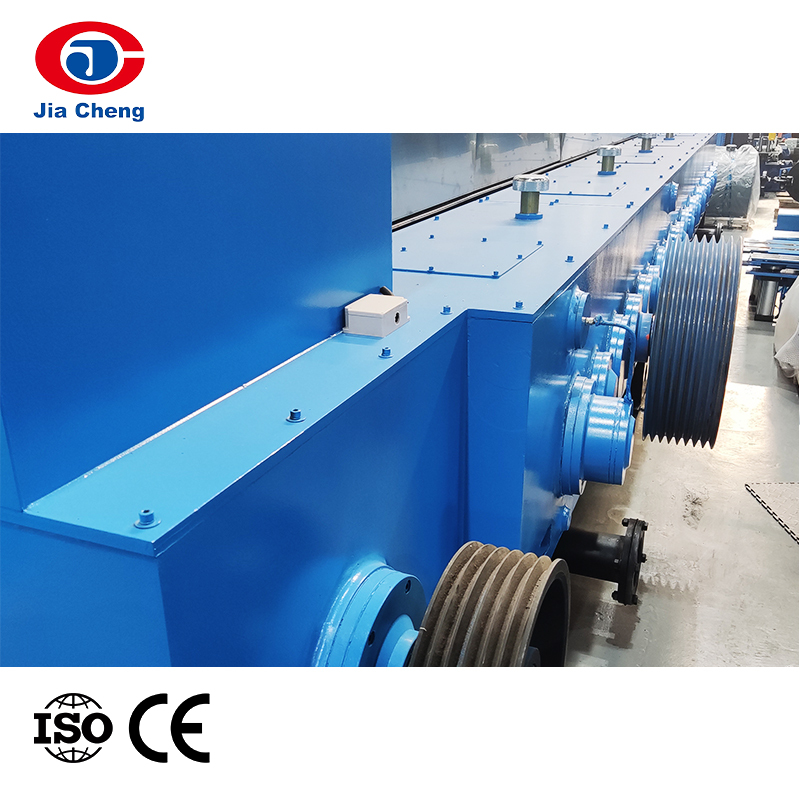 LHT450 Copper Rod Breakdown Machine for Reducing Rod DiameterThis machine draws copper rod from 8mm down to 1.5-4mm, integrating pay-off, drawing, annealing, and take-up components. It enables consistent rod reduction for downstream wire drawing, supporting high-speed processing and fewer breaks.View Product →
Rod Breakdown and Fine Drawing
After rod preparation, the rod must be drawn down to the required wire diameter. This is where wire drawing machines come into play. A rod breakdown machine reduces a thick rod to intermediate sizes, while fine and multi-wire drawing machines further reduce the wire to the exact specification. The number of dies, the capstan design, and the tension control system all influence the final wire's surface quality and elongation. For a line running continuously, the choice of drawing machine and die sequence is a key factor in total cost of ownership.
When evaluating a drawing stage, most engineers first review the how to choose a copper wire drawing machine criteria: input and output diameter range, drawing speed, number of wires, annealing capability, and energy consumption. A good supplier will provide clear data on these parameters so the buyer can compare machines and verify whether the line will hit the target output.
Annealing and Tinning
Drawn copper wire is work-hardened and needs to be annealed to restore its softness and conductivity. In a turnkey line, this can be done in-line or offline. An online annealing machine is integrated directly into the drawing process, so the wire is annealed as it is drawn. This reduces handling and improves consistency. For tinned wire, an offline annealing and tinning machine applies a tin coating to the annealed copper, providing corrosion resistance and ease of soldering.
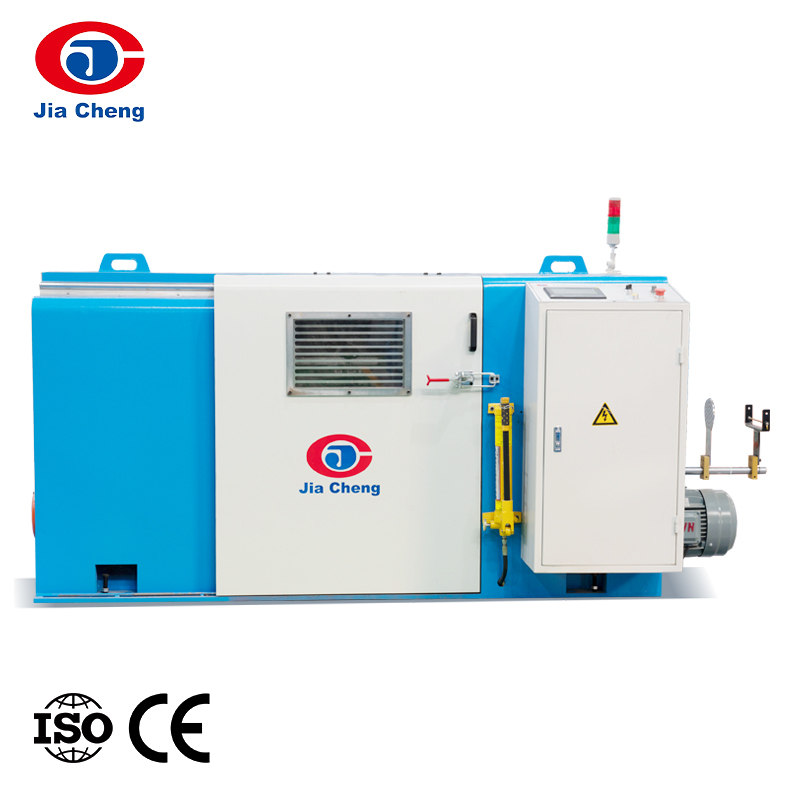
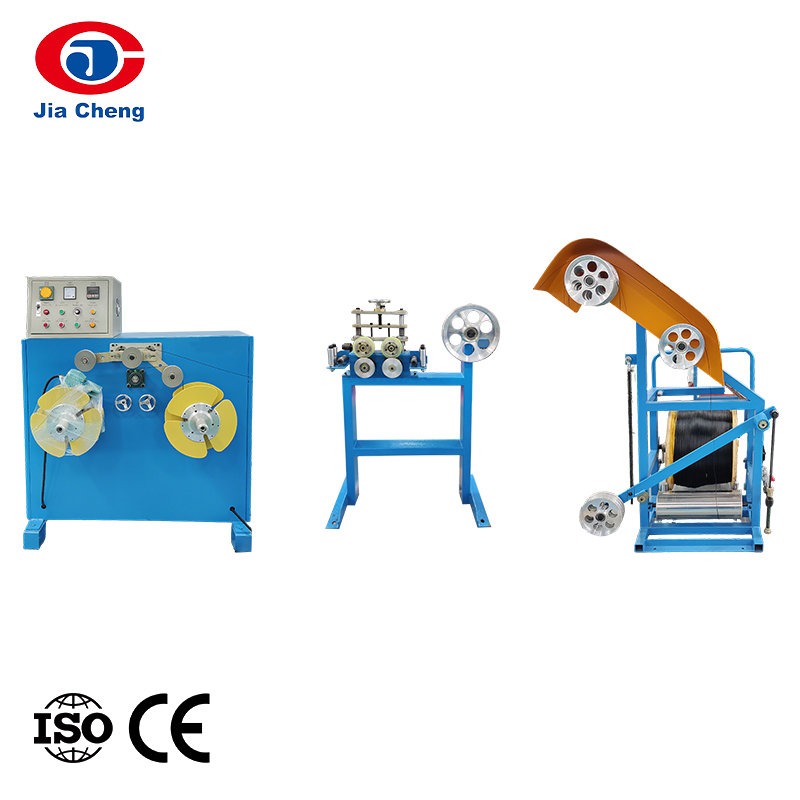
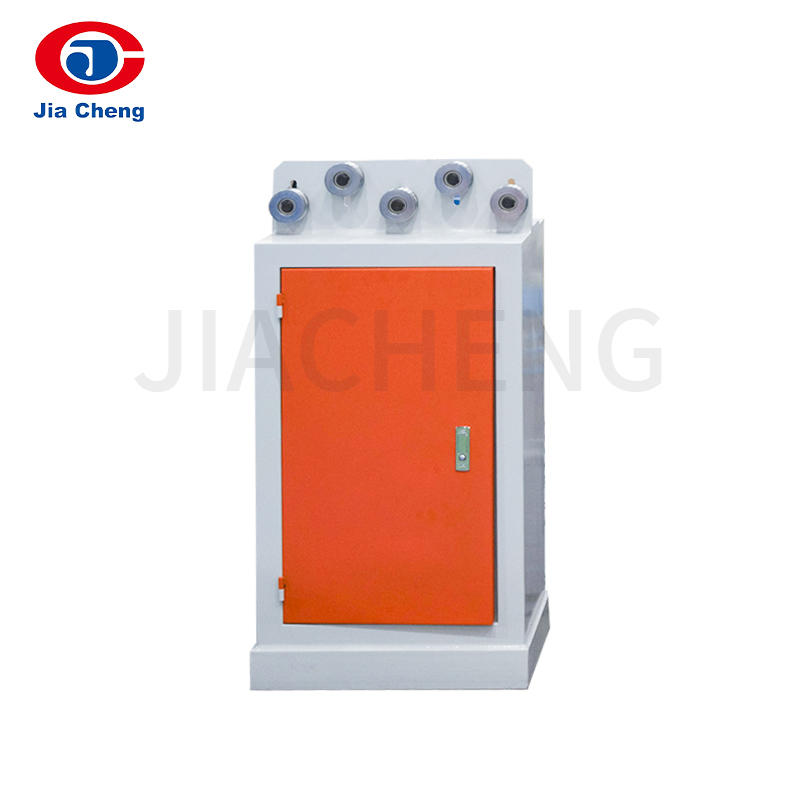
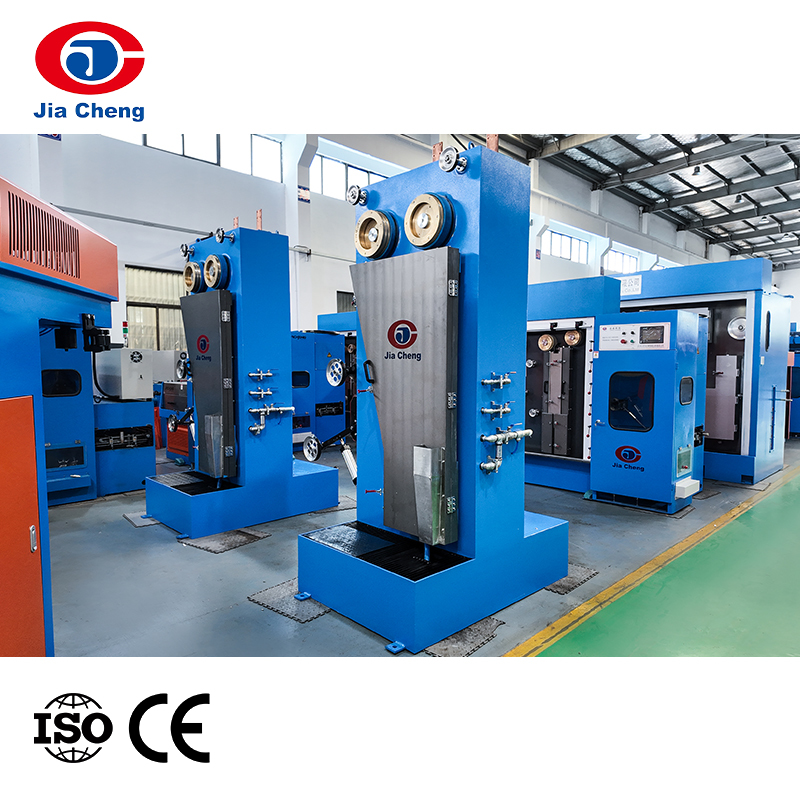 Online Annealing Machine for In-Line Wire SofteningIntegrated directly into the drawing line, this annealing machine restores wire softness and conductivity without extra handling. Available in horizontal or vertical types, it handles wire diameters from 0.35mm to 4.5mm at speeds up to 25m/min.View Product →
Stranding and Bunching
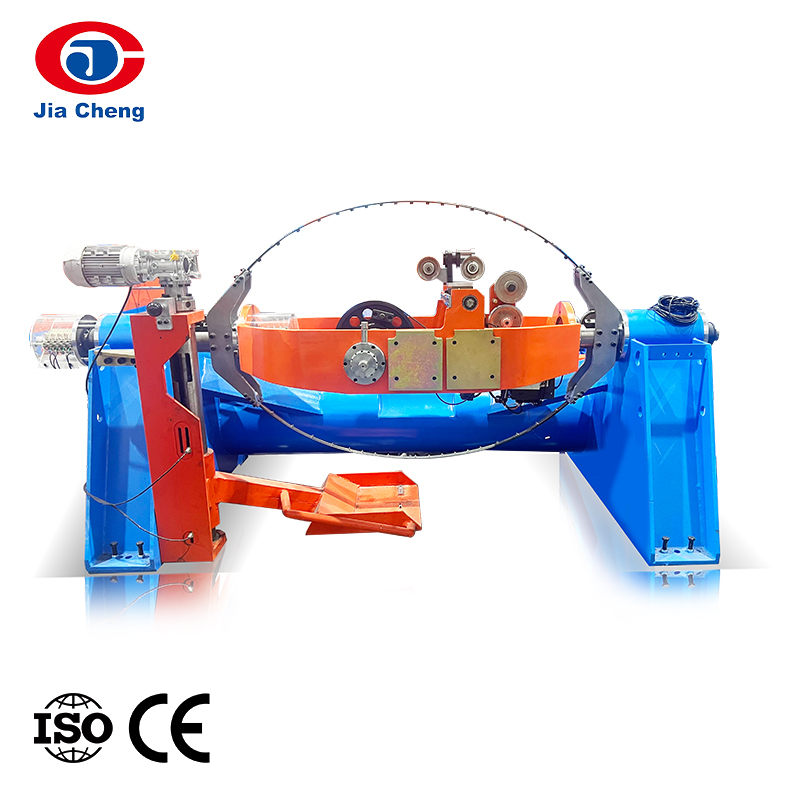
Most cable conductors are stranded, not solid. The stranding stage uses double twist bunching machines, rigid frame stranders, or tubular stranders to combine multiple wires into a compact, flexible conductor. The line's efficiency at this stage depends on the wire speed and the pitch control. For overhead conductors such as AAC or ACSR, rigid frame stranders are needed to provide high tension and tight compaction.
Insulation and Sheathing Extrusion
Once a stable conductor is formed, the cable must be insulated. Extrusion lines apply PVC, PE, XLPE, silicone rubber, or foamed insulation depending on the cable's application. A high-speed wire insulation production line is the core of this stage. It must maintain a consistent wall thickness, concentricity, and adhesion even at high line speeds. For specialized products, the line may include crosslinking units, triple-layer co-extrusion, or physical foaming.
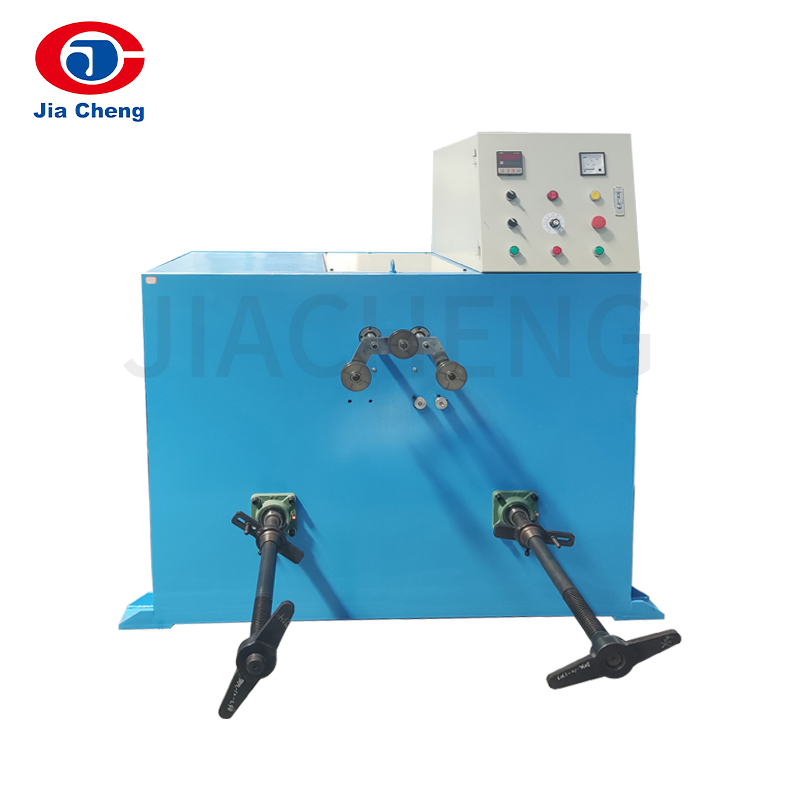
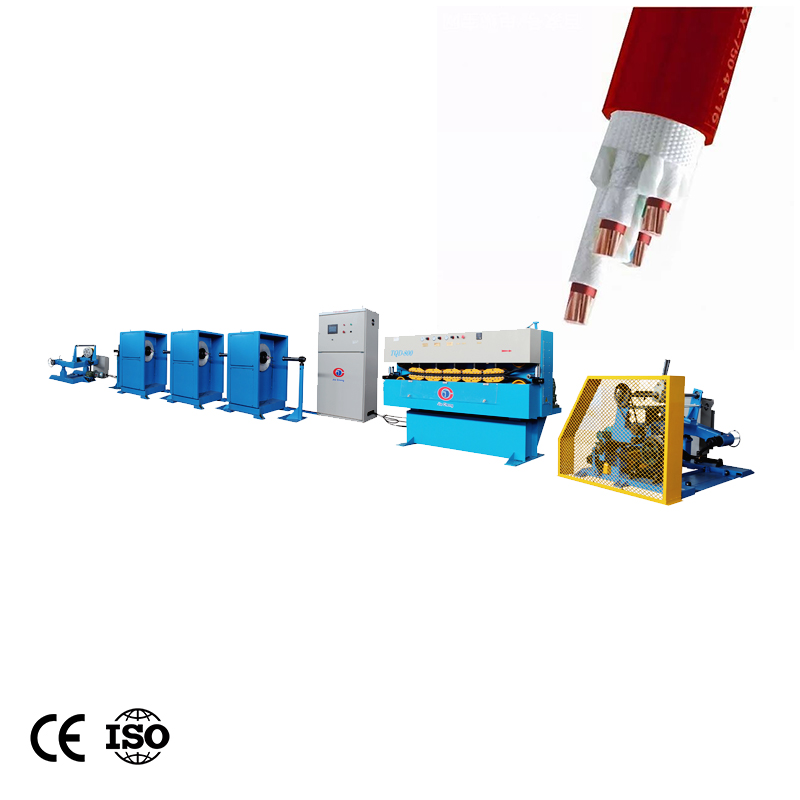
 High-Speed Wire Insulation Production Line for Core WiresThis line ensures uniform insulation thickness, high concentricity, and electrical performance through precise control of preheating, extrusion, and cooling. It meets large-scale production needs for insulated core wires at high speeds.View Product →
Testing and Auxiliary Equipment
A turnkey line is not complete without quality control. Cable testing machines such as digital tensile strength testers, resistance bridges, high-voltage withstand testers, and aging ovens let the plant verify that the finished cable meets national or international standards. Auxiliary equipment including take-ups, pay-offs, accumulators, and spark testers keep the line running smoothly and protect the product from damage.
How to Evaluate a Turnkey Supplier
Before a cable manufacturer signs a contract for a turnkey wire rod production line, the supplier needs to be assessed beyond the brochure. The following points are practical checks that can prevent costly surprises later.
- Machinery coverage: Confirm the supplier handles both the upstream processes such as casting and rod breakdown and the downstream stages such as extrusion and testing. A gap in this coverage may force the buyer to coordinate a second vendor anyway.
- Process engineering ability: Ask for reference data on line speed matching, die sizing, tension control, and cooling capacity. A supplier that can explain how the machines will work together is usually more reliable than one that only sells individual units.
- Testing and quality instruments: A supplier that also provides cable testing equipment demonstrates that it understands the final product quality requirements. This is a strong signal of a complete turnkey capability.
- Installation and training: Clarify whether the contract includes commissioning, operator training, and a defined acceptance test procedure. These terms determine how fast the line reaches stable production.
- Reference cases: Request documented examples of similar cable production lines, especially for your specific cable type. The example should include the annual output, line speed, and any custom adaptations made.
One useful shortcut is to map the supplier's product range against the full process chain. In the case of Jiacheng, the portfolio extends from continuous casting and rod breakdown through stranding and extrusion to cable testing machines and packing accessories. This breadth is exactly what a turnkey line demands.
Which Cable Types Benefit Most from a Turnkey Line?
Different cable types place different demands on the production line. The table below summarizes the typical process requirements for common product groups.
| Cable Type | Key Process Requirements | Relevant Line Stages |
|---|---|---|
| Power and low-voltage cable | High conductivity conductor, consistent insulation thickness, good sheath adhesion | Drawing, annealing, bunching, insulation extrusion, sheathing, testing |
| Overhead conductors (AAC, ACSR, ABC) | High tensile strength, compact stranding, corrosion resistance | Rod breakdown, rigid frame stranding, anti-corrosion treatment |
| Data and coaxial cable | Precise dimensions, low capacitance, consistent impedance | Fine drawing, double twisting, foaming extrusion, wrapping |
| Fire-resistant cable | Mica tape wrapping, low smoke, high temperature resistance | Drawing, annealing, bunching, mica taping, sheathing, testing |
| Solar and EV cable | High temperature resistance, flexibility, long service life | Drawing, annealing, silicone or crosslinked extrusion, testing |
When a manufacturer produces several cable families on the same site, the turnkey line is designed with change-over flexibility in mind. This is where the close control of die sets, extrusion screw designs, and line speeds matters more than the raw number of machines installed.
The Bottom Line
A turnkey wire rod production line in the cable industry is a strategy, not just a set of equipment. It means selecting a supplier who understands the full process from copper rod to finished cable and who stands behind the interaction between stages. For plants that need to increase output, reduce scrap, or enter a new cable segment, this approach shortens time to production and shifts technical risk away from the buyer.
Before making a decision, compare how a supplier handles the three critical interfaces in the line: rod-to-wire, wire-to-conductor, and conductor-to-insulation. Ask for specific tolerances, line speeds, and acceptance criteria. If the supplier can answer those questions clearly, the turnkey route is likely to deliver the performance expected.