Language
 中文简体
中文简体 English
 عربى
عربى русский
Content
- 1 What Cable Spooling Machines Do (and Why It Matters)
- 2 Main Spooling Configurations to Consider
- 3 Key Specifications for Cable Spooling Machines
- 4 Tension Control Is the Core of Good Spooling
- 5 How to Match a Spooling Machine to Your Production Line
- 6 Working with a Machinery Supplier
- 7 Selection Checklist
When a cable line runs at full speed, the spooling machine is easy to underestimate until a bad reel shows up. A coil that telescopes, a surface with loose layers, or a reel change that creates tension marks can turn an otherwise perfect cable into a return. The practical conclusion is simple: cable spooling machines deserve the same attention as drawing and extrusion equipment. Choose them for your line speed, reel format, tension accuracy, and required changeover time, and the final product will stay as good as the rest of the line made it.
This article covers the main spooling configurations, the specifications that matter, and how to match a spooling machine to the rest of your manufacturing process.
What Cable Spooling Machines Do (and Why It Matters)
At its core, a spooling machine winds a continuous cable onto a reel or coil in a controlled, repeatable way. It must handle traverse layering, maintain the correct tension from a full reel to an empty one, and, on high-speed lines, manage reel change without stopping the process. That is why the machine affects more than packaging: it directly affects conductor elongation, jacket surface quality, and the customer's ability to pay out the cable without snags.
Consider what happens when tension is too high. The conductor may stretch, insulation can thin, and the cable may take a permanent set. Too low a tension and the outer layers loosen, allowing adjacent turns to shift in transit. A consistent traverse pattern is equally important; if the pitch is wrong, the cable can bite into the layer below. These are the problems that a correctly sized spooling machine prevents.
Main Spooling Configurations to Consider
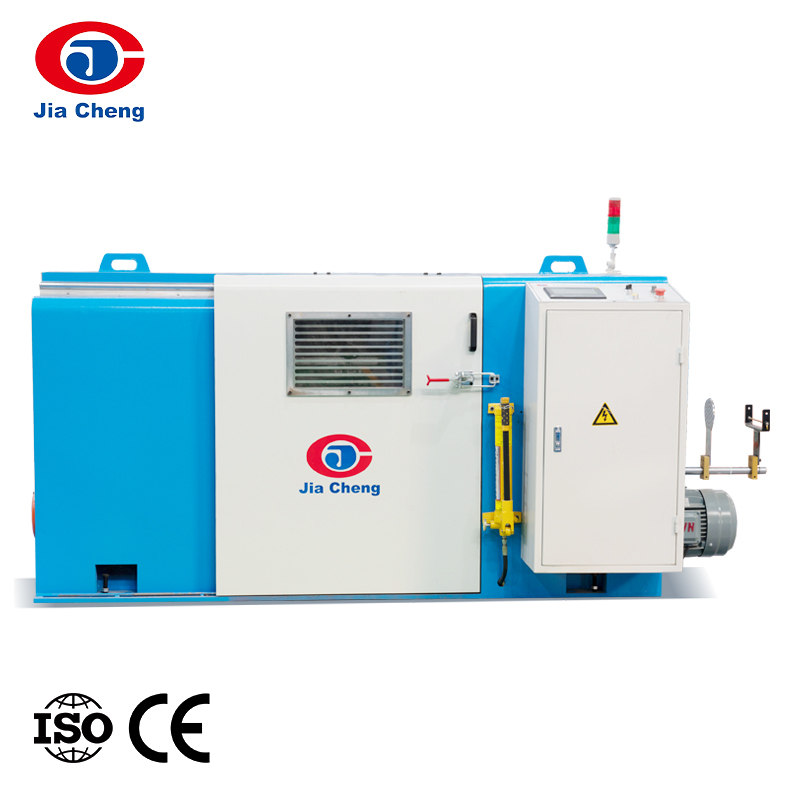
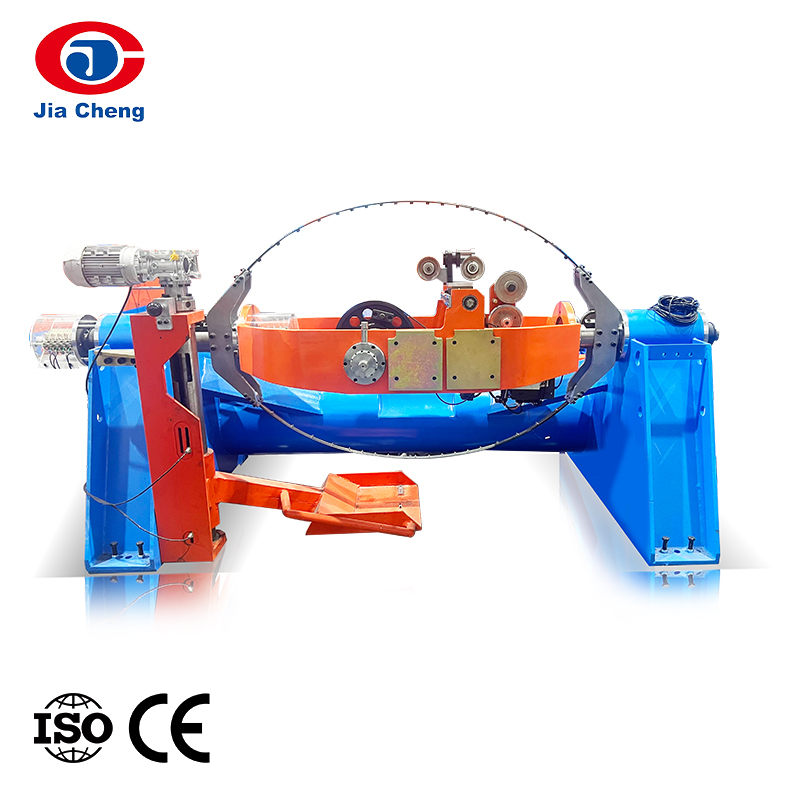
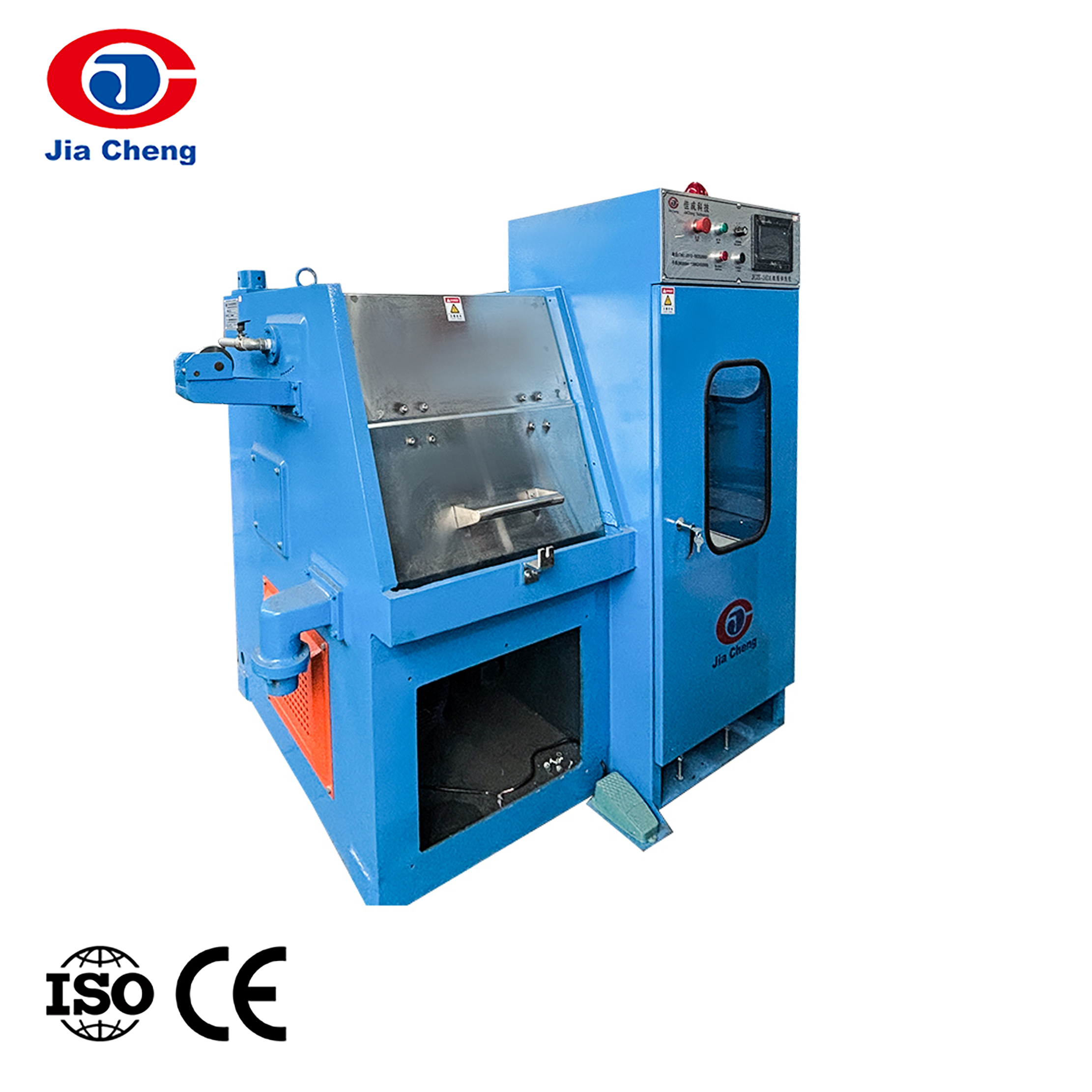
Single take-up spoolers are simple and low cost, but they require line stopping or a separate accumulator when the reel is full. For longer runs, a dual take-up design is more common because it keeps the process moving during reel change. One reel is winding while the other is being unloaded. On a continuous extrusion line, a 630 double take-up machine is often the practical choice because it allows the line to continue at production speed while operators remove the finished reel.
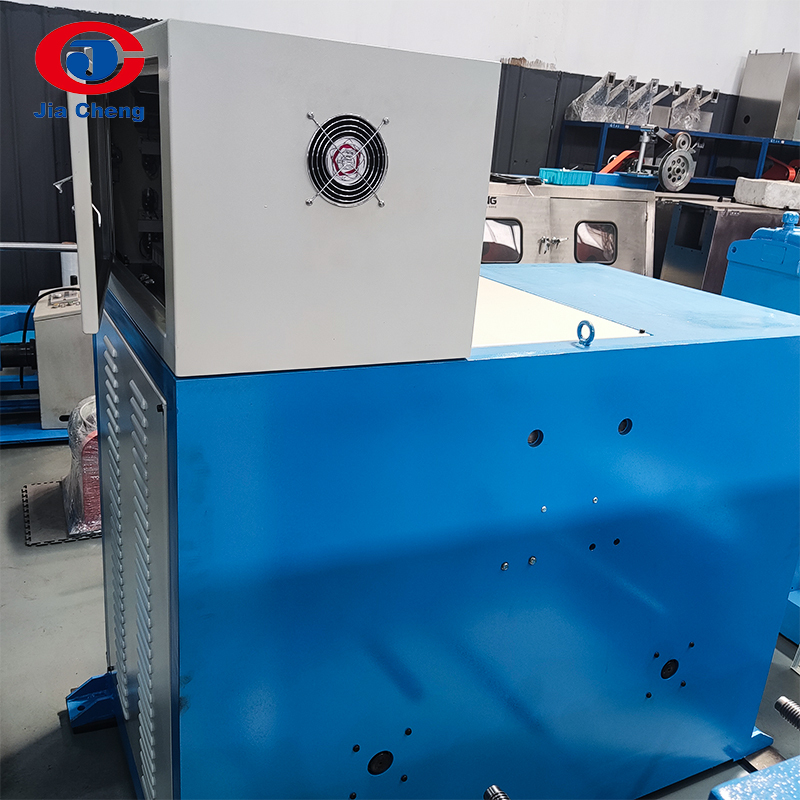 Custom Φ630 Double take-up machine Factory, Manufacturers - Jiangsu Jiacheng TecJiangsu Jiacheng Technology Co., Ltd. is China Φ630 Double take-up machine manufacturers and factory, we offer custom Φ630 Double take-up...View Product →
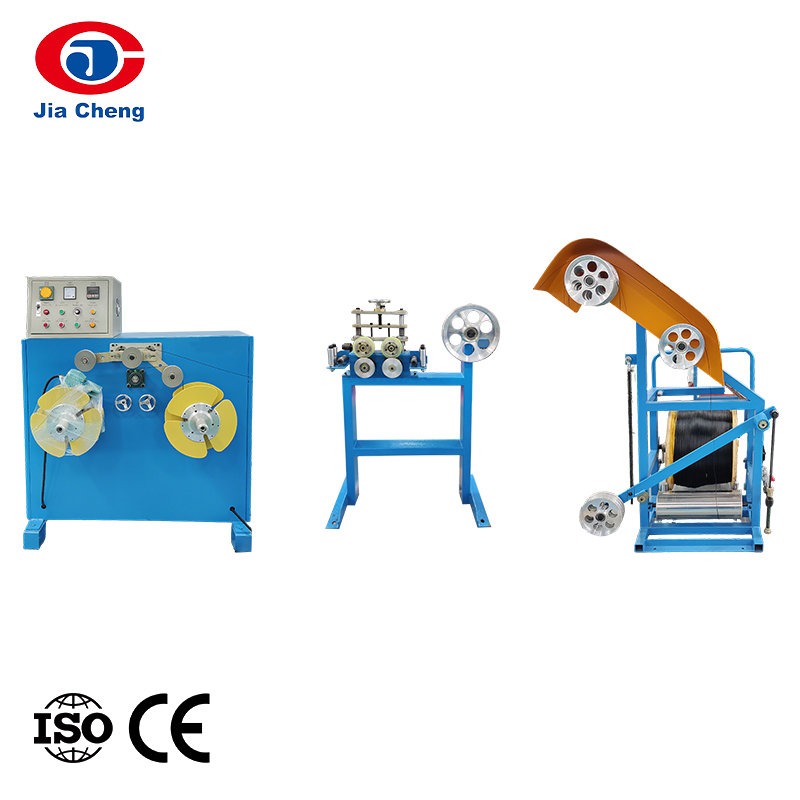
For products that ship as loose coils rather than reels, automatic coiling and packing systems combine winding with handling, strapping, and sometimes wrapping. This shifts the decision from a simple spooler to a more integrated packaging cell, and the right choice depends on coil diameter, weight, and packaging speed.
| Configuration | Best for | Reel change | Automation level |
|---|---|---|---|
| Single take-up | Short runs, low-speed lines | Line stops or accumulator needed | Low to medium |
| Dual take-up | Continuous extrusion and drawing lines | Automatic changeover at speed | Medium to high |
| Coiling and packing | Loose coils for shipping | Integrated coil transfer | High |
Key Specifications for Cable Spooling Machines
Before asking for a quote, define the operating conditions. A spooler that works well for one cable family may be completely wrong for another. At minimum, document these parameters:
- Maximum line speed: the spooler must keep up with your fastest line, including acceleration.
- Reel and coil dimensions: flange diameter, barrel diameter, traverse width, and coil weight all affect machine sizing.
- Traverse system: a controlled traverse lays the cable in even layers; adjustable pitch matters for different cable diameters.
- Tension control: look for dancer arm or load cell feedback that adjusts braking or drive torque continuously.
- Reel change time: a dual take-up may change reels in 30 seconds or less, minimizing scrap and downtime.
Once these values are known, the supplier can recommend the correct motor power, gear ratio, traverse rate, and control system. You should also ask how the machine handles acceleration and deceleration, because that is where most tension disturbances occur.
Tension Control Is the Core of Good Spooling
Tension control is the main difference between a spooler that protects the cable and one that damages it. The machine should measure tension continuously and adjust the take-up speed or braking torque in small steps. On multi-layer reels, the reel diameter changes significantly; the spindle speed must slow as the reel fills to keep linear surface speed constant.
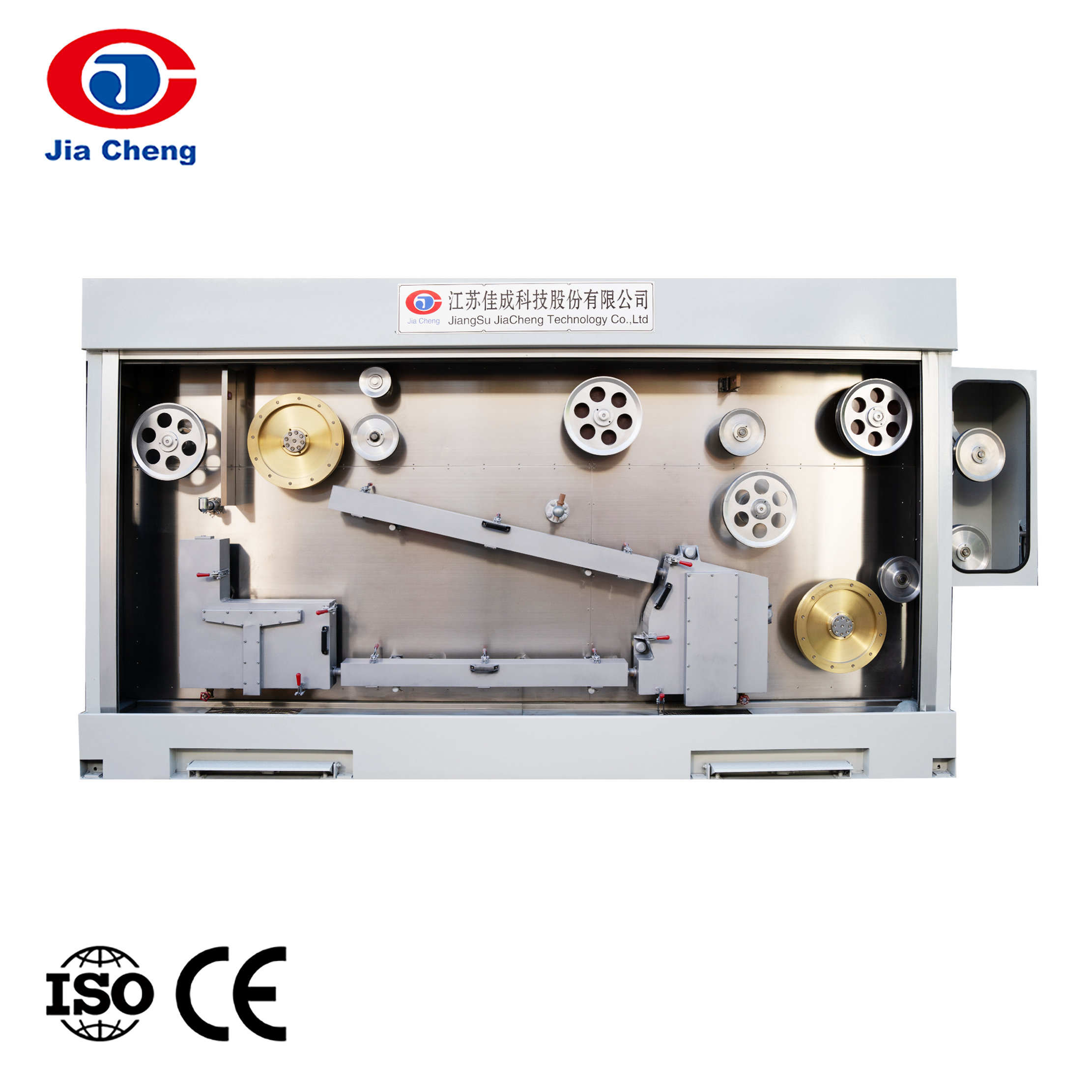
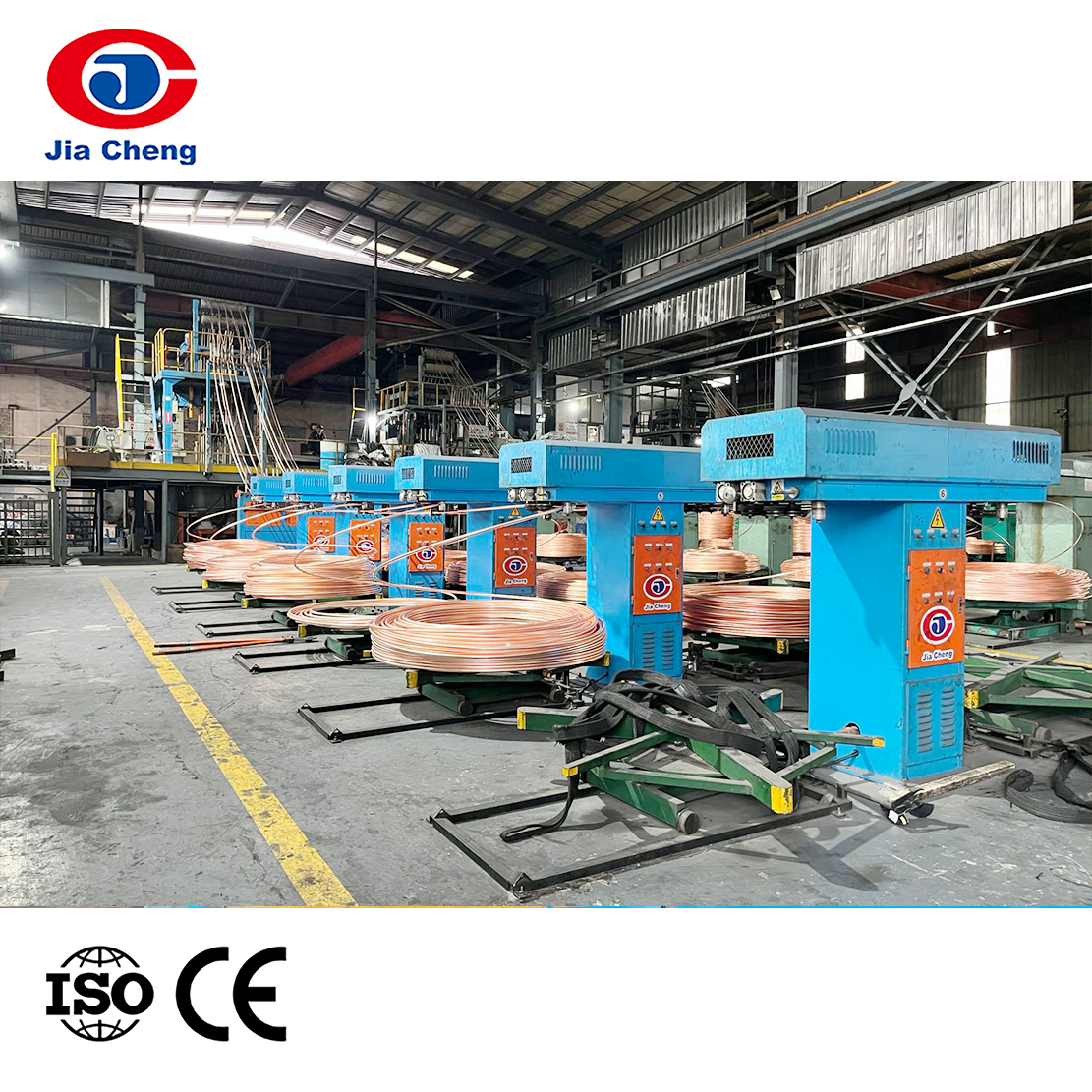
Many lines use a dancer arm or load cell near the spool to sense tension and send feedback to the drive. Yet the spooling machine alone cannot solve tension problems if the cable speed fluctuates upstream. This is where a traction unit becomes important. A double-wheel haul-off unit provides a steady pull and reduces the effect of changing reel weight on the cable. When combined with an accumulator, it also gives the line enough time for a controlled reel change without stopping the extruder or drawing machine.
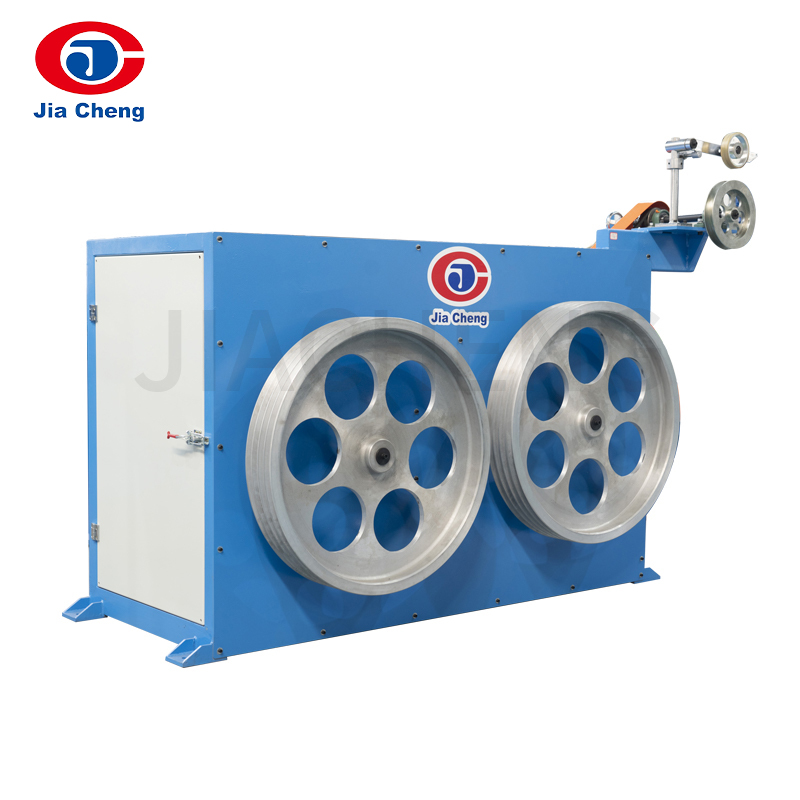 Custom Double-wheel hual-off Factory, Manufacturers - Jiangsu Jiacheng TechnologJiangsu Jiacheng Technology Co., Ltd. is China Double-wheel hual-off manufacturers and factory, we offer custom Double-wheel hual-off.View Product →
How to Match a Spooling Machine to Your Production Line
Different cables need different spooling behavior. A fine data cable requires gentle, precise winding to avoid stretching the conductor. A heavy power cable requires a rigid shaft and enough torque to wind large diameters. An enameled wire line, on the other hand, often needs very low tension to avoid breaking the thin conductor. No universal machine covers all of these extremes; you need a design matched to your product mix.
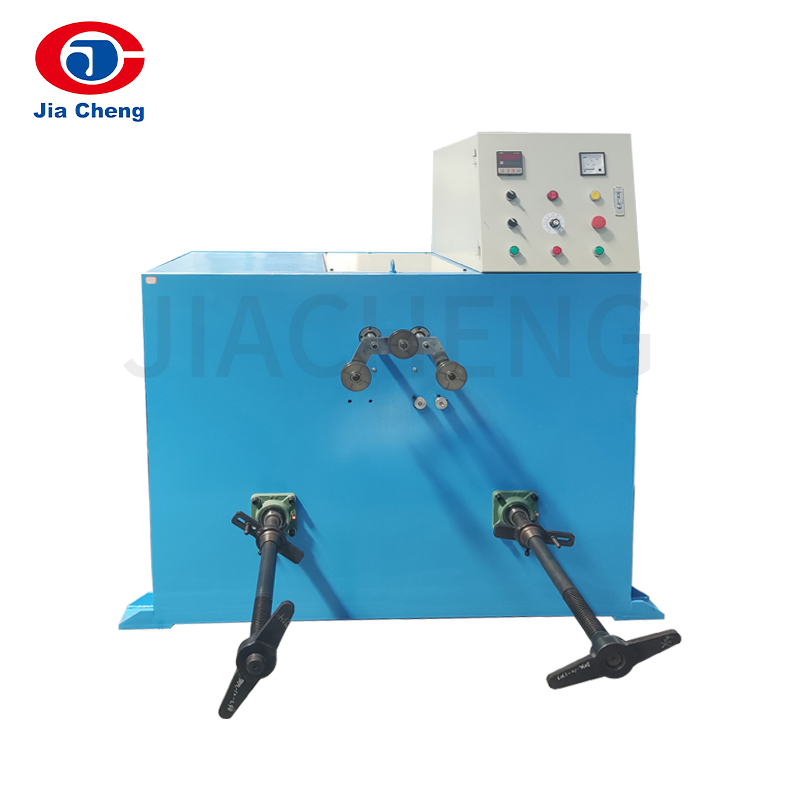
If your output is loose coils for distribution, a fully automatic coiling and packing machine helps keep coil dimensions uniform and reduces manual handling between the winder and the shipping area. For products that stay on reels, take-up spindle size, flange clearance, and reel weight capacity matter more.
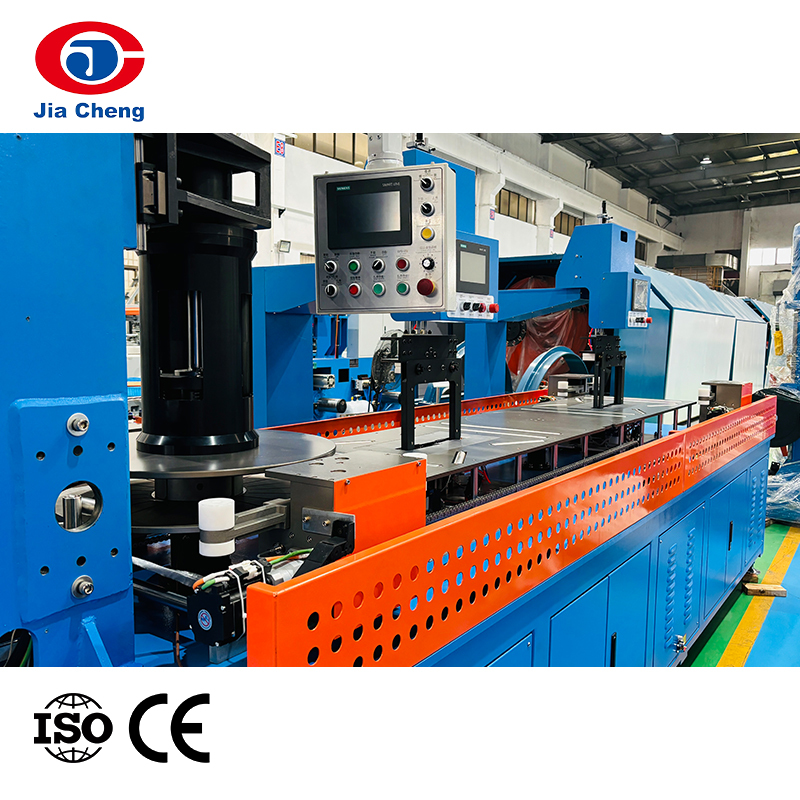 Custom Fully-Automatic Coiling And Packing Machine Factory, Manufacturers - JianJiangsu Jiacheng Technology Co., Ltd. is China Fully-Automatic Coiling And Packing Machine manufacturers and factory, we offer custom Ful...View Product →
Spooling also connects to upstream and downstream equipment. If you are upgrading a drawing line, the same tension and speed logic applies. Our guide on how to choose a copper wire drawing machine explains why these variables are linked from the first drawing capstan to the final spool.
Working with a Machinery Supplier
A spooling machine is rarely the only new equipment you need. The best suppliers look at the entire line: drawing machine, annealer, accumulator, haul-off, spooler, and testing instruments. Buying from a single supplier who builds a broad range of cable machinery can simplify installation, spare parts, and service.
When comparing suppliers, be specific. Ask for the maximum line speed they have successfully spooled, how they control tension during reel change, and what traverse options are available. Visit or request sample coils made from your cable. The supplier's response will tell you whether they understand your process or just want to sell a box.
Selection Checklist
Use this short checklist when you start a spooling project:
- Start with the reel format and cable weight you need to handle.
- Calculate maximum line speed and required reel change time.
- Confirm the tension range covers your smallest and largest cable.
- Check traverse quality on a sample coil, not only on paper.
- Choose a supplier with experience in the complete wire and cable manufacturing chain.
Spooling is the last step, but it has an outsized effect on the first impression your customer gets. A well-chosen cable spooling machine keeps tension stable, changes reels reliably, and produces reels or coils that arrive in good condition. Define your speed and reel format, verify the tension and traverse system, and partner with a machinery builder who can integrate the whole line. That is the shortest path to fewer rejects, fewer returns, and a cable that looks as good as it performs.