Language
 中文简体
中文简体 English
 عربى
عربى русский
Content
When you plan a rubber cable production line, you are not choosing a few machines. You are deciding how your factory will handle compound preparation, conductor processing, insulation and sheathing, curing, and final testing as one continuous system. The factory owner who treats the line as an integrated system will avoid the most common failures: mismatched throughput, unstable surface quality, and inconsistent cure. That is why this guide moves from the process itself to practical selection criteria, so you can make a confident investment.
Many cable makers find that coordinating separate machines from different vendors creates hidden risks. The one-stop solution approach helps avoid these risks by keeping the process logic consistent. It also reduces the number of interfaces you have to manage during installation, commissioning, and spare-part inventory.
Rubber cable production: what defines a complete line
A rubber cable production line is fundamentally different from a PVC cable line. After the rubber compound is extruded around the conductor, it must be crosslinked. This curing stage is where the chemical structure of the compound is transformed into a stable, heat-resistant insulation or sheath. Therefore, the line includes a curing section that applies heat and pressure according to the material and cable construction.
The layout can be a horizontal line or a catenary line. In a horizontal layout, the cable moves straight through the curing tube. In a catenary layout, the cable is suspended in a curved path to support its weight during curing. The choice affects tension control and the thickness of insulation. For low-voltage flexible cords, a simpler horizontal system is common. For medium-voltage rubber cables and mining cables, a catenary line is often preferred because it provides better concentricity and allows longer curing lengths.
Rubber compound selection also shapes the line. EPDM, polychloroprene, and silicone rubber have very different heat histories. A line that processes EPDM with a high shear screw may scorch silicone rubber. This is why a resilient rubber production line needs a defined material matrix before the machine list is written.
Core process steps in a rubber cable production line
To make the right decision, it helps to map each step to a specific machine group. The table below shows the typical stages and the equipment associated with them.
| Stage | Purpose | Equipment |
|---|---|---|
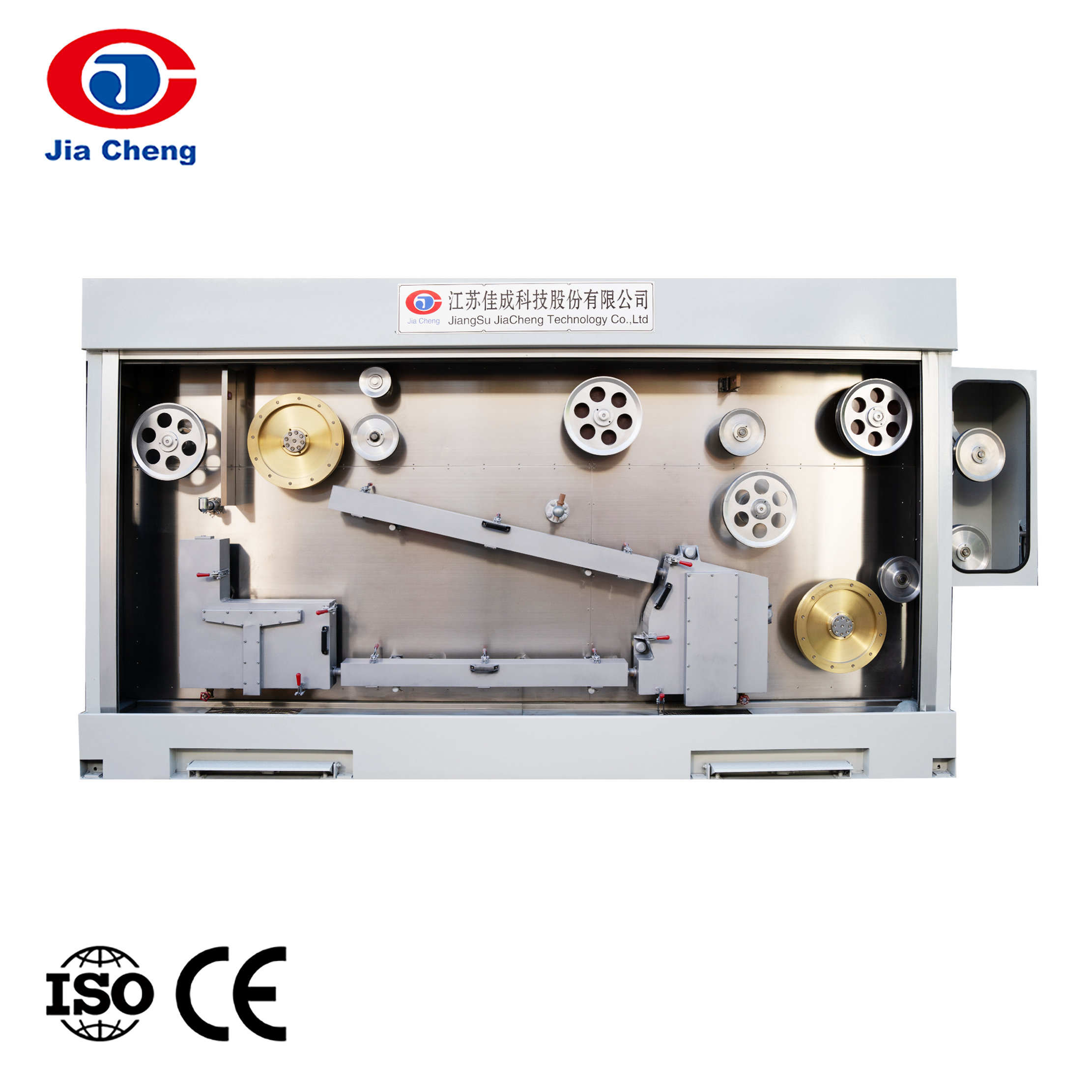
| Rod breakdown and drawing | Convert copper or aluminium rod to the required conductor size | Rod breakdown machine, intermediate wire drawing machine |
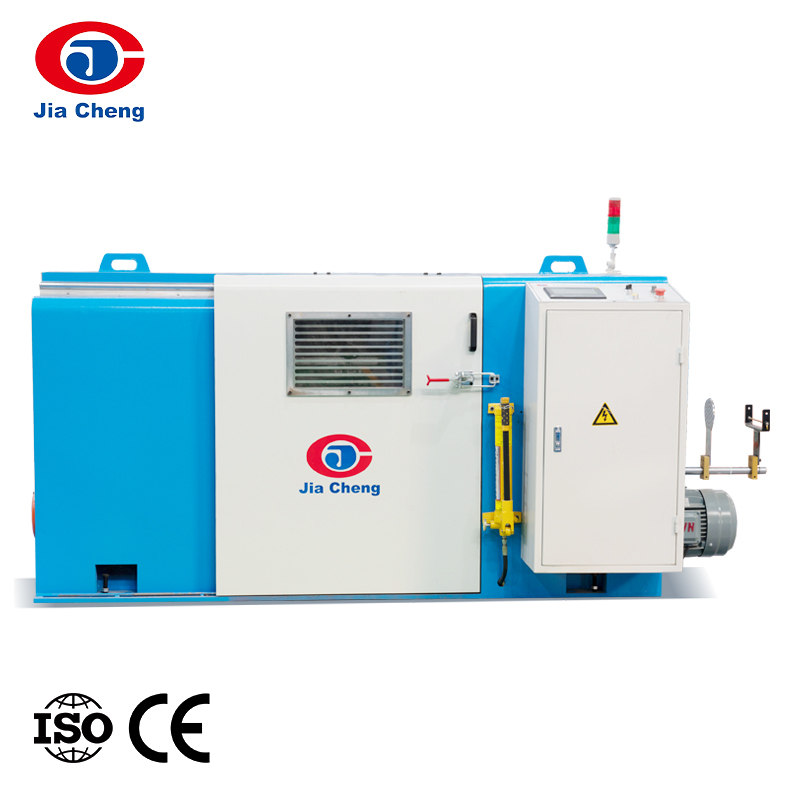
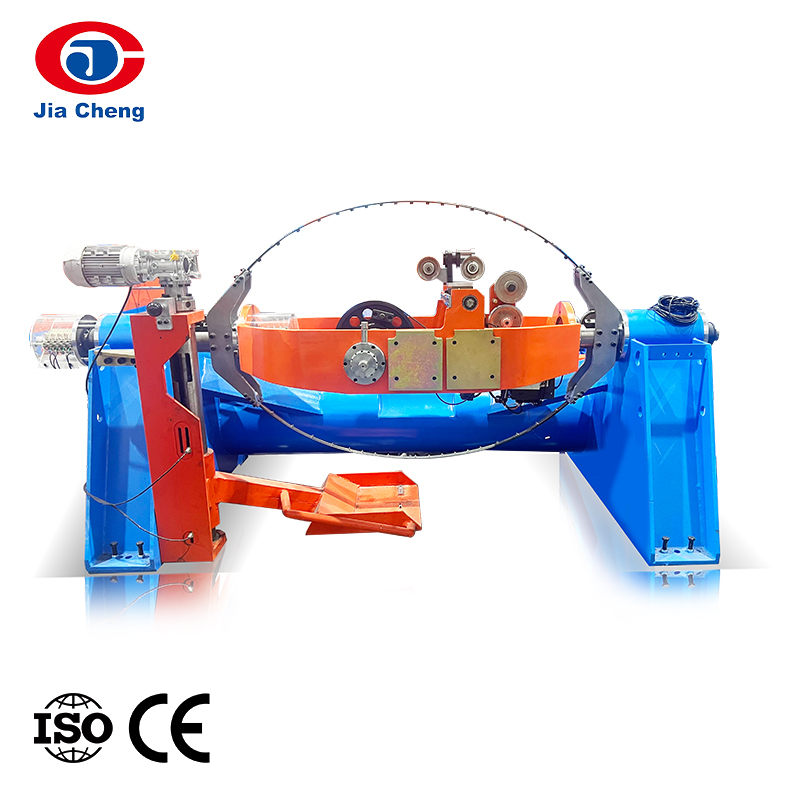
| Stranding/bunching | Form flexible conductor structure | Double-twist bunching machine, rigid frame stranding machine |
| Insulation extrusion | Apply rubber insulation | Rubber cable extrusion line with curing section |
| Sheathing extrusion | Protect the core with a rubber sheath | Cable sheath extruder machine |
| Testing | Verify electrical and mechanical properties | High-voltage withstand tester, insulation resistance meter, tensile tester |
The table is a simplification, but it captures the sequence. It also shows why a single supplier who provides drawing, stranding, extrusion, and test equipment can reduce coordination work. For example, a rod breakdown machine feeding a wire drawing machine must match the drawing speed and wire tension. If the speeds do not match, the wire may wander or break, resulting in downtime and scrap.
Testing is often an afterthought in line planning, but it protects your production consistency. An AC high-voltage withstand testing machine and an insulation resistance meter are basic requirements for rubber cables. A digital tensile strength testing machine helps verify sheathing and insulation compounds before the production run.
Why extrusion and curing dominate line performance
Extrusion is where most rubber cable quality problems begin. If the compound is not heated and conveyed uniformly, the insulation diameter will vary, the surface may show pores, and the adhesion between layers may fail. High-quality rubber cable lines use screws designed specifically for rubber, with a high compression ratio and lower shear to prevent scorching.
For silicone rubber, the situation is even stricter. Silicone is tacky and heat-sensitive. The extruder needs a low-shear screw and a separate cooling system for the feed zone. The curing section also needs to be longer because silicone requires a controlled temperature profile to avoid voids.
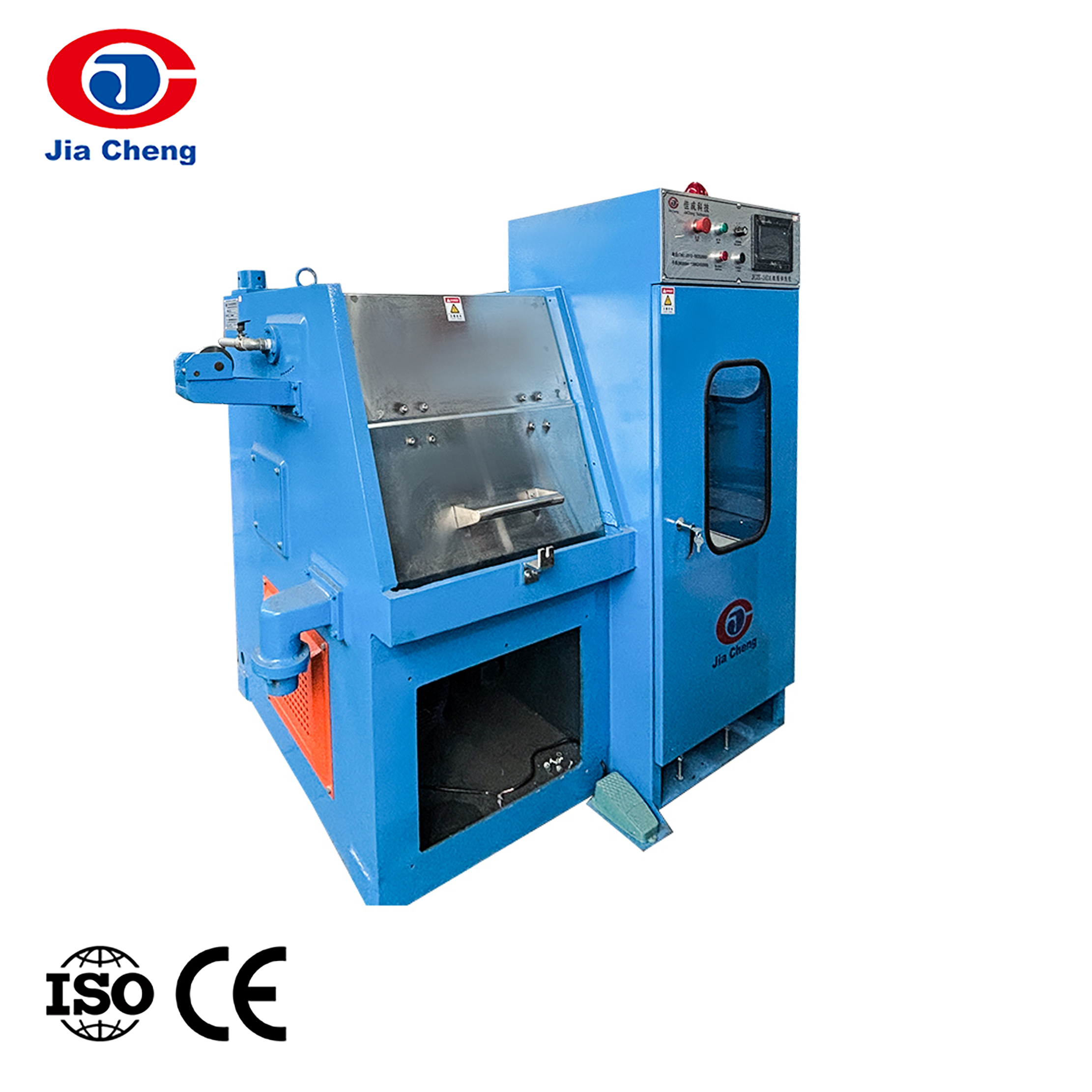
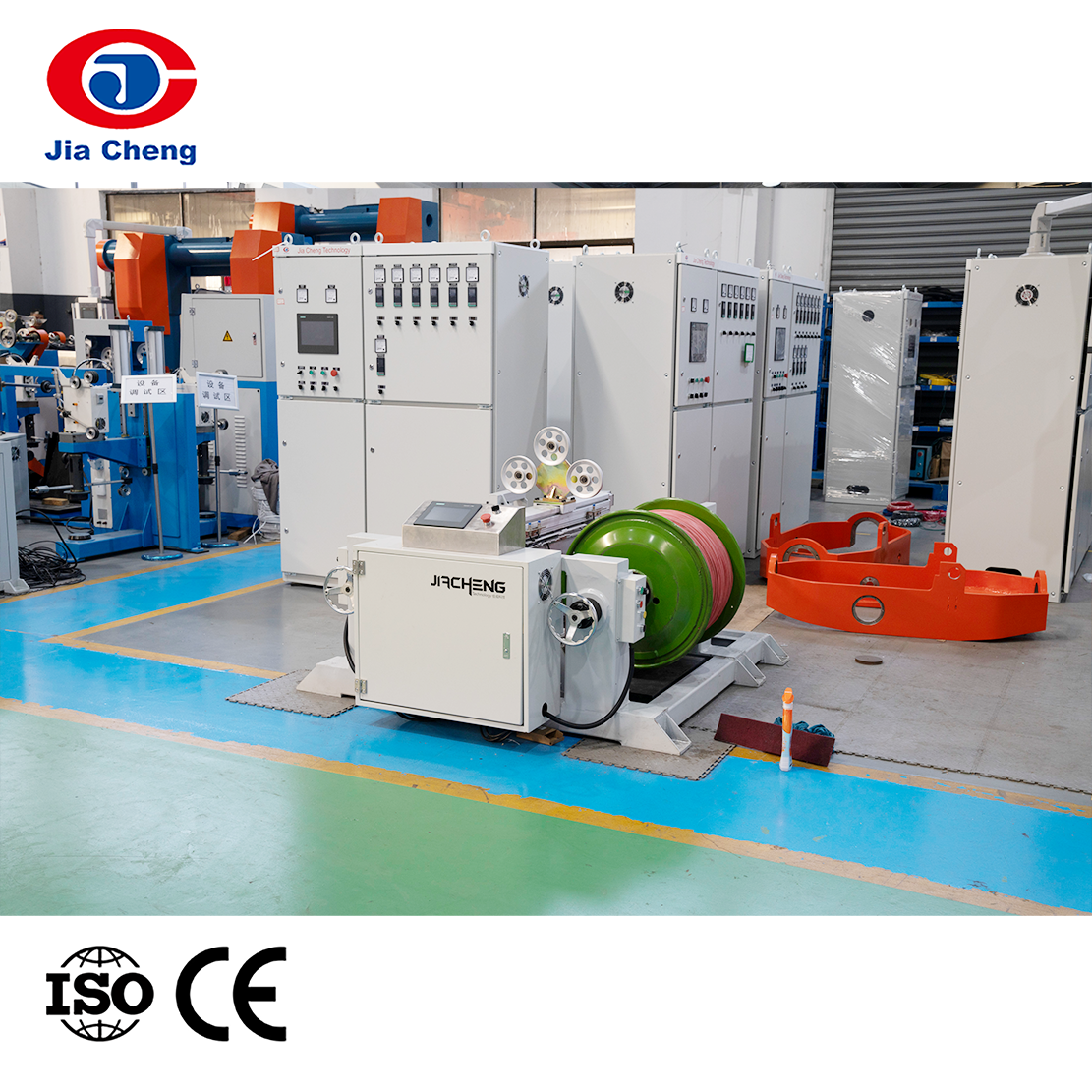 Silicone Rubber Cable Extrusion Production Line for High-Temperature CablesThis production line is specifically designed for high-temperature silicone rubber cables and sheaths. It features a low-shear screw and a separate cooling system for the feed zone, along with a longer curing section to ensure a uniform insulation layer and avoid voids.View Product →
That is why a dedicated silicone rubber cable extrusion production line should be treated as a special case. A generic extruder that works for PVC will not predictably produce a uniform silicone insulation layer. When the material is changed, the line must be rechecked.
Beyond the extruder, the curing section controls whether the rubber reaches the correct crosslink level. In practice, the cure is evaluated with a hot-set test, which measures elongation and permanent deformation after heat. If the curing length is too short or the temperature profile is uneven, the cable will fail this test even though the extruder is working correctly.
How to evaluate a rubber cable line before purchase
Before you compare quotes, define your output requirements. What is the maximum conductor cross-section you will run? Which rubber materials will you process? What is the target line speed? These three answers determine the extruder size, the curing length, and the cooling capacity.
When you evaluate a high-speed crosslinked extrusion line, pay attention to the following points:
- Temperature control range: the barrel and die zones must be independently adjustable.
- Process stability: maintain consistent pressure at the die head to avoid dimensional drift and eccentricity.
- Line speed: the curing length must match the required speed to achieve full crosslinking.
- Changeover time: quick cleaning and tooling changes reduce downtime when you switch compounds.
- Automation level: automatic line speed adjustment and data logging make the production process repeatable.
For thermoset rubber that needs crosslinking, the extruder and the CV section are inseparable. You cannot benchmark a standalone extruder without the curing line, because the cure determines whether the cable passes the hot-set test. This also means you need to compare the line as a whole, not just the extruder. Ask the supplier for reference lines that run the same type of cable you want to produce.
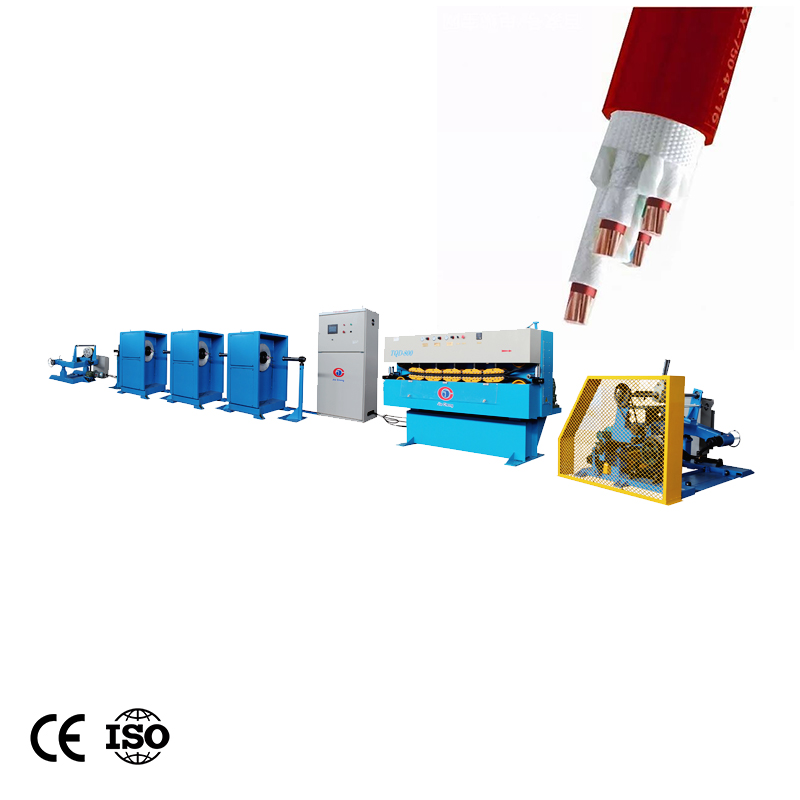
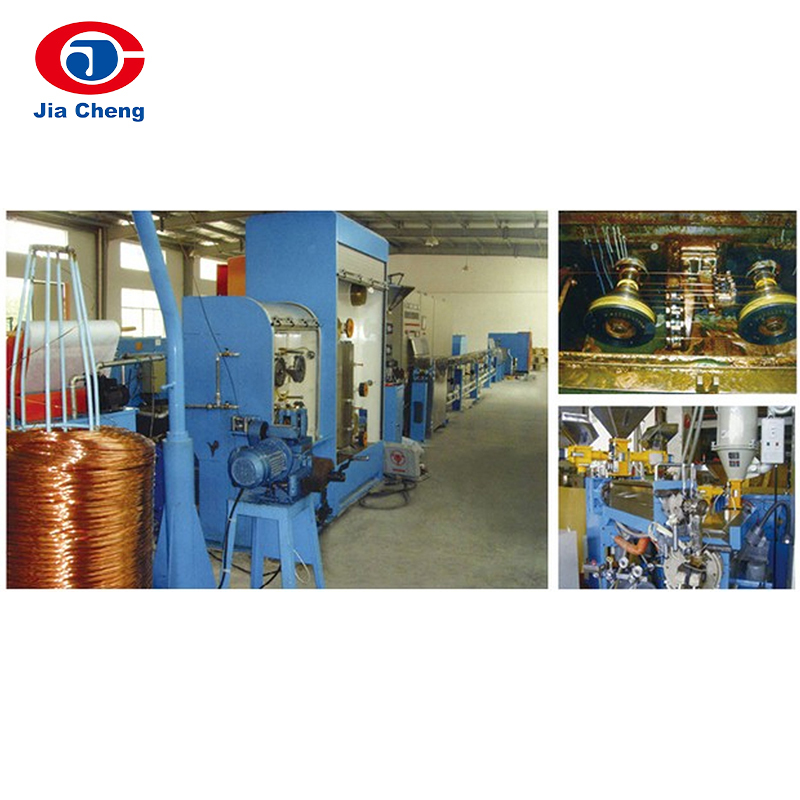 High-Speed Cross-Linked Extrusion Line with Integrated Curing ControlThis line integrates extrusion and continuous vulcanization for thermoset rubber, providing the needed curing control. It ensures the cable passes the hot-set test and is essential when comparing the line as a whole for crosslinked rubber production.View Product →
If the line is intended for thermoset rubber compounds rather than thermoplastic, the high-speed crosslinked extrusion production line gives the integrated curing control you need.
Building a rubber cable line with one accountable supplier
Once the process steps are defined, many buyers face the challenge of linking equipment from multiple manufacturers. The drawing machine may run at a different speed than the stranding machine, and the extruder may not match the line speed of the take-up. Choosing a single supplier who understands the whole process simplifies installation, commissioning, and spare parts. It also improves accountability if something goes wrong.
A cable sheath extruder machine is a good example. It may look like a simple extruder, but its screw, control loop, and cooling system must match the preceding core. When the sheath is applied in a separate pass, the line must still hold the same speed and tension as the insulation line to avoid core wobble and sheath eccentricity.
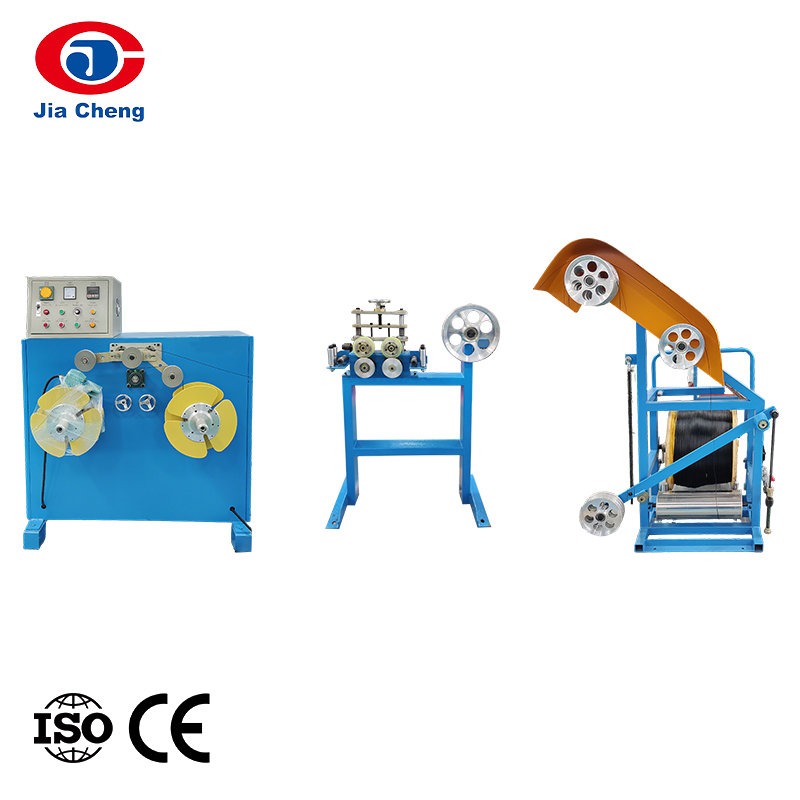
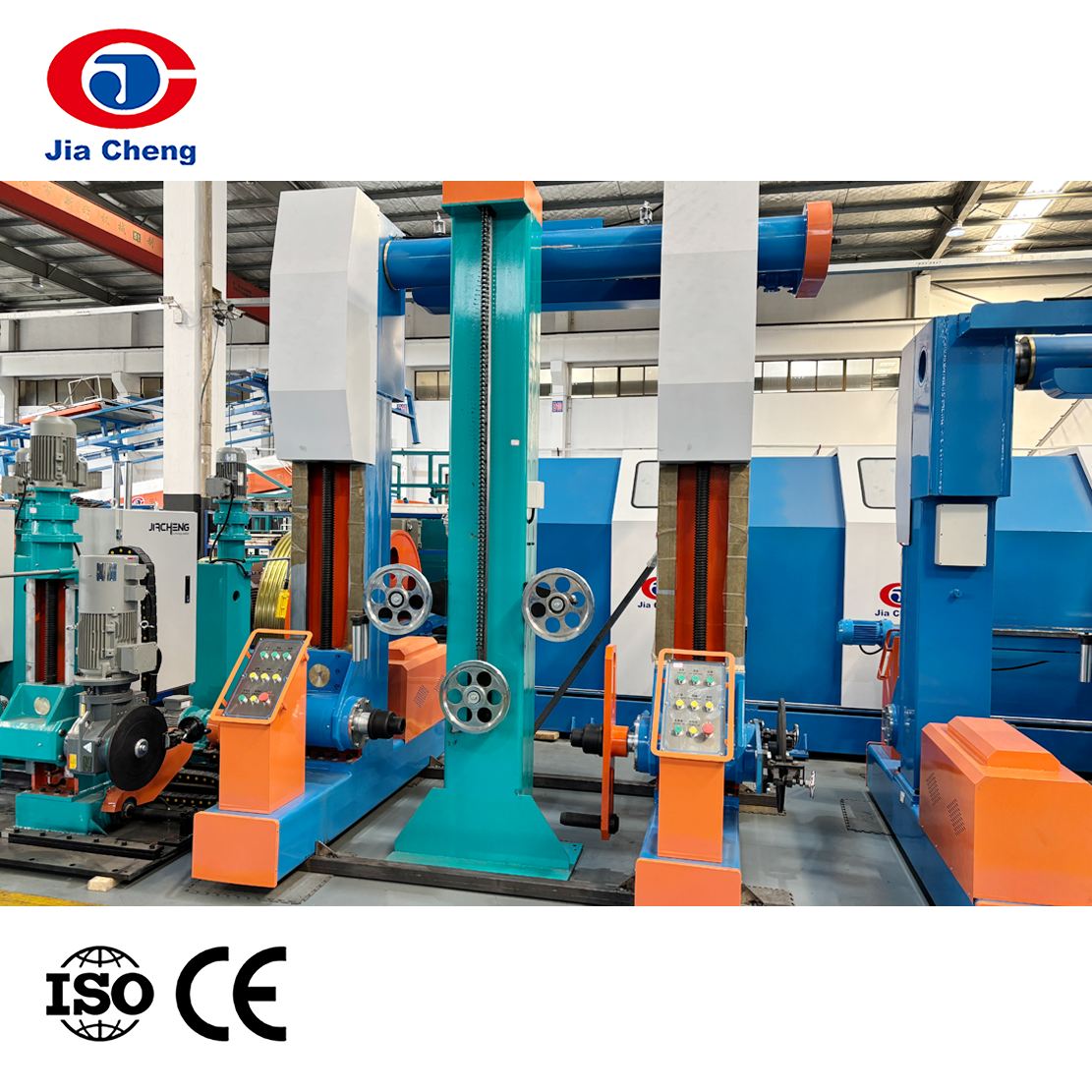 Cable Sheath Extruder Machine for Protective Outer LayersThis extruder precisely applies protective sheaths of materials like PVC, LDPE, or TPU over cable cores. With advanced automation, it ensures stable production and consistent quality, while aligning with Jiacheng's complete equipment range for technical consistency.View Product →
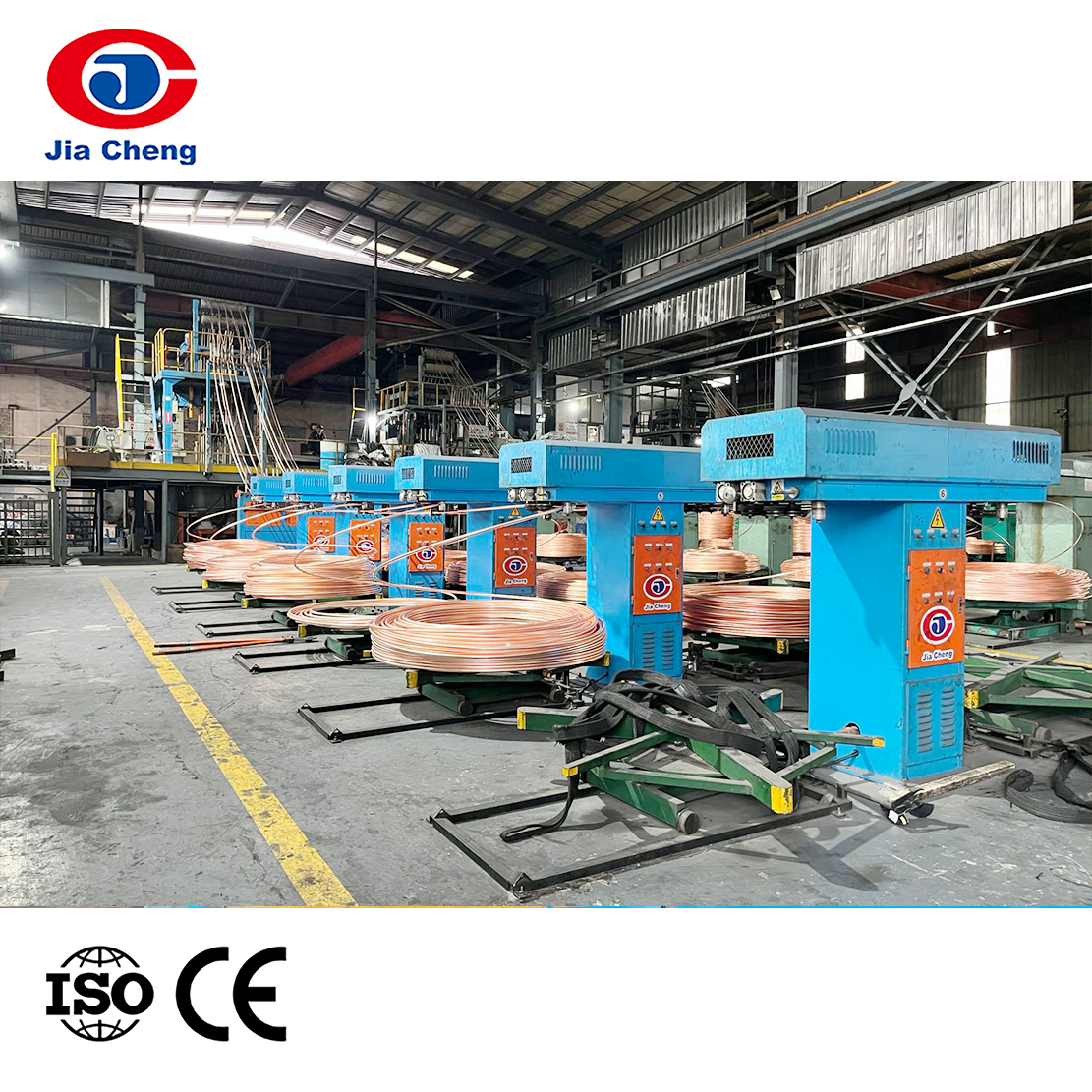
Jiacheng's complete cable equipment range covers the full chain from rod breakdown to final testing. This lets you review the entire catalogue and build a line that is technically consistent. A supplier who can also provide the testing machines, such as a high-voltage withstand tester or an insulation resistance meter, gives you a single point of responsibility for quality. That is often more valuable than saving a small amount on the extruder alone.
A rubber cable production line succeeds when the process and the equipment are planned together. Start with the material and the cable standard, then select extrusion and curing equipment that match the conductor preparation and testing steps. A line built around that logic will give you the output stability, product quality, and serviceability that a cable factory needs. Review your own process bottlenecks first, then compare suppliers on the complete line capability rather than the extruder price alone.