Language
 中文简体
中文简体 English
 عربى
عربى русский
Direct answer: copper wire is defined by four core characteristics that make it the default conductor for electrical work worldwide, namely high electrical conductivity at roughly 100 percent IACS, strong ductility that allows it to be drawn into extremely fine gauges without breaking, good tensile strength relative to its softness, and solid natural corrosion resistance from the protective oxide layer it forms in air. That combination is why copper remains the benchmark against which every alternative conductor, including aluminum and copper clad aluminum, is measured. The rest of this guide breaks each characteristic down with real numbers, explains how the copper rod you start with and the equipment you draw, anneal, and coat it on directly shape those final properties, and where wire and cable manufacturers can source the machinery involved.
Copper is the international standard against which all other conductors are measured, rated at 100 percent IACS, the International Annealed Copper Standard. Aluminum runs at roughly 61 percent of that figure by equal cross section, which is why copper remains the preferred choice anywhere conductor size or voltage drop is a constraint.
Electrical Conductivity of Copper Wire
Electrical conductivity is the single most important characteristic of copper wire and the primary reason it dominates electrical applications despite costing more per pound than aluminum. Pure annealed copper is rated at 100 percent IACS, meaning it is literally the reference standard the entire conductivity scale is built around. In practical terms, copper wire carries more current through a given cross sectional area with less voltage drop and less resistive heat loss than almost any commercially practical alternative.
This conductivity advantage compounds in real applications. To carry the same current with the same voltage drop, an aluminum conductor typically needs to be roughly 1.6 times the cross sectional area of a copper conductor, which is why copper is still preferred anywhere conductor diameter, weight, or flexibility is a genuine constraint, even though aluminum wins on raw material cost per equivalent length.
Mechanical Properties: Tensile Strength and Ductility
Beyond conductivity, the mechanical characteristics of copper wire determine how it survives handling, installation, and long term flexing without breaking. Copper strikes an unusually good balance here, soft and ductile enough to draw into hair thin gauges, yet strong enough to hold up under repeated bending in applications like appliance cords and flexible cabling.
| Property | Annealed Copper | Hard Drawn Copper | Practical Meaning |
|---|---|---|---|
| Tensile strength | Approximately 32000 psi | Approximately 55000 psi | Hard drawn wire resists stretching during installation |
| Elongation at break | 25 to 45 percent | 1 to 4 percent | Annealed wire bends and flexes without cracking |
| Hardness | Soft, easily formed | Stiff, holds shape under tension | Annealed suits flexible cords, hard drawn suits overhead lines |
This is why copper wire is not produced as a single uniform product. Annealed copper wire, softened through controlled heating, is used anywhere flexibility matters most, including appliance cords, automotive wiring, and fine gauge magnet wire. Hard drawn copper wire, left in its work hardened state after drawing, is used where stiffness and tensile strength matter more than flexibility, such as overhead transmission and grounding conductors.
Thermal Properties and Heat Resistance
Copper wire characteristics extend beyond electrical performance into how the material behaves under heat, which matters both for current carrying capacity and for how the wire is processed during manufacturing. Copper has a melting point of approximately 1085 degrees Celsius, well above the operating temperature of virtually any electrical application, giving it a wide safety margin before thermal failure becomes a concern.
Copper also has high thermal conductivity, meaning heat generated by resistive losses in the conductor is carried away and dissipated quickly rather than concentrating at hot spots along the wire. This property is directly relevant during manufacturing as well, since it affects how quickly copper wire can be heated and cooled during annealing without introducing uneven grain structure, a detail covered further in Section Seven when discussing annealing coating line equipment.
Corrosion Resistance and Oxidation Behavior
Copper forms a thin oxide layer when exposed to air, which actually protects the underlying metal from further oxidation rather than progressively degrading it the way rust does on untreated steel. This self limiting oxidation behavior is one of the underappreciated characteristics of copper wire, and it is a major reason copper conductors installed decades ago in older buildings are frequently still functional today.
- In dry indoor environments, copper wire can remain functionally stable for well beyond fifty years with minimal surface change.
- In humid or coastal environments, copper still outperforms bare steel and most bare aluminum, though additional protective coating or tinning is often applied for marine or outdoor cable applications.
- Tinned copper wire, coated with a thin layer of tin during production, adds further corrosion resistance and is commonly specified for marine wiring and outdoor cable runs.
The oxide layer that forms on copper is electrically resistive in thin surface form, which is why connection points, terminals, and splices are typically cleaned, tinned, or treated with an anti oxidant compound before final termination, even though the same oxide layer is harmless and even protective along the length of an insulated conductor.
Copper Wire vs CCA Wire: Key Differences
Copper clad aluminum, commonly shortened to cca wire, has become a widely used lower cost alternative in some cable categories, and understanding how its characteristics compare to solid copper wire is essential for buyers trying to choose between the two for a specific application.
| Characteristic | Solid Copper Wire | CCA Wire |
|---|---|---|
| Conductivity | 100 percent IACS | Approximately 40 percent IACS |
| Weight per length | Heavier | Roughly 30 percent lighter |
| Cost | Higher raw material cost | Lower raw material cost |
| Flex fatigue resistance | Higher | Lower, more prone to breaking at the copper aluminum bond over repeated flexing |
| Best fit | Power circuits, structured wiring, applications demanding full ampacity | Low current signal cable, short run patch cable, cost sensitive applications |
CCA wire is manufactured by bonding a copper outer layer around an aluminum core, which brings conductivity partway between pure copper and pure aluminum while significantly reducing weight and material cost. The tradeoff is real, and buyers evaluating cca wire for a project should confirm it meets the ampacity and code requirements of the specific application rather than assuming it is a drop in replacement for solid copper in every case, particularly for higher current power circuits where the conductivity gap has a direct impact on safe current carrying capacity.
How Copper Rod Quality Shapes the Final Wire Characteristics
Every characteristic covered so far starts with the copper rod used as the raw feedstock for wire drawing. Rod purity, typically expressed as a percentage of pure copper content, and rod surface condition directly carry through into the finished wire, which is why buyers who buy copper rod for production need to evaluate supplier quality carefully rather than treating rod as a fully commoditized input.
What to Check Before You Buy Copper Rod
- Purity grade, typically 99.95 percent or higher for electrical grade applications, since lower purity rod reduces final conductivity below the 100 percent IACS benchmark.
- Surface finish, since scale, oxidation, or surface defects on the rod can translate into drawing breaks or surface imperfections in the finished wire.
- Consistent diameter tolerance, since rod diameter variation forces continuous die adjustment during drawing and increases scrap rate.
- Oxygen content, since oxygen free high conductivity copper rod is specified for the highest performance electrical and electronic applications where even minor conductivity loss is unacceptable.
Many manufacturers now buy copper rod online directly from mills or authorized distributors, which has made it easier to compare certified mill test reports and purity documentation before committing to a large order. When you buy copper rod online, always request the mill certificate covering purity, oxygen content, and mechanical test results rather than relying on the listing description alone, since these documents are what confirm the rod will actually deliver the conductivity and ductility characteristics covered earlier in this guide once drawn into finished wire.
From Copper Rod to Finished Wire: The Equipment Behind the Characteristics
The characteristics of copper wire discussed throughout this guide are not fixed by the raw rod alone. Every stage of drawing, annealing, stranding, and coating equipment used in production either preserves or degrades those properties, which makes equipment selection a direct factor in final wire quality for any manufacturer running their own line.
Wire Drawing
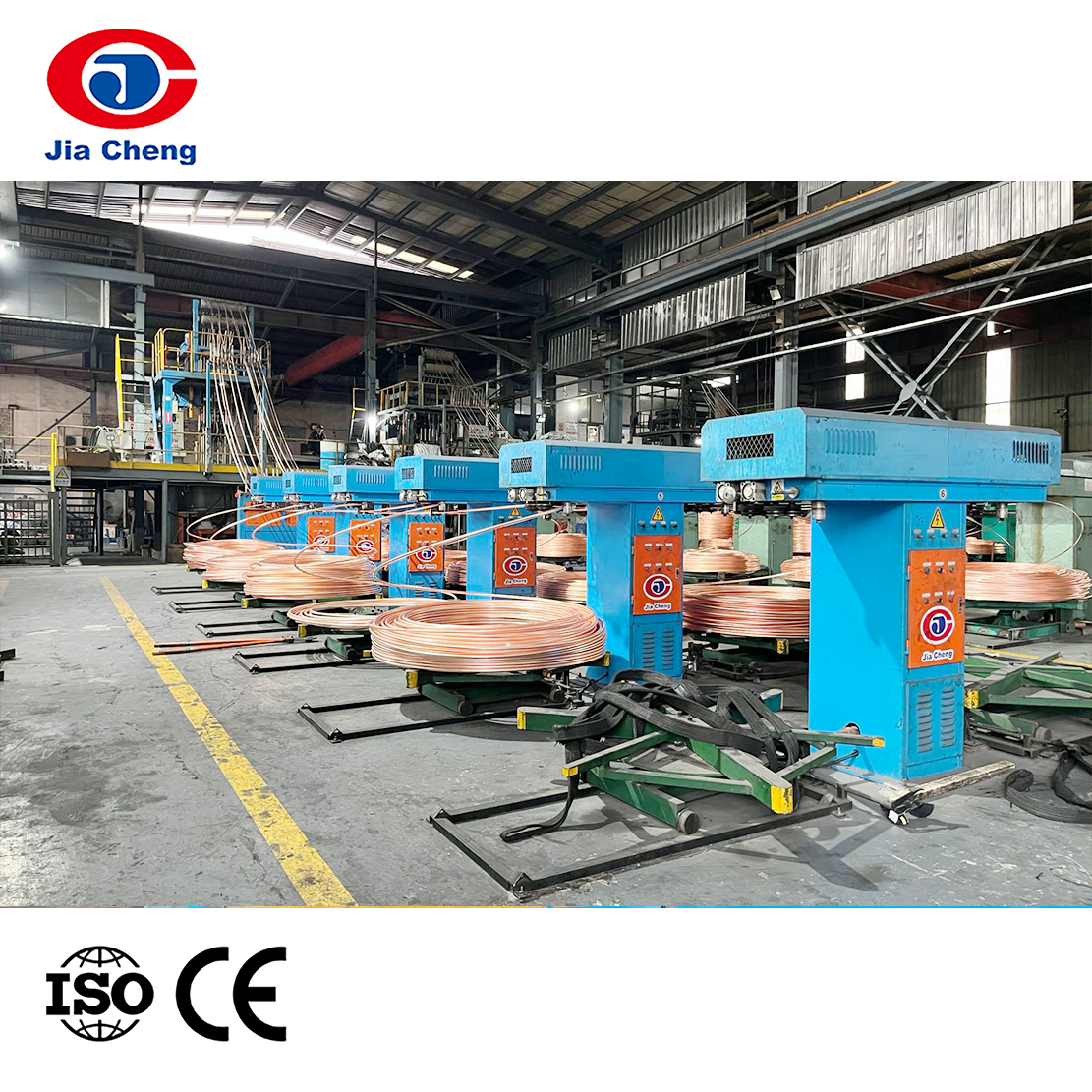
Copper rod is pulled through progressively smaller dies to reduce diameter and increase length, work hardening the copper in the process.
Annealing Coating Line
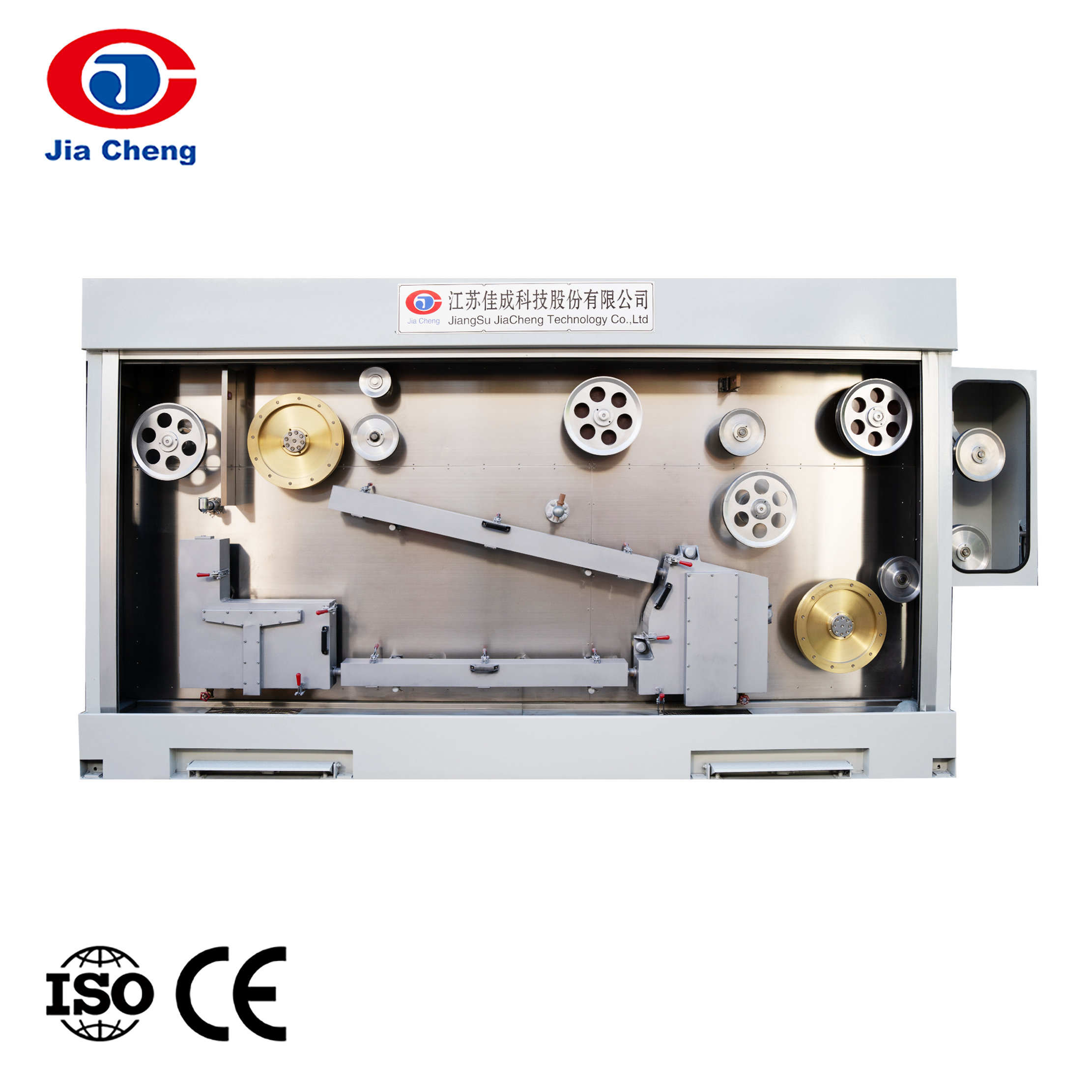
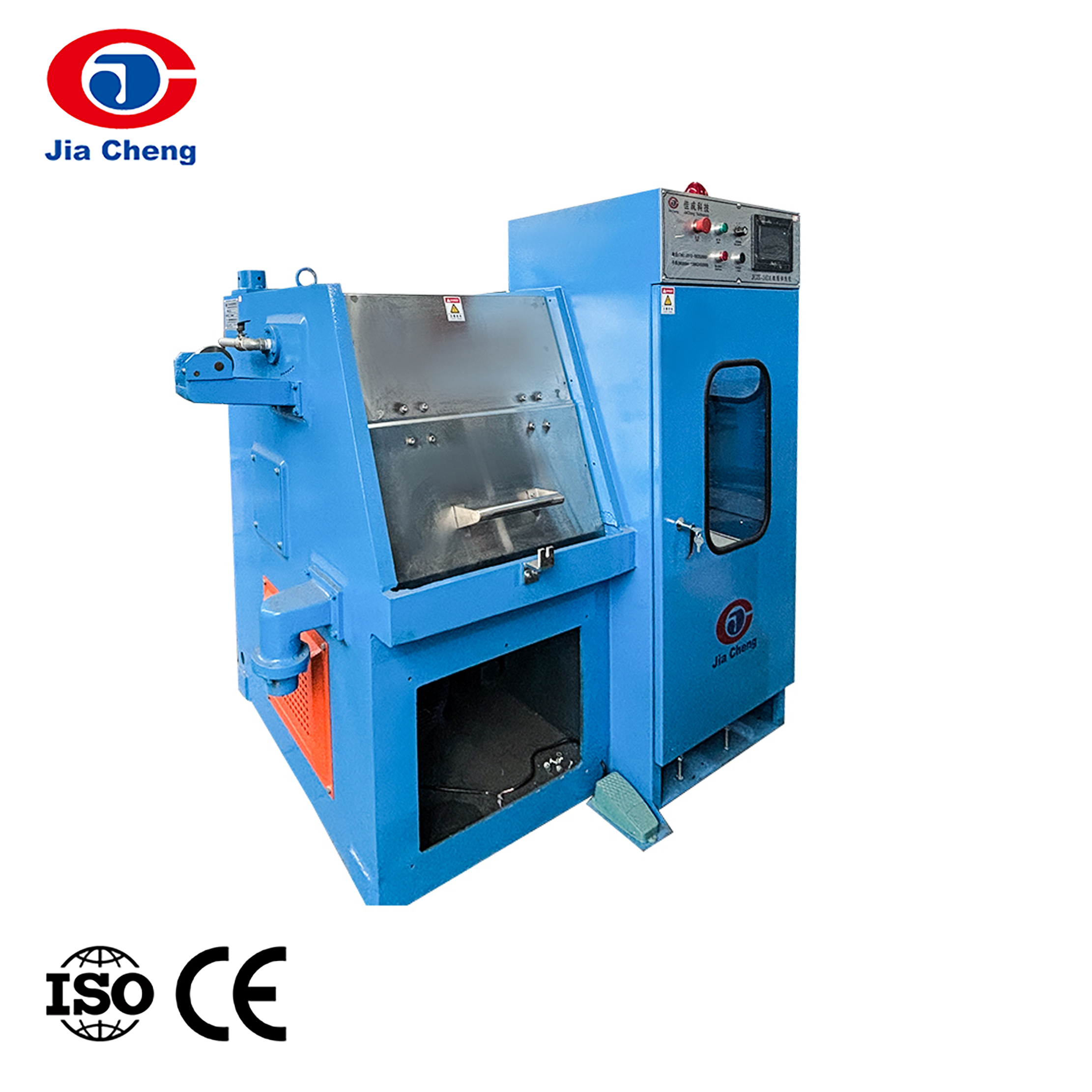
An annealing coating line reheats drawn wire to relieve work hardening, restoring ductility before the wire is coated, tinned, or moves to stranding.
Stranding
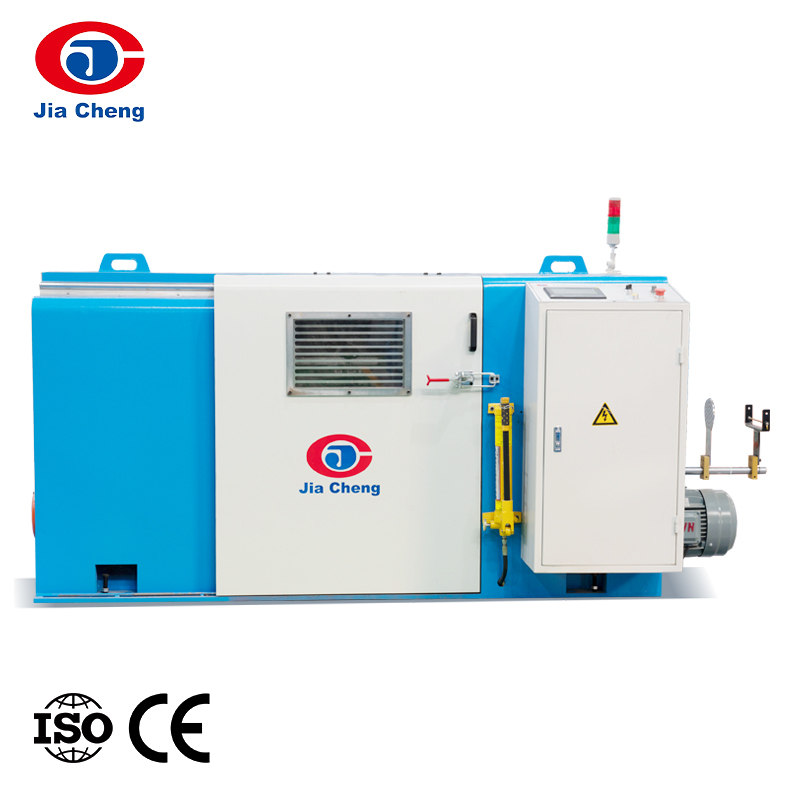
A concentric machine or planetary machine twists multiple wire strands together into a single flexible conductor bundle.
Insulation and Shaping
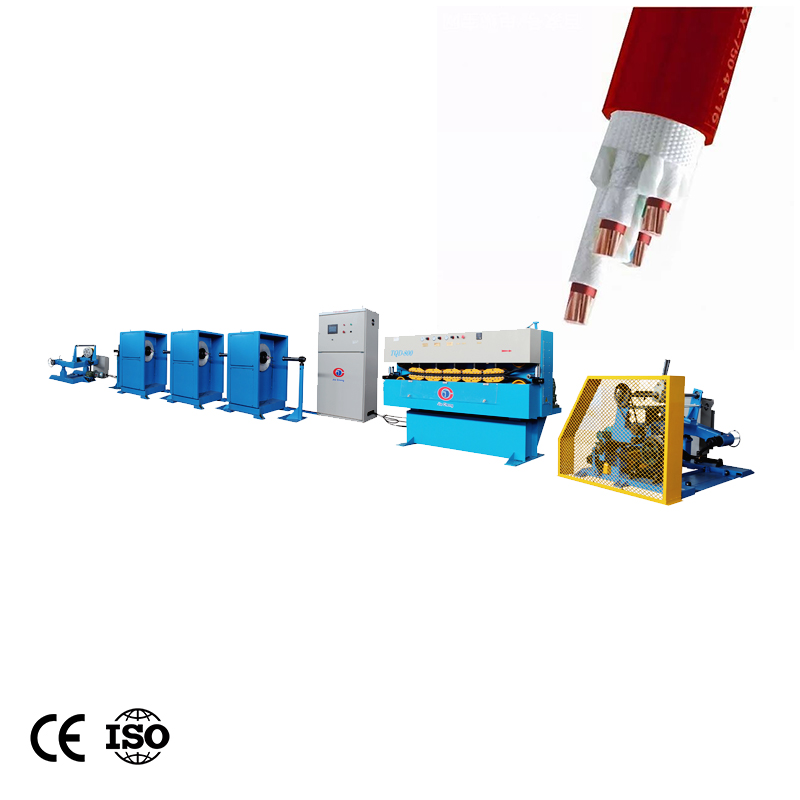
Flat extrusion equipment applies or shapes insulation and flat conductor profiles for ribbon and flat cable products.
Coiling and Take Up
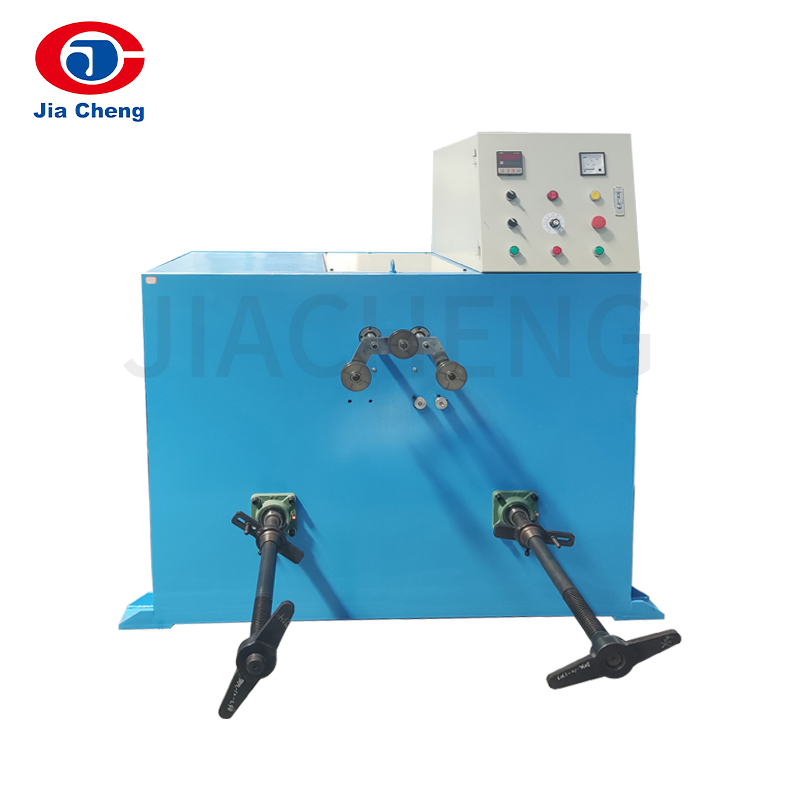
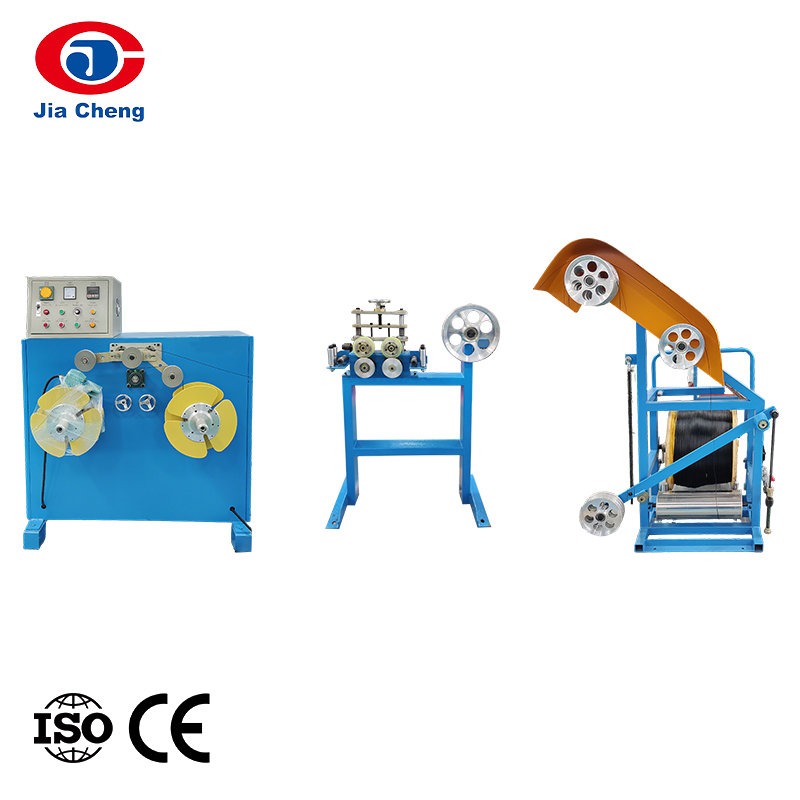
A cable coiling machine and automatic cradle machine manage finished product take up, coiling, and packaging for shipment.
Stranding Equipment: Concentric Machine vs Planetary Machine
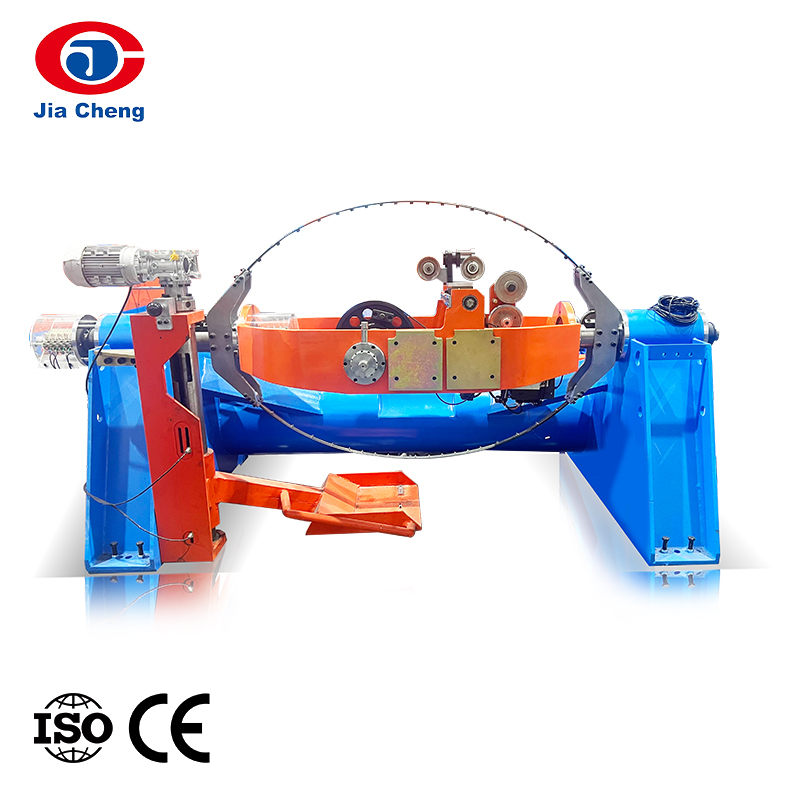
A concentric machine strands wires in successive layers around a central core, each layer twisting in the same or alternating direction, and is commonly used for standard power and control cable construction. A planetary machine, by contrast, rotates the entire bobbin cage around the core without twisting the individual wires themselves, which prevents wire torsion and is preferred for applications where the strands must remain untwisted, such as certain coaxial and high flex cable constructions. Choosing between a concentric machine and a planetary machine depends entirely on the flex performance and torsion characteristics required by the finished cable specification.
Annealing Coating Line Impact on Ductility
As covered in Section Two, drawn copper wire work hardens and loses much of its ductility during the drawing process. An annealing coating line restores that ductility by heating the wire to a controlled temperature and cooling it in a way that recrystallizes the copper grain structure, then typically applies a protective or conductive coating, such as tin, in the same continuous pass. Line speed, temperature uniformity, and atmosphere control inside the annealing coating line all directly affect whether the finished wire meets the elongation and softness specification required for flexible cord and fine gauge applications.
Flat Extrusion for Ribbon and Flat Cable
Flat extrusion equipment is used when the application calls for a flat conductor or flat insulated cable profile rather than standard round wire, common in ribbon cable, certain heating element wire, and specialty flat cord products. The extrusion process must maintain tight dimensional tolerance across the flat profile width, since inconsistent thickness directly affects both the electrical and mechanical performance discussed earlier in this guide.
Coiling, Cradle, and Cable Laying Equipment
Once wire or cable is drawn, annealed, and insulated, a cable coiling machine winds the finished product into uniform coils or spools ready for packaging and shipment, while an automatic cradle machine supports and rotates larger reels during unwinding and rewinding operations without manual handling. For larger cable products intended for direct underground or duct installation, a cable laying machine controls the precise, tension consistent payout of cable during the actual field installation process, which protects the finished product from mechanical stress that could otherwise compromise the very characteristics of copper wire this guide has focused on, particularly conductor integrity and insulation continuity.
A welding mask drawing setup, where a butt welder joins the tail end of one copper rod coil to the head of the next before the wire enters the drawing dies, keeps a continuous drawing line running without stopping for rod changeovers. This detail matters for consistency, since every stop and restart in a drawing line introduces a small risk of diameter variation right at the splice point.
Common Applications Matched to Copper Wire Characteristics
Different applications draw on different combinations of the characteristics covered throughout this guide, and matching wire type to application is where theoretical properties turn into practical purchasing decisions.
Power transmission and industrial power circuits lean most heavily on raw conductivity and tensile strength, which is why solid copper, often hard drawn, remains standard in this category. Appliance cords and anything involving repeated flexing prioritize ductility and flex fatigue resistance, favoring fully annealed fine strand copper. Marine and outdoor cable applications lean on corrosion resistance, often specifying tinned copper. Signal and patch cable applications, where current levels are low and cost efficiency matters more, are where cca wire has found its strongest foothold.
Common Misconceptions About Copper Wire Properties
All Copper Wire Has Identical Conductivity
Purity, drawing history, and annealing quality all affect real world conductivity, meaning two copper wires of the same gauge can perform differently depending on how well the rod and processing met specification. This is exactly why mill certification when you buy copper rod matters, as discussed in Section Six.
CCA Wire Is Simply Inferior Copper
CCA wire is not defective copper, it is a deliberately engineered composite conductor with different performance characteristics suited to specific lower current applications, not a counterfeit or substandard version of solid copper wire.
Oxidation Means the Wire Is Failing
As covered in Section Four, the thin oxide layer copper naturally forms is largely self limiting and protective along the wire body, not a sign of ongoing failure, though connection points still benefit from cleaning or tinning as noted.
Bigger Gauge Always Means Better Performance
Oversizing gauge beyond what a load requires adds cost and weight without a proportional performance benefit, and proper sizing based on actual ampacity requirements, not simply choosing the largest available gauge, is the technically correct approach.
Choosing a Reliable Wire and Cable Machinery Manufacturer
Since the equipment used across drawing, annealing, stranding, and coiling directly shapes whether finished copper wire actually achieves the characteristics covered throughout this guide, equipment quality and precision matter as much as raw material quality.
Jiangsu Jiacheng Technology Co., Ltd.
For manufacturers building or upgrading a copper wire production line, Jiangsu Jiacheng Technology Co., Ltd. supplies wire and cable processing equipment spanning the full production chain covered in Section Seven, including concentric machine and planetary machine stranding equipment, annealing coating line systems, flat extrusion lines, automatic cradle machine handling equipment, cable coiling machine and cable laying machine solutions. Working with an established equipment manufacturer that understands how drawing speed, annealing temperature control, and stranding geometry each affect final conductivity and flexibility helps ensure the copper wire coming off the line actually delivers the characteristics buyers expect, which makes Jiangsu Jiacheng Technology Co., Ltd. worth including in any equipment sourcing comparison for wire and cable producers.
Frequently Asked Questions About Copper Wire Characteristics
What makes copper wire conduct electricity better than most metals
Copper has a high density of free electrons and low electrical resistivity at the atomic level, which is why it was chosen as the 100 percent IACS reference standard that all other conductors are compared against.
Does annealing change the electrical conductivity of copper wire
Annealing primarily restores ductility and reduces internal stress from drawing rather than significantly changing conductivity, though properly annealed copper does test marginally closer to its theoretical maximum conductivity than heavily work hardened wire.
Is CCA wire safe to use in place of solid copper
CCA wire is suitable for specific lower current, cost sensitive applications such as certain signal and patch cabling, but it is not a direct substitute for solid copper in higher current power circuits where full ampacity and flex fatigue performance are required.
Why does copper rod purity matter so much for finished wire quality
Even small impurity levels in copper rod measurably reduce conductivity below the 100 percent IACS benchmark and can also affect drawability, which is why buyers should always request mill certification when they buy copper rod or buy copper rod online rather than relying on the listing alone.
Final Recommendation
The characteristics of copper wire that matter most, high conductivity at 100 percent IACS, strong ductility in the annealed state, good tensile strength when hard drawn, and stable corrosion resistance, are not guaranteed by the metal alone. They depend on starting with properly certified copper rod, whether you buy copper rod locally or buy copper rod online, and processing it through equipment built to preserve those properties, from concentric machine or planetary machine stranding through a well controlled annealing coating line, flat extrusion where flat profiles are needed, and reliable cable coiling machine, automatic cradle machine, and cable laying machine handling at the finished product stage. For applications where full copper performance is not required, cca wire remains a legitimate lower cost alternative provided its reduced conductivity and flex characteristics fit the application. Manufacturers building or expanding a production line should evaluate equipment suppliers such as Jiangsu Jiacheng Technology Co., Ltd. with the same care applied to raw material sourcing, since equipment precision is what ultimately determines whether finished copper wire actually delivers the characteristics this guide has described.