Language
 中文简体
中文简体 English
 عربى
عربى русский
Content
Wall thickness is the first number an extrusion line must control, and it is also the first parameter that drifts when operators adjust pull-off speed, screw speed, or head temperature by hand. On a 600 V cable with a 1.0 mm insulation wall, a 0.05 mm eccentricity can cut the minimum wall to 0.85 mm. That is enough to fail a routine AC withstand test, even though the average thickness looks correct. This is where extrusion process automation for electrical components earns its return.
Automation moves the decision from the operator's hands to a closed-loop controller. Once the line runs, the system continuously adjusts screw speed, haul-off rate, and crosshead pressure so that measured diameter and capacitance stay inside a tight window. The result is a product that passes dielectric testing more reliably and a process that uses less polymer than a manually tuned line.
What Automation Actually Controls in a Cable Extrusion Line
It is easy to think of extrusion automation as simply adding a PLC to the electrical panel. In practice, a modern electrical-component extrusion line uses several independent control loops that synchronize around one master speed reference.
Temperature and Melt Pressure
The barrel of an extruder is divided into four to six heating zones, each with its own thermocouple and PID controller. In a well-tuned line, the deviation from setpoint stays within ±1.5°C. When the deviation climbs above ±5°C, the melt flow changes enough to produce a visible change in outer diameter. Automation keeps zone deviations small and tracks head pressure, which is the real indicator of melt viscosity.
Screw Speed, Line Speed, and Feedback
The screw provides the melt output, and the haul-off unit determines the linear speed of the cable. In an automated line, the control system computes the ratio from diameter feedback and adjusts the screw speed first, while the pull-off holds the line speed constant. This minimizes the time between a diameter deviation and a correction. An optical diameter gauge and a capacitance sensor are the two most common feedback devices. The capacitance signal is especially useful for foamed PE, where it indicates the expansion ratio better than diameter alone.
Co-Extrusion Layer Ratio
When a cable has a two-layer or three-layer structure, each layer has its own extruder. The ratio between layers must be held stable to avoid a dry spot at the interface. Automation controls the speed of each screw relative to the master line speed, using gravimetric feeders or load cells on the hoppers to measure polymer weight in real time.
The Materials and Tolerances That Make Electrical Extrusion Different
Extrusion of a plastic profile for a window frame and extrusion of wire insulation look similar, but the electrical component application places much stricter limits on the final product. For cables governed by IEC 60502-1, UL 44, or GB/T 12706, minimum insulation thickness is a mandatory inspection item. Automated lines maintain average wall thickness closer to the nominal value, which means less polymer is required to guarantee the minimum. In practice, this often translates to a 3% to 7% material saving on the insulation layer.
| Material | Key Dielectric Requirement | Automation Challenge |
|---|---|---|
| PVC | Stable insulation resistance at 70°C | Wide processing window, but degradant build-up affects head pressure over time |
| XLPE | Very low moisture absorption and high breakdown strength | Cross-linking step requires precise melt temperature and line speed coordination |
| PE Foam | Low dielectric constant for high-speed data transmission | Vacuum and gas injection need fast capacitance-based feedback |
| Silicone Rubber | High temperature resistance for EV and appliance cables | Soft melt with low tensile strength; haul-off tension must be tightly controlled |
| Teflon | Excellent dielectric and chemical resistance | Corrosive off-gases and high melt viscosity demand corrosion-resistant screw and barrel design |
Each material pushes the automation strategy in a different direction. For PVC and XLPE, temperature stability and line-speed trim are the main priorities. For foamed PE, the controller must react to capacitance drift within a few seconds. For silicone and Teflon, viscosity changes so much along the barrel that pressure-side tuning becomes more important than temperature-side tuning.
What to Look For When Buying an Automated Extrusion Line
The decision to invest in an automated line should be driven by the cost of scrap and rework, not by the cosmetics of the control panel. If one line produces 1,000 km of cable per year and rejects 2% of it due to insulation wall deviation, reclaiming that 2% with closed-loop control pays for a large part of the capital cost of a modern extruder upgrade.
When evaluating a supplier, the following points matter most.
- Closed-loop diameter control should use at least two measurement axes, so that eccentricity is visible while the cable is still moving.
- The PLC should record process variables every second and keep the data for at least one production shift. This makes it possible to trace a quality problem back to a specific speed change.
- The crosshead and screw should match the polymer family you process. A crosshead designed for PVC foam will not produce a uniform semi-conductive layer on an XLPE line.
- The alarm structure should be drift-based. A warning when melt pressure deviates by more than 8% from its running average can prevent crosshead damage before a full shutdown.
Speed is also a reminder of why automation is non-negotiable. At 200 m/min, the cable moves more than 3 m every second. A closed-loop controller reacts in milliseconds, while an operator reaching for a knob lets several meters of off-spec cable pass.
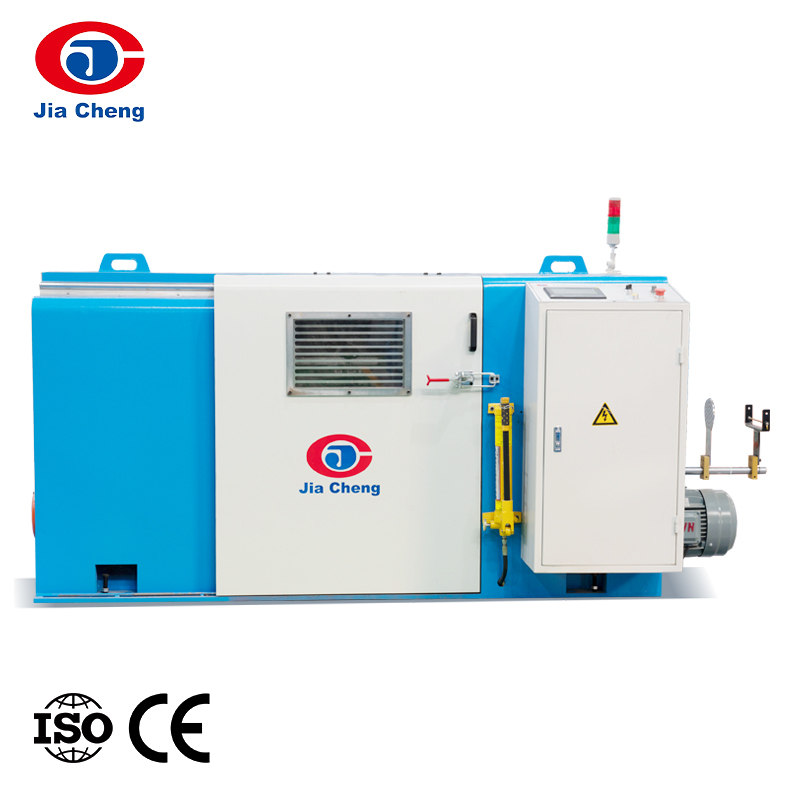
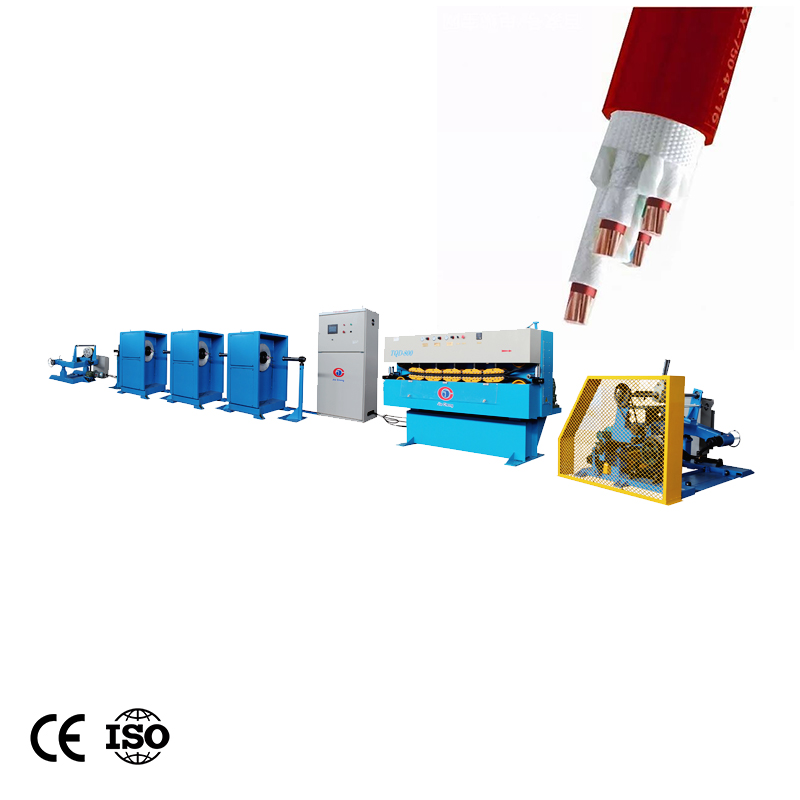
For a primary insulation line running PVC, PE, or XLPE, a high-speed wire insulation production line with an integrated control cabinet and diameter feedback is the typical starting point.
 High-Speed Wire Insulation Production Line for Core WireThis line integrates preheating, extrusion, and cooling with precise control, ensuring uniform insulation thickness and high concentricity for PVC, PE, or XLPE core wires, making it ideal for primary insulation tasks.View Product →
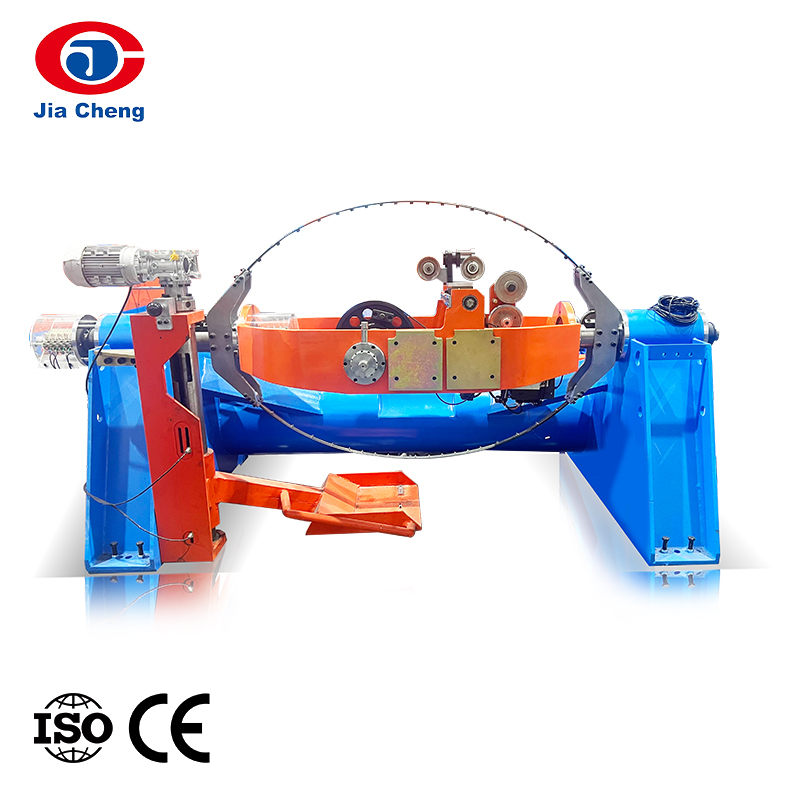
If your cable structure uses electrically distinct layers, layer-ratio control becomes the deciding factor. A double or triple layers coextrusion production line keeps each extruder synchronized around one master speed reference.
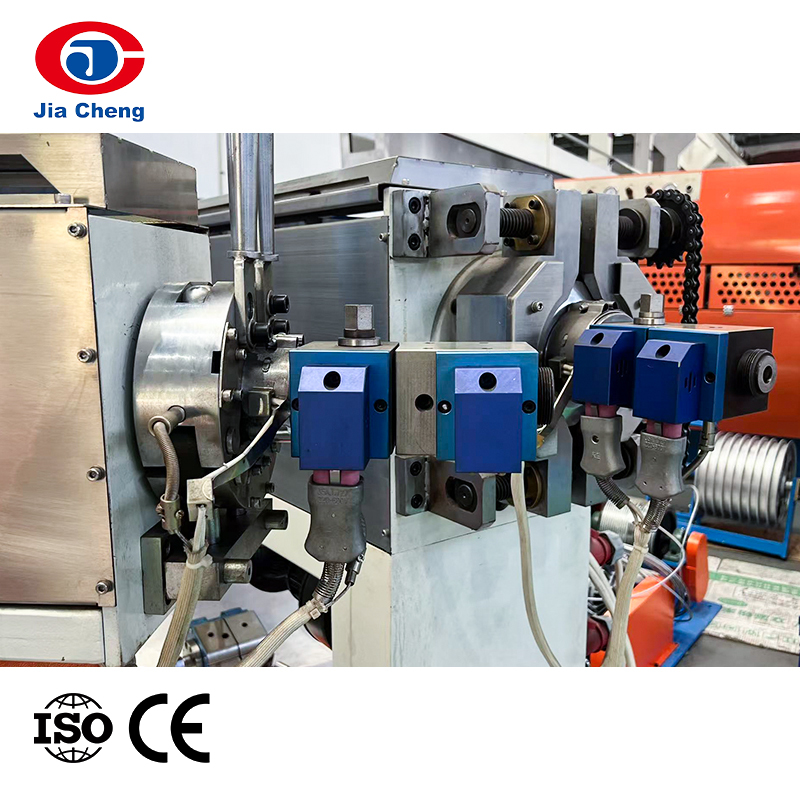 Double or Triple Layers Co-Extrusion Production LineWith synchronized extruders and master speed reference, this line ensures precise layer-ratio control for multi-layer cables, essential when different materials must be co-extruded with accuracy.View Product →
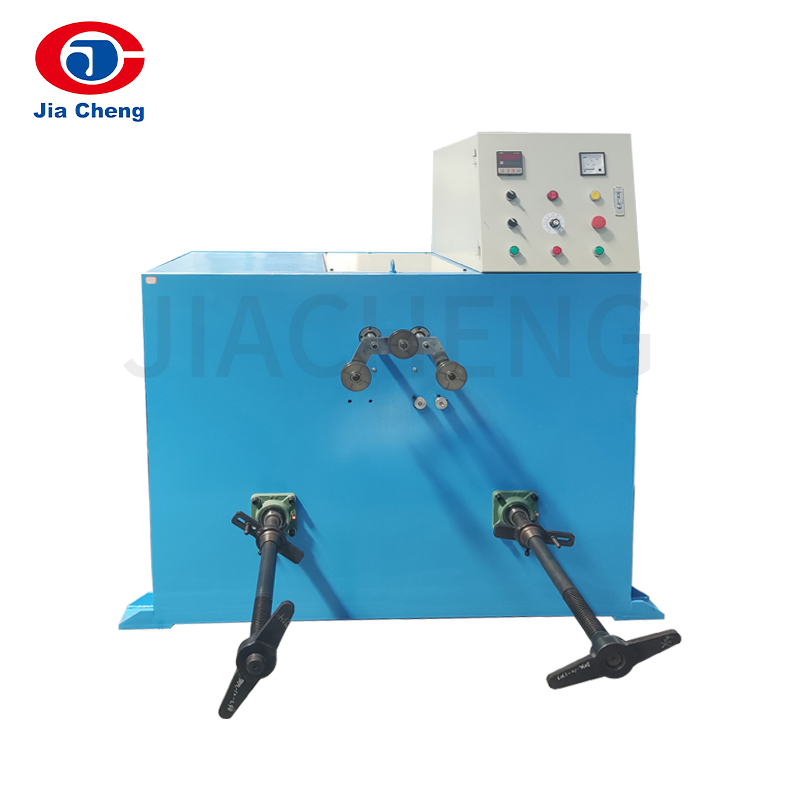
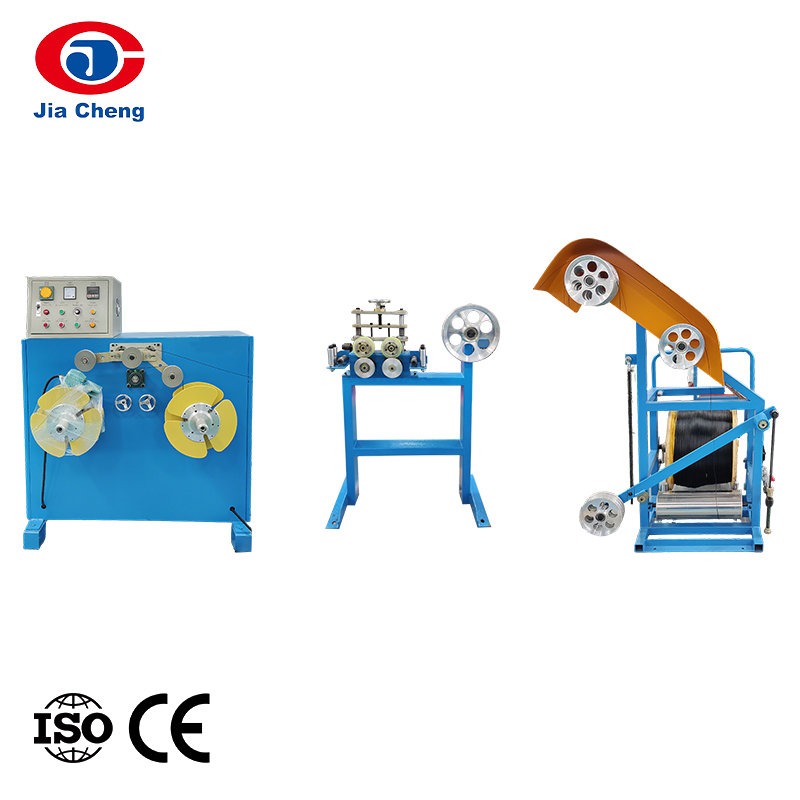
For final sheath and jacket extrusion, the priorities change. Sheath extrusion is usually thicker and heavier, so haul-off tension matters more than capacitance. A cable sheath extruder machine built around a low-deviation screw and a robust haul-off unit is the right tool.
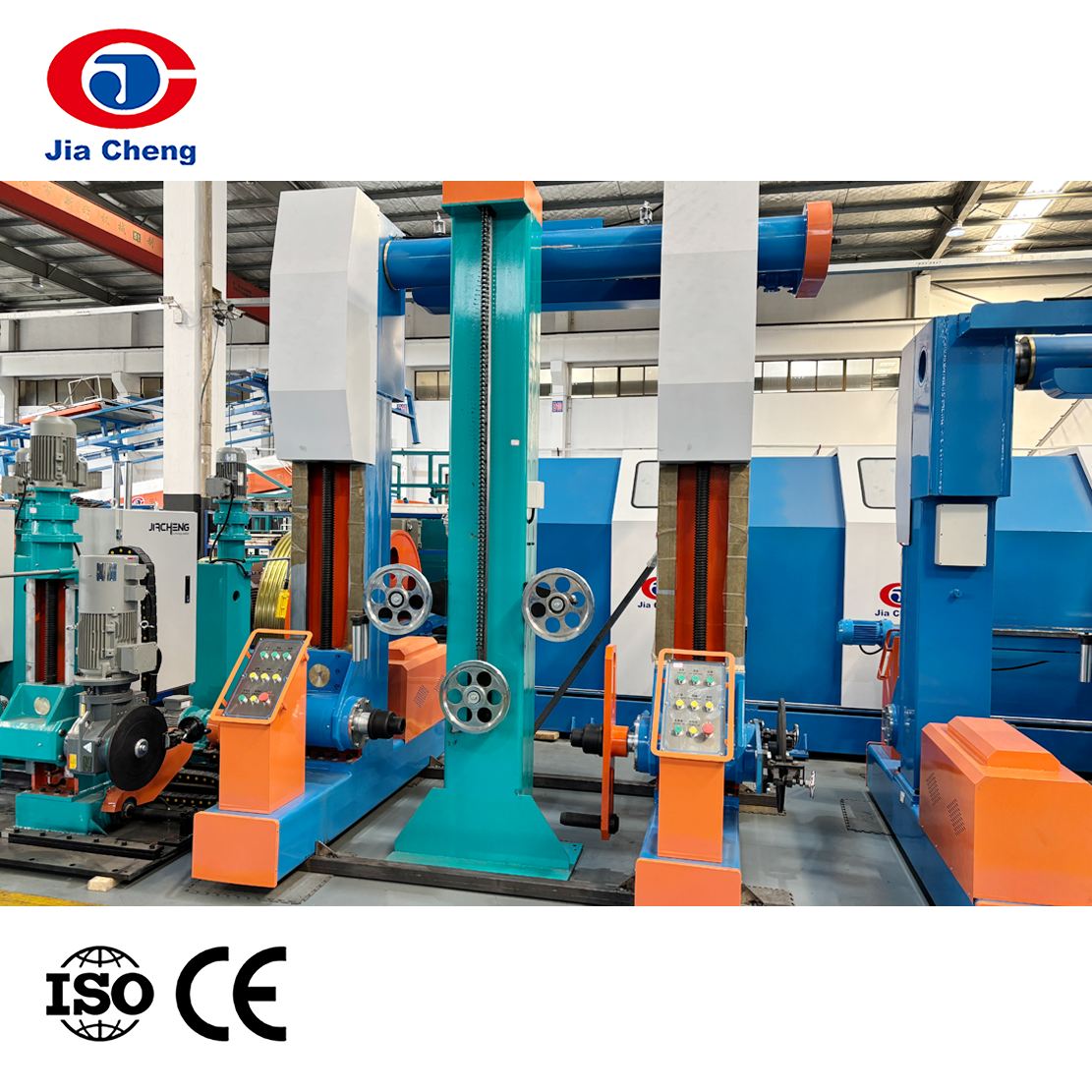 Cable Sheath Extruder Machine for Jacket ExtrusionBuilt with a low-deviation screw and robust haul-off unit, this machine handles thicker sheath materials, maintaining consistent wall thickness for final cable protection.View Product →
Don't Ignore the Conductors You Feed Into the Extruder
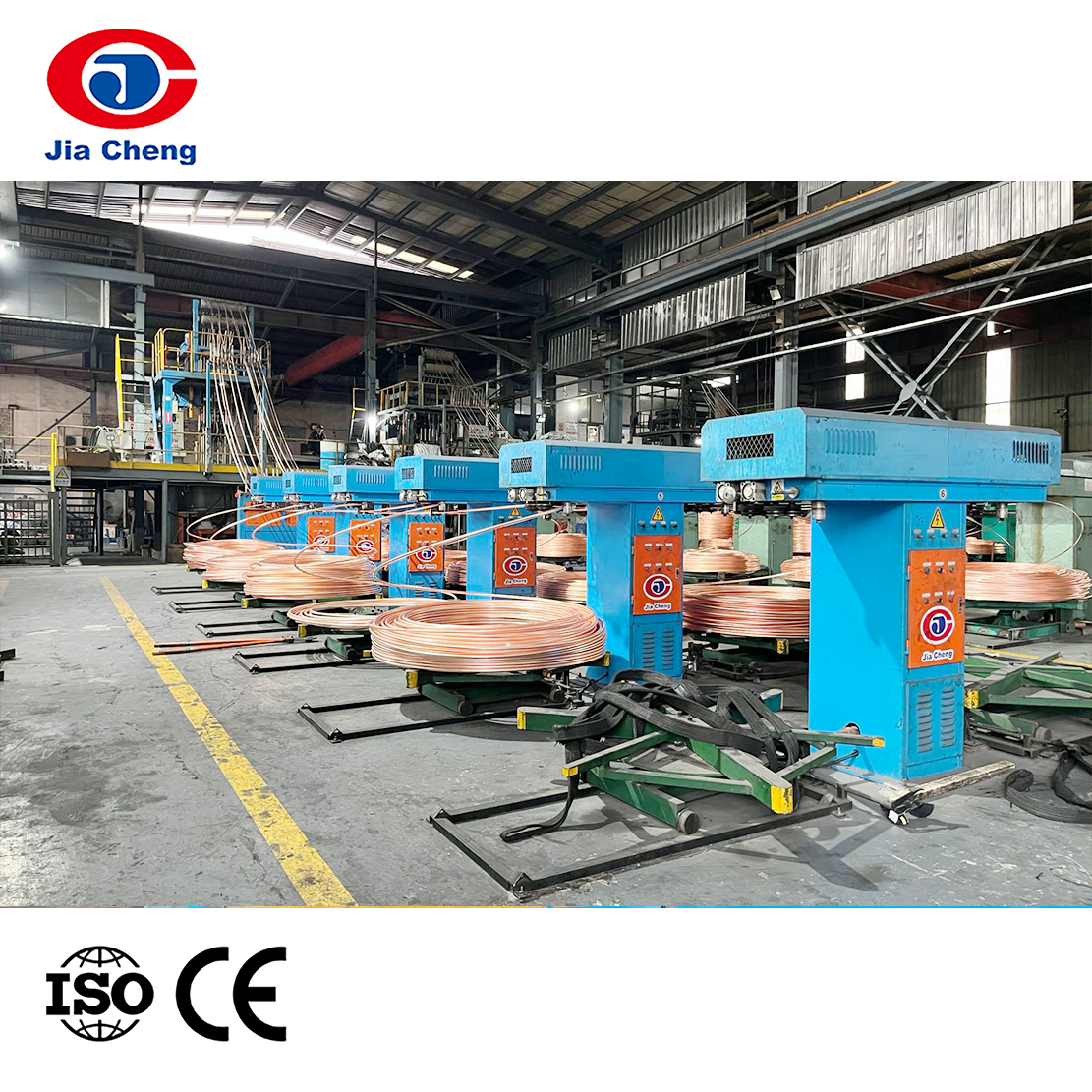
Every automation decision on the extrusion line can be undermined by an unstable conductor. If the copper wire entering the crosshead has a varying diameter or an irregular elongation, the wall thickness will still fluctuate no matter how tightly the extrusion control loops are tuned.
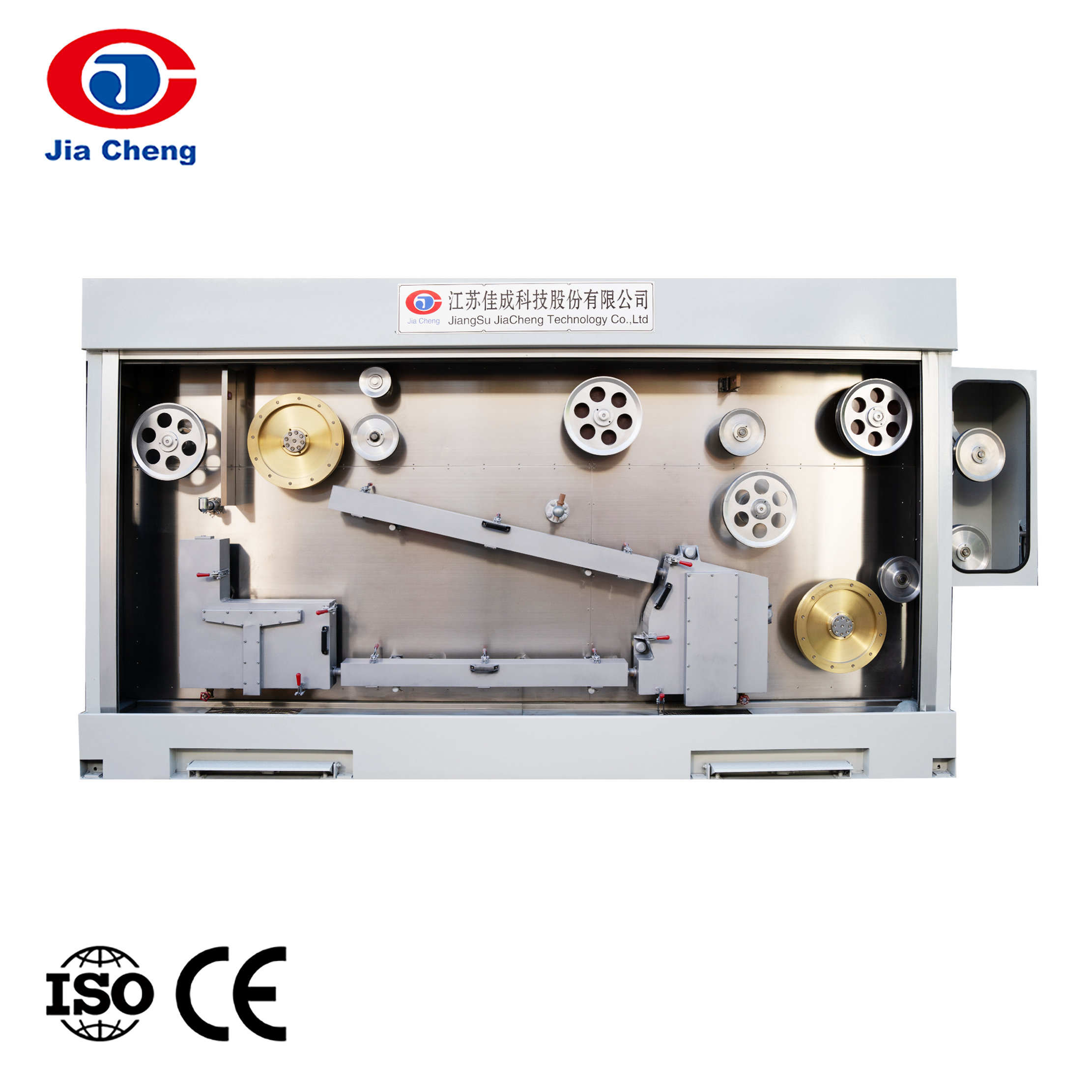
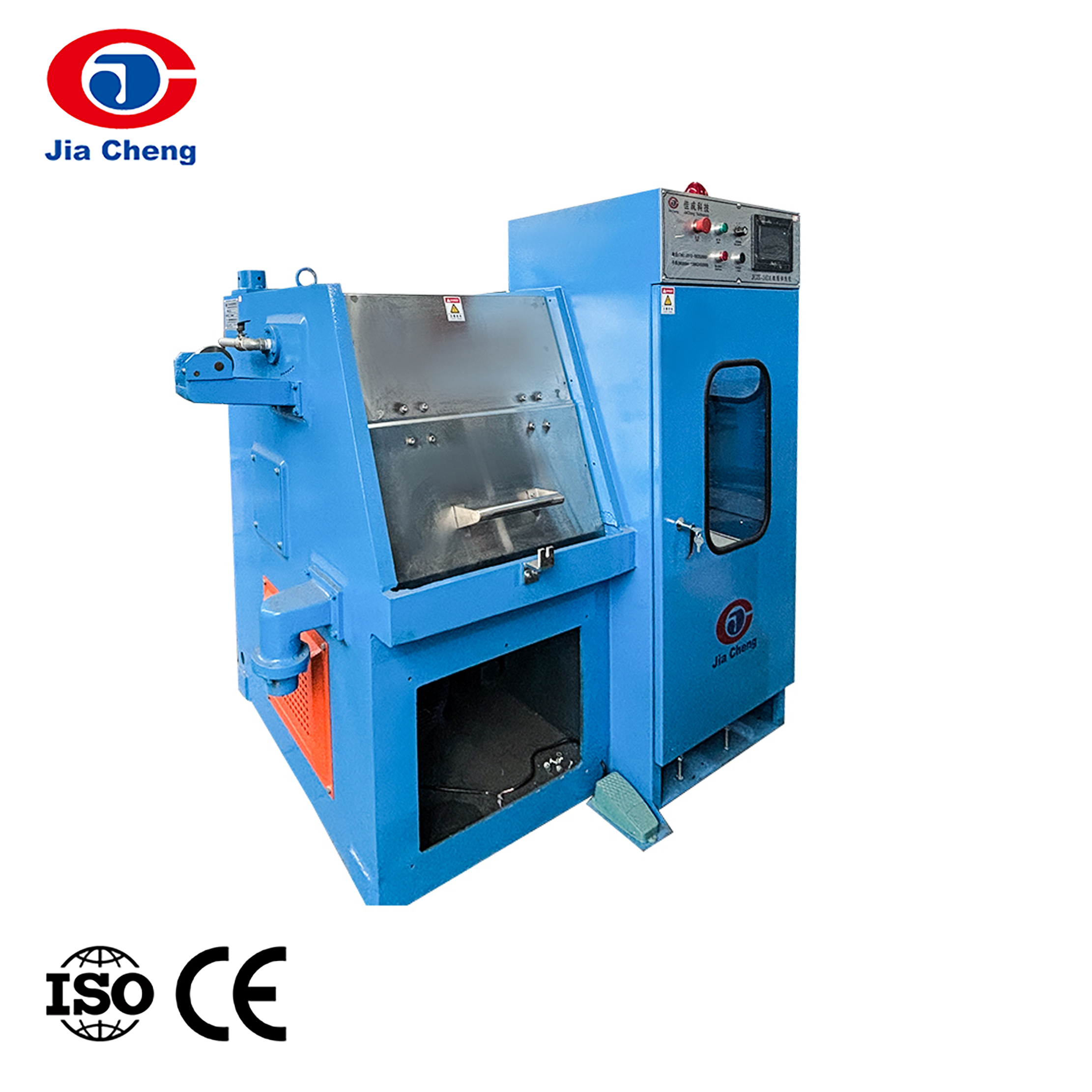
Wire drawing consistency affects the conductor's cross-sectional area and its resistance. A 1% variation in wire diameter changes the conductor area by roughly 2%. That is why cable plants that invest in extrusion automation usually also tighten their upstream drawing process. If you are still evaluating a new drawing line, it is worth understanding how a rod breakdown machine manages tension, because tension variation during drawing is a common source of conductor elongation inconsistency.
The relationship between drawing quality and extrusion stability is one of the most cost-effective improvements available to a cable manufacturer. A stable conductor reduces the amount of material that must be added to the insulation just to meet minimum wall requirements.
What This Means for Your Production Floor
Automation of the extrusion process for electrical components is not a single purchase decision. It is a combination of closed-loop temperature control, screw and pull-off synchronization, feedback from diameter and capacitance sensors, and material-specific tuning. The benefit of getting all four right is a product that consistently passes dielectric tests and a production floor that wastes less polymer.
The most practical starting point is to measure current scrap and rework rates. Then identify the line with the highest volume, and begin with a closed-loop diameter and line-speed controller on that line. As the operator team gains confidence, add capacitance feedback for foam lines, layer-ratio control for co-extrusion lines, and data logging to support traceability audits.
If you are replacing an existing extruder or building a new line from a single supplier, it is worth asking whether the control system, screw design, crosshead, and haul-off unit were engineered as one system. The extrusion lines shown in the product cards above are built by Jiangsu Jiacheng Technology with that integrated approach in mind.