Language
 中文简体
中文简体 English
 عربى
عربى русский
Content
The most important low voltage cabling story of the past year is not about speed. It is about what happens when a cable is burned, powered, or tested. UL has warned that some Category 5e cable does not meet the flammability requirements of its safety standard and may present an increased risk of fire. The Communications Cable and Connectivity Association has published video of a counterfeit cable undergoing a burn test, and the results are dramatic. For cable manufacturers, this is not just a news item. It is a direct signal that material control and production quality are now part of compliance.
Why Low Voltage Cabling Standards Keep Tightening
The conclusion first: low voltage cabling standards are getting stricter, and the pressure is coming from safety and power delivery requirements, not from bandwidth alone.
UL 444 sets the fire safety benchmark for communications cable. Cables that do not meet its flammability requirements can increase the risk of fire propagation in plenum and riser spaces. TIA-568.2-D and ISO/IEC 11801 define electrical performance parameters such as insertion loss, return loss, and NEXT. These parameters protect high-speed data transmission, but they also expose manufacturing deviations.
IEEE 802.3bt, commonly known as PoE++, allows up to 90 W per port. Sustained current at that level raises conductor temperature. That means cable manufacturers must think about more than signal integrity; they must also manage heat generation through conductor resistance and insulation thermal behavior. Poor annealing, for example, increases DC resistance, which in turn generates more heat in a PoE++ circuit.
NFPA 70 and IEC 60332-1 add flame propagation and vertical flame spread tests. For factories, the practical consequence is uniform material selection and controlled production. A single batch of jacket compound that does not meet the same burn rating can create a costly recall.
| Standard | What It Specifies | Practical Impact on Manufacturing |
|---|---|---|
| UL 444 | Fire safety and flammability for communications cable | Insulation and jacket compounds must pass burn tests; material batch control is critical |
| TIA-568.2-D | Performance requirements for twisted-pair copper cabling | Pair geometry and twist stability are essential; stranding machinery must maintain consistent tension |
| ISO/IEC 11801 | Generic cabling standards for customer premises | Electrical performance across the frequency range; annealing and stranding quality affect results |
| IEEE 802.3bt | PoE++ power delivery up to 90 W per port | Cable temperature rise must be managed; conductor and insulation choices matter for sustained current |
What the Manufacturing Side Must Control
The easy part of compliance is reading the standard. The hard part is producing hundreds of kilometers of cable that all meet it. Three production stages determine whether a low voltage cable will pass.
Conductor Preparation
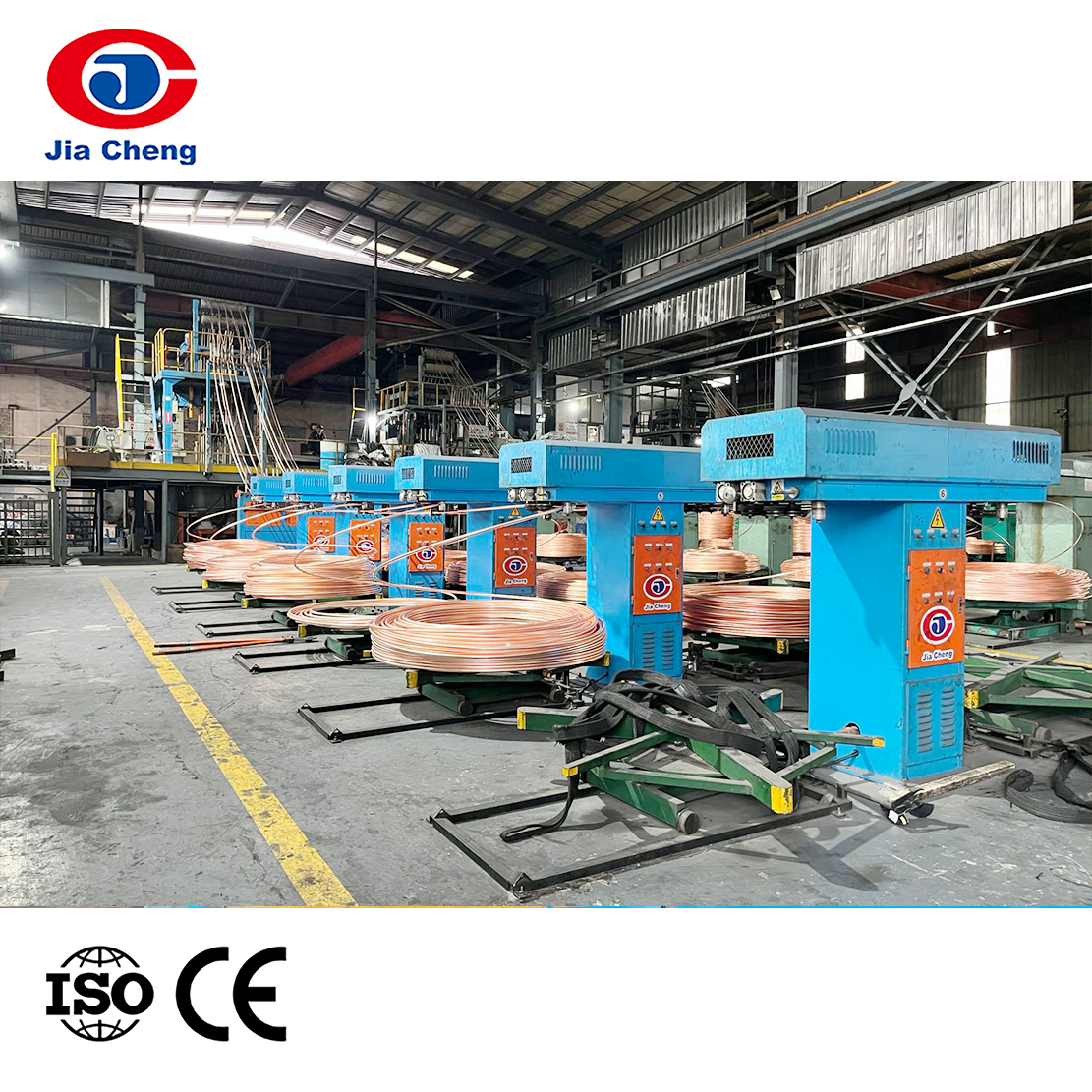
Conductor quality starts with the rod. Oxygen-free copper rod, drawn to the correct diameter, is the foundation. If drawing tension is unstable, diameter tolerance drifts. If annealing is incomplete, resistance increases. Both problems show up in the final cable test, but they are created earlier in the line. For low voltage cable, conductor resistance is directly tied to how much heat the cable produces in service.
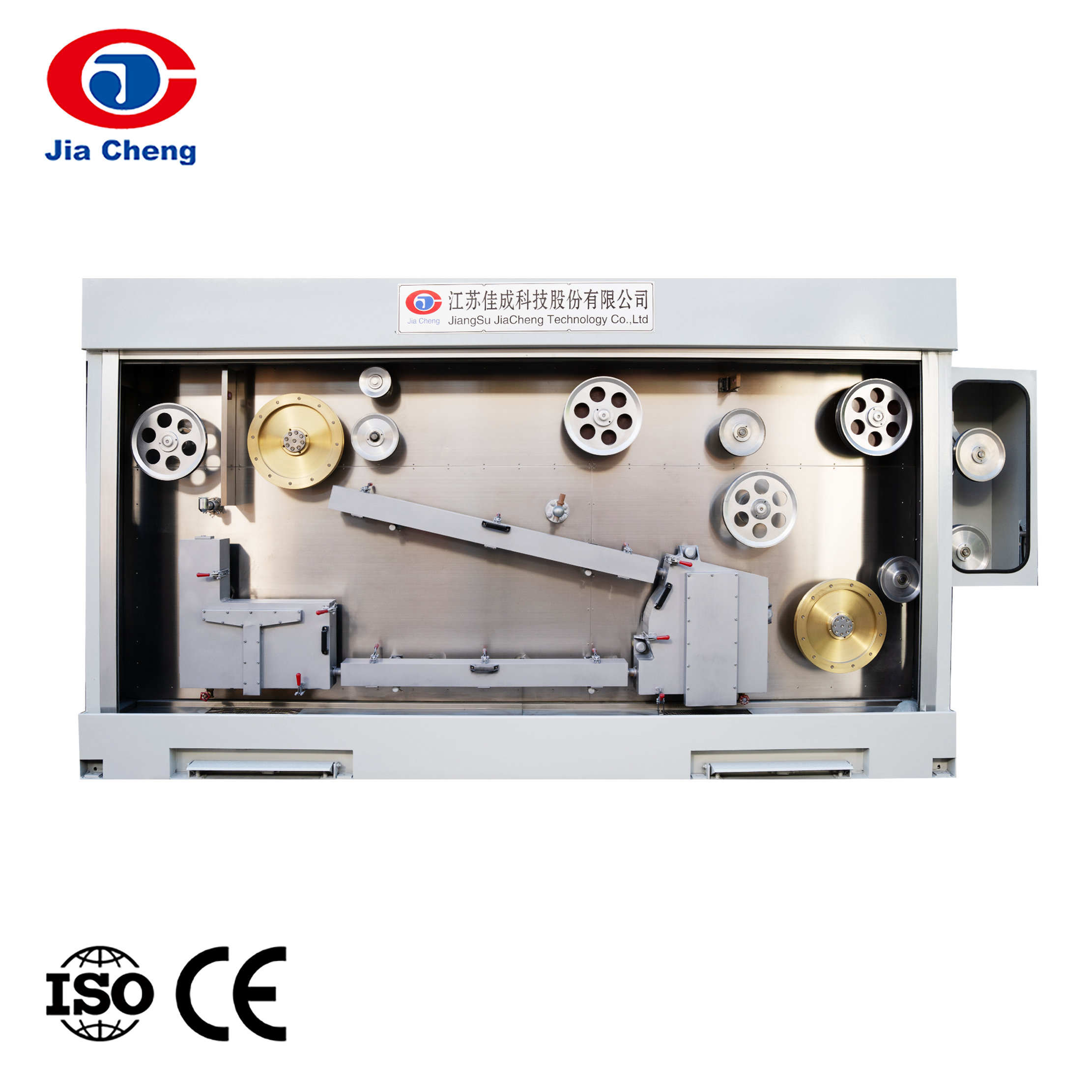
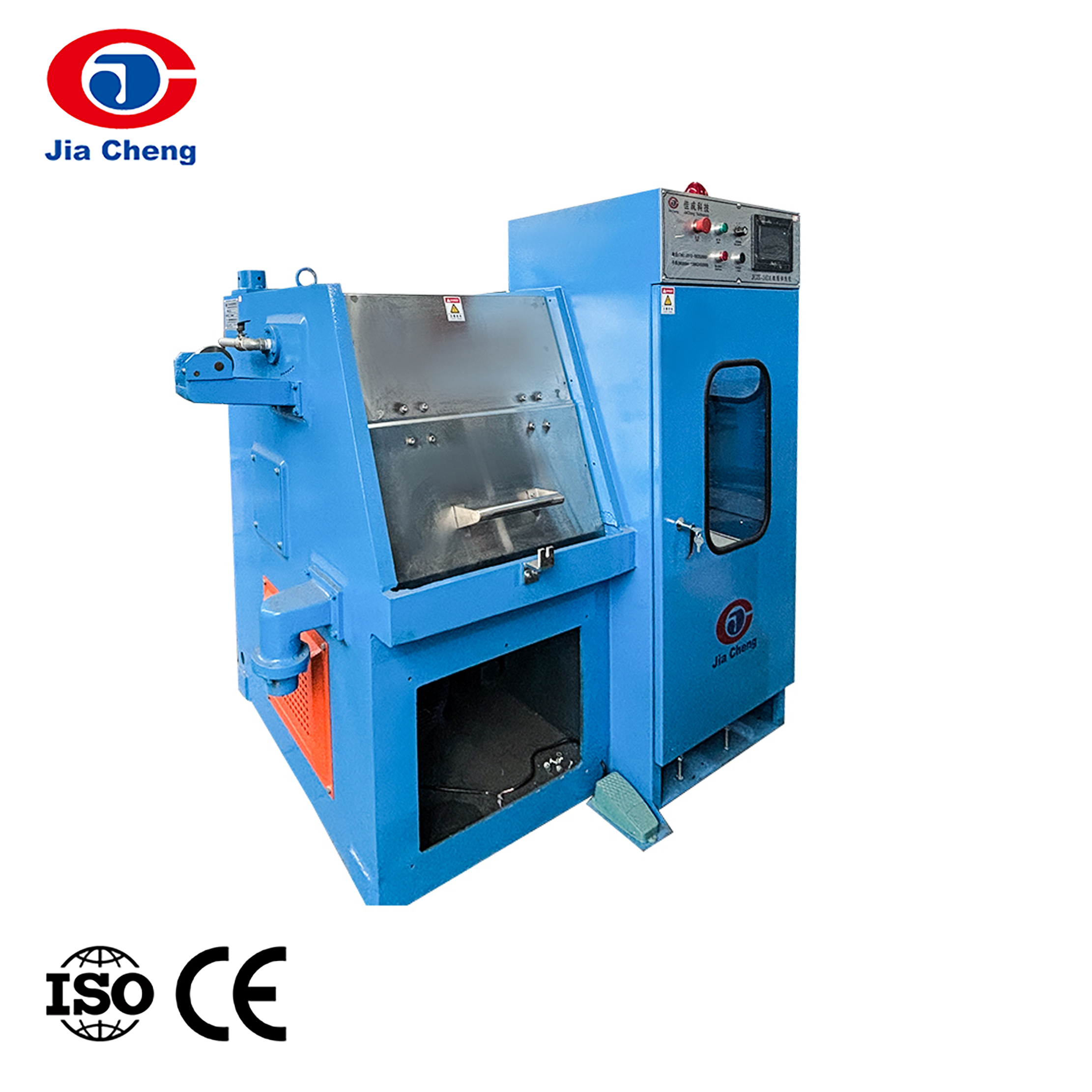
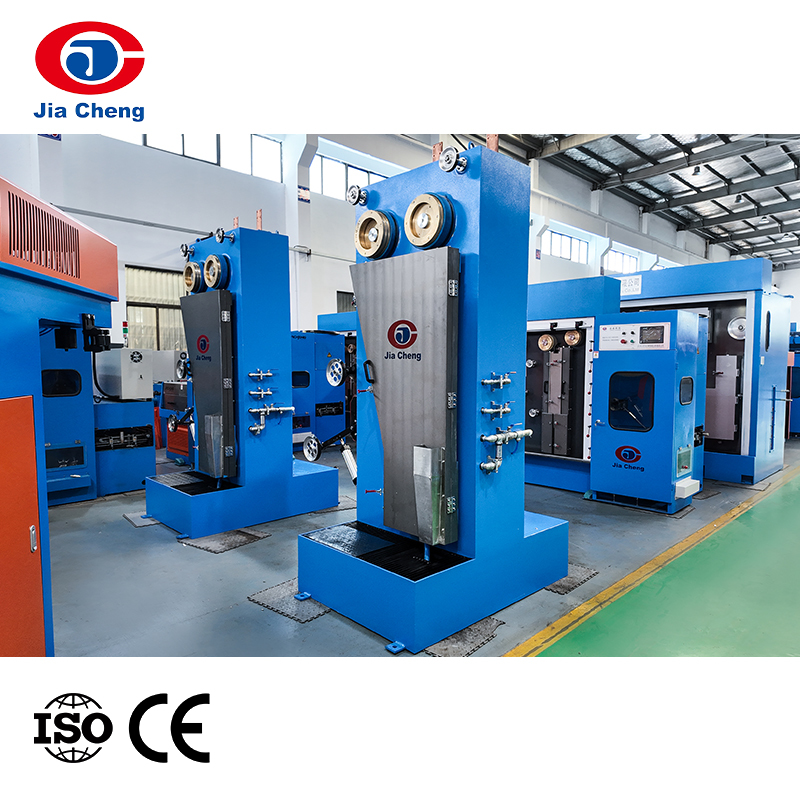 Online Annealing Machine for Copper Wire Drawing LinesThis machine anneals copper conductor in-line after drawing, controlling resistivity without a separate step. It fits the context of maintaining conductor quality for low voltage cables.View Product →
An online annealing machine keeps conductor resistivity consistent by applying heat right after drawing, when the copper is most workable. This avoids a separate handling step and keeps the process continuous.
Pair Twisting and Stranding
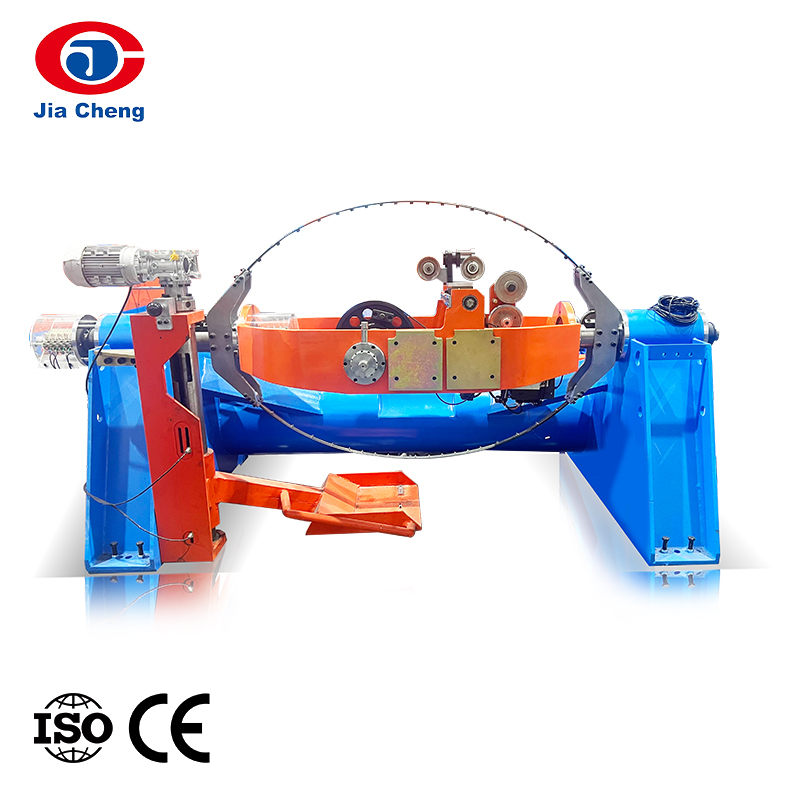
Twisted-pair cable depends on the geometry of the pair. A pair that is twisted too loosely or with varying lay length will fail NEXT and return loss measurements. The machine also affects how compact the bundle is, which matters for the final cable diameter.
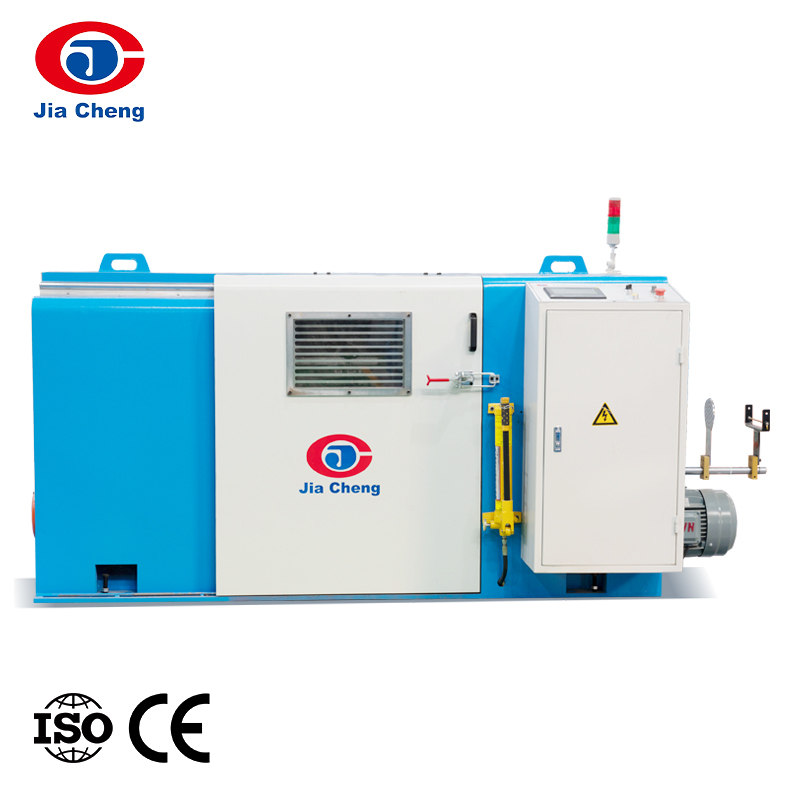
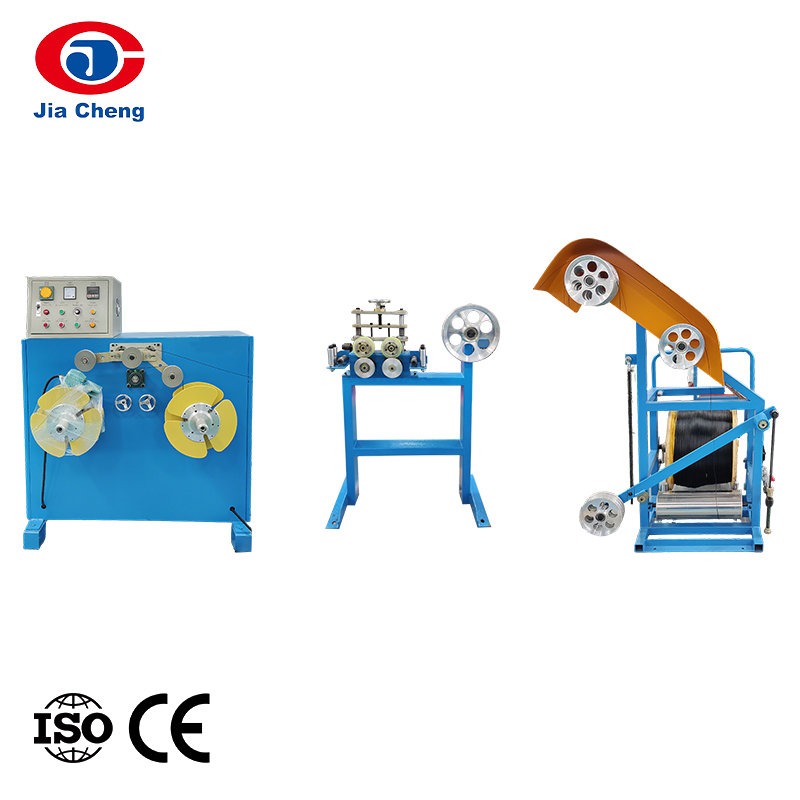
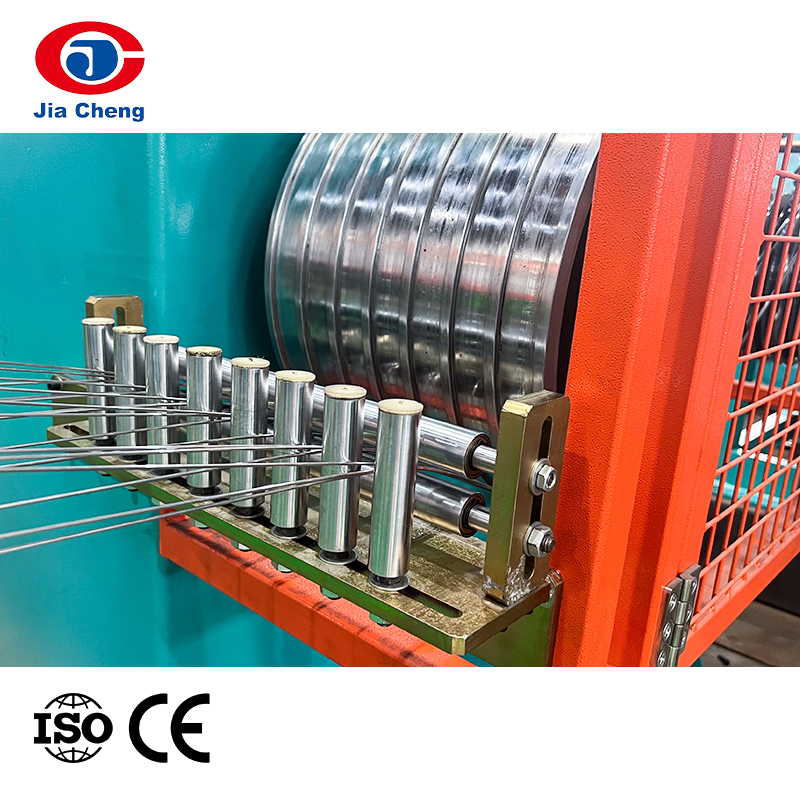 Double Twist Bunching Machine for Twisted Pair CablesThis bunches multiple wires with controlled tension and lay length, ensuring consistent pair geometry. It helps achieve stable NEXT and return loss for twisted-pair cable production.View Product →
A double twist bunching machine controls both tension and lay length, which determines how consistent the pair geometry is across the full production run.
Insulation Extrusion
Insulation extrusion is where electrical characteristics are finalized. Concentricity, diameter, and wall thickness all affect impedance and capacitance. Low voltage cables for building and industrial use often require both an insulated core and a jacket, so the extrusion stage must handle two compound types consistently.
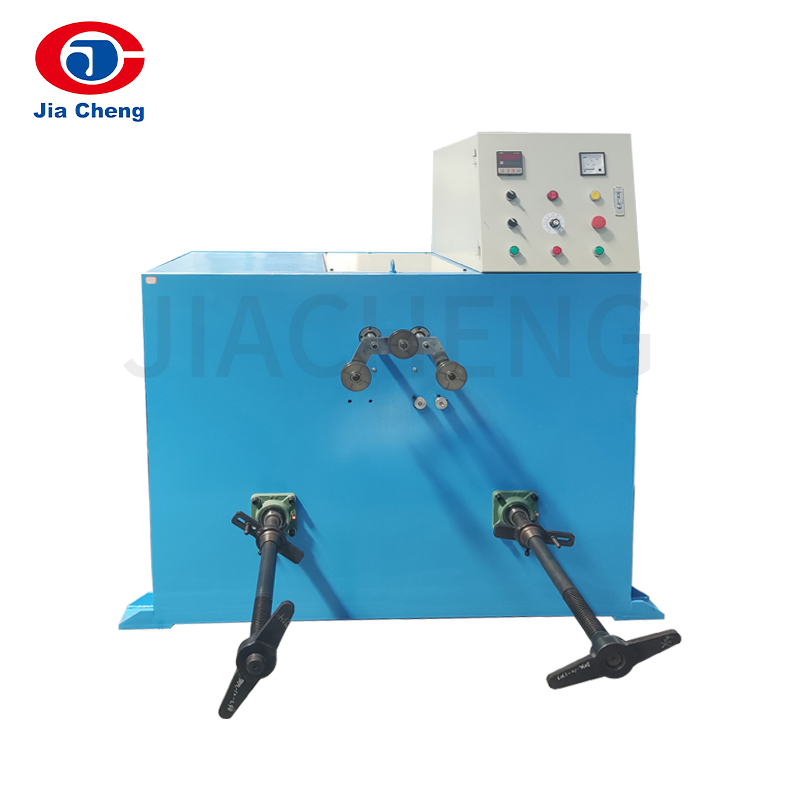
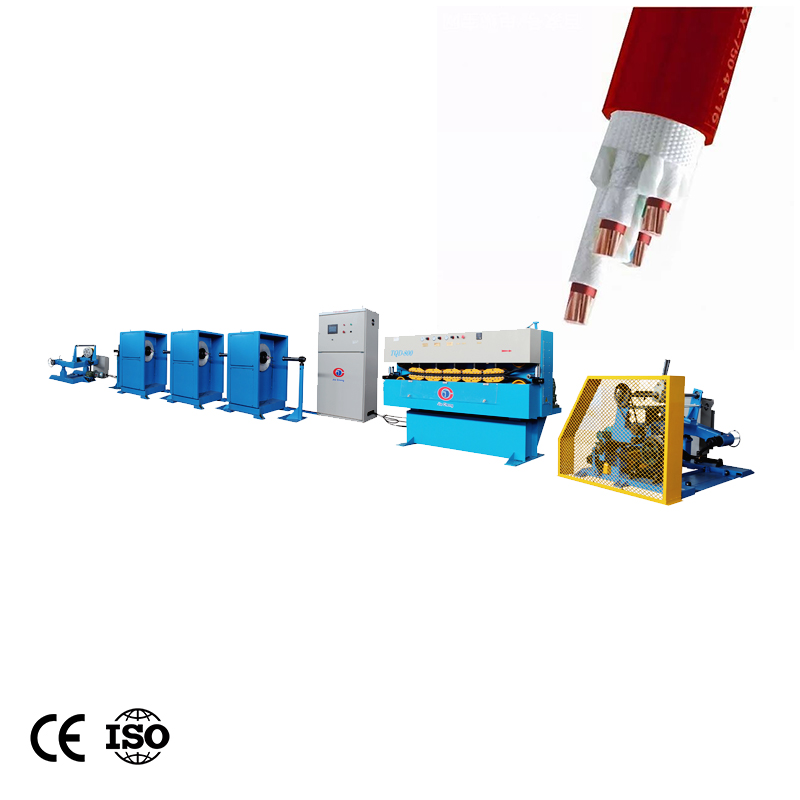
 High Speed Wire Insulation Production Line for Core and JacketThis line extrudes insulation with precise screw speed and temperature control, giving uniform thickness and concentricity. It supports both core and jacket compounds for low voltage cables.View Product →
A high-speed wire insulation production line with tight screw speed and temperature control gives the extrusion uniformity that standards assume.
Testing
Testing is the third pillar. Cable testing equipment, including resistance bridges and high-voltage withstand testers, confirms whether the cable meets the published limits. Without in-house testing, a factory cannot know whether a production run is compliant before it ships.
How Equipment Choice Affects Low Voltage Cable Compliance
Equipment decisions are often treated as cost decisions, but they are really compliance decisions. A cable that fails a flame test or an electrical performance test cannot be sold. The lowest initial equipment cost can quickly become the highest batch rejection cost.
When a cable factory selects a wire drawing machine, the choice affects every downstream step. A guide on how to choose a copper wire drawing machine covers rod quality, die size ranges, cooling capacity, and tension control, each of which has a measurable effect on the finished cable.
Similar logic applies to stranding and extrusion. A machine with poor tension control wastes material, creates pairs with inconsistent geometry, and produces cable that cannot meet TIA-568 limits. A machine with good process windows does the opposite: it reduces scrap, improves first-pass yield, and makes compliance repeatable.
The procurement risk is not usually about getting a machine that is too simple. It is about getting a machine that is not matched to the cable types you plan to produce. A factory that makes both data cable and power cable needs different extrusion configurations, different annealing setups, and different stranding options. The more the equipment can be tuned to the cable, the lower the compliance risk.
What the News Cycle Is Telling Cable Manufacturers
Low voltage cabling news covers three trends worth noting.
First, the market is growing. The global structured cabling market was estimated at $11.6 billion in 2022 and is projected to exceed $21.4 billion by 2029. That growth comes from data center construction, smart building retrofits, and the continuing need for reliable network infrastructure. With more cable needed, production capacity becomes a competitive advantage.
Second, the types of cable being demanded are changing. Cat6A is becoming the default for new low voltage LANs, and fiber backbones are increasingly required in building designs. For cable producers, this means more of the production line has to handle tighter electrical tolerances. It also means that existing equipment may be pushed to the edge of its capability.
Third, buyers are asking for assurance. Whether the concern is counterfeit material or installation failures, buyers want proof that the cable was manufactured consistently. That proof comes from test records and process control. A manufacturer that can show a stable process is more likely to win contracts, especially in projects where the buyer is responsible for maintaining performance over the cable's service life.
Low voltage cable can look like a simple product, but the boundary between a compliant batch and a rejected one is drawn on the production floor. Conductor preparation, stranding, insulation extrusion, and testing are not optional steps in the story. They are the story. For cable manufacturers, the practical next step is to audit equipment capabilities, confirm that each stage produces repeatable results, and invest in machinery that can meet the standard on every reel. Standards will keep tightening. The production floor is the only place where that pressure can be met.