Language
 中文简体
 English
 عربى
 русский
Content
If you have spent any time in the wire and cable industry, you have undoubtedly encountered the term American Wire Gauge (AWG). It is the backbone of conductor sizing in North America and a standard that directly influences every step of cable manufacturing — from rod breakdown to final testing. At Jiacheng Machinery, we have spent decades building machines that produce conductors ranging from thick 4/0 AWG power cables to ultra‑fine 46 AWG wires used in medical and data applications. Understanding AWG is not just about reading a chart; it is about selecting the right drawing dies, setting proper extrusion parameters, and ensuring your finished cable meets both electrical and mechanical requirements. In this article, we walk you through what AWG means for your production line and how our equipment is designed to handle the full AWG spectrum with precision.
What Is American Wire Gauge?
American Wire Gauge is a logarithmic measurement standard for the diameter of solid, round electrical conductors. Developed in 1857, it assigns a gauge number to each diameter — the smaller the number, the larger the wire. For example, 0000 (4/0) AWG has a diameter of 0.4600 inches, while 36 AWG measures just 0.0050 inches. The system covers a practical range from 0000 (4/0) down to 40 or even 50 AWG for extremely fine wires.
What many engineers appreciate is that AWG is consistent: each step up or down changes the cross‑sectional area by roughly 26%, which simplifies calculating resistance and ampacity. For cable manufacturers, knowing the AWG of a finished conductor directly determines the die sizes needed in the drawing process and the insulation thickness required downstream.
How AWG Guides Your Wire Drawing Line
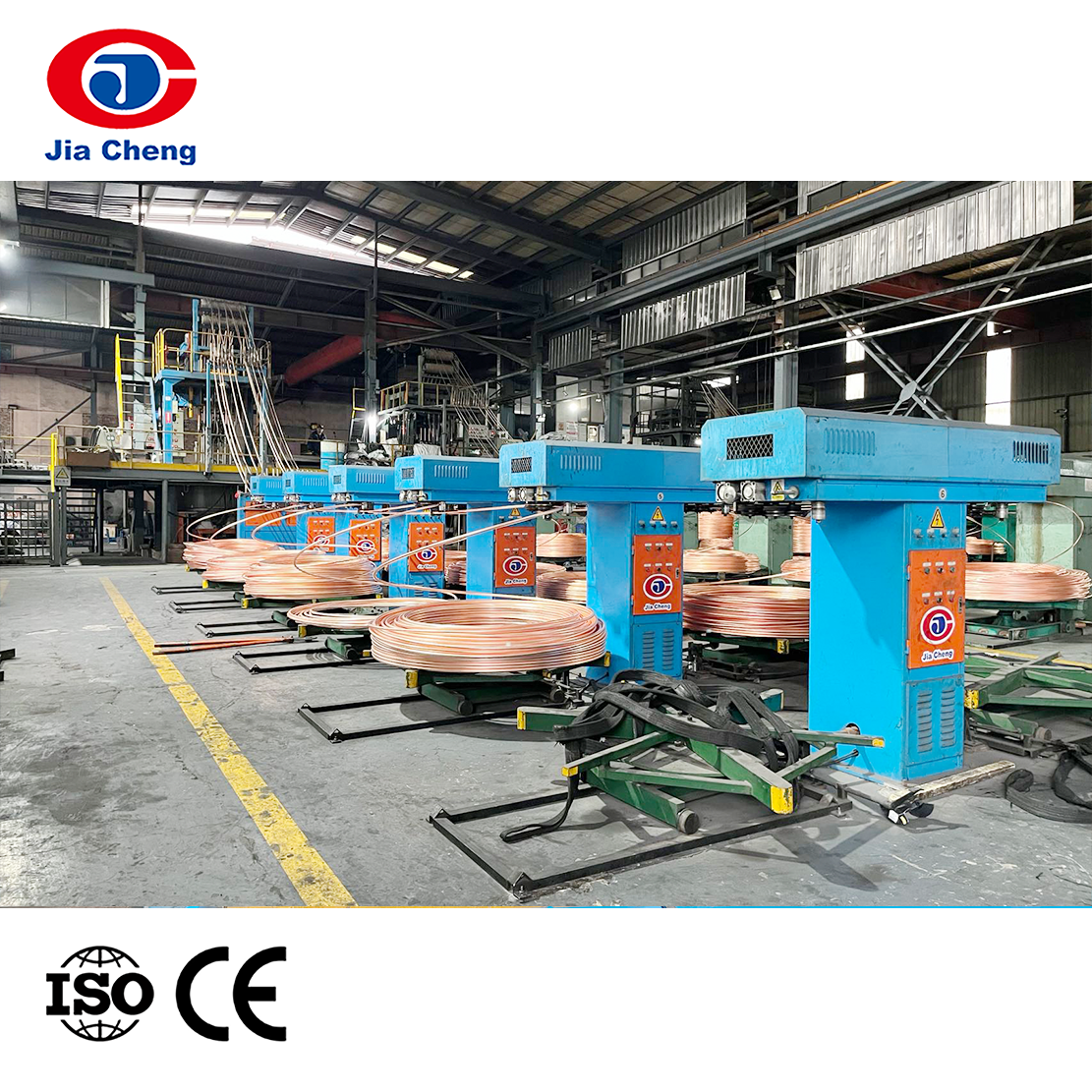
The first critical step where AWG matters is wire drawing. A raw copper or aluminum rod — typically 8 mm (about 0.315 inches) — must be reduced through a series of dies to reach the desired AWG size. The number of drawing passes and the reduction per die are calculated based on the target AWG.
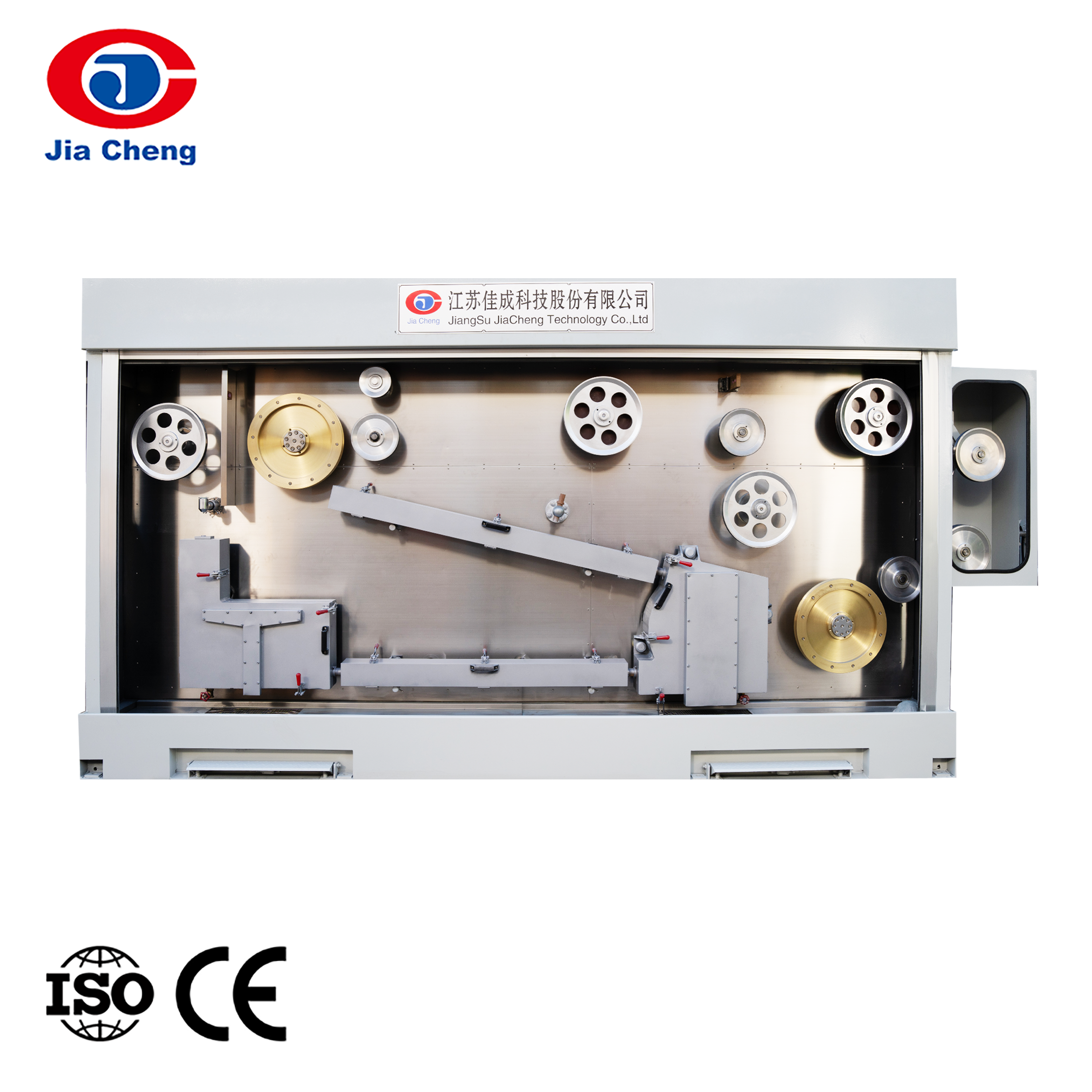
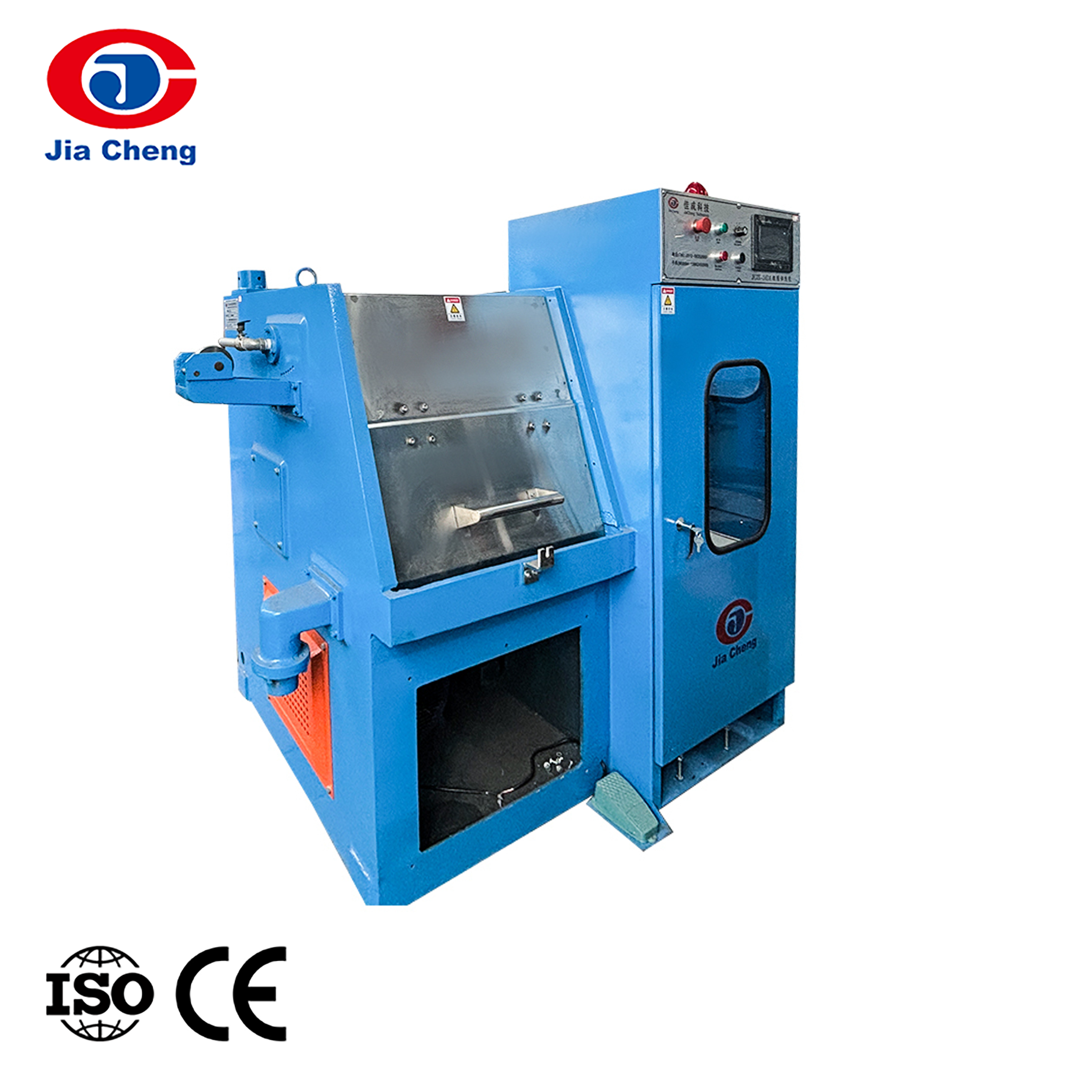
For heavy gauges (e.g., 4/0 to 6 AWG), we recommend using a rod breakdown machine like the 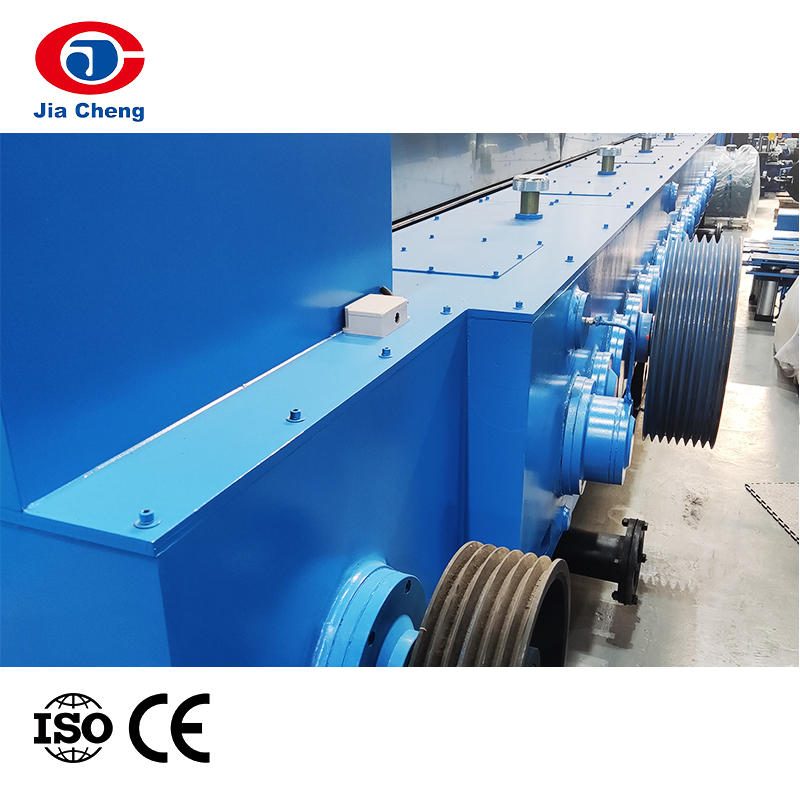 LHT450 Copper Rod Breakdown Machine for Heavy Gauge DrawingThis machine handles large incoming copper rods and produces intermediate sizes at high speed. Its precise tension control maintains consistent diameter, essential for downstream multi-wire drawing processes.View Product →, which can handle large incoming rods and produce intermediate sizes at high speed. For medium gauges (8 to 20 AWG), intermediate wire drawing machines offer the flexibility to process multiple strands simultaneously. And for fine and ultra‑fine wires (22 AWG and above), a dedicated fine wire drawing machine with an annealer ensures the ductility needed for downstream operations.
Our wire drawing machines are designed with precise tension control to maintain consistent diameter throughout the process, regardless of the AWG target. This is especially important when drawing multiple wires in parallel on a multi‑wire drawing machine — any deviation in a single wire’s diameter can cause downstream issues.
Practical AWG – Drawing Machine Selection Guide
| AWG Range | Typical End Use | Recommended Machine Family | Drawing Speed (m/s) |
|---|---|---|---|
| 4/0 – 2 AWG | Power cables, service entrance | Rod breakdown / large wire drawing | 8 – 15 |
| 4 – 10 AWG | Building wire, automotive primary | Intermediate wire drawing | 15 – 25 |
| 12 – 20 AWG | Control cables, appliance wiring | Fine wire drawing | 20 – 30 |
| 22 – 44 AWG | Data cables, medical wires | Multi‑wire / extremely fine drawing | 25 – 40 |
AWG and Extrusion: Matching Insulation to Conductor Size
Once the conductor has been drawn to the correct AWG, it moves to the extrusion line where insulation is applied. The insulation thickness is typically a percentage of the conductor diameter — standards like UL 1581, ISO 6722, and others specify minimum wall thicknesses based on AWG. For example, a 16 AWG conductor might require 0.030 inches of PVC insulation, while a 4 AWG needs 0.100 inches.
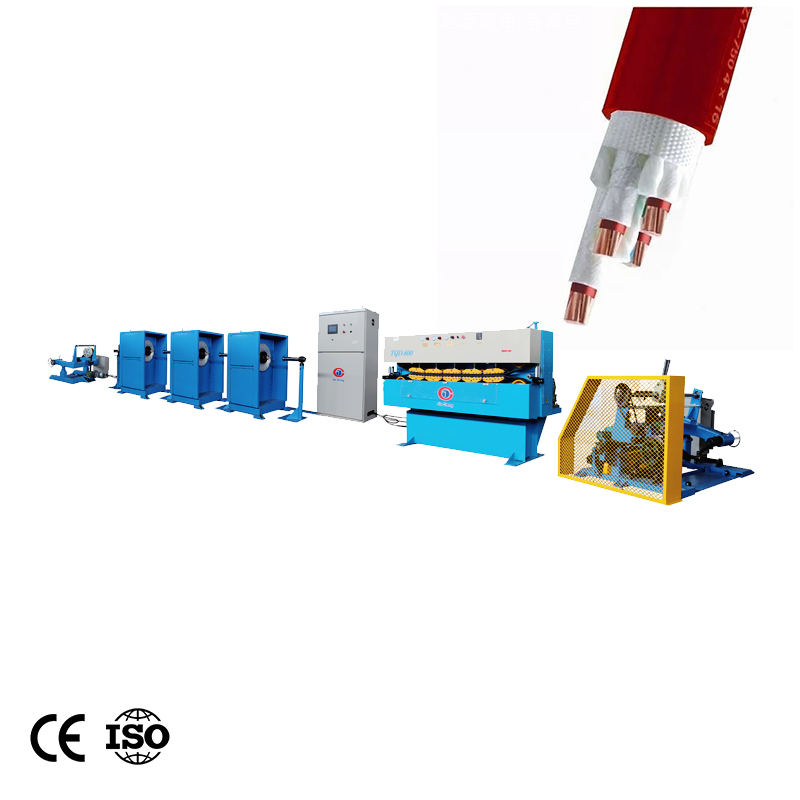
Our extrusion lines, such as the high‑speed  High Speed Insulation Production Line with Flexible AWG RangeEquipped with interchangeable crosshead tooling and PLC-based temperature control, this line achieves rapid AWG changes and maintains concentricity. Ideal for both power and signal cables across a wide size range.View Product →, are built to handle a wide AWG range without sacrificing line speed. The crosshead tooling is easily interchangeable, allowing you to switch from a 10 AWG power cable to a 24 AWG signal wire within minutes. We also offer dedicated lines for specialty materials — silicone rubber for high‑temperature cables often used in smaller AWG sizes, and chemical foaming for low‑loss data cables in the 16–28 AWG range.
During extrusion, precise control of the melt temperature and screw speed is critical to maintaining concentricity around the conductor. Our extruders are equipped with advanced PLC‑based temperature control that keeps the outer diameter variation within ±0.05 mm, ensuring the finished cable meets AWG‑based dimensional tolerances.
Stranding and Twisting: When AWG Becomes a Bundle
Many cables use stranded conductors — multiple smaller AWG wires twisted together to achieve the same cross‑sectional area as a single larger wire, but with greater flexibility. A common stranding pattern is: 7 strands of 24 AWG to make a 16 AWG equivalent; 19 strands of 30 AWG for 20 AWG; or 37 strands of 32 AWG for 18 AWG. The stranding geometry affects the overall diameter and the fill factor in the cable core.
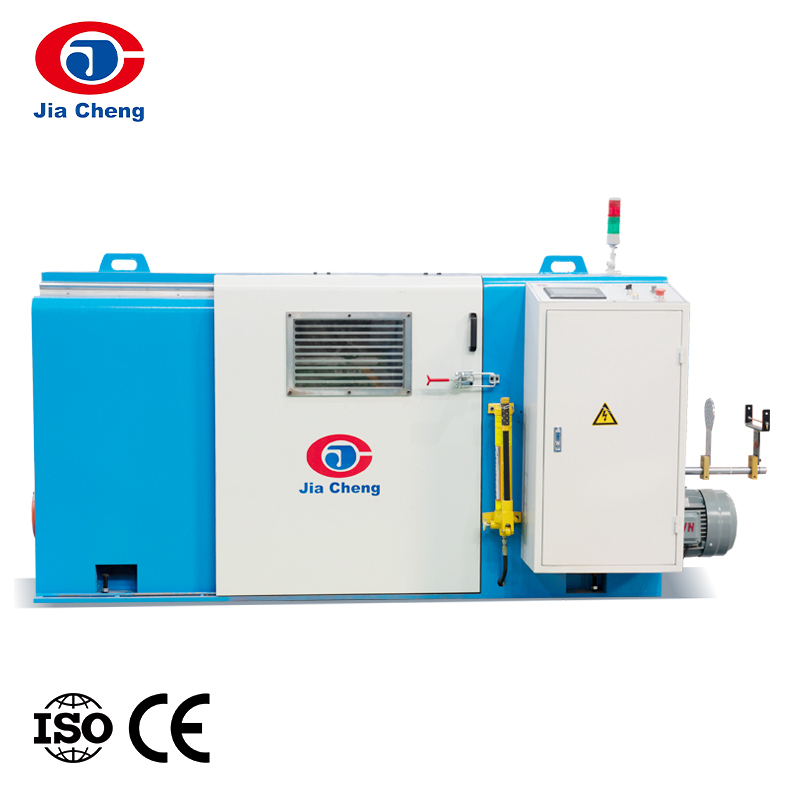
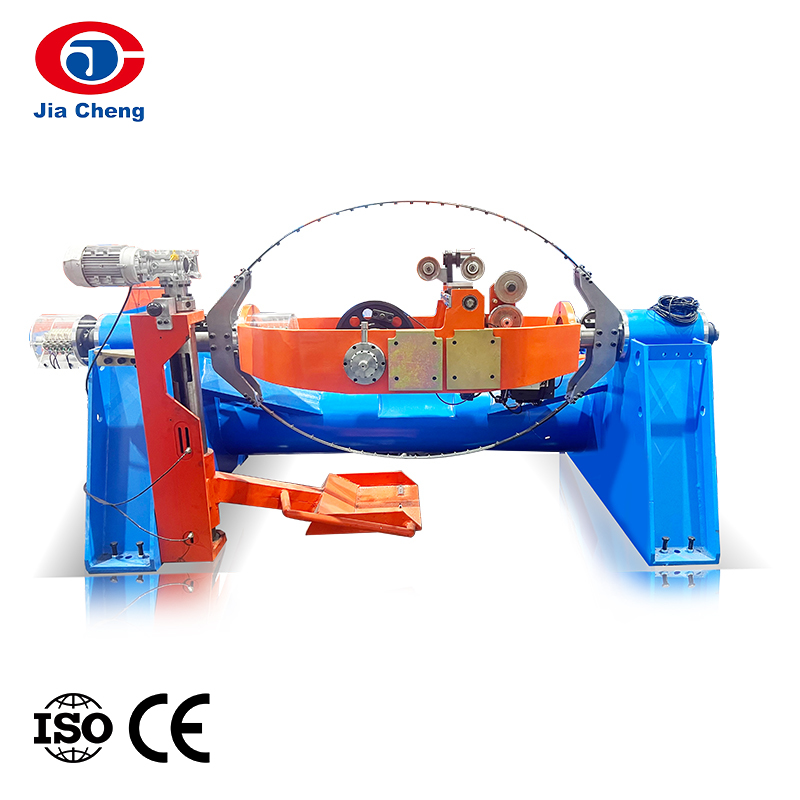
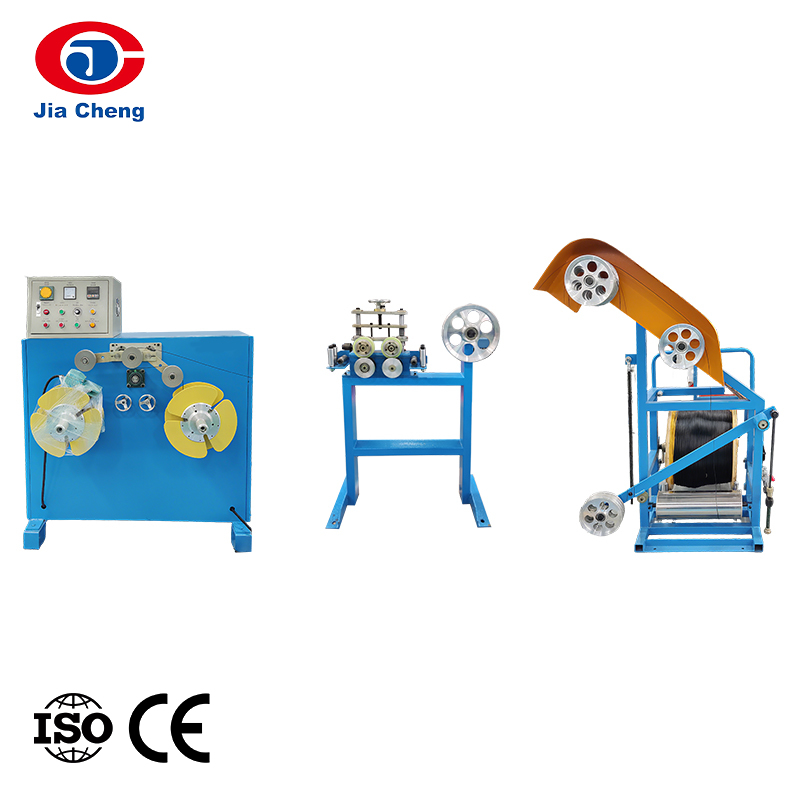
Our double‑twist bunching machines can handle stranding of fine AWG wires with consistent lay length. For example, the  Automatic High Speed Twist Bunching Machine for Stranded ConductorsWith a maximum twist speed of 3800 twists per minute, this machine produces stranded conductors from 20 to 12 AWG. It ensures consistent lay length and precise diameter to meet connector tolerances.View Product → is ideal for producing stranded conductors from 20 AWG up to 12 AWG, with a maximum twist speed of 3800 twists per minute. For larger stranded conductors used in power cables, we offer tubular stranding machines and rigid frame stranding machines that process 4/0 to 4 AWG strands efficiently.
It is important to verify that the finished stranded conductor’s diameter does not exceed the AWG tolerance for the intended connector or terminal. Our testing equipment can measure the diameter of stranded conductors with high accuracy, ensuring they meet AWG specifications before the next manufacturing step.
Testing: The Final Check for AWG Compliance
No production line is complete without quality control. AWG is a dimensional standard, but the performance of a cable depends on both its electrical resistance and mechanical properties. We manufacture a full range of cable testing machines to verify that your finished products meet AWG‑based specs.
For resistance, the QJ36 Intelligent Digital Resistance Bridge measures conductor resistance per unit length — a direct check against AWG tables (since resistance is inversely proportional to cross‑sectional area). For mechanical integrity, our YN22166 Wire Winding Torsion Testing Machine evaluates how well a fine AWG wire withstands repeated bending. And for overall dimensional verification, the YN31118 Intelligent Cable Dedicated Projector provides high‑magnification measurement of wire diameter and insulation thickness.
All our testing instruments are designed to be used directly on the production floor, giving you rapid feedback when setting up a new AWG production run. They can be integrated into a quality‑management system to log every batch’s deviations — a crucial requirement for ISO 9001 or IATF 16949 certified factories.
Whether you are drawing 4/0 AWG copper for utility cables or 44 AWG tinned copper for headphone wires, the American Wire Gauge system provides a universal language for conductor sizing. At Jiacheng Machinery, we have engineered our complete line of wire drawing, extrusion, stranding, and testing equipment to handle the full AWG spectrum with the accuracy and repeatability your customers expect. If you need assistance selecting the right machine configuration for your target AWG range, our team is ready to share practical, field‑tested solutions. Contact us to discuss your next wire project.