Language
 中文简体
 English
 عربى
 русский
Content
- 1 What Is Thicker, 10 Gauge or 6 Gauge?
- 2 6 Gauge vs 10 Gauge: The Numbers at a Glance
- 3 Why Lower Gauge Numbers Mean Thicker Wire
- 4 Where Gauge Comparisons Get Confusing
- 5 How to Tell Whether a Wire Is 6 or 10 Gauge
- 6 Why 6 vs 10 Gauge Matters in Real Installations
- 7 How Cable Manufacturers Keep Gauge Consistent
- 8 Practical Selection Checklist for 6 AWG and 10 AWG
- 9 Frequently Asked Questions
- 9.1 Is 6 gauge thicker than 10 gauge?
- 9.2 How much thicker is 6 gauge than 10 gauge?
- 9.3 Is 10 gauge wire the same as 6 mm²?
- 9.4 Do I measure gauge with or without insulation?
- 9.5 Is stranded 6 gauge measured differently from solid 6 gauge?
- 9.6 Which is better for high-current cable, 6 gauge or 10 gauge?
What Is Thicker, 10 Gauge or 6 Gauge?
If you are comparing electrical wire using the AWG system, 6 gauge is thicker than 10 gauge. The rule is simple: the lower the AWG number, the larger the conductor. A 6 AWG solid copper conductor has a nominal diameter of about 4.11 mm, while a 10 AWG conductor is about 2.59 mm. In practical terms, 6 AWG is roughly 59% larger in diameter and about 2.5 times the cross-sectional area of 10 AWG.
That answer assumes you mean electrical conductor size under AWG. If you are looking at sheet metal, wire mesh, jewelry wire, or another product category, check the specific gauge standard. In many gauge systems a lower number is still thicker, but the actual millimetre size for “6 gauge” will not necessarily match 6 AWG electrical wire.
6 Gauge vs 10 Gauge: The Numbers at a Glance
For electrical wire, the difference is not subtle. The table below shows approximate dimensions for solid copper conductors. Stranded conductors use the same nominal AWG size, but the measurement is based on equivalent conductor area rather than the outside diameter of the finished cable.
| Nominal size | Approximate conductor diameter | Approximate cross-sectional area | Relative thickness | Typical selection note |
|---|---|---|---|---|
| 6 AWG | 4.11 mm / 0.162 in | 13.3 mm² | Thicker | Higher-current runs, battery cables, feeders, and equipment where voltage drop and heat matter. |
| 10 AWG | 2.59 mm / 0.102 in | 5.26 mm² | Thinner | Branch circuits, control panels, small equipment, and lighter-duty wiring where current demand is lower. |
The visual difference is easy to see when the conductors are side by side. A 6 AWG wire feels heavier, bends less easily, and takes up more space in terminals and conduits. A 10 AWG wire is more manageable, but it carries less current and has higher resistance per metre.
Why Lower Gauge Numbers Mean Thicker Wire
AWG stands for American Wire Gauge. It is a reverse-scaled system: as the gauge number increases, the wire diameter decreases. This is why 10 AWG is thinner than 6 AWG, and why 6 AWG is thinner than 4 AWG.
Lower number
Larger conductor, lower resistance, and greater current capacity.
Higher number
Smaller conductor, lighter weight, and easier handling in tight spaces.
Size step
Every 6 AWG steps roughly doubles conductor diameter; every 3 steps roughly doubles area.
The system developed around wire drawing, where each successive pass through a die reduced the wire diameter. The numbers became a practical shorthand for the die sequence and the resulting conductor size. That history is useful to remember when someone asks whether 10 gauge or 6 gauge is thicker: 6 gauge is the larger conductor, and the lower number is the clue.
Where Gauge Comparisons Get Confusing
AWG is not the only gauge system in manufacturing. Sheet metal, wire mesh, jewelry wire, and musical wire can use different standards. In many of those systems a lower number is also thicker, but the actual dimensions are not interchangeable with AWG electrical wire. A 6 gauge wire mesh product, for example, may be described as 0.192 in thick, while 10 gauge mesh may be 0.102 in. The 6 gauge mesh is thicker, but it is not the same product as 6 AWG copper conductor.
Metric sizing adds another point of confusion. A 6 mm² conductor is not the same as 6 AWG. The metric value describes cross-sectional area directly, while AWG describes a nominal gauge that corresponds to a specific diameter and area. When a drawing, label, or purchase order mixes AWG and mm², confirm the standard before comparing thickness.
How to Tell Whether a Wire Is 6 or 10 Gauge
If the wire is already installed or the label is missing, you can still identify the gauge with a few careful steps. The key is to measure the conductor, not the insulation.
- Read the jacket markings first. Many cables print the AWG size, voltage rating, temperature rating, and standard on the outer jacket.
- Strip a short section if needed. Remove enough insulation to expose bare conductor without nicking the metal.
- Measure the conductor diameter. Use a caliper or a wire gauge tool. For stranded wire, measure the overall conductor bundle and compare it with an AWG reference for stranded conductors.
- Do not measure the insulation. Insulation wall thickness changes the outside diameter of the cable, but it does not change the conductor gauge.
- Compare with a reliable chart. A 6 AWG conductor should be near 4.11 mm in diameter, while 10 AWG should be near 2.59 mm for solid copper.
- Check the application before use. Gauge affects current capacity, voltage drop, bending radius, terminal fit, and code compliance.
Stranded wire can look larger than solid wire of the same AWG because the strands create gaps and the bundle has an overall diameter. The nominal AWG still refers to equivalent conductor area. That is why a stranded 6 AWG cable may have a larger outside diameter than a solid 6 AWG wire while carrying the same nominal gauge.
Why 6 vs 10 Gauge Matters in Real Installations
The difference between 6 AWG and 10 AWG is not just a workshop detail. It affects heat, voltage drop, mechanical fit, and long-term reliability. A larger conductor has lower resistance, so it loses less voltage over distance and runs cooler under a given current. That is why 6 AWG is often selected for higher-current runs such as battery cables, inverter connections, RV feeders, and some service or feeder circuits. A 10 AWG wire is common in lighter branch circuits, control panels, and small equipment where the current demand is lower.
- Ampacity: 6 AWG can carry more current than 10 AWG, but the final rating depends on insulation, temperature, installation method, and local code.
- Voltage drop: 6 AWG has lower resistance per metre, which helps on longer runs.
- Terminations: larger wire needs terminals, lugs, and tools rated for that size.
- Handling: 6 AWG is stiffer and heavier; 10 AWG is easier to route in tight spaces.
- Cost: 6 AWG uses more copper, so material cost is higher.
For a reliable installation, match the gauge to the load, the overcurrent protection, the ambient conditions, and the connector rating. A wire that is physically too large may not fit a terminal; a wire that is too small may overheat. The correct choice is the one that satisfies the electrical, mechanical, and code requirements together.
How Cable Manufacturers Keep Gauge Consistent
At Jiacheng, we see gauge control as a chain of process decisions rather than a single measurement. In a cable factory, the nominal conductor size is established early in copper wire processing, then protected through annealing, stranding, extrusion, and final inspection. Small drift in the first drawing steps can become a large problem by the time the cable reaches the customer.
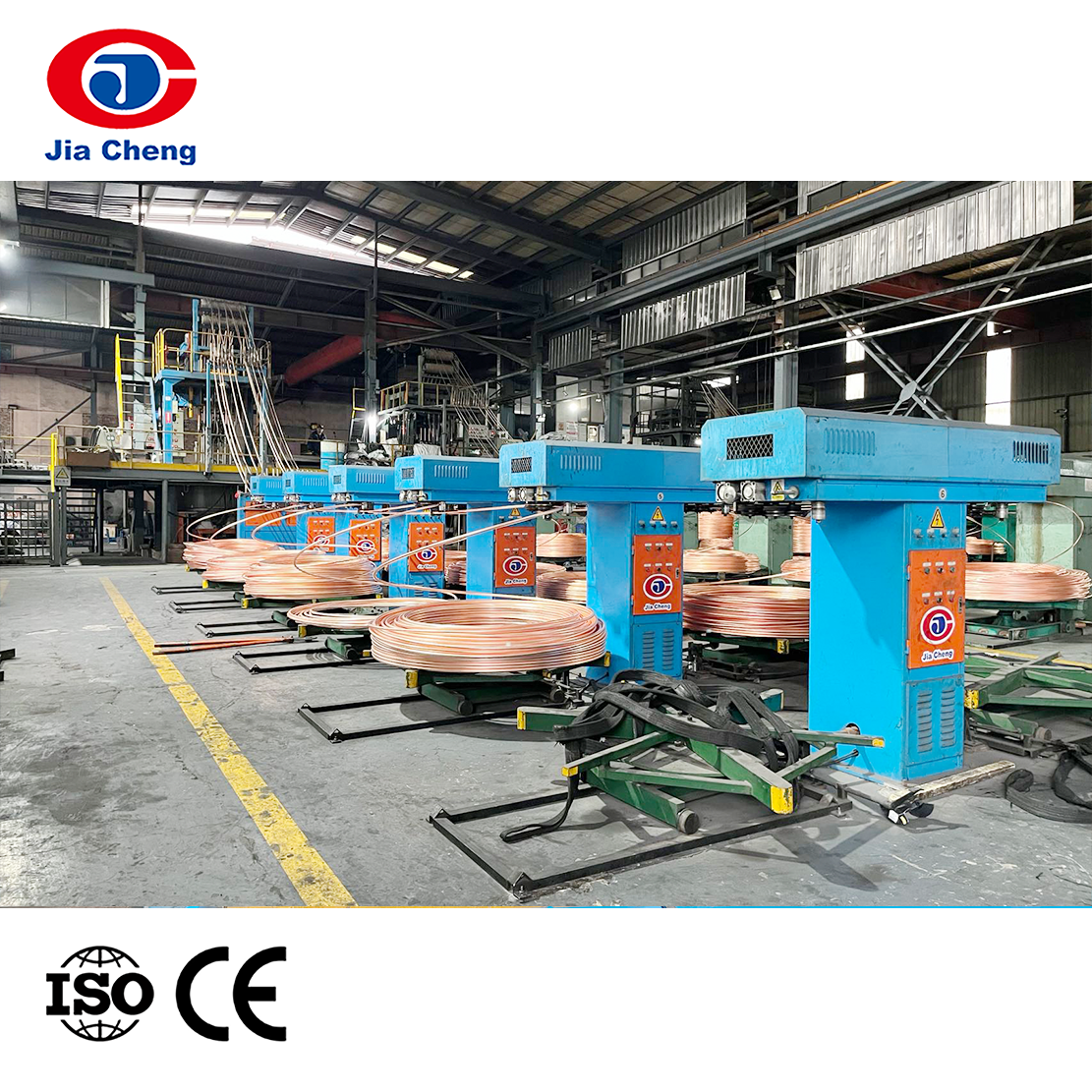
Rod breakdown and intermediate drawing set the conductor diameter. The rod is reduced through a series of dies, and the final die decides the nominal size. If the machine is properly set, the wire leaves the drawing line close to the target gauge with a clean surface and consistent ovality.
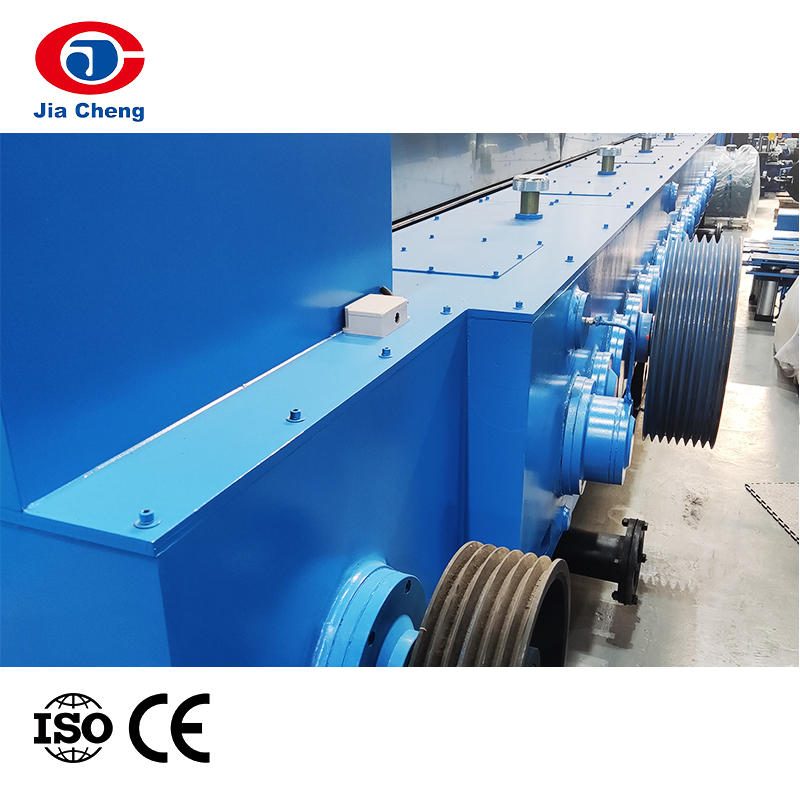 LHT450 Copper Rod Breakdown MachineDraws copper rod from 8 mm to 1.2–4.0 mm and supports inline annealing, making it relevant where drawing sets conductor size before softening.View Product →
Annealing comes next. Softening the wire improves ductility and helps it survive bending, stranding, and termination. A gauge that is correct but too hard can crack during later processing. On the other hand, excessive annealing or poor temperature control can affect surface quality and downstream behaviour. The goal is a conductor that meets both size and mechanical requirements.
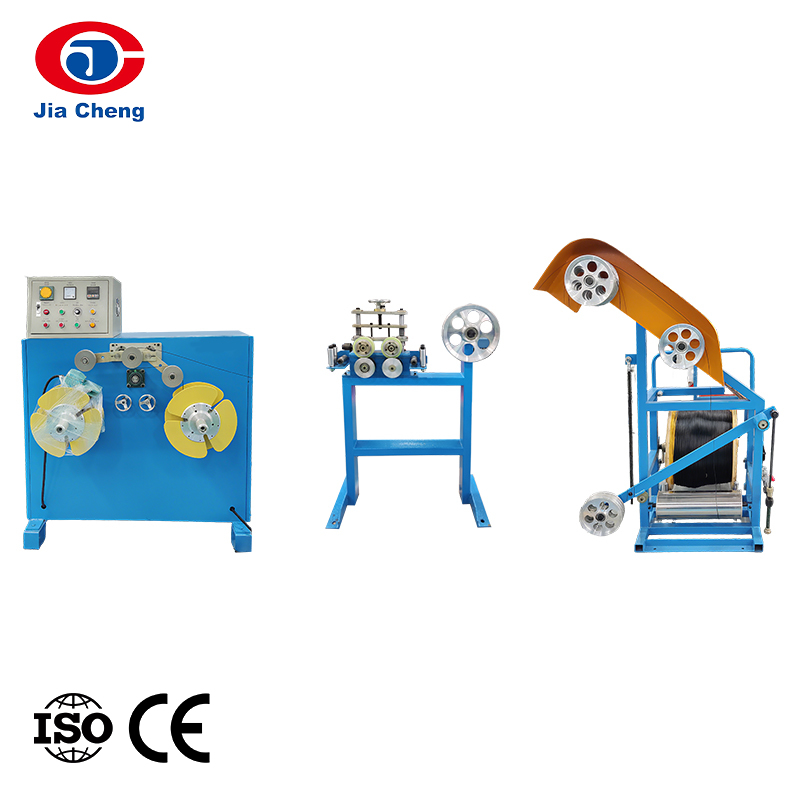
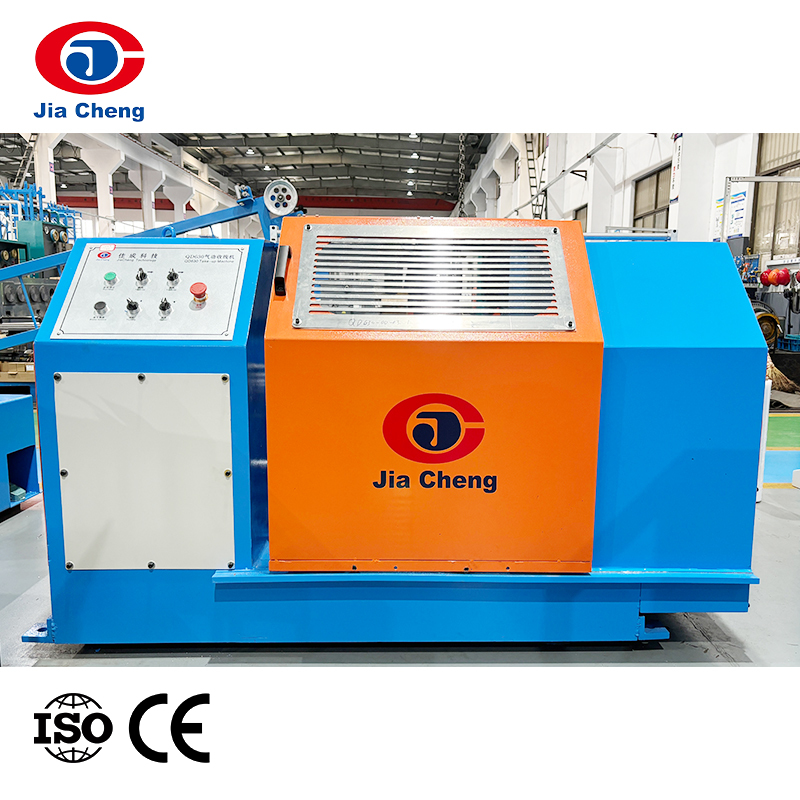 Intermediate Wire Drawing Machine with AnnealingCombines intermediate drawing and annealing for medium wires, with outlet ranges down to 0.4 mm, fitting where softened conductors need consistent diameter.View Product →
Stranding and extrusion then affect the finished cable, but they do not change the underlying AWG. A 6 AWG conductor remains 6 AWG after insulation is applied; the outside diameter simply becomes larger. That is why incoming conductor checks, in-process diameter checks, and final electrical tests all matter. A diameter gauge gives fast feedback on the line, while resistance and tensile tests confirm that the conductor behaves as expected.
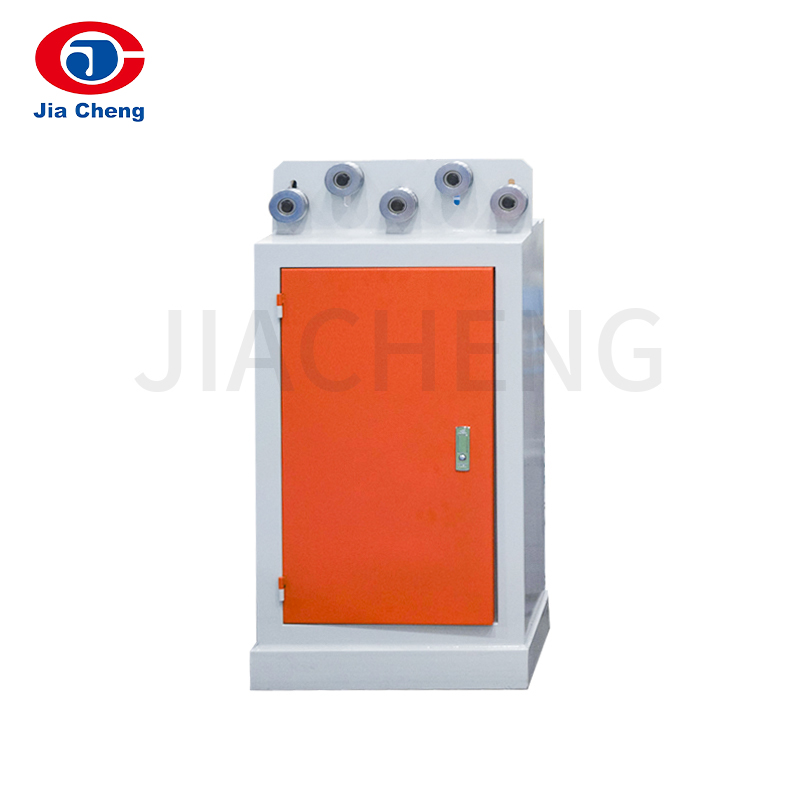
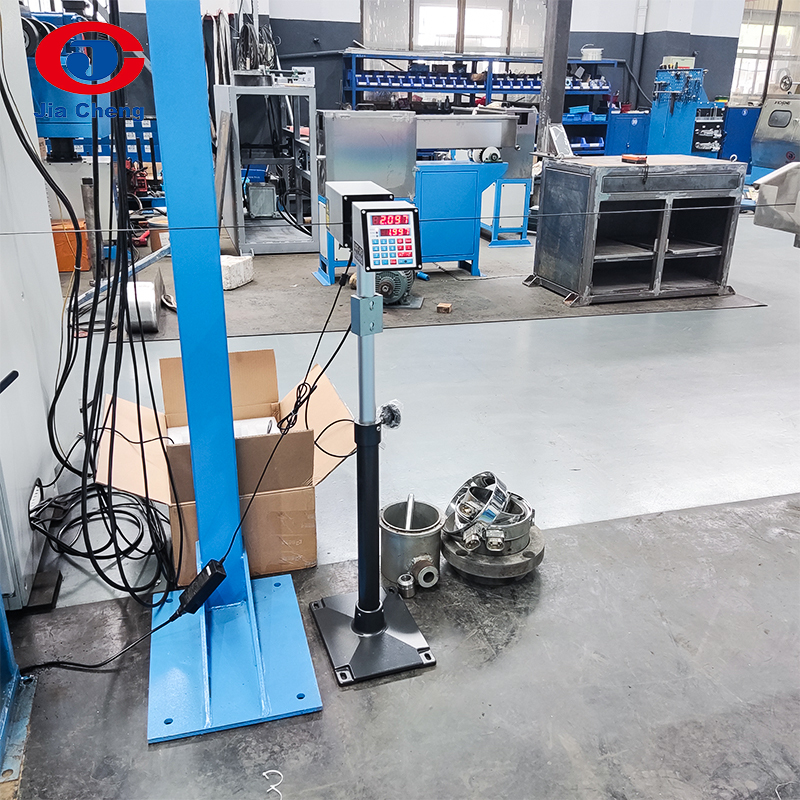 LGD-25 Diameter Gauge for Wire and CableMeasures 0.100–25.000 mm with laser scanning and RS-485 output, giving fast diameter feedback for incoming, in-process, and final conductor checks.View Product →
For cable makers planning a new line or improving yield, it helps to review the full process from rod to finished cable. If you need a practical starting point, talk with our team about the conductor sizes, materials, and tolerances you need to hold.
Practical Selection Checklist for 6 AWG and 10 AWG
Before choosing between 6 AWG and 10 AWG, work through the application rather than the catalogue alone.
- Confirm the required current and the expected continuous load.
- Check voltage drop over the actual cable length.
- Match the conductor to the terminal, lug, breaker, and connector ratings.
- Review insulation temperature rating and ambient conditions.
- Allow for bending radius, conduit fill, and installation space.
- Use the local electrical code and project specification as the final authority.
- For manufacturing, define the measurement point, tolerance, and test method clearly.
When the choice is between 6 gauge and 10 gauge, the thicker 6 AWG gives more current headroom and lower voltage drop, while 10 AWG is lighter, more flexible, and usually less expensive. The right answer depends on the load and the installation, not on the number alone.
Frequently Asked Questions
Is 6 gauge thicker than 10 gauge?
Yes. In AWG electrical wire, 6 gauge is thicker than 10 gauge. The lower AWG number indicates a larger conductor diameter and greater cross-sectional area.
How much thicker is 6 gauge than 10 gauge?
A 6 AWG solid copper conductor is about 4.11 mm in diameter, compared with about 2.59 mm for 10 AWG. That is roughly 59% larger in diameter and about 2.5 times the area.
Is 10 gauge wire the same as 6 mm²?
No. AWG and mm² are different sizing systems. A 10 AWG conductor is approximately 5.26 mm², while 6 mm² is a metric size close to about 10 AWG but not an exact equivalent in every construction.
Do I measure gauge with or without insulation?
Measure the conductor without insulation. Insulation increases the outside diameter of the cable but does not change the conductor gauge.
Is stranded 6 gauge measured differently from solid 6 gauge?
The nominal AWG is the same, but stranded wire is assessed by equivalent conductor area. The overall bundle diameter may be larger because of the spaces between strands.
Which is better for high-current cable, 6 gauge or 10 gauge?
6 gauge is generally the better starting point for higher-current runs because it has lower resistance and greater current capacity. Final selection still depends on load, voltage drop, insulation, terminals, installation conditions, and local code.